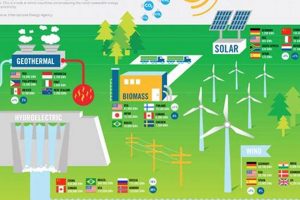
Resources that replenish naturally over a relatively short period are crucial for a sustainable future. Examples include solar energy, which harnesses the sun’s power, wind energy, generated by wind turbines, and hydropower, derived from the flow of water. Biomass, derived from organic matter, and geothermal energy, sourced from the Earth’s internal heat, are further examples of these naturally replenishing resources.
The utilization of these resources offers significant advantages, including a reduction in greenhouse gas emissions, decreased reliance on finite fossil fuels, and the potential for increased energy independence. Historically, societies have relied on renewable sources like wind and water power for centuries. However, the advent of the industrial revolution shifted dependence towards fossil fuels. The growing awareness of climate change and the finite nature of fossil fuels have renewed interest in and development of these sustainable alternatives.
This article will further explore specific types of renewable resources, their applications, current technological advancements, and their role in the global transition towards a more sustainable energy landscape.
Tips for Utilizing Renewable Resources
Maximizing the benefits of renewable resources requires careful consideration and strategic implementation. The following tips offer guidance for individuals, communities, and industries seeking to adopt sustainable practices.
Tip 1: Conduct a thorough energy audit. Understanding current energy consumption patterns is crucial before transitioning to renewable sources. An energy audit helps identify areas for improvement and potential applications for specific renewable technologies.
Tip 2: Explore local renewable energy incentives. Many governments and utility companies offer financial incentives, such as tax credits and rebates, to encourage the adoption of renewable energy systems. Researching available programs can significantly reduce upfront costs.
Tip 3: Consider the long-term costs and benefits. While the initial investment in renewable energy systems can be substantial, the long-term savings from reduced energy bills and potential revenue generation can outweigh the initial expense. A comprehensive cost-benefit analysis should be conducted.
Tip 4: Prioritize energy efficiency. Reducing overall energy consumption through efficiency measures, such as improved insulation and energy-efficient appliances, maximizes the impact of renewable energy systems.
Tip 5: Support sustainable policies. Advocating for policies that promote the development and adoption of renewable energy technologies is essential for creating a sustainable future. This can involve supporting political candidates, contacting elected officials, and participating in public forums.
Tip 6: Invest in research and development. Continued advancements in renewable energy technologies are crucial for improving efficiency, reducing costs, and expanding accessibility. Supporting research and development initiatives can accelerate the transition to a sustainable energy future.
Tip 7: Choose reputable installers and suppliers. Selecting qualified and experienced professionals for the installation and maintenance of renewable energy systems ensures optimal performance and longevity.
By implementing these strategies, individuals and communities can contribute to a cleaner, more sustainable energy future, while simultaneously reducing costs and enhancing energy independence.
The transition towards renewable resources represents a significant step towards a more sustainable future. The following section concludes this article with a summary of key takeaways and a call to action.
1. Natural Replenishment

Natural replenishment is the defining characteristic of renewable resources, distinguishing them from finite resources like fossil fuels. This continuous regeneration process is essential for long-term sustainability and resource availability.
- Resource Renewal Cycles
Renewable resources are replenished through natural processes at a rate equal to or faster than their consumption. Solar energy is constantly replenished by the sun’s radiation, while wind energy relies on atmospheric circulation. Hydropower depends on the water cycle, and biomass relies on plant growth. Understanding these renewal cycles is crucial for sustainable resource management.
- Timescales of Replenishment
The time required for replenishment varies significantly among different resources. Solar and wind energy are virtually instantaneously replenished, whereas biomass and geothermal energy may take longer. This temporal aspect influences resource management strategies and requires careful planning to prevent depletion.
- Environmental Factors Influencing Replenishment
Various environmental factors impact the rate of replenishment. Sunlight intensity and wind patterns affect solar and wind energy generation, respectively. Water availability influences hydropower potential, and climate conditions affect biomass growth. Analyzing these factors is critical for predicting resource availability and implementing appropriate management practices.
- Human Impact on Replenishment Rates
Human activities can influence the natural replenishment of resources. Deforestation can negatively impact biomass availability, while water management practices can affect hydropower generation. Sustainable practices are essential to maintain and enhance natural replenishment rates for long-term resource security.
The principle of natural replenishment underscores the long-term viability of renewable resources. By understanding the factors that influence these replenishment processes, and by implementing sustainable management practices, societies can ensure a continuous supply of clean and sustainable energy for future generations.
2. Sustainable Source

The concept of a sustainable source is intrinsically linked to renewable resources. Sustainability implies the ability to meet present needs without compromising the ability of future generations to meet their own needs. Renewable resources, due to their inherent capacity for replenishment, form the foundation of a sustainable energy future.
- Resource Replenishment
The continuous replenishment of renewable resources, such as solar, wind, hydro, and geothermal energy, ensures their long-term availability. This natural regeneration distinguishes them from finite resources like fossil fuels, which are depleted over time. The rate of replenishment is a critical factor in determining the sustainability of a given resource.
- Environmental Impact
Sustainable sources minimize negative environmental impacts. Unlike fossil fuels, renewable resources produce minimal greenhouse gas emissions, reducing the contribution to climate change. Furthermore, sustainable resource management practices aim to minimize land use impacts, protect biodiversity, and preserve ecosystem health.
- Economic Viability
Sustainable sources contribute to long-term economic stability. Renewable energy technologies create new industries, generate jobs, and reduce dependence on volatile fossil fuel markets. Furthermore, the decreased environmental impact associated with renewable resources reduces the economic costs associated with pollution and climate change mitigation.
- Social Equity
Sustainable sources promote social equity by providing access to clean and affordable energy for all. Renewable energy systems can be deployed in both urban and rural areas, increasing energy access for marginalized communities. Furthermore, the decentralized nature of many renewable energy technologies empowers local communities and promotes energy independence.
The interconnectedness of sustainable sources and renewable resources is fundamental to achieving a sustainable future. By prioritizing the development and utilization of renewable resources, societies can transition away from a reliance on finite resources and build a more resilient, equitable, and environmentally sound energy system for generations to come.
3. Reduced Emissions

A fundamental advantage of renewable resources lies in their capacity to significantly reduce greenhouse gas emissions compared to conventional fossil fuels. This reduction is a direct consequence of the inherent differences in how energy is generated. Fossil fuels, upon combustion, release substantial quantities of carbon dioxide, methane, and other greenhouse gases, contributing significantly to climate change. Renewable resources, conversely, generate energy from naturally replenishing sources, resulting in substantially lower emissions.
The transition to renewable energy sources offers a critical pathway for mitigating climate change. For example, replacing coal-fired power plants with solar or wind farms dramatically reduces carbon dioxide emissions. Similarly, utilizing biofuels derived from sustainable sources can offset emissions from transportation. The quantifiable reduction in emissions achieved through the adoption of renewable energy technologies is a key driver in global efforts to combat climate change and its associated environmental and socioeconomic impacts. The shift towards electric vehicles powered by renewable energy further exemplifies the potential for emissions reduction across various sectors.
The connection between reduced emissions and renewable resources is crucial for achieving global sustainability goals. While challenges remain in terms of infrastructure development, technological advancements, and policy implementation, the demonstrable benefits of reduced emissions associated with renewable energy adoption underscore its critical role in mitigating climate change and ensuring a sustainable future. Continued investment in research, development, and deployment of renewable energy technologies is essential to maximize emissions reductions and achieve a global transition towards a cleaner, more sustainable energy system.
4. Resource Availability

Resource availability plays a crucial role in the feasibility and effectiveness of utilizing renewable resources. The distribution and accessibility of these resources vary significantly geographically and temporally, influencing their potential for widespread adoption and impact on energy security. Understanding these variations is essential for effective planning and implementation of renewable energy strategies.
- Geographic Distribution
Renewable resources are not uniformly distributed across the globe. Solar energy potential is highest in regions with abundant sunlight, while wind resources are concentrated in areas with consistent wind patterns. Hydropower relies on suitable river systems, and geothermal resources are concentrated in geologically active areas. This uneven distribution necessitates careful assessment of local resource availability when planning renewable energy projects.
- Temporal Variability
The availability of renewable resources can fluctuate over time. Solar energy generation is dependent on daylight hours and weather conditions, while wind power fluctuates with wind patterns. Hydropower generation can be affected by seasonal variations in rainfall. Managing this intermittency requires energy storage solutions and grid management strategies to ensure a reliable energy supply.
- Resource Accessibility
Accessibility to renewable resources can be influenced by various factors, including terrain, infrastructure, and land use. Remote locations with high renewable energy potential may face challenges in transmitting generated power to population centers. Similarly, land use conflicts can arise when deploying large-scale renewable energy projects. Addressing these accessibility challenges is crucial for maximizing the potential of renewable resources.
- Resource Assessment and Planning
Accurate resource assessment is essential for determining the viability of renewable energy projects. Detailed data on solar irradiance, wind speeds, water flow rates, and geothermal gradients are necessary for optimizing system design and predicting energy output. Comprehensive resource planning, incorporating both resource availability and demand projections, is crucial for effective integration of renewable energy into existing energy systems.
The availability of renewable resources is a critical factor in the transition towards a sustainable energy future. By carefully considering geographic distribution, temporal variability, accessibility, and resource planning, societies can effectively harness the potential of renewable resources to meet growing energy demands while minimizing environmental impact. Addressing the challenges associated with resource availability requires innovative solutions and strategic planning to ensure a reliable and sustainable energy supply for future generations.
5. Technological Advancements
Technological advancements are intrinsically linked to the increasing viability and effectiveness of renewable resources. These advancements drive down costs, improve efficiency, and expand the range of applications for renewable energy technologies. This progress is essential for accelerating the global transition towards a sustainable energy future. For example, advancements in photovoltaic cell technology have significantly increased the efficiency and reduced the cost of solar panels, making solar energy a more competitive energy source. Similarly, improvements in wind turbine design and materials have led to larger, more efficient turbines capable of capturing greater amounts of wind energy. Developments in energy storage technologies, such as batteries and pumped hydro storage, are crucial for addressing the intermittency of renewable resources and ensuring a reliable energy supply.
The ongoing development of smart grid technologies further enhances the integration of renewable resources into existing energy systems. Smart grids enable real-time monitoring and control of energy flow, optimizing the distribution of renewable energy and enhancing grid stability. Furthermore, advancements in materials science are leading to the development of new materials for renewable energy applications, such as more durable and efficient wind turbine blades and lighter, more flexible solar panels. These technological advancements not only improve the performance of renewable energy systems but also contribute to reducing their environmental footprint through improved manufacturing processes and reduced material usage. Research and development efforts focused on exploring new renewable energy sources, such as wave and tidal energy, hold the potential to further diversify the renewable energy portfolio and expand access to clean energy in coastal regions.
The symbiotic relationship between technological advancements and renewable resources is crucial for achieving a sustainable energy future. Continued investment in research and development is essential to drive innovation, reduce costs, and improve the efficiency and reliability of renewable energy technologies. These advancements, coupled with supportive policies and widespread adoption, will pave the way for a global transition to a cleaner, more sustainable energy system, mitigating the impacts of climate change and ensuring long-term energy security.
6. Economic Opportunities
The transition to renewable resources presents significant economic opportunities across various sectors, driving job creation, fostering innovation, and stimulating economic growth. These opportunities arise from the development, manufacturing, installation, maintenance, and operation of renewable energy technologies, as well as from the associated supply chains and supporting industries.
- Job Creation
The renewable energy sector is a significant job creator, offering employment opportunities in manufacturing, installation, maintenance, and research. Solar and wind energy, in particular, are rapidly growing industries with substantial employment potential. These jobs are often localized, benefiting communities directly through increased employment and income generation. Furthermore, the transition to renewable energy creates indirect job opportunities in related sectors, such as construction, transportation, and manufacturing of components.
- Innovation and Technological Advancement
The growing demand for renewable energy technologies drives innovation and technological advancement. Research and development in areas such as energy storage, smart grids, and advanced materials are essential for improving the efficiency, reliability, and cost-competitiveness of renewable energy systems. This continuous innovation creates new business opportunities and strengthens the global competitiveness of the renewable energy industry.
- Investment and Economic Growth
The renewable energy sector attracts significant investment, both public and private, stimulating economic growth and creating new markets. Investments in renewable energy projects, research and development, and infrastructure development contribute to economic expansion and create long-term economic opportunities. Furthermore, the transition to renewable energy can reduce reliance on imported fossil fuels, improving energy security and contributing to a more stable economy.
- Rural Development
Renewable energy projects can play a significant role in rural development, providing new economic opportunities and revitalizing local economies. Wind farms, solar installations, and bioenergy projects can generate revenue for rural communities, create jobs, and improve energy access in remote areas. This economic diversification can contribute to sustainable rural development and enhance the quality of life in rural communities.
The economic opportunities associated with renewable resources are integral to the global transition towards a sustainable energy future. By fostering innovation, creating jobs, attracting investment, and stimulating economic growth, the renewable energy sector contributes not only to environmental sustainability but also to economic prosperity and social well-being. The continued growth and development of the renewable energy industry are essential for achieving a sustainable and prosperous future for all.
Frequently Asked Questions
This section addresses common inquiries regarding resources that naturally replenish, offering clarity on their characteristics, applications, and role in a sustainable future.
Question 1: What distinguishes naturally replenishing resources from non-renewable resources?
The key differentiator is the timescale of replenishment. Naturally replenishing resources regenerate through natural processes at a rate comparable to or exceeding their consumption. Non-renewable resources, conversely, exist in finite quantities and are depleted over time.
Question 2: How do naturally replenishing resources contribute to climate change mitigation?
Their utilization typically results in significantly lower greenhouse gas emissions compared to fossil fuels. This reduction stems from the inherent difference in energy generation processes, as these resources derive energy from natural processes rather than combustion.
Question 3: Are naturally replenishing resources universally available?
Availability varies geographically. Solar energy potential is higher in regions with abundant sunlight, while wind resources are concentrated in areas with consistent wind patterns. Understanding regional variations is crucial for effective resource planning and implementation.
Question 4: Do naturally replenishing resources present economic opportunities?
Their utilization fosters economic growth through job creation in manufacturing, installation, maintenance, and research. Furthermore, they stimulate innovation and investment in new technologies and industries.
Question 5: What challenges are associated with transitioning to reliance on naturally replenishing resources?
Challenges include infrastructure development, intermittency of certain resources, and initial costs. Addressing these challenges requires strategic planning, technological advancements, and supportive policies.
Question 6: How can individuals contribute to the broader adoption of naturally replenishing resources?
Individuals can contribute through conscious consumption choices, supporting policies that promote renewable energy, and investing in energy-efficient technologies.
Understanding the characteristics and benefits of naturally replenishing resources is crucial for informed decision-making and for supporting the transition towards a more sustainable future. Continued research, development, and adoption of these resources are essential for mitigating climate change and ensuring long-term energy security.
The subsequent section delves further into specific applications of renewable energy technologies and their integration into various sectors.
Conclusion
Renewable resources, encompassing solar, wind, hydro, geothermal, and biomass energy, offer a critical pathway towards a sustainable energy future. This exploration has highlighted their inherent capacity for natural replenishment, their significant role in reducing greenhouse gas emissions, and their diverse range of applications across various sectors. The geographic distribution and temporal variability of these resources necessitate careful planning and resource management, while ongoing technological advancements continuously improve their efficiency and affordability. Furthermore, the transition to renewable resources presents substantial economic opportunities, fostering job creation, innovation, and economic growth.
The transition to a sustainable energy future requires a concerted global effort. Continued investment in research, development, and deployment of renewable energy technologies, coupled with supportive policies and informed decision-making, is essential for realizing the full potential of these resources. The future of energy hinges on embracing the transformative power of renewable resources and integrating them into the fabric of a sustainable global society. The imperative to transition towards renewable resources represents not merely a technological challenge, but a fundamental shift in perspective, prioritizing long-term sustainability over short-term gains. The choices made today will determine the energy landscape of tomorrow and the well-being of generations to come.