Sustainable power generation methods that minimize environmental impact represent a critical shift away from traditional fossil fuels. Examples include solar, wind, hydro, geothermal, and biomass energy, each harnessing natural resources to produce electricity or heat. These approaches offer a pathway to reduced greenhouse gas emissions and greater energy independence.
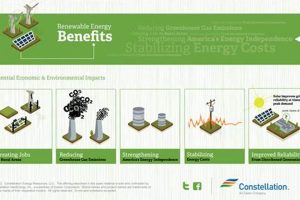
The transition to sustainable power offers numerous advantages. Reduced reliance on finite fossil fuels enhances energy security and price stability. Furthermore, these technologies often create new employment opportunities in manufacturing, installation, and maintenance. Historically, energy production has been a significant source of pollution. The move toward sustainable alternatives addresses this legacy by mitigating air and water pollution, contributing to healthier ecosystems and improved public health.
This discussion will delve further into specific technologies, exploring their unique characteristics, advantages, challenges, and potential contributions to a future powered by sustainable resources. Further analysis will examine the economic and geopolitical implications of this global energy transition.
Tips for Transitioning to Sustainable Energy
Implementing sustainable energy practices, whether at the residential, commercial, or national level, requires careful planning and execution. The following tips offer guidance for a successful transition.
Tip 1: Conduct a Thorough Energy Audit: Understanding current energy consumption patterns is crucial. An energy audit identifies areas of high energy use and potential savings, providing a baseline for measuring the effectiveness of implemented changes.
Tip 2: Prioritize Energy Efficiency: Before adopting new technologies, focus on reducing existing energy demands. Improvements in insulation, lighting, and appliance efficiency can significantly lower consumption.
Tip 3: Explore Suitable Renewable Options: Different regions are suited to different renewable resources. Consider factors like geographic location, climate, and available infrastructure when selecting appropriate technologies.
Tip 4: Understand the Lifecycle Costs: While initial investments in sustainable technologies might be higher, consider the long-term operational and maintenance costs, which are often lower than those associated with fossil fuel-based systems.
Tip 5: Investigate Financial Incentives: Many governments and organizations offer rebates, tax credits, and other financial incentives to encourage the adoption of sustainable energy practices. Research available programs to minimize upfront costs.
Tip 6: Plan for Integration with Existing Infrastructure: Integrating new technologies seamlessly with existing energy systems requires careful planning. Consult with experts to ensure compatibility and optimize performance.
Tip 7: Stay Informed About Technological Advancements: The field of sustainable energy is constantly evolving. Staying abreast of the latest innovations and advancements can help identify cost-effective and efficient solutions.
By embracing these strategies, individuals, businesses, and nations can contribute to a more sustainable energy future, reaping the benefits of reduced costs, improved environmental quality, and enhanced energy independence.
These tips offer a practical starting point for the transition to a more sustainable energy landscape. The following conclusion will synthesize these points and offer a perspective on the future of sustainable energy adoption.
1. Renewable Resources

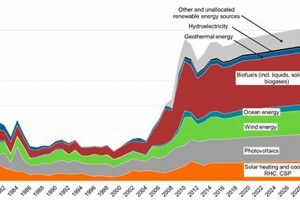
Renewable resources are fundamental to clean energy solutions, providing sustainable alternatives to finite fossil fuels. This connection stems from the inherent nature of renewable resources: they replenish naturally over time, minimizing environmental impact compared to the extraction and combustion of fossil fuels. Solar energy, derived from sunlight, offers a prime example. Photovoltaic cells convert sunlight directly into electricity, a process that produces no greenhouse gas emissions during operation. Wind energy, similarly, harnesses the kinetic energy of wind to generate electricity, contributing to a cleaner energy mix. These resources offer a pathway toward decarbonizing the energy sector and mitigating climate change.
The reliance on renewable resources for clean energy solutions has significant practical implications. For instance, distributed solar installations on rooftops empower individuals and communities to generate their own electricity, reducing reliance on centralized power grids and enhancing energy independence. Large-scale wind farms, often located in rural areas, can stimulate local economies through job creation and land lease agreements. Furthermore, the decreasing costs of renewable energy technologies are making them increasingly competitive with fossil fuels, accelerating the transition to a cleaner energy future. The development and deployment of renewable resources are crucial for achieving global climate goals and ensuring long-term energy security.
In conclusion, renewable resources represent an essential component of clean energy solutions. Their inherent sustainability and decreasing costs are driving a global shift toward cleaner energy production. While challenges remain, such as intermittency and grid integration, continued innovation and policy support are paving the way for a future powered by renewable resources, offering a pathway to a more sustainable and environmentally responsible energy landscape.
2. Technological Innovation

Technological innovation plays a crucial role in advancing clean energy solutions. Developments in areas such as energy storage, smart grids, and advanced materials directly impact the feasibility and effectiveness of renewable energy sources. For example, advancements in battery technology are essential for addressing the intermittent nature of solar and wind power, allowing for reliable energy access even when the sun isn’t shining or the wind isn’t blowing. Similarly, smart grid technologies optimize energy distribution, reducing waste and improving grid stability, which is critical for integrating variable renewable energy sources. The development of more efficient and durable photovoltaic cells and wind turbine blades directly translates into increased energy output and reduced costs, making renewable energy more competitive with traditional fossil fuels. This progress is driven by research and development in materials science, electrical engineering, and other related fields. Without continuous technological advancement, the transition to a clean energy future would face significant hurdles.
Specific examples illustrate this connection clearly. The development of solid-state batteries promises higher energy density and improved safety compared to conventional lithium-ion batteries, potentially revolutionizing electric vehicle technology and grid-scale energy storage. Artificial intelligence and machine learning are being applied to optimize the operation of wind farms, predicting wind patterns and adjusting turbine blade angles to maximize energy capture. Furthermore, innovations in materials science are leading to the development of perovskite solar cells, which offer the potential for higher efficiency and lower manufacturing costs compared to traditional silicon-based cells. These advancements are not merely incremental improvements but represent paradigm shifts that can significantly accelerate the adoption of clean energy solutions.
In conclusion, technological innovation is inextricably linked to the progress and success of clean energy solutions. Continuous advancements in energy storage, smart grids, and materials science are essential for overcoming the challenges associated with renewable energy sources and driving their widespread adoption. Further research and development in these areas will be critical for achieving a sustainable energy future, mitigating climate change, and ensuring long-term energy security. The ongoing pursuit of technological breakthroughs is not just a desirable aspect of the clean energy transition, but a fundamental necessity for its realization.
3. Economic Viability

Economic viability is a cornerstone of successful clean energy solutions. The long-term success of these solutions hinges on their ability to compete with traditional energy sources, not just environmentally, but also financially. This involves factors such as upfront investment costs, operational expenses, return on investment, and job creation potential. If clean energy technologies are significantly more expensive than fossil fuel-based alternatives, widespread adoption becomes challenging, even with environmental benefits considered. Therefore, achieving economic viability is essential for driving a sustainable transition to clean energy. This necessitates a focus on reducing technology costs, developing innovative financing mechanisms, and creating supportive policy frameworks. For instance, the declining cost of solar photovoltaic panels has made them a competitive option in many markets, demonstrating the importance of cost-competitiveness in driving adoption. Furthermore, government subsidies and tax incentives can play a significant role in improving the economic viability of clean energy projects, stimulating market growth and encouraging private investment. The creation of green jobs in manufacturing, installation, and maintenance of clean energy technologies also contributes to their overall economic viability and societal acceptance.
The interplay between economic viability and clean energy solutions can be observed in various real-world scenarios. The rise of electric vehicles, for example, is heavily dependent on battery costs and the availability of charging infrastructure. As battery technology improves and production costs decrease, electric vehicles become more affordable and accessible to a wider consumer base. Similarly, the development of offshore wind farms requires significant upfront investment, but the long-term operational costs are relatively low, leading to a favorable return on investment over the project’s lifespan. Government policies, such as carbon pricing or renewable energy mandates, can create a level playing field by internalizing the environmental costs of fossil fuels and making clean energy solutions more economically attractive. These examples demonstrate the complex interplay of technological advancements, market forces, and policy interventions in shaping the economic viability of clean energy solutions.
In conclusion, economic viability is not merely a desirable attribute but a fundamental requirement for the widespread adoption of clean energy solutions. Addressing the economic aspects of the energy transition requires a comprehensive approach involving technological innovation, smart financing mechanisms, and supportive policy frameworks. Overcoming economic barriers is crucial for unlocking the full potential of clean energy technologies, mitigating climate change, and ensuring a sustainable energy future. The continued focus on achieving and improving the economic viability of clean energy solutions is essential for a successful and just energy transition, one that benefits both the environment and the economy. Balancing environmental goals with economic realities remains a central challenge, requiring ongoing innovation and collaboration across all sectors.
4. Environmental Impact

Clean energy solutions are inextricably linked to environmental impact. The core purpose of transitioning to clean energy is to mitigate the detrimental effects of traditional energy production on the environment. This connection is rooted in the fundamental difference between clean energy sources, such as solar and wind, and fossil fuels. Burning fossil fuels releases greenhouse gases, contributing to climate change, air pollution, and other environmental problems. Clean energy sources, in contrast, produce minimal to no greenhouse gas emissions during operation. This reduction in emissions is the primary driver behind the push for clean energy adoption. Furthermore, clean energy technologies often have a smaller footprint in terms of land use and water consumption compared to traditional power plants, further minimizing their environmental impact. For instance, solar farms can be integrated into existing landscapes, such as rooftops or brownfields, minimizing land disturbance. The shift to electric vehicles powered by clean electricity reduces air pollution in urban areas, improving public health and air quality. Understanding this direct link between energy choices and environmental consequences is crucial for informed decision-making at individual, corporate, and governmental levels.
The practical significance of this connection is evident in numerous applications. The displacement of coal-fired power plants by wind and solar farms leads to measurable reductions in air pollutants like sulfur dioxide and nitrogen oxides, which contribute to acid rain and respiratory illnesses. Investing in public transportation systems powered by clean electricity reduces traffic congestion and greenhouse gas emissions in urban centers. Sustainable forestry practices, coupled with bioenergy production, can create a carbon-neutral energy source while promoting biodiversity. Furthermore, the transition to clean energy can have positive ripple effects throughout the economy and society. The creation of green jobs in the renewable energy sector stimulates economic growth, while improvements in air and water quality enhance public health and well-being. These examples highlight the interconnectedness of environmental impact and clean energy solutions, underscoring the importance of a holistic approach to sustainable development.
In summary, minimizing negative environmental impact is the central driving force behind the transition to clean energy solutions. The reduction of greenhouse gas emissions, decreased air and water pollution, and minimized land use are key benefits of adopting clean energy technologies. Understanding this connection is paramount for developing effective policies, making informed investment decisions, and fostering a sustainable energy future. While challenges remain in terms of cost, infrastructure development, and technological advancements, the pursuit of clean energy solutions remains crucial for mitigating climate change, protecting ecosystems, and ensuring a healthy planet for future generations. Continued focus on research, innovation, and policy implementation will be essential for navigating the complexities of the energy transition and realizing the full potential of clean energy solutions for a sustainable future.
5. Policy and Regulation

Policy and regulation form the bedrock upon which successful clean energy transitions are built. These governmental instruments provide the framework for incentivizing desired outcomes, directing investment, and ensuring a stable and transparent market for clean energy technologies. Effective policies and regulations are essential for overcoming market barriers, accelerating the adoption of clean energy solutions, and achieving national and international climate goals. Without a supportive regulatory environment, the transition to a clean energy future faces significant challenges. This exploration delves into key facets of policy and regulation that are instrumental in shaping the clean energy landscape.
- Incentivizing Renewable Energy Development
Governments employ various policy mechanisms to incentivize renewable energy development. These include feed-in tariffs, which guarantee a fixed price for renewable energy fed into the grid, tax credits and rebates for renewable energy installations, and renewable portfolio standards, which mandate a certain percentage of electricity generation from renewable sources. Such policies create a favorable investment climate, attracting private capital and accelerating the deployment of renewable energy technologies. Germany’s feed-in tariff program, for example, played a significant role in the country’s rapid expansion of solar photovoltaic capacity. These incentives, however, must be carefully designed to avoid unintended consequences, such as market distortions or excessive costs to consumers.
- Phasing Out Fossil Fuel Subsidies
Fossil fuel subsidies, which artificially lower the cost of fossil fuels, create an uneven playing field for clean energy technologies. Phasing out these subsidies is crucial for leveling the playing field and allowing clean energy to compete fairly. This can be achieved through gradual reductions in subsidies, coupled with targeted support for vulnerable populations to mitigate potential economic impacts. The redirection of these subsidies towards clean energy research and development can further accelerate the transition. However, political and economic resistance often hinders the implementation of such reforms, highlighting the complex interplay between policy, economics, and vested interests.
- Carbon Pricing Mechanisms
Carbon pricing mechanisms, such as carbon taxes or cap-and-trade systems, internalize the environmental cost of carbon emissions. By putting a price on carbon, these mechanisms incentivize businesses and consumers to reduce their carbon footprint, driving investments in clean energy solutions. The European Union Emissions Trading System (EU ETS) is an example of a cap-and-trade system that has contributed to emissions reductions in the power sector. The effectiveness of carbon pricing depends on factors such as the stringency of the price signal and the accompanying policy measures to mitigate potential regressive impacts on low-income households.
- International Cooperation and Agreements
International cooperation and agreements are essential for addressing the global challenge of climate change and promoting clean energy solutions. The Paris Agreement, for example, sets a framework for countries to collaborate on reducing greenhouse gas emissions and accelerating the transition to a low-carbon economy. International collaboration can facilitate technology transfer, knowledge sharing, and the harmonization of standards, enabling faster and more efficient deployment of clean energy technologies globally. However, achieving meaningful international cooperation requires overcoming geopolitical barriers and ensuring equitable participation from all countries.
These facets of policy and regulation are interconnected and mutually reinforcing. Effective clean energy policy requires a comprehensive approach that combines incentives for clean energy development with measures to address the challenges posed by fossil fuel dependence. Well-designed policies and regulations can create a stable and predictable market environment that attracts investment, fosters innovation, and ultimately drives the transition to a sustainable clean energy future. Achieving this requires ongoing evaluation, adaptation, and collaboration between governments, industry, and civil society to ensure that policies remain aligned with evolving technological and economic realities.
Frequently Asked Questions about Clean Energy Solutions
This section addresses common inquiries regarding the transition to sustainable energy systems, aiming to provide clear and concise information.
Question 1: What constitutes a clean energy solution?
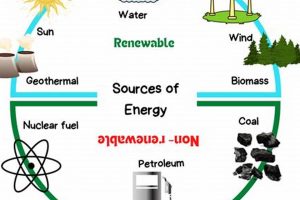
Clean energy solutions encompass technologies and practices that minimize environmental impact while generating power. These typically involve renewable resources like solar, wind, hydro, geothermal, and biomass, as well as strategies for enhancing energy efficiency.
Question 2: Are clean energy solutions reliable enough to meet global energy demands?
Advancements in energy storage technologies, coupled with smart grid management systems, are enhancing the reliability and stability of renewable energy sources, addressing concerns about intermittency and ensuring consistent power supply.
Question 3: How do the costs of clean energy solutions compare to traditional fossil fuel-based systems?
While initial investments in some clean energy technologies can be higher, declining costs of renewable energy technologies, coupled with long-term operational savings and potential environmental benefits, are increasingly making them economically competitive.
Question 4: What are the primary environmental benefits of transitioning to clean energy?
Transitioning to clean energy significantly reduces greenhouse gas emissions, mitigating climate change and improving air and water quality. This shift also minimizes reliance on finite fossil fuels, promoting greater energy independence and security.
Question 5: What role does policy play in promoting the adoption of clean energy solutions?
Supportive government policies, such as financial incentives, renewable portfolio standards, and carbon pricing mechanisms, are crucial for creating a favorable market environment and accelerating the widespread adoption of clean energy technologies.
Question 6: How can individuals contribute to the transition to clean energy?
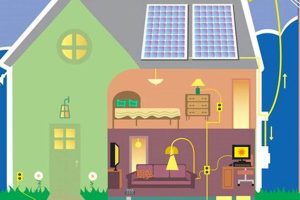
Individuals can contribute by adopting energy-efficient practices at home, supporting businesses committed to sustainability, and advocating for policies that promote clean energy development and adoption. Investing in renewable energy technologies for residential use, such as rooftop solar panels, also plays a significant role.
Understanding the benefits and addressing common concerns surrounding clean energy solutions are essential for fostering informed decision-making and driving a sustainable energy transition.
The subsequent section delves further into the specific types of clean energy solutions, exploring their unique characteristics and contributions to a more sustainable energy future.
Conclusion
This exploration has underscored the multifaceted nature of clean energy solutions, encompassing technological advancements, economic considerations, environmental benefits, and the crucial role of policy and regulation. From harnessing renewable resources like solar and wind to fostering innovation in energy storage and smart grid technologies, the path toward a sustainable energy future requires a concerted and comprehensive approach. The economic viability of clean energy solutions is increasingly evident, driven by declining costs and the long-term benefits of reduced reliance on finite fossil fuels. Moreover, the profound environmental advantages, including mitigating climate change and improving air and water quality, underscore the urgency of this transition. Supportive policies and regulations provide the essential framework for accelerating the adoption of clean energy technologies and achieving global climate goals.
The transition to clean energy solutions represents not merely a technological shift but a fundamental transformation of the global energy landscape. It demands sustained commitment, ongoing innovation, and collaborative efforts across all sectors of society. The future of energy hinges on embracing the potential of clean energy solutions, not just as a viable alternative but as an indispensable pathway toward a sustainable and prosperous future for all.