The commonwealth’s pursuit of sustainable power generation involves harnessing resources like solar, wind, hydroelectric, and biomass. For instance, rooftop solar installations on residential buildings contribute to the island’s energy mix, reducing reliance on traditional fossil fuels.
A shift towards sustainable power sources offers numerous advantages, including decreased dependence on imported fossil fuels, enhanced grid resilience, mitigation of climate change impacts, and potential economic growth through the development of a local green energy sector. Historically, the island has relied heavily on imported petroleum, resulting in vulnerability to price fluctuations and supply disruptions. This vulnerability was starkly highlighted by the devastation caused by Hurricane Maria in 2017, which crippled the existing power grid. This event underscored the urgent need for a more robust and decentralized energy system.
Further exploration will cover the current state of the island’s transition, the challenges faced in its implementation, and future prospects for achieving a fully sustainable energy system. Topics include government policies and incentives, private sector investment, community engagement, and the integration of renewable energy technologies into the existing infrastructure.
Tips for Supporting Sustainable Power in Puerto Rico
Individuals, businesses, and communities can contribute to the growth of sustainable power generation on the island. These actions can range from individual choices to broader community initiatives.
Tip 1: Invest in rooftop solar photovoltaic (PV) systems. Residential and commercial property owners can generate their own electricity and reduce their reliance on the traditional grid. Net metering programs can further incentivize these installations by allowing excess power to be fed back into the grid.
Tip 2: Support local businesses and initiatives focused on sustainable power. Choosing service providers who prioritize sustainable practices and advocating for policies that promote local generation strengthens the burgeoning clean energy sector.
Tip 3: Advocate for grid modernization and resilience. A modern, decentralized grid, designed to accommodate distributed generation from various renewable sources, is crucial for long-term energy security and reliability.
Tip 4: Participate in community solar projects. For those unable to install individual solar systems, community solar projects offer a means to benefit from clean energy generation through shared ownership or subscription models.
Tip 5: Reduce overall energy consumption. Implementing energy-efficient practices, such as using energy-saving appliances, improving insulation, and adopting smart home technologies, minimizes the overall demand for electricity.
Tip 6: Educate oneself and others about the benefits of sustainable power. Increased public awareness and understanding of the advantages of clean energy fosters wider adoption and support for related policies and initiatives.
Tip 7: Support research and development in renewable energy technologies. Investing in research and development can lead to more efficient and cost-effective solutions for harnessing the island’s renewable resources.
Through these collective efforts, the island can transition towards greater energy independence, a more stable grid, and a cleaner environment. These actions contribute to a more sustainable future for Puerto Rico.
By embracing these recommendations, the island can pave the way for a robust and resilient energy future powered by its abundant renewable resources. This transition represents not only an environmental imperative but also an opportunity for economic growth and enhanced community well-being.
1. Solar Power

Solar power presents a significant opportunity for Puerto Rico to reduce its dependence on imported fossil fuels and transition towards a more sustainable energy future. The island’s abundant sunshine makes it ideally suited for harnessing solar energy. Rooftop solar installations, both residential and commercial, offer a decentralized approach to power generation, enhancing grid resilience and reducing transmission losses. Utility-scale solar farms can further contribute to the island’s renewable energy portfolio. For example, projects like the Oriana Solar Farm demonstrate the potential of large-scale solar installations to generate substantial amounts of clean electricity. The decreasing cost of solar photovoltaic (PV) technology coupled with government incentives makes solar power an increasingly viable option for consumers and businesses.
The integration of solar power into Puerto Rico’s energy mix requires careful planning and grid modernization. Intermittency, the fluctuating nature of solar power generation due to weather conditions, necessitates strategies such as battery storage and grid management systems to ensure a stable and reliable electricity supply. Furthermore, workforce development and training programs are essential to support the growing solar industry and create employment opportunities. Practical applications include powering critical infrastructure like hospitals and schools with solar energy, increasing energy independence and community resilience.
Harnessing solar power is essential for Puerto Rico’s pursuit of a sustainable energy future. While challenges related to intermittency and grid integration remain, ongoing technological advancements and supportive policies continue to drive the expansion of solar energy. By maximizing its solar potential, the island can reduce its carbon footprint, stabilize energy costs, and create a more resilient and sustainable energy system. This focus on solar energy represents a vital component of the broader effort to transform Puerto Rico’s energy landscape and achieve long-term energy security.
2. Wind energy

Wind energy represents a significant component of Puerto Rico’s renewable energy portfolio, offering a pathway to reduce reliance on fossil fuels and enhance energy independence. The island’s geographical location, exposed to consistent trade winds, provides favorable conditions for harnessing wind power. Exploring the various facets of wind energy integration reveals its potential to contribute to a more sustainable and resilient energy future for the commonwealth.
- Resource Assessment and Site Selection
Accurate assessment of wind resources is crucial for identifying optimal locations for wind turbine installations. Factors such as wind speed, direction, and consistency are analyzed to maximize energy output. Coastal areas and higher elevations often present the most favorable wind conditions. Detailed studies and meteorological data analysis inform site selection decisions, ensuring the effectiveness and efficiency of wind energy projects. For example, areas along the northeastern coast have been identified as having high wind potential.
- Technology and Infrastructure
Advancements in wind turbine technology have increased efficiency and reduced costs, making wind energy more competitive with traditional power generation. Modern turbines are designed to operate effectively in various wind conditions. Grid integration and infrastructure development are essential for transmitting generated electricity to consumers. Upgrading existing transmission lines and substations ensures reliable delivery of wind power to the grid. For example, integrating wind farms into the existing grid infrastructure requires careful planning and investment.
- Environmental and Social Impact
While wind energy offers significant environmental benefits, potential impacts on wildlife, particularly birds and bats, must be carefully considered. Mitigation strategies, such as careful site selection and blade design, minimize these effects. Community engagement and public perception play a vital role in the successful implementation of wind energy projects. Addressing concerns related to noise and visual impact ensures community support and acceptance. For instance, community consultations and educational programs can address public concerns and foster support for wind energy projects.
- Economic Development and Job Creation
The development of wind energy projects generates economic activity and creates employment opportunities. Manufacturing, installation, maintenance, and operation of wind turbines require skilled labor. Local communities benefit from increased economic activity and job growth. Investing in workforce development programs ensures a qualified workforce to support the growing wind energy sector. For example, training programs for wind turbine technicians can provide local residents with valuable skills and employment prospects.
These facets of wind energy demonstrate its potential to contribute significantly to Puerto Rico’s renewable energy goals. By strategically developing wind power resources, the island can diversify its energy mix, reduce reliance on imported fossil fuels, and enhance grid resilience while fostering economic growth and creating job opportunities. Careful consideration of environmental and social impacts, coupled with community engagement, ensures the sustainable and responsible development of this valuable resource. Ultimately, wind energy plays a vital role in creating a more sustainable and secure energy future for Puerto Rico.
3. Hydroelectric Potential

Hydroelectric power presents a valuable, albeit limited, component within Puerto Rico’s renewable energy landscape. Leveraging the island’s topography and existing water resources offers opportunities to generate clean electricity and diversify the energy mix. Understanding the potential and limitations of hydroelectric power is crucial for effectively integrating it into the broader renewable energy strategy.
Existing hydroelectric facilities, such as the Caonillas Dam and Lago Dos Bocas, contribute to the island’s power generation. These facilities utilize stored water to generate electricity, offering a relatively stable and predictable energy source compared to intermittent renewables like solar and wind. However, the potential for expanding large-scale hydroelectric projects is constrained by limited suitable locations and environmental considerations. Run-of-river hydroelectric systems, which utilize the natural flow of rivers without requiring large reservoirs, offer a less impactful alternative, although their energy output is generally smaller. Integrating hydroelectric power with other renewable sources can enhance grid stability and reliability, balancing the intermittency of solar and wind power. For instance, hydroelectric facilities can provide backup power during periods of low solar or wind generation, ensuring a consistent electricity supply.
While hydroelectric power contributes to Puerto Rico’s renewable energy goals, its development requires careful assessment of environmental and social impacts. Potential impacts on aquatic ecosystems and water resources must be thoroughly evaluated and mitigated. Balancing the benefits of clean energy generation with the need to preserve ecological integrity is essential for sustainable hydroelectric development. Further research and exploration of innovative technologies, such as pumped hydroelectric storage, which can enhance grid flexibility and support greater integration of intermittent renewables, may unlock additional opportunities for utilizing hydroelectric potential within Puerto Rico’s energy future. Ultimately, strategic and responsible development of hydroelectric resources can contribute to a more diverse and resilient renewable energy portfolio for the island.
4. Biomass Utilization

Biomass utilization presents a unique opportunity within Puerto Rico’s renewable energy landscape, offering a pathway to convert organic matter into usable energy, reducing reliance on fossil fuels and promoting sustainable waste management practices. Exploring the potential of biomass resources, such as agricultural residues, forestry byproducts, and dedicated energy crops, reveals its potential to contribute to a diversified and resilient energy portfolio.
Agricultural residues, including sugarcane bagasse and pineapple waste, represent a readily available biomass resource in Puerto Rico. These residues can be converted into biofuels, such as ethanol and biodiesel, or used for direct combustion to generate electricity. Forestry byproducts, including wood chips and sawdust, offer another potential biomass source. Sustainable forestry practices, coupled with efficient collection and processing systems, can ensure a consistent supply of biomass feedstock. Dedicated energy crops, such as switchgrass and napier grass, can be cultivated specifically for energy production, providing a renewable and sustainable source of biomass. These crops can be grown on marginal lands, minimizing competition with food production. For example, pilot projects exploring the viability of cultivating and utilizing energy crops in Puerto Rico are underway, assessing their potential for large-scale implementation.
Biomass utilization offers several advantages, including reduced greenhouse gas emissions compared to fossil fuels, waste reduction through the utilization of organic materials, and potential for economic development in rural communities. However, challenges associated with biomass utilization include ensuring sustainable feedstock supply, minimizing environmental impacts associated with land use and biomass processing, and optimizing conversion technologies for efficiency and cost-effectiveness. Addressing these challenges through research, innovation, and supportive policies is crucial for realizing the full potential of biomass as a renewable energy source in Puerto Rico. Integrating biomass power generation into the existing grid infrastructure requires careful planning and investment. Ultimately, strategic and sustainable biomass utilization can contribute to a more diversified and resilient energy system, supporting Puerto Rico’s transition to a cleaner and more secure energy future.
5. Grid Modernization

Grid modernization is essential for effectively integrating renewable energy sources and achieving a sustainable energy future in Puerto Rico. The existing grid infrastructure, designed primarily for centralized fossil fuel-based power generation, requires significant upgrades to accommodate the distributed and intermittent nature of renewable resources like solar and wind. Modernizing the grid enhances its resilience, reliability, and efficiency, enabling greater penetration of renewable energy and supporting the island’s transition to a cleaner and more secure energy system.
- Distributed Generation Integration
Integrating distributed generation (DG), such as rooftop solar and small-scale wind turbines, requires advanced grid management systems. These systems must balance the fluctuating power supply from renewable sources with consumer demand. Smart inverters and grid monitoring technologies enable real-time control and optimization of power flow, ensuring grid stability and reliability. For example, advanced metering infrastructure (AMI) allows for dynamic pricing and demand response programs, incentivizing consumers to shift their energy usage to periods of high renewable generation.
- Energy Storage Solutions
Energy storage technologies, such as batteries and pumped hydroelectric storage, play a crucial role in mitigating the intermittency of renewable energy sources. Storing excess energy generated during periods of high renewable output and releasing it during periods of low generation ensures a consistent and reliable electricity supply. For instance, battery storage systems can be deployed at both the utility-scale and residential level to smooth out fluctuations in solar and wind power generation, enhancing grid stability.
- Microgrids and Enhanced Resilience
Developing microgrids, localized grids that can operate independently or connect to the main grid, enhances the resilience of the energy system, particularly in the face of extreme weather events. Microgrids powered by renewable sources can provide critical services during grid outages, ensuring continued power supply to essential facilities like hospitals and emergency shelters. For example, following Hurricane Maria, microgrids powered by solar and diesel generators provided essential services to communities isolated from the main grid.
- Advanced Grid Management and Control Systems
Implementing advanced grid management and control systems, including real-time monitoring, data analytics, and automation, optimizes grid operations and enables efficient integration of renewable energy. These systems provide real-time visibility into grid conditions, enabling operators to anticipate and respond to changes in supply and demand. For instance, predictive analytics can forecast renewable energy generation and optimize grid operations to maximize the utilization of clean energy resources.
These facets of grid modernization are interconnected and essential for maximizing the benefits of renewable energy in Puerto Rico. By investing in grid upgrades, the island can create a more resilient, reliable, and sustainable energy system, reducing reliance on fossil fuels, enhancing energy independence, and mitigating the impacts of climate change. A modernized grid enables greater penetration of renewable energy resources, unlocking their full potential and paving the way for a cleaner and more secure energy future.
6. Policy and Incentives
Government policies and incentives play a crucial role in driving the adoption of renewable energy technologies and achieving Puerto Rico’s sustainable energy goals. Establishing a supportive regulatory framework and providing financial incentives encourages investment in renewable energy projects, accelerates the transition away from fossil fuels, and fosters a robust and sustainable energy sector.
- Renewable Portfolio Standards (RPS)
RPS mandates require electricity suppliers to obtain a specific percentage of their electricity from renewable sources by a target date. These standards create a market demand for renewable energy, driving investment in projects and stimulating the growth of the renewable energy industry. Puerto Rico’s RPS, established in 2010 and subsequently strengthened, sets ambitious targets for renewable energy generation, creating a clear pathway for the development of the sector. For example, the current RPS requires 40% of electricity to come from renewable sources by 2025, with further increases targeted for subsequent years.
- Tax Credits and Rebates
Financial incentives, such as tax credits and rebates, reduce the upfront cost of installing renewable energy systems, making them more financially attractive to consumers and businesses. These incentives can significantly accelerate the adoption of technologies like rooftop solar, wind turbines, and energy storage systems. For example, federal tax credits, combined with local rebates and incentives, can significantly reduce the cost of installing solar PV systems, making them a more affordable option for homeowners and businesses in Puerto Rico.
- Net Metering and Interconnection Policies
Net metering policies allow renewable energy system owners to sell excess electricity generated back to the grid, offsetting their energy bills and further incentivizing renewable energy adoption. Streamlined interconnection processes simplify the process of connecting renewable energy systems to the grid, reducing administrative barriers and facilitating faster project deployment. For instance, clear interconnection standards and procedures reduce the time and cost associated with connecting rooftop solar systems to the grid, encouraging greater participation by homeowners.
- Government Grants and Funding Programs
Government grants and funding programs provide financial support for renewable energy research, development, and deployment. These programs can help accelerate the development of innovative renewable energy technologies and support pilot projects that demonstrate the feasibility of new approaches. For example, government funding can support research into advanced energy storage technologies, grid modernization initiatives, and the development of community-based renewable energy projects, fostering innovation and driving the growth of the renewable energy sector in Puerto Rico.
These policies and incentives, working in concert, create a supportive environment for the development and deployment of renewable energy technologies in Puerto Rico. By establishing clear targets, providing financial incentives, streamlining regulatory processes, and supporting innovation, the government can effectively accelerate the transition to a sustainable energy future, reducing reliance on fossil fuels, enhancing energy independence, and creating economic opportunities in the renewable energy sector. These measures are crucial for achieving Puerto Rico’s renewable energy goals and building a more resilient and sustainable energy system for the island.
7. Community engagement

Community engagement plays a vital role in the successful transition to renewable energy in Puerto Rico. Fostering public support, addressing concerns, and ensuring equitable access to the benefits of renewable energy are crucial for achieving a just and sustainable energy transformation. Active community participation strengthens the foundation for a resilient and community-driven renewable energy future.
- Education and Awareness
Educating communities about the benefits of renewable energy, addressing misconceptions, and fostering a clear understanding of the technologies involved are essential for building public support. Workshops, public forums, and educational materials can empower community members to make informed decisions and actively participate in the transition. For example, community-based organizations can host workshops explaining the benefits of rooftop solar and energy efficiency measures, empowering residents to take action. Increased awareness fosters greater acceptance and accelerates the adoption of renewable energy technologies.
- Local Ownership and Control
Promoting community ownership and control of renewable energy projects ensures that the benefits of the energy transition are shared equitably. Community solar projects, cooperative ownership models, and local investment opportunities empower communities to directly participate in and benefit from renewable energy development. For instance, community-owned solar farms can provide affordable clean energy to local residents while generating economic benefits for the community. This fosters a sense of ownership and ensures that the energy transition benefits all members of the community.
- Addressing Concerns and Building Trust
Open communication and transparent engagement with communities are crucial for addressing concerns about renewable energy projects, such as visual impacts, land use, and potential environmental effects. Building trust through meaningful dialogue and participatory decision-making processes ensures that community perspectives are considered and integrated into project development. For example, conducting environmental impact assessments and engaging in open dialogue with community members about potential impacts builds trust and facilitates the responsible development of renewable energy projects.
- Workforce Development and Job Creation
Investing in workforce development and training programs equips community members with the skills needed to participate in the growing renewable energy sector. Creating local job opportunities in areas such as solar installation, wind turbine maintenance, and energy efficiency retrofits ensures that the economic benefits of the energy transition are shared within the community. For example, vocational training programs focused on solar installation and maintenance can provide local residents with valuable skills and employment opportunities, contributing to economic development within the community. This fosters economic empowerment and ensures that the energy transition creates sustainable livelihoods.
These facets of community engagement highlight its central role in achieving a successful and equitable renewable energy transition in Puerto Rico. By prioritizing education, local ownership, open communication, and workforce development, the island can build a sustainable energy future that benefits all members of the community. This collaborative approach strengthens the foundation for a resilient, community-driven energy system that empowers residents and fosters long-term sustainability. It also ensures that the transition to renewable energy aligns with the needs and priorities of the communities it serves, fostering a sense of shared responsibility and creating a more just and sustainable energy future for all.
Frequently Asked Questions about Renewable Energy in Puerto Rico
This section addresses common inquiries regarding the transition to renewable energy resources in Puerto Rico. Understanding these key aspects is crucial for fostering informed discussions and promoting effective implementation of sustainable energy solutions.
Question 1: What are the primary renewable energy sources being pursued in Puerto Rico?
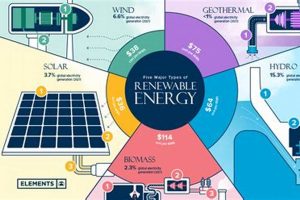
The commonwealth is focusing on solar, wind, hydroelectric, and biomass resources to diversify its energy mix and reduce reliance on fossil fuels. Each resource offers unique advantages and faces distinct challenges related to resource availability, technological feasibility, and integration into the existing grid infrastructure.
Question 2: How will renewable energy improve grid resilience and reliability?
Distributed generation from renewable sources, coupled with grid modernization efforts, enhances resilience by reducing dependence on centralized power plants. Microgrids and energy storage solutions further improve reliability, particularly during extreme weather events, ensuring continued power supply to critical infrastructure and communities. Decentralized renewable energy systems are less susceptible to widespread outages caused by damage to centralized facilities, like those experienced during Hurricane Maria.
Question 3: What are the economic benefits of transitioning to renewable energy?
Transitioning to renewable energy creates economic opportunities through the development of a local green energy sector, fostering job growth in areas such as manufacturing, installation, maintenance, and operation of renewable energy technologies. Reduced reliance on imported fossil fuels stabilizes energy costs and redirects financial resources towards local economic development. Further, investments in renewable energy infrastructure attract private sector capital and stimulate economic activity.
Question 4: How does renewable energy contribute to environmental sustainability?
Renewable energy sources produce little to no greenhouse gas emissions, mitigating the impacts of climate change and improving air quality. Utilizing sustainable resources like solar and wind power reduces dependence on finite fossil fuels, promoting long-term environmental sustainability and preserving natural resources for future generations. The transition to renewable energy aligns with global efforts to mitigate climate change and promotes a healthier environment for all.
Question 5: What role does community engagement play in the renewable energy transition?
Community engagement ensures that the benefits of renewable energy are shared equitably and that projects align with community needs and priorities. Public participation in planning and decision-making processes, coupled with educational initiatives, fosters acceptance and promotes successful implementation of renewable energy projects. Community ownership models and workforce development programs further empower local communities and ensure equitable participation in the energy transition. Empowered communities are key to driving the sustainable transformation of the energy sector.
Question 6: What policies and incentives are in place to support renewable energy development?
Renewable Portfolio Standards (RPS), tax credits, rebates, net metering policies, and government funding programs incentivize investment in renewable energy projects and accelerate the transition away from fossil fuels. These policy mechanisms create a supportive regulatory framework and provide financial incentives for individuals, businesses, and communities to adopt renewable energy technologies. Supportive policies are essential for driving market transformation and achieving renewable energy targets. A combination of regulatory mandates and financial incentives accelerates the adoption of renewable energy technologies and drives market growth.
Understanding these key aspects is crucial for fostering informed discussions, promoting effective policies, and ensuring a successful and equitable transition to a renewable energy future in Puerto Rico. Addressing these common inquiries clarifies the path towards a sustainable and resilient energy system for the island.
The subsequent sections will delve into specific renewable energy technologies and explore their respective roles within Puerto Rico’s energy landscape.
Puerto Rico Renewable Energy
This exploration of Puerto Rico’s renewable energy landscape has highlighted the critical importance of transitioning to sustainable power sources. The examination encompassed the potential of solar, wind, hydroelectric, and biomass resources, along with the crucial roles of grid modernization, supportive policies, and community engagement. The analysis underscored the interconnectedness of these elements in achieving a resilient, sustainable, and equitable energy future for the island. Addressing challenges related to intermittency, grid integration, and community acceptance requires a multifaceted approach encompassing technological advancements, policy support, and public awareness.
The pursuit of renewable energy represents not merely a technological shift but a fundamental step towards greater energy independence, economic stability, and environmental stewardship. Continued investment in renewable energy infrastructure, coupled with robust policy frameworks and community partnerships, will pave the way for a brighter and more sustainable future for Puerto Rico. The transition to renewable energy offers a transformative opportunity to reshape the island’s energy landscape, fostering resilience, economic growth, and a healthier environment for generations to come. The time for decisive action is now.