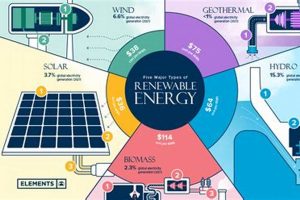
The Inflation Reduction Act (IRA) significantly impacts the clean energy sector through various incentives, including tax credits and rebates for renewable energy projects and technologies. For example, homeowners can receive tax credits for installing solar panels or geothermal heat pumps, while businesses can benefit from incentives for investing in large-scale renewable energy generation. This legislation aims to accelerate the transition toward sustainable energy solutions.
Promoting sustainable energy development offers numerous advantages, such as reduced greenhouse gas emissions, enhanced energy independence, and the creation of green jobs. Historically, the cost of renewable energy technologies presented a barrier to widespread adoption. The IRA addresses this challenge directly by providing financial support, thereby fostering innovation and market growth within the renewable energy sector. This is a critical step in combating climate change and ensuring a more sustainable future.
This foundational understanding of the IRA’s impact on renewable energy allows for a deeper exploration of its specific provisions and implications. The following sections will delve into specific technologies affected by the legislation, analyze its potential impact on different market segments, and discuss the broader economic and environmental consequences.
Tips for Maximizing Inflation Reduction Act Benefits for Renewable Energy
Navigating the Inflation Reduction Act’s provisions for renewable energy can be complex. These tips offer guidance for individuals and businesses seeking to leverage the legislation effectively.
Tip 1: Research Applicable Incentives: Thoroughly investigate the specific incentives available for chosen renewable energy technologies. Eligibility criteria and incentive amounts can vary significantly.
Tip 2: Consult with Qualified Professionals: Seek advice from tax professionals, energy consultants, or contractors specializing in renewable energy installations. Professional guidance can ensure compliance and maximize returns.
Tip 3: Consider Long-Term Energy Needs: Evaluate current and projected energy consumption when selecting renewable energy solutions. Accurate assessments optimize system sizing and cost-effectiveness.
Tip 4: Explore Financing Options: Investigate available financing options, such as loans or leases, to manage upfront costs associated with renewable energy investments.
Tip 5: Understand Local Regulations: Familiarize oneself with local building codes, permitting processes, and interconnection requirements for renewable energy systems.
Tip 6: Compare Quotes from Multiple Installers: Obtain quotes from several reputable installers to ensure competitive pricing and quality workmanship.
Tip 7: Monitor Project Progress: Closely monitor the installation or implementation process to ensure adherence to timelines and quality standards.
By following these tips, consumers and businesses can effectively leverage the Inflation Reduction Act to achieve significant cost savings, reduce environmental impact, and contribute to a more sustainable energy future.
With these practical considerations in mind, one can now move toward a comprehensive understanding of the overall impact of the Inflation Reduction Act on the renewable energy landscape.
1. Tax Credits

Tax credits are a cornerstone of the Inflation Reduction Act’s strategy to promote renewable energy adoption and development. These financial incentives significantly reduce the cost of transitioning to cleaner energy sources, making them more accessible and financially attractive for individuals, businesses, and industries.
- Investment Tax Credit (ITC)
The ITC offers a substantial tax credit for investments in eligible renewable energy technologies, including solar, wind, geothermal, and battery storage. This credit incentivizes both residential and commercial adoption of these technologies, directly contributing to market growth and emissions reductions. For instance, a business investing in a new solar farm can claim a significant portion of the project’s cost as a tax credit, thereby improving the project’s financial viability.
- Production Tax Credit (PTC)
The PTC provides a per-kilowatt-hour tax credit for electricity generated from eligible renewable energy sources, such as wind and solar. This credit supports the ongoing operation of renewable energy facilities, ensuring their long-term financial stability and continued contribution to clean energy generation. A wind farm operating under the PTC receives a credit for every kilowatt-hour of electricity it produces, further incentivizing clean energy production.
- Residential Clean Energy Credit
This credit encourages homeowners to invest in renewable energy solutions for their homes. It covers a percentage of the cost of installing eligible technologies, such as solar panels, wind turbines, and geothermal heat pumps. This fosters wider adoption of clean energy within the residential sector, reducing reliance on fossil fuels at the household level. A homeowner installing solar panels can reduce their tax burden while simultaneously reducing their carbon footprint.
- Advanced Energy Project Credit
This credit supports investments in advanced energy projects, including carbon capture, utilization, and storage (CCUS) technologies, as well as clean hydrogen production. By incentivizing innovation in these critical areas, the credit contributes to the development and deployment of essential technologies for decarbonizing industries and achieving ambitious climate goals. Investment in a CCUS project at a power plant, for example, can benefit from this credit, promoting cleaner electricity generation.
These tax credits, collectively, play a crucial role in accelerating the transition to a cleaner energy future. By lowering the cost of renewable energy technologies and promoting innovation in related fields, they drive market growth, create jobs, reduce greenhouse gas emissions, and enhance energy security. This comprehensive approach positions tax credits as a vital tool in achieving a sustainable and resilient energy system.
2. Clean Energy Incentives

Clean energy incentives within the Inflation Reduction Act (IRA) represent a crucial mechanism for accelerating the adoption and deployment of renewable energy technologies. These incentives, primarily implemented through tax credits, grants, and rebates, directly reduce the cost of renewable energy projects, making them more financially viable for businesses, homeowners, and utilities. This financial support stimulates market growth by encouraging investment in renewable energy infrastructure and manufacturing. For instance, the IRA’s production tax credit (PTC) incentivizes wind and solar energy generation by providing a per-kilowatt-hour tax credit, effectively lowering the cost of electricity produced from these sources and making them more competitive with fossil fuels. Similarly, the investment tax credit (ITC) encourages investment in renewable energy projects by offering a significant tax credit based on project costs, further driving deployment across various sectors.
The strategic implementation of clean energy incentives serves as a catalyst for broader economic and environmental benefits. The growth of the renewable energy sector creates new job opportunities in manufacturing, installation, maintenance, and research. Furthermore, increased reliance on renewable energy sources reduces greenhouse gas emissions, contributing to cleaner air and a healthier environment. A practical example is the development of utility-scale solar projects spurred by the ITC. These projects not only generate clean electricity but also create local jobs and contribute to regional economic growth. The IRA’s emphasis on domestic manufacturing of clean energy components further amplifies these economic benefits by strengthening domestic supply chains and reducing reliance on imported materials.
The effectiveness of clean energy incentives within the IRA relies on careful design and implementation. Challenges such as fluctuating energy prices, evolving technology landscapes, and regulatory complexities require ongoing monitoring and adjustments. Understanding the interplay between these incentives and market dynamics is critical for ensuring the long-term success of the IRA’s clean energy goals. By fostering innovation, driving market growth, and promoting equitable access to clean energy technologies, these incentives lay the foundation for a more sustainable and resilient energy future.
3. Investment Growth

The Inflation Reduction Act (IRA) is designed to spur significant investment growth within the renewable energy sector. The legislation’s various mechanisms, including tax credits, grants, and loan programs, directly reduce the financial barriers associated with renewable energy projects. This incentivizes private sector investment in technologies such as solar, wind, geothermal, and battery storage. The resulting influx of capital accelerates the development and deployment of these technologies, fostering market expansion and creating a positive feedback loop for further investment. For example, the IRA’s Investment Tax Credit (ITC) significantly reduces the upfront cost of installing solar panels for businesses, making such investments more attractive and financially viable, leading to increased solar energy adoption and further stimulating demand for solar panel manufacturing.
The connection between IRA-driven investment and the growth of the renewable energy sector has several important implications. Increased investment translates into technological advancements, driving down the cost of renewable energy technologies and making them increasingly competitive with traditional fossil fuels. This fosters innovation and accelerates the transition towards a cleaner energy future. Moreover, investment growth in renewable energy creates jobs across various sectors, from manufacturing and installation to maintenance and research, contributing to economic development and stimulating local economies. The construction of large-scale wind farms, for example, requires significant investment, leading to job creation in rural communities and boosting local economies.
Understanding the dynamics of investment growth within the context of the IRA is crucial for policymakers, investors, and businesses alike. While the IRA provides a strong framework for incentivizing investment, ongoing monitoring and evaluation are essential to ensure its long-term effectiveness. Factors such as fluctuating energy prices, technological advancements, and global market dynamics can influence investment decisions and require adaptive policy responses. Navigating these complexities effectively is essential for maximizing the IRA’s potential to drive sustainable investment growth and accelerate the transition to a clean energy economy.
4. Emissions Reductions

The Inflation Reduction Act (IRA) establishes a critical link between renewable energy development and emissions reductions. By incentivizing the adoption and deployment of clean energy technologies, the IRA aims to significantly curb greenhouse gas emissions, a primary driver of climate change. The legislation’s mechanisms, including tax credits, grants, and loan programs, make renewable energy projects more financially attractive, leading to increased investment and deployment. This shift towards renewable energy sources, such as solar, wind, and geothermal, displaces fossil fuel-based electricity generation, resulting in lower carbon emissions. For instance, as utility companies invest in large-scale solar farms incentivized by the IRA’s Investment Tax Credit (ITC), they reduce their reliance on coal-fired power plants, consequently lowering their overall carbon footprint.
The emphasis on emissions reductions within the IRA framework has profound environmental and economic consequences. Reduced greenhouse gas emissions contribute to mitigating the effects of climate change, including rising global temperatures, extreme weather events, and sea-level rise. Furthermore, the transition to a cleaner energy economy fostered by the IRA stimulates innovation, creates jobs in the renewable energy sector, and enhances energy independence. Consider the growth of the electric vehicle (EV) market spurred by IRA tax credits. Increased EV adoption reduces transportation emissions and creates demand for charging infrastructure powered by renewable energy, further accelerating the clean energy transition.
Successfully achieving the emissions reductions targets outlined in the IRA requires a multifaceted approach. While financial incentives are crucial, complementary policies addressing grid modernization, energy storage solutions, and transmission infrastructure are essential for maximizing the impact of renewable energy deployment. Furthermore, ongoing monitoring, evaluation, and adaptive policy adjustments are necessary to navigate evolving technological landscapes, market dynamics, and global climate goals. The IRA’s focus on emissions reductions, coupled with supportive policies and ongoing evaluation, lays the groundwork for a sustainable, resilient, and low-carbon future. Successfully addressing the complex interplay of these factors is paramount for achieving meaningful and lasting emissions reductions.
5. Technological Innovation
The Inflation Reduction Act (IRA) fosters a crucial link between renewable energy and technological innovation. By incentivizing investment and deployment of clean energy technologies, the IRA accelerates the pace of innovation across the sector. This, in turn, drives down costs, improves efficiency, and expands the range of available renewable energy solutions. Understanding this connection is critical for assessing the long-term impact of the IRA on the energy landscape.
- Next-Generation Solar Cells
Research and development of advanced solar cell technologies, such as perovskite and multi-junction solar cells, are crucial for enhancing efficiency and reducing manufacturing costs. Perovskite solar cells, for example, offer the potential for higher efficiencies and lower production costs compared to traditional silicon-based cells. IRA incentives can accelerate the commercialization of these next-generation technologies, leading to more efficient and cost-effective solar energy generation.
- Advanced Energy Storage Solutions
Improved energy storage technologies are essential for addressing the intermittency of renewable energy sources like solar and wind. Advanced battery chemistries, flow batteries, and pumped hydro storage systems are examples of innovations that can enhance grid stability and reliability. The IRA’s support for energy storage projects can accelerate the development and deployment of these technologies, enabling greater integration of renewable energy into the electricity grid. For example, funding for grid-scale battery storage projects can facilitate more reliable use of solar and wind power, even during periods of low sunlight or wind.
- Smart Grid Technologies
Smart grid technologies optimize energy distribution and consumption, enhancing the efficiency and reliability of the electricity grid. Advanced sensors, communication networks, and data analytics enable real-time monitoring and control of energy flows, improving grid stability and facilitating greater integration of renewable energy sources. IRA support for grid modernization initiatives can accelerate the adoption of smart grid technologies, further enhancing the efficiency and resilience of the energy system. Real-time monitoring of energy demand, for example, can enable dynamic pricing and demand response programs, optimizing energy use and reducing strain on the grid.
- Green Hydrogen Production
Green hydrogen, produced using renewable energy sources, has the potential to decarbonize sectors like transportation, industry, and heating. Technological advancements in electrolyzer technology, hydrogen storage, and fuel cell development are crucial for realizing the potential of green hydrogen. IRA incentives for green hydrogen production can drive innovation and cost reductions in this emerging sector, paving the way for a wider range of clean energy applications. Investment in electrolyzer manufacturing, for instance, can reduce the cost of producing green hydrogen, making it a more competitive fuel source for heavy-duty transportation and industrial processes.
These examples underscore the profound impact of the IRA on technological innovation within the renewable energy sector. By stimulating investment, fostering research and development, and accelerating the deployment of new technologies, the IRA lays the foundation for a more sustainable, efficient, and resilient energy future. The continued interplay between policy support and technological advancement is crucial for realizing the full potential of renewable energy and achieving long-term climate goals. Further exploration of these interconnected dynamics is essential for understanding the evolving energy landscape and navigating the path towards a decarbonized future.
6. Job Creation
The Inflation Reduction Act (IRA) and its impact on renewable energy are intrinsically linked to job creation. The legislation’s focus on clean energy technologies stimulates economic activity and employment opportunities across various sectors. Understanding this connection is crucial for assessing the broader economic implications of the IRA.
- Manufacturing
Increased demand for renewable energy technologies like solar panels, wind turbines, and batteries creates manufacturing jobs. The IRA’s emphasis on domestic manufacturing further strengthens this effect, leading to the expansion of existing factories and the establishment of new production facilities within the United States. This growth in manufacturing directly translates into new employment opportunities for skilled workers, engineers, and technicians. For example, the production of solar panels requires specialized manufacturing processes, creating demand for skilled labor in factories producing these components.
- Installation and Maintenance
The deployment of renewable energy technologies necessitates skilled labor for installation and maintenance. As more solar panels, wind turbines, and energy storage systems are installed, the demand for technicians, electricians, and engineers specializing in these areas increases. This creates a ripple effect throughout the economy, supporting local businesses and communities. The installation of rooftop solar panels, for example, requires certified installers, creating job opportunities in residential areas across the country. Ongoing maintenance and repair of these systems further contribute to sustained employment in these fields.
- Research and Development
The IRA’s focus on clean energy innovation stimulates research and development activities. Scientists, engineers, and researchers are needed to develop next-generation renewable energy technologies, improve energy storage solutions, and enhance grid integration. This investment in R&D not only fosters technological advancements but also creates high-skilled jobs in research institutions, universities, and private companies. For example, research into more efficient battery technologies creates job opportunities for chemists, materials scientists, and engineers specializing in energy storage solutions.
- Supply Chain and Logistics
The growth of the renewable energy sector creates jobs in related industries, such as supply chain management and logistics. The transportation, warehousing, and distribution of renewable energy components and materials require skilled workers, truck drivers, and logistics professionals. This interconnectedness between sectors further amplifies the job creation potential of the IRA. As demand for renewable energy components increases, so does the need for efficient and reliable supply chain networks, creating job opportunities in logistics, transportation, and warehousing.
These facets of job creation highlight the significant economic impact of the IRA’s focus on renewable energy. The legislation not only contributes to a cleaner energy future but also stimulates economic growth and creates diverse employment opportunities across various sectors. This interconnectedness between clean energy development and economic prosperity reinforces the importance of the IRA as a driver of both environmental sustainability and economic development. Further exploration of these linkages is essential for understanding the full scope of the IRA’s impact on the economy and the workforce.
7. Energy Independence

The Inflation Reduction Act (IRA) significantly contributes to enhanced energy independence through its focus on renewable energy development. By incentivizing domestic production and deployment of clean energy technologies, the IRA reduces reliance on foreign energy sources. This shift towards domestically generated renewable energy strengthens national energy security, mitigates vulnerabilities to global energy price fluctuations, and reduces dependence on potentially unstable international supply chains. For example, increased domestic manufacturing of solar panels and wind turbines, stimulated by IRA tax credits, reduces dependence on imported energy components and strengthens domestic supply chains, enhancing energy independence. Furthermore, investments in grid modernization and energy storage, supported by the IRA, enhance the reliability and resilience of the domestic energy infrastructure, further bolstering energy security. This reduces reliance on foreign energy sources for grid stability and ensures a consistent energy supply even during periods of geopolitical instability.
The pursuit of energy independence within the IRA framework has broader economic and geopolitical implications. Reduced reliance on foreign energy imports improves the national trade balance and strengthens the domestic economy. It also enhances national security by mitigating vulnerabilities to energy supply disruptions caused by international conflicts or political instability. Moreover, the transition to renewable energy sources reduces reliance on fossil fuels, which are often concentrated in politically volatile regions. For instance, a shift towards domestically generated wind and solar power reduces dependence on imported oil and natural gas, mitigating the economic and security risks associated with relying on foreign fossil fuel suppliers. This enhanced energy independence provides greater flexibility in foreign policy and strengthens the nation’s position in international affairs.
The connection between the IRA, renewable energy, and energy independence represents a strategic investment in long-term national security and economic stability. While challenges remain in terms of infrastructure development, technological advancements, and workforce training, the IRA provides a crucial framework for achieving greater energy independence. Continued investment in renewable energy research, development, and deployment, coupled with supportive policies and international cooperation, is essential for realizing the full potential of the IRA and ensuring a secure and sustainable energy future. This strategic approach strengthens national resilience, mitigates climate change risks, and positions the nation as a leader in the global transition to clean energy.
Frequently Asked Questions about IRA Renewable Energy
This section addresses common inquiries regarding the Inflation Reduction Act’s impact on renewable energy, providing clarity on key aspects of the legislation.
Question 1: How does the IRA incentivize renewable energy development?
The IRA employs various financial incentives, including tax credits, grants, and loan programs, to encourage investment in and adoption of renewable energy technologies. These incentives reduce the cost of renewable energy projects, making them more financially viable for individuals, businesses, and utilities.
Question 2: What specific technologies are eligible for IRA benefits?
Eligible technologies include solar, wind, geothermal, hydropower, biomass, hydrogen, and energy storage solutions. Specific eligibility criteria and incentive amounts vary depending on the technology and project type.
Question 3: Are there specific provisions for homeowners within the IRA?
Yes, the IRA includes tax credits and rebates for homeowners who invest in renewable energy upgrades, such as solar panels, heat pumps, and energy-efficient appliances. These incentives reduce the upfront cost of these improvements and promote residential adoption of clean energy technologies.
Question 4: How does the IRA impact energy storage solutions?
The IRA recognizes the critical role of energy storage in enabling greater reliance on intermittent renewable energy sources like solar and wind. The legislation provides incentives for investments in energy storage technologies, including batteries and pumped hydro storage, to enhance grid stability and reliability.
Question 5: Does the IRA address domestic manufacturing of renewable energy components?
Yes, the IRA includes provisions aimed at boosting domestic manufacturing of clean energy technologies and components. These provisions aim to strengthen domestic supply chains, create jobs within the United States, and reduce reliance on imported clean energy products.
Question 6: What are the long-term implications of the IRA for the renewable energy sector?
The IRA is expected to accelerate the transition to a cleaner energy future by driving significant growth in the renewable energy sector. This growth is anticipated to result in increased emissions reductions, enhanced energy independence, job creation, and technological innovation across the energy industry.
Understanding these key aspects of the IRA is crucial for effectively navigating the evolving renewable energy landscape. Consulting with qualified professionals, such as tax advisors and energy consultants, can provide tailored guidance based on individual circumstances and project specifics.
For a more detailed analysis of the IRA’s impact on specific renewable energy technologies and market segments, continue to the following sections.
Conclusion
This exploration has outlined the multifaceted impact of the Inflation Reduction Act on the renewable energy landscape. From tax incentives and investment growth to emissions reductions and technological innovation, the legislation’s influence is substantial and far-reaching. The IRA’s emphasis on domestic manufacturing strengthens supply chains, creating jobs and bolstering energy independence. Clean energy incentives drive market expansion and accelerate the transition toward a more sustainable energy future. The interconnectedness of these elements underscores the IRA’s comprehensive approach to reshaping the energy sector.
The long-term success of the IRA hinges on ongoing monitoring, adaptive policy adjustments, and sustained commitment to innovation. Navigating the complexities of the evolving energy landscape requires collaborative efforts from policymakers, industry stakeholders, and researchers. The IRA represents a pivotal moment in the pursuit of a cleaner, more secure, and sustainable energy future. Its ultimate effectiveness will depend on the collective commitment to realizing its full potential. The transition to a resilient and decarbonized energy system requires continued investment, innovation, and a shared vision for a sustainable future.