East Texas possesses a diverse portfolio of naturally replenishing power sources, including solar, wind, and biomass energy. Harnessing the region’s abundant sunshine offers a clean and sustainable alternative to traditional fossil fuels. Similarly, the region’s wind resources can be captured by turbines to generate electricity. Biomass energy, derived from organic matter like wood and agricultural residues, provides another avenue for sustainable power generation within the region.
Developing these resources offers significant economic and environmental advantages. Clean power generation reduces reliance on finite resources, mitigates air pollution, and contributes to a healthier environment. Moreover, investments in these sectors can stimulate job growth and diversify the local economy. Historically, East Texas has relied heavily on fossil fuels. However, the increasing affordability and efficiency of sustainable alternatives present a unique opportunity to transition towards a more sustainable energy future.
This exploration will delve further into specific resources, discussing the current state of development, potential challenges, and future prospects for clean power in East Texas. Specific technologies employed, policy implications, and the role of community engagement will also be addressed.
Tips for Supporting Sustainable Power in East Texas
Promoting the growth of clean power sources requires informed action at various levels. These tips provide guidance for individuals, businesses, and communities seeking to contribute to a more sustainable energy future in East Texas.
Tip 1: Invest in Energy-Efficient Appliances: Choosing appliances with high energy efficiency ratings reduces overall electricity consumption, lowering demand on the power grid and supporting the transition to cleaner sources.
Tip 2: Explore Rooftop Solar Installations: Homes and businesses can generate their own clean electricity by installing solar panels. Net metering programs can further incentivize solar adoption by allowing excess energy to be fed back into the grid.
Tip 3: Support Local Policies that Encourage Clean Power: Advocating for policies that promote the development and adoption of sustainable power sources is crucial for creating a favorable environment for clean energy growth.
Tip 4: Engage with Community Initiatives: Participate in local sustainability programs, workshops, and advocacy groups to foster awareness and drive collective action towards clean energy goals.
Tip 5: Research and Compare Clean Energy Providers: Consumers can choose electricity plans from providers that prioritize renewable energy sources, directly supporting the growth of clean power generation in the region.
Tip 6: Reduce Overall Energy Consumption: Implementing simple energy-saving practices, such as using natural light and reducing heating/cooling needs, lessens the environmental impact and supports the transition to sustainable power.
Tip 7: Stay Informed About Clean Energy Developments: Keeping abreast of advancements in clean energy technologies, policy changes, and local initiatives empowers individuals to make informed decisions and contribute effectively to a sustainable energy future.
By embracing these strategies, residents and businesses can actively contribute to a more resilient and environmentally responsible energy landscape in East Texas. These collective efforts are essential for maximizing the economic and environmental benefits of clean power generation.
The transition to a cleaner energy future in East Texas requires a concerted effort from all stakeholders. The following concluding remarks will summarize the key opportunities and challenges ahead.
1. Solar Power
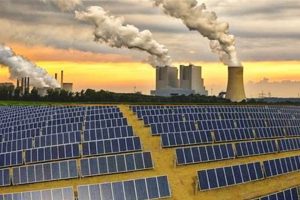
Solar power represents a significant component of the renewable energy landscape in East Texas. The region’s abundant sunshine offers substantial potential for harnessing solar energy. This potential translates into opportunities for both large-scale solar farms and distributed rooftop solar installations. The increasing affordability and efficiency of photovoltaic technology further enhance the viability of solar power as a key contributor to the region’s energy mix. For instance, the construction of large solar farms in areas with high solar irradiance can generate substantial amounts of clean electricity, feeding into the local power grid. Similarly, residential and commercial rooftop solar installations can reduce reliance on traditional power sources and contribute to energy independence.
The growth of solar power in East Texas carries several implications. Reduced reliance on fossil fuels contributes to improved air quality and mitigates the environmental impacts associated with traditional energy generation. Furthermore, the solar industry fosters economic growth by creating jobs in manufacturing, installation, and maintenance. The development of local solar supply chains can further enhance the economic benefits. However, challenges such as land use considerations and grid integration need careful management to ensure sustainable and efficient solar power development. For example, integrating large solar farms requires strategic planning to minimize environmental disruption and ensure compatibility with existing infrastructure.
Solar energy offers a pathway toward a more sustainable energy future in East Texas. Continued technological advancements, supportive policies, and community engagement are crucial for realizing the full potential of solar power. Addressing challenges related to grid stability and storage solutions will further enhance the reliability and effectiveness of solar energy integration. Ultimately, solar power’s contribution to the region’s renewable energy portfolio depends on a combination of technological innovation, policy support, and public awareness.
2. Wind Energy

Wind energy represents a significant and growing component of renewable energy resources in East Texas. The region’s wind resources, while not as consistently strong as some other areas, offer viable opportunities for harnessing wind power to generate clean electricity. Understanding the various facets of wind energy development in East Texas is crucial for assessing its potential and integration into the broader energy landscape.
- Wind Resource Assessment:
Accurately assessing wind resources is fundamental to successful wind energy development. This involves analyzing wind speed, direction, and consistency across different locations and heights. Sophisticated meteorological data and modeling techniques are employed to identify optimal sites for wind turbine placement. In East Texas, this assessment is particularly important due to the variability of wind patterns across the region. Detailed analysis helps determine the most suitable locations for maximizing energy generation and minimizing environmental impacts.
- Turbine Technology and Infrastructure:
Advancements in wind turbine technology play a crucial role in the efficiency and cost-effectiveness of wind energy projects. Larger turbines with longer blades are capable of capturing more wind energy, increasing power output. Furthermore, the development of robust infrastructure, including transmission lines and substations, is essential for efficiently delivering the generated electricity to consumers. In East Texas, the selection of appropriate turbine technology must consider the specific wind characteristics of the chosen site. Investing in modern and efficient turbines ensures optimal performance and maximizes the return on investment.
- Environmental and Social Considerations:
Wind energy projects must carefully consider potential environmental and social impacts. Environmental assessments evaluate the effects on wildlife, bird and bat populations, and natural habitats. Minimizing noise pollution and visual impacts is also crucial for maintaining community acceptance. In East Texas, engaging with local communities and addressing their concerns is essential for ensuring successful project development and fostering public support for wind energy. Transparent communication and mitigation strategies help minimize potential conflicts and promote responsible development.
- Economic Impacts and Policy Landscape:
Wind energy development brings economic benefits to the region through job creation, investment in local infrastructure, and landowner lease agreements. Supportive policies, such as tax incentives and renewable portfolio standards, are instrumental in driving the growth of the wind energy sector. In East Texas, attracting investment and fostering a conducive policy environment are key to maximizing the economic potential of wind energy. Collaboration between government, industry, and communities can create a sustainable framework for long-term wind energy development.
These interconnected facets highlight the complexities of wind energy development in East Texas. Successfully integrating wind power into the region’s energy mix requires careful consideration of resource assessment, technological advancements, environmental stewardship, and economic opportunities. By addressing these factors effectively, East Texas can harness the potential of wind energy to contribute to a cleaner, more sustainable energy future.
3. Biomass Potential

Biomass energy, derived from organic matter, presents a significant opportunity within the renewable energy landscape of East Texas. The region’s rich agricultural and forestry resources provide a readily available and sustainable feedstock for biomass energy production. Exploring the potential of biomass contributes to diversifying the region’s energy portfolio and fostering a more resilient and sustainable energy future.
- Feedstock Availability and Sustainability:
East Texas boasts abundant biomass resources, including agricultural residues (such as crop stalks and rice hulls), forestry byproducts (like wood chips and sawdust), and dedicated energy crops. Sustainable biomass harvesting practices ensure responsible resource management and minimize environmental impacts. For example, utilizing agricultural residues that would otherwise be discarded reduces waste and provides a valuable energy source. Similarly, sustainably managed forests can provide a continuous supply of wood biomass for energy generation.
- Conversion Technologies and Applications:
Various technologies convert biomass into usable energy. These include direct combustion for heat generation, anaerobic digestion to produce biogas, and gasification to create syngas. Biomass can also be used to produce biofuels, offering a renewable alternative to traditional transportation fuels. For instance, wood pellets can be used in specialized power plants for electricity generation. Biogas from anaerobic digestion can power homes and businesses, while biofuels can be used in vehicles and machinery.
- Environmental and Economic Impacts:
Biomass energy offers environmental benefits by reducing greenhouse gas emissions compared to fossil fuels. Utilizing local biomass resources also reduces reliance on imported energy sources. Furthermore, biomass energy can stimulate economic growth by creating jobs in rural communities and supporting local industries. However, careful management is essential to minimize potential environmental impacts, such as air pollution from combustion processes. For example, implementing efficient combustion technologies and emission control systems mitigates air quality concerns.
- Integration and Infrastructure Development:
Successfully integrating biomass energy into the regional energy system requires developing appropriate infrastructure. This includes transportation networks for biomass feedstock, specialized processing facilities, and grid connections for distributing the generated energy. Collaboration among various stakeholders, including government agencies, research institutions, and private companies, is crucial for facilitating infrastructure development and ensuring efficient biomass utilization. For example, establishing regional biomass processing hubs can optimize logistics and reduce transportation costs.
Biomass potential in East Texas offers a pathway towards a more diversified and sustainable energy future. By effectively harnessing the region’s abundant biomass resources, East Texas can reduce reliance on fossil fuels, stimulate economic growth, and contribute to a cleaner environment. Careful consideration of feedstock sustainability, conversion technologies, environmental impacts, and infrastructure development is essential for maximizing the benefits of biomass energy in East Texas. Integrating biomass energy with other renewable sources, such as solar and wind, can further enhance the region’s energy security and resilience.
4. Economic Growth

Renewable energy development in East Texas offers significant potential for economic growth. The transition to cleaner energy sources creates opportunities across various sectors, generating jobs, attracting investment, and diversifying the regional economy. This connection between renewable energy and economic growth is multifaceted, encompassing both direct and indirect economic benefits. For example, the construction of solar and wind farms requires skilled labor, creating jobs in manufacturing, installation, maintenance, and operations. Furthermore, investments in renewable energy projects inject capital into the local economy, stimulating related industries and supporting local businesses. The development of local supply chains for renewable energy components further enhances economic activity and reduces reliance on external suppliers. For instance, the establishment of manufacturing facilities for solar panels or wind turbine components creates new employment opportunities and strengthens the regional industrial base.
The economic benefits of renewable energy extend beyond direct job creation and investment. Reduced reliance on fossil fuels can lead to lower energy costs for businesses and consumers, freeing up capital for other investments and stimulating economic activity. Moreover, the transition to cleaner energy sources improves air quality and public health, reducing healthcare costs and enhancing productivity. These indirect economic benefits contribute to a more sustainable and resilient economy. For example, improved air quality can attract businesses and skilled workers to the region, further boosting economic growth. Additionally, the development of renewable energy resources can enhance energy security, reducing dependence on volatile global energy markets and protecting the regional economy from price fluctuations.
Realizing the full economic potential of renewable energy in East Texas requires a supportive policy environment, strategic investments in infrastructure, and workforce development initiatives. Policies that incentivize renewable energy development, streamline permitting processes, and promote grid modernization are essential for attracting private investment and fostering innovation. Investing in education and training programs to develop a skilled workforce in renewable energy technologies ensures the availability of qualified personnel to support the growing industry. Addressing challenges related to grid integration and energy storage is also crucial for maximizing the economic benefits of renewable energy. By fostering a conducive ecosystem for renewable energy development, East Texas can unlock significant economic opportunities and create a more sustainable and prosperous future.
5. Grid Integration

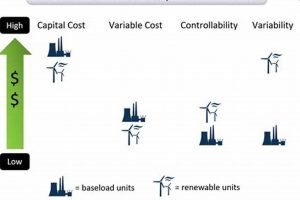
Grid integration is a critical aspect of renewable energy development in East Texas. The ability to effectively and reliably integrate intermittent renewable energy sources, such as solar and wind power, into the existing electricity grid is essential for maximizing their contribution to the region’s energy mix. This integration requires careful planning, technological advancements, and regulatory frameworks to ensure grid stability, reliability, and efficiency. A primary challenge stems from the intermittent nature of solar and wind power. Solar energy generation fluctuates with cloud cover and sunlight availability, while wind power output varies depending on wind speed. These fluctuations can create imbalances between energy supply and demand, potentially impacting grid stability. Effective grid integration strategies address these challenges through a combination of approaches.
One key approach involves advanced forecasting technologies. Accurate predictions of solar and wind power generation enable grid operators to anticipate fluctuations and adjust power dispatch accordingly. This minimizes the risk of supply-demand imbalances and ensures grid stability. Another crucial aspect is the development of energy storage solutions. Storing excess renewable energy generated during periods of high production allows for its utilization during times of lower generation or peak demand. Battery storage, pumped hydro storage, and other storage technologies play a vital role in smoothing out the intermittency of renewable energy sources. Furthermore, grid modernization efforts, such as smart grids and advanced grid management systems, enhance the flexibility and responsiveness of the electricity grid. These technologies enable real-time monitoring and control of energy flows, facilitating the efficient integration of renewable energy resources. Real-life examples illustrate the practical significance of grid integration. The integration of large solar farms into the Texas grid, for instance, requires careful coordination between solar farm operators and grid operators to ensure smooth power delivery and avoid grid instability. Similarly, integrating wind farms necessitates robust transmission infrastructure to transport the generated electricity from remote locations to population centers.
Successful grid integration is paramount for realizing the full potential of renewable energy in East Texas. Addressing the challenges associated with intermittency, investing in energy storage solutions, and modernizing grid infrastructure are crucial for ensuring a reliable and sustainable energy future. Continued technological advancements, supportive policies, and collaboration among stakeholders are essential for achieving seamless grid integration and maximizing the benefits of renewable energy resources in the region. The transition to a cleaner energy future depends on a well-integrated and robust electricity grid capable of accommodating the increasing contribution of renewable energy sources.
Frequently Asked Questions about Renewable Energy in East Texas
This section addresses common inquiries regarding the development and utilization of renewable energy resources in East Texas. Clear and concise answers provide valuable insights for stakeholders seeking to understand the complexities and opportunities associated with clean energy transition in the region.
Question 1: What are the primary renewable energy sources available in East Texas?
East Texas benefits from a diverse range of renewable resources, including solar, wind, and biomass. The region’s abundant sunshine and consistent wind patterns offer significant potential for solar and wind energy development. Furthermore, the availability of agricultural residues, forestry byproducts, and dedicated energy crops provides a sustainable feedstock for biomass energy production.
Question 2: How does renewable energy development impact the local economy?
Renewable energy projects generate economic growth through job creation, investment in local infrastructure, and increased landowner lease revenue. The development of local supply chains for renewable energy components further enhances economic activity. Additionally, reduced reliance on fossil fuels can lead to lower energy costs for businesses and consumers.
Question 3: What are the environmental benefits of transitioning to renewable energy in East Texas?
Renewable energy sources produce clean electricity, reducing greenhouse gas emissions and mitigating air pollution associated with traditional fossil fuel-based power generation. This transition contributes to improved air quality, protects public health, and helps conserve natural resources.
Question 4: What challenges are associated with integrating renewable energy into the existing power grid?
The intermittent nature of solar and wind power presents challenges for grid integration. Fluctuations in energy generation require advanced forecasting technologies, energy storage solutions, and grid modernization efforts to ensure grid stability and reliability.
Question 5: What policies are in place to support renewable energy development in East Texas?
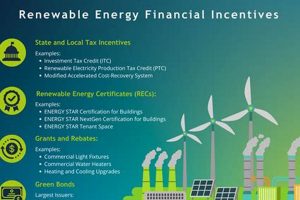
A combination of federal and state policies, including tax incentives, renewable portfolio standards, and net metering programs, supports the growth of renewable energy in Texas. These policies aim to incentivize investment, streamline permitting processes, and promote the adoption of clean energy technologies.
Question 6: How can individuals and communities contribute to the growth of renewable energy in East Texas?
Individuals can support renewable energy by investing in energy-efficient appliances, exploring rooftop solar installations, advocating for supportive policies, and engaging with community initiatives. Collective action at the community level can further accelerate the transition to a cleaner energy future.
Transitioning to renewable energy sources in East Texas offers significant economic and environmental advantages. Addressing the challenges related to grid integration and ensuring a supportive policy environment are crucial for realizing the full potential of clean energy resources in the region.
Further exploration will delve into specific case studies and success stories of renewable energy projects in East Texas, providing tangible examples of the positive impacts of clean energy transition.
Renewable Energy
This exploration has examined the multifaceted nature of renewable energy development within East Texas. The region’s potential for harnessing solar, wind, and biomass resources offers a pathway toward a more sustainable and economically robust future. Key benefits include reduced reliance on finite fossil fuels, decreased environmental impact through lower emissions, and the creation of new economic opportunities. However, challenges such as grid integration and the intermittent nature of certain renewable sources require ongoing innovation and strategic planning. The importance of supportive policies and community engagement has also been underscored as crucial factors in driving the successful adoption of renewable energy technologies.
The transition to a cleaner energy landscape in East Texas represents a significant undertaking with long-term implications. Continued investment in research and development, coupled with informed policy decisions and community-wide participation, will determine the ultimate success of this transition. The future of energy in East Texas hinges on embracing the potential of renewable resources, fostering innovation, and building a resilient and sustainable energy infrastructure for generations to come.