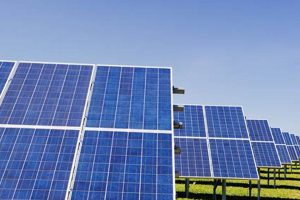
Sustainable power generation from sources like solar, wind, hydro, biomass, and geothermal plays a growing role in the Commonwealth’s energy portfolio. For example, solar installations on rooftops and in fields capture sunlight to produce electricity, while wind turbines harness the power of wind. These technologies offer a cleaner alternative to traditional fossil fuels.
Clean energy sources contribute to a healthier environment by reducing greenhouse gas emissions and improving air quality. This shift toward sustainability also fosters economic growth through job creation in manufacturing, installation, and maintenance of renewable energy systems. Historically, Pennsylvania’s energy landscape relied heavily on coal and natural gas. However, increasing awareness of environmental concerns and advancements in renewable energy technologies are driving a transition toward a more diversified energy mix.
This article will explore the current state of various clean power sectors within the state, examining specific policy initiatives, technological advancements, and the economic impact of this evolving energy landscape. Further discussion will analyze the challenges and opportunities presented by this transition and offer insights into the future of sustainable power generation in the region.
Tips for Supporting Sustainable Power in Pennsylvania
Residents and businesses can contribute to the growth of clean power generation through informed choices and proactive measures. The following tips offer practical guidance for supporting this important transition.
Tip 1: Explore Residential Solar Installations: Evaluate the feasibility of rooftop solar panels. Consider factors such as roof orientation, shading, and energy consumption to determine potential cost savings and environmental benefits. Consulting with certified installers can provide personalized assessments.
Tip 2: Support Community Solar Projects: Participate in community solar initiatives if individual installations are not feasible. These programs allow subscribers to share the benefits of a larger solar array and receive credits on their electricity bills.
Tip 3: Reduce Energy Consumption: Implement energy efficiency measures to lower overall electricity demand. Using energy-efficient appliances, improving insulation, and adopting smart home technologies can significantly reduce one’s carbon footprint.
Tip 4: Advocate for Policy Changes: Support policies that incentivize the development and adoption of clean power technologies. Contacting elected officials and participating in public forums can help advance supportive legislation.
Tip 5: Invest in Sustainable Energy Companies: Consider investing in companies specializing in the development, production, or installation of sustainable energy technologies. This can contribute to the financial growth of the sector.
Tip 6: Stay Informed about Technological Advancements: Keep abreast of the latest innovations in clean energy technologies. Understanding emerging trends can inform decisions about energy consumption and investment.
Tip 7: Support Local Initiatives: Engage with local organizations and initiatives that promote sustainable practices. Participating in community events and educational programs can raise awareness and foster broader support.
By adopting these strategies, individuals and businesses can contribute to a cleaner energy future and help drive the transition towards a more sustainable energy landscape in Pennsylvania.
The combined efforts of individuals, businesses, and policymakers are essential for realizing the full potential of clean power generation and ensuring a sustainable energy future for the Commonwealth.
1. Solar Power

Solar power represents a significant and growing component of Pennsylvania’s renewable energy portfolio. The decreasing cost of solar photovoltaic (PV) technology, coupled with increasing consumer demand for clean energy, has spurred substantial growth in solar installations across the Commonwealth. This growth contributes directly to the state’s renewable energy goals, reducing reliance on fossil fuels and lowering carbon emissions. For example, large-scale solar farms, such as the Conemaugh Solar Energy Center, generate substantial amounts of electricity, while numerous rooftop solar installations empower individuals and businesses to produce their own clean energy. This distributed generation model enhances grid resilience and reduces transmission losses.
The impact of solar energy extends beyond environmental benefits. The solar industry creates jobs in manufacturing, installation, maintenance, and research, contributing to economic growth within the state. Furthermore, solar energy can provide power to remote or underserved communities, enhancing energy access and equity. The practical application of solar power in Pennsylvania varies widely, from powering homes and businesses to supporting agricultural operations and municipal facilities. Understanding the potential of solar energy is crucial for informed decision-making regarding energy policy, investment, and individual energy choices. Continued growth in the solar sector will be crucial for achieving Pennsylvania’s renewable energy targets and fostering a sustainable energy future.
Harnessing solar energy is key to diversifying Pennsylvania’s energy mix and mitigating the effects of climate change. While challenges such as land use and grid integration remain, ongoing technological advancements and supportive policies continue to drive the expansion of solar power across the Commonwealth. The continued growth and integration of solar energy will be a critical factor in shaping a sustainable energy future for Pennsylvania.
2. Wind Energy

Wind energy plays a crucial role in Pennsylvania’s renewable energy landscape, offering a clean and sustainable alternative to traditional fossil fuels. The state’s topography and wind resources make it suitable for harnessing wind power, contributing to a diversified energy mix and reducing reliance on non-renewable sources. This sector’s growth is driven by technological advancements, supportive policies, and increasing demand for clean energy. Understanding the various facets of wind energy in Pennsylvania provides valuable insights into its potential and its contribution to the state’s overall energy goals.
- Resource Assessment and Siting
Accurately assessing wind resources and identifying suitable locations for wind turbines is crucial for maximizing energy production and minimizing environmental impact. Factors such as wind speed, direction, and consistency are carefully analyzed. Topographical features, proximity to transmission lines, and land use considerations also play a significant role in determining optimal siting for wind farms. Thorough resource assessments ensure efficient project development and minimize potential conflicts.
- Technological Advancements
Advancements in wind turbine technology, including larger rotor diameters, improved blade designs, and more efficient generators, have significantly increased energy capture and reduced the cost of wind energy. Innovations in grid integration technologies, such as advanced energy storage systems, further enhance the reliability and stability of wind power. These advancements contribute to the competitiveness of wind energy within Pennsylvania’s energy market.
- Economic Impact and Job Creation
The wind energy sector contributes significantly to Pennsylvania’s economy through job creation in manufacturing, installation, maintenance, and operation of wind farms. Supporting industries, such as transportation and logistics, also benefit from the growth of this sector. Furthermore, wind projects often generate revenue for local communities through lease agreements and property taxes, providing economic benefits to rural areas.
- Environmental Benefits and Challenges
Wind energy offers substantial environmental benefits by reducing greenhouse gas emissions, improving air quality, and conserving water resources compared to traditional power generation. However, potential environmental impacts, such as effects on wildlife and noise pollution, require careful consideration and mitigation strategies. Addressing these challenges through responsible siting and operational practices ensures the sustainable development of wind energy in Pennsylvania.
These facets highlight the complexity and significance of wind energy within Pennsylvania’s transition to a cleaner energy future. The continued growth and development of wind power, coupled with supportive policies and technological advancements, will play a vital role in achieving the state’s renewable energy goals while fostering economic growth and environmental sustainability. Continued exploration of advanced energy storage and grid integration technologies will further optimize the role of wind energy within Pennsylvania’s broader energy landscape.
3. Hydropower
Hydropower, leveraging the energy of moving water, holds a unique position within Pennsylvania’s renewable energy landscape. While not experiencing the same rapid growth as solar and wind, hydropower provides a reliable and established source of clean electricity generation. Understanding its role, potential, and limitations is crucial for a comprehensive view of the state’s energy portfolio. This exploration will delve into the key facets of hydropower in Pennsylvania, examining its contribution to the state’s renewable energy goals.
- Existing Infrastructure and Capacity
Pennsylvania possesses a significant number of existing hydropower facilities, primarily located along rivers and streams. These facilities represent a valuable asset, providing a consistent baseload power supply. However, the potential for expanding large-scale hydropower is limited due to geographic constraints and environmental considerations. Maximizing the efficiency and output of existing infrastructure is crucial for optimizing hydropower’s contribution to the state’s energy mix. For example, modernizing older facilities with updated turbines and control systems can significantly enhance their generating capacity.
- Environmental Considerations and Mitigation
While considered a clean energy source, hydropower projects can have environmental impacts on aquatic ecosystems, including fish migration and water quality. Careful planning, mitigation strategies, and ongoing monitoring are essential to minimize these impacts. For instance, fish ladders and bypass structures can help mitigate disruptions to fish migration patterns. Balancing energy production with ecological preservation is crucial for the responsible development and operation of hydropower facilities.
- Integration with Other Renewables
Hydropower’s inherent flexibility makes it a valuable complement to other intermittent renewable energy sources like solar and wind. Hydropower plants can adjust their output quickly, helping to balance the fluctuations in power generation from these sources and maintain grid stability. This integration enhances the reliability of the overall renewable energy portfolio and facilitates a smoother transition to a cleaner energy system. Pumped hydro storage, where water is pumped uphill during periods of excess energy and released to generate electricity during peak demand, further strengthens this integration and grid reliability.
- Regulatory Framework and Future Development
The regulatory framework governing hydropower development in Pennsylvania involves a complex interplay of federal and state agencies, including the Federal Energy Regulatory Commission (FERC) and the Pennsylvania Department of Environmental Protection (DEP). Navigating these regulations is crucial for ensuring the responsible and sustainable development of any new hydropower projects. Streamlining permitting processes and incentivizing modernization efforts can further optimize the contribution of hydropower to the state’s renewable energy goals. Exploring the potential of small-scale hydropower projects, such as run-of-river systems, may offer opportunities for expanding hydropower generation with minimal environmental impact.
Hydropower, while representing a smaller portion of Pennsylvania’s renewable energy mix compared to solar and wind, provides crucial grid stability and a reliable baseload power supply. Balancing the environmental considerations with the need for clean energy is crucial for maximizing hydropower’s contribution to a sustainable energy future for the state. Continued focus on modernization, responsible development, and integration with other renewable energy sources will be essential for optimizing the role of hydropower within Pennsylvania’s evolving energy landscape.
4. Biomass Energy

Biomass energy, the utilization of organic matter for power generation, represents a distinct component of Pennsylvania’s renewable energy portfolio. This energy source encompasses a range of organic materials, including agricultural residues, wood waste, and dedicated energy crops. Its connection to Pennsylvania’s broader renewable energy landscape lies in its potential to diversify energy sources, reduce reliance on fossil fuels, and contribute to rural economic development. The combustion of biomass materials, such as wood chips from sustainable forestry practices, directly generates electricity. Anaerobic digestion of organic waste produces biogas, primarily methane, which can be used as a fuel source. Furthermore, biomass can be gasified to produce syngas, a versatile fuel suitable for electricity generation or conversion into other biofuels.
The practical significance of biomass energy in Pennsylvania is evident in various applications. Numerous combined heat and power (CHP) systems utilize biomass to provide both electricity and thermal energy for industrial facilities, reducing operational costs and greenhouse gas emissions. Agricultural operations often utilize biomass for on-site energy generation, contributing to farm sustainability and energy independence. The use of biomass for heating in residential and commercial settings, particularly in rural areas, provides a renewable alternative to traditional heating fuels. Challenges associated with biomass energy include sustainable sourcing of biomass feedstock, potential air quality impacts, and ensuring efficient and environmentally sound conversion technologies. Addressing these challenges through robust regulatory frameworks, technological advancements, and sustainable resource management practices is crucial for maximizing the benefits of biomass energy within the state’s renewable energy mix. For example, promoting sustainable forestry practices ensures a reliable and environmentally sound supply of wood biomass.
Biomass energy offers unique opportunities for Pennsylvania to integrate renewable energy into diverse sectors, supporting rural economies and reducing reliance on fossil fuels. However, sustainable feedstock management and technological advancements are essential for realizing its full potential while minimizing environmental impacts. The continued development and refinement of biomass energy technologies, coupled with supportive policies and sustainable resource management practices, will be crucial for optimizing its role within Pennsylvania’s evolving energy landscape.
5. Policy and Incentives

Policies and incentives play a crucial role in shaping the development and adoption of renewable energy technologies within Pennsylvania. These mechanisms influence investment decisions, market dynamics, and the overall pace of the transition towards a cleaner energy future. The Alternative Energy Portfolio Standards (AEPS), established in 2004, mandate that a specific percentage of electricity sold in Pennsylvania must come from renewable sources. This policy creates a market demand for renewable energy, driving investment in projects and technologies. Furthermore, the availability of federal tax credits, such as the Investment Tax Credit (ITC) and the Production Tax Credit (PTC), significantly reduces the cost of renewable energy projects, making them more financially viable. State-level programs, such as grants and rebates for renewable energy installations, further incentivize adoption by residents and businesses. For example, the Pennsylvania Sunshine Solar Rebate Program provides financial assistance to homeowners and businesses installing solar PV systems, directly supporting the growth of the solar sector. The practical significance of these policies and incentives lies in their direct impact on renewable energy deployment, industry growth, and emissions reductions. The effectiveness of these mechanisms depends on factors such as policy design, program implementation, and long-term stability. For instance, consistent and predictable policies provide greater certainty for investors, encouraging long-term commitments to renewable energy projects.
Further analysis reveals the complex interplay between policy, technology, and market forces. While policies create a supportive framework, technological advancements drive down costs and improve the efficiency of renewable energy systems. The combination of these factors influences market adoption and the overall competitiveness of renewable energy sources. For example, the declining cost of solar PV technology, coupled with supportive policies like the AEPS and the ITC, has resulted in substantial growth in solar installations across Pennsylvania. The practical application of this understanding requires careful consideration of policy design, market dynamics, and technological trajectories. Evaluating the long-term impacts of policies, considering potential unintended consequences, and adapting policies to changing market conditions is crucial for ensuring effective and sustainable development of the renewable energy sector.
Effective policies and incentives are essential catalysts for driving the growth of renewable energy in Pennsylvania. These mechanisms create market demand, reduce costs, and encourage investment in clean energy technologies. However, continuous evaluation and adaptation are necessary to ensure these policies remain effective and responsive to evolving market dynamics and technological advancements. The long-term success of Pennsylvania’s transition to a cleaner energy future relies on a robust policy framework that supports innovation, encourages investment, and fosters collaboration among stakeholders. The challenges associated with integrating increasing amounts of renewable energy into the grid, such as grid stability and energy storage, require further policy attention and innovation.
Frequently Asked Questions about Renewable Energy in Pennsylvania
This section addresses common inquiries regarding the development and utilization of renewable energy resources within Pennsylvania. Understanding these key aspects can provide clarity for stakeholders, policymakers, and residents alike.
Question 1: What are the primary sources of renewable energy in Pennsylvania?
The Commonwealth utilizes various renewable energy sources, including solar, wind, hydropower, biomass, and geothermal. Solar and wind energy are experiencing significant growth, while hydropower represents a more established, albeit limited, resource. Biomass utilizes organic matter, while geothermal harnesses heat from the earth.
Question 2: How does renewable energy contribute to Pennsylvania’s economy?
The renewable energy sector generates economic activity through job creation in manufacturing, installation, maintenance, and research. Furthermore, it stimulates investment, fosters innovation, and reduces reliance on energy imports, contributing to a more robust and diversified state economy.
Question 3: What are the environmental benefits of transitioning to renewable energy?
Transitioning to renewable energy sources significantly reduces greenhouse gas emissions, mitigating the impacts of climate change. It also improves air and water quality, contributing to a healthier environment for residents and preserving natural resources for future generations.
Question 4: What policies and incentives support renewable energy development in Pennsylvania?
The Alternative Energy Portfolio Standards (AEPS) mandate a certain percentage of electricity generation from renewable sources. Federal and state tax credits, grants, and rebates further incentivize renewable energy projects and adoption.
Question 5: What challenges are associated with expanding renewable energy in Pennsylvania?
Challenges include grid integration, intermittency of certain renewable resources, land use considerations, and potential environmental impacts. Addressing these challenges requires careful planning, technological advancements, and robust regulatory frameworks.
Question 6: How can individuals and businesses support the growth of renewable energy in Pennsylvania?
Individuals and businesses can install renewable energy systems, participate in community solar projects, reduce energy consumption, advocate for supportive policies, and invest in renewable energy companies. Informed decision-making and active participation are crucial for driving the transition towards a cleaner energy future.
Transitioning to renewable energy is a multifaceted process with significant economic, environmental, and social implications. Understanding the key drivers, challenges, and opportunities associated with this transition is essential for informed decision-making and effective policy development. Continued engagement and collaboration among stakeholders are crucial for navigating this complex landscape and achieving a sustainable energy future.
For further information and resources regarding renewable energy in Pennsylvania, please consult the Pennsylvania Department of Environmental Protection and the Pennsylvania Public Utility Commission websites.
Pennsylvania Renewable Energy
This exploration of Pennsylvania’s renewable energy landscape has highlighted the diverse opportunities and challenges associated with transitioning to a cleaner energy future. From the growth of solar and wind power to the established presence of hydropower and the potential of biomass, the Commonwealth possesses a range of resources and technologies to diversify its energy mix and reduce reliance on fossil fuels. The analysis of policy mechanisms, such as the Alternative Energy Portfolio Standards (AEPS) and various incentive programs, underscores the importance of supportive frameworks in driving investment and adoption of renewable energy technologies. Furthermore, the examination of economic impacts, job creation, and environmental benefits reinforces the significance of this transition for the state’s overall well-being.
The continued advancement and integration of renewable energy technologies are crucial for Pennsylvania’s long-term energy security, economic prosperity, and environmental sustainability. Addressing the challenges of grid modernization, energy storage, and sustainable resource management will require ongoing innovation, collaboration, and informed policy decisions. The path towards a cleaner energy future demands sustained commitment from stakeholders across all sectors to ensure a resilient and sustainable energy landscape for generations to come. The future of energy in Pennsylvania hinges on embracing the potential of renewable resources and fostering a collaborative approach to innovation and implementation.