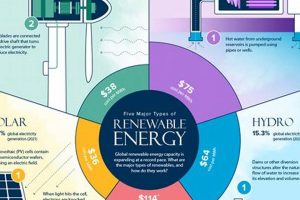
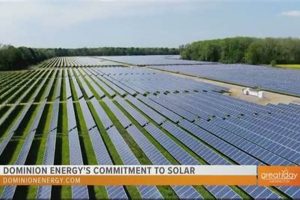
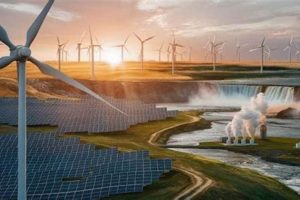
Harnessing power from sources like solar, wind, hydro, and biomass offers a sustainable alternative to fossil fuels in Angola. For instance, solar farms can electrify rural communities, while hydropower plants can contribute to the national grid.
Sustainable power generation holds significant potential for economic growth, social development, and environmental protection in the nation. Historically, the country has relied heavily on fossil fuels. Diversifying the energy mix strengthens energy security, reduces reliance on imported fuels, and mitigates the impacts of climate change. Moreover, expanding electricity access via these sources can stimulate job creation and improve living standards, particularly in underserved areas.
This discussion will further explore the specific types of sustainable power being developed in Angola, the challenges and opportunities in this sector, and the potential impact on the nations future.
Tips for Supporting Sustainable Power Development in Angola
Promoting sustainable power growth requires a multifaceted approach involving government policies, private sector investment, and community engagement.
Tip 1: Invest in Research and Development: Continued research into efficient technologies, grid integration solutions, and resource assessment is crucial for long-term sector growth.
Tip 2: Foster Public-Private Partnerships: Collaborative projects can leverage the expertise and resources of both sectors, accelerating project development and deployment.
Tip 3: Streamline Regulatory Frameworks: Clear and consistent regulations can attract investment and facilitate project implementation, ensuring transparency and efficiency.
Tip 4: Develop Local Expertise: Training programs and educational initiatives are essential for building a skilled workforce capable of operating and maintaining these power installations.
Tip 5: Promote Community Engagement: Involving local communities in project planning and implementation ensures their needs are met and fosters ownership and support for sustainable power initiatives.
Tip 6: Encourage Decentralized Generation: Mini-grids and off-grid solutions can extend electricity access to remote areas, reducing reliance on centralized grids and improving energy resilience.
Tip 7: Prioritize Environmental Protection: Careful environmental impact assessments and mitigation measures are necessary to ensure sustainable power development minimizes ecological disruption.
Implementing these strategies can unlock the full potential of sustainable power, contributing to economic diversification, job creation, and improved energy access for all.
These tips offer practical pathways towards establishing a robust and sustainable energy sector in Angola. The next section will offer a concluding perspective on the future of sustainable power in the country.
1. Solar Power Potential
Angola’s significant solar energy resource offers a viable pathway toward diversifying its energy mix and expanding electricity access. Harnessing this potential is key to achieving sustainable development goals and reducing reliance on fossil fuels. Exploring the various facets of solar power development in Angola reveals both opportunities and challenges.
- Resource Availability
Angola enjoys high levels of solar irradiance, particularly in its southern regions. This abundant resource provides a strong foundation for utility-scale solar farms and distributed generation projects. Exploiting this natural advantage can significantly contribute to national electrification efforts.
- Technological Advancements
Decreasing costs of photovoltaic (PV) panels and advancements in battery storage technologies enhance the feasibility of solar power projects. These technological improvements contribute to making solar energy a cost-competitive alternative to traditional power generation methods in Angola.
- Investment Opportunities
The Angolan solar energy sector presents attractive investment opportunities for both domestic and international stakeholders. Public-private partnerships can play a crucial role in mobilizing capital and accelerating project deployment. Attracting investment requires clear regulatory frameworks and streamlined approval processes.
- Grid Integration Challenges
Integrating intermittent solar power into the existing electricity grid requires careful planning and investment in grid modernization. Addressing grid stability and reliability issues is essential for maximizing the benefits of solar energy. Strategies include developing smart grids and incorporating energy storage solutions.
Successfully integrating solar power into Angola’s energy mix requires a strategic approach that addresses resource assessment, technological adoption, investment mobilization, and grid infrastructure development. Realizing the full potential of solar energy is critical for achieving a sustainable energy future in Angola and contributing to broader economic and social development objectives.
2. Wind Energy Resources

Wind energy represents a significant component of Angola’s renewable energy potential. The country’s extensive coastline and elevated inland plateaus offer promising locations for wind farm development. Harnessing these resources can diversify the energy mix, reduce reliance on fossil fuels, and contribute to national electrification goals. The connection between wind energy resources and Angola’s broader renewable energy strategy lies in the potential for sustainable power generation and its associated economic and environmental benefits. For example, the development of a wind farm in Namibe province demonstrates the feasibility of utility-scale wind power projects in Angola, showcasing the practical application of this resource.
Detailed wind resource assessments are essential for identifying optimal locations and maximizing energy output. Factors such as wind speed, consistency, and accessibility influence project viability. Investing in wind turbine technology and grid infrastructure is crucial for capturing and distributing the generated electricity. Moreover, skilled labor is needed for the installation, operation, and maintenance of wind farms, offering employment opportunities and local capacity building. Government policies and incentives can further stimulate private sector investment in the wind energy sector, accelerating project development and contributing to national sustainable development objectives. Wind power generation can reduce greenhouse gas emissions compared to fossil fuel-based power plants, offering environmental advantages aligning with global climate goals.
Developing Angola’s wind energy resources offers a pathway to a more sustainable and secure energy future. By strategically leveraging this natural resource, the country can reduce its carbon footprint, enhance energy independence, and create economic opportunities. Overcoming challenges related to grid integration and investment mobilization requires a concerted effort from government, private sector, and international partners. Realizing the full potential of wind energy is a critical element of Angola’s transition to a cleaner and more resilient energy system. The next section will delve into another key element of Angola’s renewable energy landscape: Hydroelectric power.
3. Hydropower Capacity

Hydropower represents a cornerstone of Angola’s renewable energy strategy, offering significant potential for electricity generation and grid stability. Leveraging existing hydropower resources and exploring new project development are essential for meeting growing energy demands and reducing reliance on fossil fuels. Understanding the complexities of hydropower capacity in Angola requires examining its various facets, including resource availability, infrastructure development, environmental considerations, and socio-economic impacts.
- Resource Assessment and Development
Angola possesses abundant water resources suitable for hydropower generation. Several large rivers, including the Kwanza, Cunene, and Queve, offer significant potential for large-scale hydroelectric projects. Accurate resource assessments are crucial for determining the feasibility and capacity of future developments. Exploring untapped hydropower potential in other river basins and optimizing existing dam operations are key considerations for maximizing electricity generation. For example, the Laca Hydroelectric Plant on the Kwanza River illustrates the potential of large-scale hydropower projects in contributing to Angola’s energy mix.
- Infrastructure Development and Grid Integration
Developing hydropower capacity requires substantial investment in infrastructure, including dams, powerhouses, and transmission lines. Integrating new hydropower projects into the national grid requires careful planning and coordination to ensure grid stability and reliability. Modernizing existing transmission infrastructure and expanding grid connectivity are essential for delivering electricity to urban and rural areas. The construction of transmission lines connecting hydropower plants to major load centers exemplifies the importance of grid infrastructure in maximizing the benefits of hydropower generation.
- Environmental and Social Considerations
Hydropower projects can have significant environmental and social impacts, including alterations to river ecosystems, displacement of communities, and changes in land use patterns. Environmental impact assessments and mitigation measures are essential for minimizing negative consequences and ensuring sustainable development. Engaging local communities in project planning and implementation is crucial for addressing social concerns and fostering ownership of hydropower initiatives. The impact of dam construction on local fish populations underscores the importance of environmental considerations in hydropower development.
- Economic and Social Benefits
Hydropower projects can contribute to economic growth by generating electricity, creating jobs, and stimulating local economies. Expanding electricity access through hydropower development can improve living standards, support industrial activities, and enhance social development. Furthermore, hydropower can play a critical role in promoting energy security and reducing reliance on imported fossil fuels. The increased access to electricity in rural communities due to hydropower projects demonstrates the positive socio-economic impacts of this renewable energy source.
Hydropower capacity plays a vital role in Angola’s pursuit of a sustainable energy future. Balancing the benefits of hydropower generation with environmental and social considerations is crucial for ensuring responsible and sustainable development. Strategic planning, investment in infrastructure, and community engagement are key elements for maximizing the positive impacts of hydropower and contributing to Angola’s broader renewable energy goals. By effectively managing and developing its hydropower resources, Angola can enhance its energy security, promote economic growth, and improve the well-being of its citizens.
4. Biomass Energy

Biomass energy, derived from organic matter, presents a significant opportunity within Angola’s renewable energy landscape. The nation’s substantial agricultural sector generates considerable biomass residues, including crop stalks, wood chips, and animal waste. These residues can be converted into various forms of energy, such as biogas, biofuels, and biochar, offering a sustainable alternative to fossil fuels. This connection between biomass energy and Angola’s broader renewable energy goals lies in the potential to reduce reliance on imported fuels, enhance energy security, and promote rural development. For example, using agricultural residues to generate biogas for cooking and electricity in rural communities reduces dependence on traditional biomass like firewood, mitigating deforestation and improving air quality. Furthermore, producing biofuels from crops like sugarcane or jatropha can contribute to the transportation sector’s energy needs, reducing reliance on imported petroleum products.
Developing a robust biomass energy sector requires strategic planning and investment. Establishing efficient supply chains for collecting and transporting biomass feedstock is essential. Furthermore, investing in appropriate conversion technologies, such as anaerobic digesters for biogas production and biofuel refineries, is crucial for maximizing energy output and minimizing environmental impact. Government policies and incentives can encourage private sector participation in biomass energy projects. For instance, feed-in tariffs for biomass electricity can incentivize investment and accelerate project development. Furthermore, promoting community-based biogas projects can empower rural communities and create local economic opportunities. Addressing potential challenges, such as ensuring sustainable biomass sourcing and minimizing land use conflicts, is vital for the long-term viability of the biomass energy sector.
Integrating biomass energy into Angola’s energy mix offers a pathway toward greater energy independence, reduced greenhouse gas emissions, and enhanced rural development. By effectively utilizing its abundant biomass resources, Angola can diversify its energy portfolio, create economic opportunities, and contribute to a more sustainable future. Overcoming challenges related to feedstock supply, technology adoption, and policy implementation requires a concerted effort from government, private sector, and local communities. Realizing the full potential of biomass energy is a critical element of Angola’s transition to a cleaner and more resilient energy system. This understanding highlights the practical significance of biomass energy as a key component of Angola’s renewable energy strategy.
5. Grid Infrastructure Needs

Developing renewable energy resources in Angola requires significant upgrades and expansion of the nation’s electricity grid infrastructure. The intermittent nature of renewable sources like solar and wind necessitates a robust and flexible grid to ensure reliable power supply. Modernizing transmission and distribution networks is essential for integrating these resources effectively and maximizing their contribution to the national energy mix. This discussion explores key aspects of grid infrastructure needs within the context of Angola’s renewable energy development.
- Transmission Network Upgrades
Expanding and upgrading transmission lines is crucial for transporting electricity from renewable energy generation sites, often located in remote areas, to major load centers. Higher capacity lines and advanced grid management systems are needed to accommodate the influx of renewable energy and ensure efficient power delivery across the country. For instance, connecting large-scale solar farms in the southern regions to the national grid requires significant investment in transmission infrastructure. This reinforces the critical role of transmission network upgrades in facilitating renewable energy integration.
- Distribution Network Modernization
Modernizing distribution networks is essential for delivering renewable energy to end-users, particularly in urban and rural communities. This includes upgrading substations, transformers, and distribution lines to handle the increasing penetration of renewable energy sources. Smart grid technologies, such as advanced metering infrastructure and demand-side management systems, can enhance grid efficiency and reliability. For example, implementing smart grids in Luanda can optimize energy distribution and integrate rooftop solar installations effectively. This demonstrates the importance of distribution network modernization in maximizing the benefits of renewable energy at the local level.
- Energy Storage Solutions
Integrating intermittent renewable energy sources requires robust energy storage solutions to address fluctuations in power generation. Battery storage systems, pumped hydro storage, and other storage technologies can provide grid stability and ensure a continuous power supply. For instance, incorporating battery storage at solar and wind farms can smooth out power output and improve grid reliability. This emphasizes the role of energy storage in mitigating the intermittency challenges associated with renewable energy sources.
- Grid Management and Control Systems
Advanced grid management and control systems are necessary for coordinating the operation of renewable energy sources with conventional power plants. Real-time monitoring and control capabilities are essential for balancing supply and demand, maintaining grid stability, and optimizing energy flow. For example, implementing a centralized grid management system can enhance the integration of renewable energy resources and improve overall grid performance. This underscores the importance of advanced control systems in managing the complexities of a grid with high renewable energy penetration.
Addressing grid infrastructure needs is a critical component of Angola’s renewable energy strategy. Investments in transmission and distribution networks, energy storage solutions, and grid management systems are essential for effectively integrating renewable energy resources and ensuring a reliable and sustainable power supply for the nation. Meeting these infrastructure requirements will not only facilitate the growth of the renewable energy sector but also contribute to broader economic development and improved energy access for all Angolans. This understanding underscores the interconnectedness of grid infrastructure development and the successful implementation of Angola’s renewable energy goals.
6. Investment and financing

Securing investment and financing is crucial for developing Angola’s renewable energy sector. Mobilizing capital from various sources, including public, private, and international entities, is essential for funding project development, infrastructure construction, and technology deployment. Attracting investment requires a stable regulatory environment, clear policies, and risk mitigation mechanisms. This exploration delves into the key facets of investment and financing within the context of Angola’s renewable energy goals.
- Public Sector Funding
Government funding plays a critical role in supporting early-stage project development, research and development, and capacity building. Public investments can de-risk projects and attract private sector participation. For example, government grants and subsidies can incentivize renewable energy technology adoption and deployment. This demonstrates the importance of public sector funding in catalyzing renewable energy development.
- Private Sector Investment
Private sector investment is essential for scaling up renewable energy projects and driving market growth. Creating an enabling environment for private sector participation, including clear regulations and streamlined permitting processes, is crucial for attracting investment. For instance, independent power producer (IPP) projects can leverage private capital to develop utility-scale solar and wind farms. This highlights the role of private sector investment in accelerating renewable energy deployment.
- International Development Finance
International development finance institutions, such as the World Bank and African Development Bank, provide concessional loans and grants for renewable energy projects in developing countries. These funds can support large-scale infrastructure development and capacity building initiatives. For example, a World Bank loan can finance the construction of a hydropower plant or the development of a rural electrification program using renewable energy. This exemplifies the importance of international development finance in supporting sustainable energy development.
- Blended Finance Mechanisms
Blended finance combines public and private capital to mitigate risks and attract investment in renewable energy projects. These mechanisms can enhance project bankability and mobilize private sector participation. For instance, a blended finance structure can combine a government grant with a commercial loan to finance a solar energy project. This demonstrates the effectiveness of blended finance in leveraging both public and private resources for renewable energy development.
Successfully financing Angola’s renewable energy transition requires a multi-faceted approach leveraging public, private, and international funding sources. Creating a conducive investment environment, including clear policies, transparent regulations, and risk mitigation instruments, is crucial for attracting capital and accelerating project development. Mobilizing investment and finance is essential for realizing the full potential of Angola’s renewable energy resources and achieving a sustainable energy future. By strategically leveraging these various financing mechanisms, Angola can unlock significant economic and social benefits while contributing to global climate goals. This understanding reinforces the crucial role of investment and financing in driving the growth of Angola’s renewable energy sector.
7. Policy and regulatory framework

A robust policy and regulatory framework is essential for driving the growth of Angola’s renewable energy sector. Clear policies, streamlined regulations, and transparent processes are crucial for attracting investment, fostering competition, and ensuring sustainable development. The framework’s effectiveness directly influences the pace and scale of renewable energy deployment. A well-designed framework provides certainty for investors, reduces risks, and establishes a level playing field for project developers. For example, a clear feed-in tariff policy can incentivize investment in solar and wind projects by guaranteeing a fixed price for the electricity generated. Similarly, streamlined permitting processes can reduce project development timelines and costs, making investments more attractive. Conversely, a lack of clear policies or inconsistent regulations can create uncertainty and hinder investment, slowing the growth of the renewable energy sector.
Key elements of an effective policy and regulatory framework include renewable energy targets, grid connection procedures, power purchase agreements, and environmental impact assessment guidelines. Setting ambitious renewable energy targets provides a clear direction for the sector and signals the government’s commitment to sustainable energy development. Establishing transparent grid connection procedures facilitates the integration of renewable energy projects into the national grid. Standardized power purchase agreements provide a framework for the sale of electricity generated from renewable sources. Comprehensive environmental impact assessment guidelines ensure that renewable energy projects are developed in an environmentally sustainable manner. Practical applications of a well-designed framework can be observed in countries with successful renewable energy transitions. For example, South Africa’s Renewable Energy Independent Power Producer Procurement Programme (REIPPPP) has successfully attracted significant investment in renewable energy projects through competitive bidding processes and clear regulatory guidelines. Learning from such examples can inform the development of Angola’s policy and regulatory framework.
A well-defined policy and regulatory framework provides the foundation for a thriving renewable energy sector in Angola. It enables the mobilization of investment, fosters competition, and ensures sustainable development. Challenges such as regulatory uncertainty, bureaucratic hurdles, and lack of coordination among government agencies can hinder progress. Addressing these challenges through policy reforms, capacity building, and stakeholder engagement is crucial for unlocking the full potential of Angola’s renewable energy resources. A robust framework supports the nation’s transition to a cleaner, more secure, and sustainable energy future, contributing to economic growth, job creation, and environmental protection.
Frequently Asked Questions about Renewable Energy in Angola
This section addresses common inquiries regarding the development and utilization of renewable energy resources in Angola.
Question 1: What is the current status of renewable energy development in Angola?
While Angola possesses significant renewable energy potential, its development remains relatively nascent. Hydropower currently dominates the renewable energy landscape, but solar, wind, and biomass resources are gaining increasing attention. The government has expressed commitment to diversifying the energy mix and expanding renewable energy capacity.
Question 2: What are the primary barriers to renewable energy adoption in Angola?
Key barriers include limited grid infrastructure, financing challenges, and the need for a more robust policy and regulatory framework. Attracting private sector investment and developing technical expertise are also crucial for accelerating renewable energy deployment.
Question 3: How can renewable energy contribute to Angola’s economic development?
Renewable energy can stimulate economic growth by creating jobs, reducing reliance on imported fossil fuels, and improving energy access for businesses and communities. It can also attract foreign investment and foster technological innovation.
Question 4: What are the environmental benefits of transitioning to renewable energy in Angola?
Transitioning to renewable energy reduces greenhouse gas emissions, mitigating the impacts of climate change. It also improves air quality, conserves water resources, and minimizes environmental degradation associated with fossil fuel extraction and combustion.
Question 5: What role can international partnerships play in advancing Angola’s renewable energy sector?
International partnerships provide access to technical expertise, financing, and technology transfer. Collaboration with other countries and international organizations can accelerate the development and deployment of renewable energy projects in Angola.
Question 6: How can communities benefit from renewable energy projects in Angola?
Renewable energy projects can improve energy access in rural communities, empowering households and businesses. They can also create local employment opportunities, improve health outcomes through reduced air pollution, and enhance community resilience through decentralized energy systems.
Renewable energy offers significant potential for transforming Angola’s energy landscape and driving sustainable development. Addressing the key challenges and implementing supportive policies are essential for realizing this potential.
The following section will offer a concluding perspective on the future of Angola’s energy sector.
Angola Renewable Energy
Exploration of Angola’s renewable energy landscape reveals significant potential for sustainable development. Diversifying the energy mix through solar, wind, hydro, and biomass resources offers a pathway to greater energy independence, reduced greenhouse gas emissions, and enhanced economic opportunities. Overcoming challenges related to grid infrastructure, investment mobilization, and policy implementation requires a concerted effort from government, private sector, and international partners. Successfully leveraging these resources necessitates strategic planning, technological innovation, and capacity building.
Angola’s transition to a sustainable energy future hinges on the effective development and integration of renewable energy resources. Harnessing this potential is not merely an energy imperative but a crucial step towards achieving broader economic and social development goals. The nation’s commitment to renewable energy will shape its trajectory towards a more prosperous, resilient, and sustainable future.