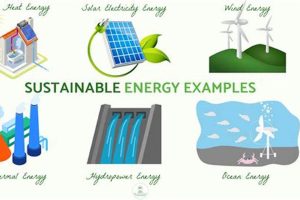
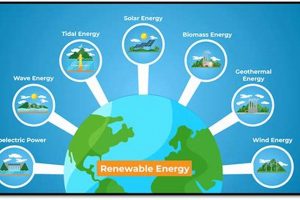
Energy derived entirely from sources that replenish naturally and are not depleted through use, such as solar, wind, geothermal, and hydro, represents a fundamental shift from fossil fuel reliance. For instance, a community powered solely by a combination of wind turbines and solar panels exemplifies this concept. This approach contrasts with systems that incorporate fossil fuels or nuclear power, even in small amounts.
A complete transition to such perpetually replenishing sources offers significant advantages, including decreased greenhouse gas emissions, enhanced energy security through reduced dependence on finite resources, and the potential for localized power generation, fostering greater energy independence. Historically, reliance on these naturally replenishing sources was commonplace before the widespread adoption of fossil fuels. The current resurgence of interest represents a return to these fundamental principles, driven by the imperative to mitigate climate change and ensure long-term energy sustainability.
This discussion will further explore the technical feasibility, economic viability, and societal implications of a global transition to a power system fueled exclusively by perpetually renewable sources. It will also examine specific technological advancements driving this transition and address the challenges that must be overcome to achieve this ambitious yet vital goal.
Tips for Transitioning to Perpetually Renewable Power
Implementing a power system based entirely on replenishable resources requires careful planning and execution. The following tips offer guidance for individuals, communities, and nations pursuing this transformative objective.
Tip 1: Conduct a Thorough Energy Audit: Assessing current energy consumption patterns is crucial. Understanding how, when, and where energy is used provides a baseline for identifying areas for improvement and potential integration of perpetually replenishing sources.
Tip 2: Prioritize Energy Efficiency: Reducing overall energy demand minimizes the scale of the transition. Implementing efficiency measures, such as building insulation and utilizing energy-efficient appliances, is a cost-effective first step.
Tip 3: Diversify Renewable Energy Sources: Relying on a mix of naturally replenishing sources, like solar, wind, hydro, and geothermal, enhances resilience and mitigates intermittency challenges associated with individual sources.
Tip 4: Invest in Energy Storage Solutions: Technologies such as batteries and pumped hydro storage are essential for balancing supply and demand, particularly with intermittent renewable sources. This ensures a consistent and reliable power supply.
Tip 5: Support Grid Modernization: Upgrading existing power grids to accommodate decentralized and fluctuating renewable energy generation is crucial for efficient distribution and integration.
Tip 6: Foster Community Engagement: Public support and participation are essential. Community-based initiatives, such as rooftop solar programs and local wind farms, can drive adoption and foster a sense of shared responsibility.
Tip 7: Promote Research and Development: Continuous innovation in renewable energy technologies and storage solutions is crucial for improving efficiency, lowering costs, and maximizing the potential of perpetually replenishing sources.
Embracing these strategies offers a pathway toward a future powered entirely by perpetually replenishing energy, yielding substantial environmental, economic, and societal benefits.
This exploration of practical steps serves as a foundation for further discussion on policy frameworks, financial incentives, and international cooperation needed to realize the full potential of a global transition to perpetually renewable energy.
1. Resource Availability

Resource availability forms the bedrock of any system aspiring to rely solely on perpetually replenishing energy sources. The geographic distribution and abundance of resources like solar irradiance, wind speeds, geothermal activity, and hydropower potential dictate the feasibility and effectiveness of different renewable energy technologies in specific locations. A region with consistently high solar irradiance, for example, presents an ideal environment for large-scale solar farms, while areas with strong and predictable winds are better suited for wind turbine installations. Understanding these regional variations is crucial for optimizing the deployment of renewable energy infrastructure and maximizing energy output. The uneven distribution of these resources necessitates careful planning and strategic investment to ensure a balanced and reliable energy supply. For instance, regions with limited hydropower potential may need to rely more heavily on a combination of solar, wind, and geothermal resources, potentially supplemented by energy storage solutions to address intermittency challenges. Conversely, areas with significant geothermal resources can leverage this constant energy source as a baseload power supply, complementing other intermittent renewables.
This spatial variability necessitates a nuanced approach to implementing absolute renewable energy systems. It underscores the importance of resource assessments and energy modeling to determine the optimal mix of renewable technologies for a given location. Furthermore, it highlights the potential for inter-regional cooperation and energy sharing, where regions with abundant resources can export surplus energy to areas with limited renewable potential. This interconnected approach can enhance energy security and ensure equitable access to clean energy across different geographic areas. For example, countries with extensive hydropower resources could export electricity to neighboring countries relying primarily on solar and wind power, creating a mutually beneficial system that leverages the strengths of each region’s resource endowment. This interconnectedness also encourages technological diversification, promoting innovation in both generation and transmission infrastructure to optimize resource utilization and minimize environmental impact.
The availability of renewable resources fundamentally determines the potential for achieving absolute renewable energy targets. Accurate resource mapping, strategic planning, and technological adaptation are essential for harnessing the full potential of these resources and ensuring a reliable and sustainable energy future. While challenges remain in addressing resource variability and intermittency, continued advancements in energy storage, grid management, and renewable energy technologies are paving the way for a future where power systems can operate entirely on perpetually replenishing resources. Overcoming these challenges requires not only technological innovation but also policy frameworks that incentivize investment, promote international collaboration, and ensure equitable access to the benefits of a clean energy transition. A comprehensive understanding of resource availability and its implications is therefore paramount for achieving the ambitious yet vital goal of absolute renewable energy.
2. Technological Advancements

Realizing the full potential of perpetually replenishing energy sources hinges critically on continuous technological advancements. These advancements drive improvements in efficiency, cost reductions, and the integration of these resources into existing power systems. Exploring these key technological facets provides a deeper understanding of their role in enabling a transition to a power system fueled exclusively by renewable resources.
- Improved Photovoltaic Efficiency:
Advances in photovoltaic technology have led to significant increases in the efficiency of solar panels, converting a larger proportion of sunlight into electricity. Examples include advancements in materials science, such as perovskite solar cells, and improved manufacturing processes. These advancements reduce the land area required for solar farms and enhance the economic viability of solar power, making it a more competitive energy source.
- Advanced Wind Turbine Design:
Innovations in wind turbine technology, such as larger rotor diameters, taller towers, and improved blade aerodynamics, enable the capture of more wind energy, particularly at higher altitudes and lower wind speeds. Offshore wind farms, utilizing floating platforms, access stronger and more consistent winds. These advancements increase the capacity factor of wind farms and expand the geographic areas suitable for wind energy generation.
- Enhanced Energy Storage Solutions:
The intermittent nature of solar and wind energy necessitates efficient and cost-effective energy storage. Advancements in battery technology, including lithium-ion and flow batteries, offer improved energy density, longer lifespans, and faster charging times. Other storage solutions, like pumped hydro storage and compressed air energy storage, provide large-scale storage capacity. These developments are crucial for ensuring a reliable and continuous power supply from intermittent renewable sources.
- Smart Grid Technologies:
Modernizing power grids through smart grid technologies is essential for managing the decentralized and fluctuating nature of renewable energy generation. Smart grids utilize advanced sensors, communication networks, and data analytics to optimize energy distribution, balance supply and demand, and integrate distributed generation sources. These technologies enhance grid stability, reduce transmission losses, and enable the seamless integration of renewable energy into existing infrastructure.
These interconnected technological advancements are crucial for overcoming the challenges associated with relying solely on perpetually replenishing resources. They drive down costs, improve efficiency, and enhance the reliability of renewable energy systems. Continued investment in research and development is essential for further advancements in these areas, accelerating the transition towards a sustainable energy future powered entirely by absolute renewable energy. Furthermore, integrating these technologies requires careful consideration of environmental impacts, lifecycle assessments, and resource management strategies to ensure a truly sustainable and equitable energy transition.
3. Economic Viability

The economic viability of absolute renewable energy systems is paramount for widespread adoption and long-term sustainability. Achieving cost-competitiveness with conventional energy sources is crucial for incentivizing investment, driving market growth, and ensuring affordability for consumers. Exploring the economic facets of this transition provides insights into its feasibility and potential for transformative change.
- Decreased Energy Costs:
Once initial investments are recovered, renewable energy sources offer significantly lower operating costs compared to fossil fuel-based power plants. Sunlight, wind, and geothermal heat are essentially free resources, eliminating fuel costs and price volatility associated with fossil fuels. This translates to stable and predictable energy prices for consumers, shielding them from fluctuating global fuel markets. For example, a solar farm, after its construction, incurs minimal operating costs compared to a coal-fired power plant, which requires continuous fuel purchases and waste disposal.
- Job Creation and Economic Growth:
The transition to absolute renewable energy creates significant employment opportunities in manufacturing, installation, maintenance, and research and development. The renewable energy sector is a rapidly growing industry, offering skilled and unskilled jobs across the supply chain. This stimulates local economies, fosters innovation, and contributes to sustainable economic growth. For instance, the expansion of wind energy generates jobs in turbine manufacturing, transportation, installation, and ongoing maintenance, revitalizing communities and fostering economic diversification.
- Reduced Healthcare Costs:
Transitioning away from fossil fuels significantly reduces air pollution, leading to improved public health outcomes and decreased healthcare expenditures. Renewable energy sources produce no harmful emissions, mitigating respiratory illnesses and other health problems associated with air pollution. This alleviates the burden on healthcare systems and enhances overall societal well-being. Studies have shown a direct correlation between air quality improvements and reduced hospital admissions for respiratory illnesses in regions transitioning to cleaner energy sources.
- Increased Energy Independence:
Relying on domestically sourced renewable energy reduces reliance on imported fossil fuels, enhancing energy security and mitigating geopolitical risks associated with energy dependence. This strengthens national energy independence, reduces vulnerability to global energy price fluctuations, and promotes greater control over energy resources. Countries with limited domestic fossil fuel reserves can achieve greater energy autonomy by harnessing their renewable resources, reducing their reliance on volatile international energy markets.
The economic benefits of absolute renewable energy extend beyond mere cost competitiveness. They encompass job creation, improved public health, enhanced energy security, and sustainable economic growth. These factors contribute to a stronger, more resilient, and environmentally responsible economy. By considering and quantifying these broader economic implications, policymakers can develop effective strategies to accelerate the transition to absolute renewable energy and unlock its full economic potential. This transition represents not just an environmental imperative but also a significant economic opportunity, paving the way for a more prosperous and sustainable future.
4. Grid Infrastructure

Grid infrastructure plays a crucial role in enabling the transition to absolute renewable energy. The inherent characteristics of renewable energy sources, such as their distributed nature and intermittency, necessitate significant adaptations and upgrades to existing grid systems. Traditional grids, designed for centralized power generation from fossil fuel plants, are often ill-equipped to handle the fluctuating power supply from sources like solar and wind. The effective integration of absolute renewable energy requires a modernized grid infrastructure capable of managing decentralized generation, balancing intermittent supply and demand, and ensuring grid stability and reliability. For instance, Germany’s Energiewende, a policy initiative focused on transitioning to renewable energy, has required substantial grid investments to accommodate the increasing share of wind and solar power in the country’s energy mix. This includes expanding transmission capacity, integrating smart grid technologies, and developing energy storage solutions.
Modernizing grid infrastructure for absolute renewable energy involves several key aspects. This includes expanding transmission capacity to connect remote renewable energy sources to population centers, implementing smart grid technologies to optimize energy flow and manage intermittency, and integrating energy storage solutions to provide grid stability and ensure a continuous power supply. Furthermore, distributed generation, where electricity is produced close to consumption points, requires grid upgrades to accommodate bidirectional power flow and manage voltage fluctuations. Microgrids, localized grids that can operate independently or connect to the main grid, offer enhanced resilience and reliability, particularly in remote areas or during grid outages. The development of advanced forecasting tools and grid management systems is also crucial for predicting renewable energy generation and optimizing grid operations. For example, in regions with high solar penetration, grid operators utilize sophisticated forecasting models to predict solar power output and adjust grid operations accordingly, ensuring grid stability and minimizing reliance on backup power sources.
The transition to absolute renewable energy hinges on the development of a robust and adaptable grid infrastructure. Addressing the challenges associated with integrating intermittent renewable sources requires significant investments in grid modernization, smart grid technologies, and energy storage solutions. Furthermore, effective grid management and regulatory frameworks are essential for ensuring grid stability, reliability, and affordability. The successful integration of absolute renewable energy into the grid is not merely a technical challenge but also a complex interplay of economic, policy, and regulatory considerations. Overcoming these challenges is crucial for unlocking the full potential of absolute renewable energy and achieving a sustainable energy future. This underscores the need for a holistic approach that considers the interconnectedness of technological advancements, economic incentives, and policy frameworks in driving the transition towards a grid infrastructure capable of supporting a power system based entirely on perpetually replenishing resources.
5. Policy and Regulation

Policy and regulation form the cornerstone of any successful transition to absolute renewable energy. These frameworks provide the necessary incentives, support mechanisms, and market signals to drive the adoption of renewable energy technologies, accelerate the phase-out of fossil fuels, and ensure a just and equitable transition. Effective policies and regulations are essential for creating a stable and predictable investment environment, fostering innovation, and guiding the development of a sustainable energy future. Without strong policy support, the transition to absolute renewable energy faces significant hurdles, including resistance from entrenched interests, financing challenges, and a lack of coordinated action. For example, the European Union’s Renewable Energy Directive sets binding targets for member states to increase the share of renewable energy in their final energy consumption, providing a clear policy framework for promoting renewable energy development and deployment.
- Renewable Portfolio Standards (RPS):
RPS policies mandate that electricity suppliers source a specific percentage of their electricity from renewable sources. These standards create a guaranteed market for renewable energy, incentivizing investment and deployment. Different states and countries have implemented varying RPS targets, with some aiming for 100% renewable electricity. California, for example, has an RPS requiring 60% renewable electricity by 2030, driving significant growth in the state’s renewable energy sector. These policies can be adjusted over time to reflect technological advancements and evolving policy goals.
- Feed-in Tariffs (FITs):
FITs provide guaranteed prices for renewable energy fed into the grid. This offers price stability for renewable energy producers, encouraging investment in renewable energy projects. FITs have been instrumental in promoting the growth of solar and wind power in countries like Germany and Spain. These tariffs typically decline over time as technology costs decrease, ensuring cost-effectiveness for consumers. The design of FITs can be tailored to specific technologies and local market conditions to maximize their effectiveness.
- Carbon Pricing Mechanisms:
Carbon pricing, through carbon taxes or cap-and-trade systems, internalizes the environmental cost of fossil fuel emissions. This makes fossil fuels less competitive and creates a level playing field for renewable energy sources. The revenue generated from carbon pricing can be used to fund further investments in renewable energy and support communities affected by the transition. The European Union Emissions Trading System (EU ETS) is an example of a cap-and-trade system that has contributed to emissions reductions in the power sector.
- Building Codes and Energy Efficiency Standards:
Building codes and energy efficiency standards mandate minimum energy performance requirements for new buildings and renovations. These regulations promote the adoption of energy-efficient technologies, reduce energy consumption, and create demand for renewable energy sources. These standards can encompass building insulation, appliance efficiency, and the integration of renewable energy technologies in building design. The International Energy Conservation Code (IECC) provides model energy codes that are adopted and adapted by jurisdictions across the United States.
Effective policy and regulatory frameworks are indispensable for achieving the goal of absolute renewable energy. These instruments provide the necessary support, incentives, and market signals to drive the transition away from fossil fuels and towards a sustainable energy future. The examples provided illustrate the diverse range of policy options available to governments and regulators. The optimal mix of policies will vary depending on the specific context and policy goals of each jurisdiction. However, the consistent thread across successful transitions is the presence of clear, consistent, and long-term policy support for renewable energy. This policy certainty encourages investment, fosters innovation, and ensures that the transition to absolute renewable energy is both economically viable and environmentally sustainable.
6. Social Acceptance

Widespread social acceptance constitutes a critical factor in the successful transition to absolute renewable energy. Public perception, community engagement, and addressing social equity concerns are integral to fostering a smooth and equitable shift towards a sustainable energy future. Resistance to renewable energy projects can arise from various factors, including aesthetic concerns, perceived environmental impacts, and distributional issues. Gaining public trust and ensuring that the benefits of renewable energy are shared equitably are essential for overcoming these challenges and achieving broad-based support for the transition. For example, community-owned wind farms, where local residents share in the economic benefits of the project, have proven successful in fostering social acceptance and accelerating the deployment of renewable energy.
- Community Engagement and Participation:
Involving communities in the planning and development of renewable energy projects is crucial for building trust and fostering ownership. This includes transparent communication, public consultations, and opportunities for local residents to participate in decision-making processes. Community-based renewable energy initiatives, such as rooftop solar cooperatives and community-owned wind farms, can empower communities to actively participate in the energy transition and share in its economic benefits. Examples include community solar projects in the United States, where residents subscribe to a shared solar array and receive credits on their electricity bills, fostering community participation and expanding access to solar energy.
- Addressing Aesthetic Concerns:
Visual impacts of renewable energy infrastructure, such as wind turbines and solar farms, can sometimes raise aesthetic concerns within communities. Careful site selection, landscape integration, and innovative design solutions can mitigate these concerns and minimize visual intrusion. For instance, integrating solar panels into building facades or rooftops can reduce the need for large-scale ground-mounted solar farms. Visualizations and simulations can help communities understand the potential visual impacts of renewable energy projects and inform decision-making processes.
- Ensuring Equitable Distribution of Benefits:
The benefits of renewable energy, such as job creation and economic development, should be distributed equitably across communities. Targeted policies and programs can ensure that disadvantaged communities have access to the economic opportunities associated with the renewable energy transition. This includes workforce development programs, job training initiatives, and community benefit agreements that ensure local hiring and economic development. For example, some renewable energy projects incorporate provisions for local hiring and community investment, ensuring that the economic benefits of the project are shared with the surrounding community.
- Education and Public Awareness:
Raising public awareness about the benefits of renewable energy is essential for fostering social acceptance. Educational campaigns, public forums, and community outreach programs can inform residents about the environmental, economic, and social advantages of transitioning to absolute renewable energy. This includes dispelling misinformation about renewable energy technologies and addressing public concerns about their reliability and cost-effectiveness. Transparent and accessible information empowers communities to make informed decisions about renewable energy projects and participate actively in the energy transition. Successful examples include public awareness campaigns that highlight the health benefits of clean energy and the economic opportunities associated with the renewable energy sector.
Social acceptance is not merely a passive element but an active and crucial component of the transition to absolute renewable energy. By addressing community concerns, fostering public participation, and ensuring equitable distribution of benefits, societies can build a strong foundation of support for this transformative shift. These efforts are essential for creating a sustainable energy future that benefits all members of society. The successful integration of social considerations into renewable energy planning and deployment underscores the interconnectedness of technological advancements, economic viability, and social equity in achieving the ambitious yet vital goal of absolute renewable energy.
Frequently Asked Questions
This section addresses common inquiries regarding energy systems powered exclusively by perpetually replenishing resources.
Question 1: Is a 100% renewable energy system truly achievable?
Technological advancements and decreasing costs of renewable energy technologies, coupled with sophisticated energy storage solutions, are making a complete transition increasingly feasible. Challenges remain, but continued innovation and supportive policies are paving the way for widespread implementation.
Question 2: How can intermittency issues associated with solar and wind power be addressed?
Intermittency is mitigated through a combination of diversified renewable sources (solar, wind, hydro, geothermal), advanced energy storage technologies (batteries, pumped hydro), and smart grid management systems that optimize energy distribution and balance supply and demand.
Question 3: What are the economic implications of transitioning to such a system?
The transition presents significant economic opportunities, including job creation in the renewable energy sector, reduced energy costs due to elimination of fuel expenses, and decreased healthcare costs associated with improved air quality. Furthermore, it fosters energy independence by reducing reliance on imported fossil fuels.
Question 4: What role does grid infrastructure play in enabling this transition?
Modernizing and expanding existing grid infrastructure is essential for integrating decentralized and intermittent renewable energy sources. Smart grid technologies, enhanced transmission capacity, and distributed generation solutions are crucial for efficient and reliable power distribution.
Question 5: What policy and regulatory measures are necessary to support this shift?
Supportive policies, such as renewable portfolio standards, feed-in tariffs, carbon pricing mechanisms, and tax incentives, are vital for incentivizing investment in renewable energy, accelerating its deployment, and phasing out fossil fuels.
Question 6: How can public acceptance of large-scale renewable energy projects be fostered?
Community engagement, transparent communication, and equitable distribution of benefits are crucial for building public trust and fostering social acceptance. Addressing aesthetic concerns, involving local communities in decision-making processes, and highlighting the environmental and economic advantages of renewable energy are essential for garnering widespread support.
Transitioning to a system powered solely by perpetually replenishing resources offers significant environmental, economic, and social benefits. Addressing the challenges through technological innovation, policy support, and community engagement is crucial for achieving this transformative goal.
Further exploration of specific renewable energy technologies, their integration into existing power systems, and the global implications of this transition will follow in subsequent sections.
Conclusion
This exploration has examined the multifaceted nature of absolute renewable energy, encompassing resource availability, technological advancements, economic viability, grid infrastructure requirements, policy and regulatory frameworks, and the crucial role of social acceptance. The analysis reveals that a transition to a power system fueled exclusively by perpetually replenishing sources is not merely a utopian vision but a technically feasible, economically advantageous, and socially beneficial objective. While challenges remain, the convergence of technological innovation, declining costs, and growing public awareness underscores the increasing viability of this transformative shift.
The pursuit of absolute renewable energy represents a decisive step towards mitigating climate change, ensuring long-term energy security, and fostering a more sustainable and equitable future. It demands a concerted global effort, encompassing policy commitments, technological innovation, and societal engagement. The transition requires not only embracing readily available technologies but also investing in research and development to further enhance the efficiency, affordability, and accessibility of renewable energy systems. The future of energy hinges on the collective commitment to realizing the full potential of absolute renewable energy, securing a sustainable and prosperous future for generations to come.