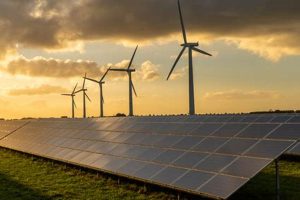
South Africa possesses a wealth of natural resources suitable for generating power from sustainable sources such as solar, wind, hydro, and biomass. Harnessing these resources offers a pathway to diversify the nation’s energy mix, reducing reliance on fossil fuels.
Developing this sector offers significant advantages, including reduced carbon emissions, job creation in rural communities, and enhanced energy security. Historically, the country has been heavily reliant on coal-fired power plants. However, increasing awareness of environmental concerns and the economic potential of sustainable power generation has spurred investment and development in this area. This shift is crucial for mitigating climate change impacts and promoting sustainable economic growth.
Further exploration of this topic will cover specific technologies being implemented, governmental policies supporting their adoption, challenges faced in the transition, and the future potential of these resources to power the nation.
Tips for Supporting Sustainable Power in South Africa
Individuals and organizations can contribute to the growth of the sustainable power sector. These tips offer practical actions to support this transition.
Tip 1: Invest in rooftop solar: Installing photovoltaic panels on homes and businesses can reduce reliance on the national grid and lower electricity bills. Consider exploring available financing options and incentives.
Tip 2: Support local initiatives: Many community-based projects focus on developing sustainable power solutions. Explore opportunities to invest in or volunteer with these initiatives.
Tip 3: Advocate for policy changes: Engage with local and national government representatives to advocate for policies that promote sustainable power development and adoption.
Tip 4: Reduce energy consumption: Implementing energy-efficient practices at home and in the workplace minimizes overall demand, lessening the burden on the power grid and reducing carbon footprints.
Tip 5: Educate others: Raising awareness about the benefits of sustainable power can encourage wider adoption and support for this critical sector.
Tip 6: Research sustainable power providers: Explore electricity providers that prioritize sustainable sources and consider switching to support companies investing in these technologies.
Tip 7: Explore career opportunities: The growing sustainable power sector offers diverse career paths. Investigate opportunities in engineering, research, development, and policy.
By adopting these suggestions, individuals and organizations can contribute to a cleaner energy future for South Africa and support sustainable economic growth.
These actionable steps contribute to a larger movement towards a more sustainable energy landscape, ensuring a brighter future for generations to come.
1. Solar potential

South Africa’s geographic location and climate provide a significant advantage for harnessing solar energy. This abundant resource presents a key opportunity within the broader context of renewable energy development in the country. Understanding the various facets of this potential is crucial for maximizing its contribution to the national energy mix.
- Irradiance Levels
High levels of solar irradiance, particularly in the Northern Cape and other central regions, offer ideal conditions for large-scale solar power generation. These regions receive among the highest amounts of solar radiation globally, making them prime locations for photovoltaic (PV) and concentrated solar power (CSP) plants. This natural advantage translates into higher energy yields and contributes significantly to the overall viability of solar projects.
- Land Availability
Vast tracts of sparsely populated land, especially in the areas with the highest irradiance, facilitate the development of large-scale solar installations. This minimizes land-use conflicts and reduces development costs compared to regions with limited land availability. This readily available land resource allows for the construction of utility-scale solar farms capable of generating substantial amounts of electricity.
- Decentralized Generation Potential
Solar energy’s suitability for rooftop installations empowers individuals and businesses to generate their own electricity. This decentralized generation reduces reliance on the national grid and strengthens energy security at the local level. Rooftop solar also contributes to peak demand reduction, alleviating pressure on the grid during periods of high energy consumption.
- Economic Implications
Investing in solar energy infrastructure stimulates economic growth through job creation in manufacturing, installation, maintenance, and research. The development of a robust solar industry contributes to a more diversified economy and reduces reliance on imported fossil fuels, thereby improving the country’s balance of trade. Furthermore, the falling cost of solar technology makes it increasingly competitive with traditional energy sources, enhancing its long-term economic viability.
These factors combine to position solar energy as a pivotal component of South Africa’s renewable energy landscape. By leveraging its solar potential, the nation can transition towards a more sustainable energy future, mitigate the impacts of climate change, and stimulate economic development.
2. Wind resources

South Africa’s extensive coastline and elevated inland regions offer considerable potential for wind energy generation, making it a significant component of the nation’s renewable energy portfolio. The consistent and strong winds prevalent in these areas provide a reliable source of power, particularly along the Eastern Cape and Western Cape coasts. This natural advantage positions wind power as a key contributor to diversifying the energy mix and reducing reliance on fossil fuels. For instance, several large-scale wind farms, such as the Jeffreys Bay Wind Farm and the Gouda Wind Farm, are already operational, demonstrating the viability of wind energy in South Africa.
Harnessing wind resources offers multiple advantages. It provides a clean source of electricity, reducing greenhouse gas emissions and contributing to national climate change mitigation efforts. The development of wind farms also creates employment opportunities in manufacturing, construction, operation, and maintenance, stimulating local economies and contributing to skills development. Moreover, wind energy can enhance energy security by reducing dependence on imported fossil fuels and fluctuating global energy prices. The decentralized nature of wind farms can also improve energy access in remote areas, supporting rural electrification initiatives and promoting socio-economic development.
While wind energy presents significant opportunities, integrating it into the national grid requires careful planning and management. Intermittency, the fluctuating nature of wind, necessitates grid management strategies such as energy storage solutions and demand-side management programs. Environmental considerations, including the potential impact on bird and bat populations, require thorough environmental impact assessments and mitigation measures. Despite these challenges, the potential of wind resources to contribute significantly to South Africa’s renewable energy future remains substantial, offering a viable pathway towards a more sustainable and secure energy landscape.
3. Hydropower capacity

Hydropower represents a well-established component of South Africa’s energy mix, offering a reliable and sustainable source of electricity generation. Existing infrastructure, such as the large-scale hydropower schemes along the Orange River, notably the Gariep and Vanderkloof Dams, contributes significantly to the nation’s baseload power supply. These established facilities demonstrate the long-standing role of hydropower in South Africa’s energy landscape. However, the potential for large-scale hydropower expansion is limited due to geographic constraints and environmental considerations. Therefore, the focus has shifted towards optimizing existing facilities and exploring the potential of small-scale hydropower projects, particularly run-of-river schemes, which have a lower environmental impact. These smaller projects can contribute to localized power generation and improve energy access in remote areas.
The role of hydropower within the broader context of renewable energy in South Africa is crucial for several reasons. Its ability to provide stable baseload power complements the intermittent nature of other renewable sources like solar and wind. Hydropower plants can also provide ancillary services to the grid, such as frequency regulation and voltage support, enhancing overall grid stability and reliability. Pumped storage schemes, which utilize surplus energy to pump water uphill for later release during peak demand periods, offer a form of energy storage that enhances the integration of intermittent renewable sources. These storage solutions contribute to a more resilient and flexible grid, capable of accommodating increasing contributions from variable renewable energy sources.
Despite its established presence, hydropower faces specific challenges in the South African context. Water scarcity, exacerbated by climate change, poses a significant threat to hydropower generation. Balancing water resource management with energy production requires careful planning and consideration of competing water demands. The environmental impact of large dams, including habitat alteration and downstream flow modifications, necessitates ongoing environmental monitoring and mitigation efforts. Furthermore, aging infrastructure requires refurbishment and modernization to ensure continued operational efficiency and safety. Addressing these challenges is crucial for maximizing the long-term contribution of hydropower to South Africa’s sustainable energy future. This requires a strategic approach that balances the benefits of hydropower with its potential environmental and social impacts, ensuring sustainable and responsible development.
4. Biomass energy

Biomass energy, the utilization of organic matter for power generation, presents a unique opportunity within South Africa’s renewable energy landscape. The country’s agricultural sector and forestry industry generate substantial biomass resources, including crop residues, wood chips, and dedicated energy crops. This readily available feedstock offers a sustainable alternative to fossil fuels, particularly in rural areas where access to other renewable energy sources may be limited. For example, sugar mills in KwaZulu-Natal are already utilizing bagasse, a byproduct of sugarcane processing, to generate electricity, demonstrating the practical application of biomass energy. Furthermore, initiatives focused on cultivating dedicated energy crops, such as switchgrass and willow, offer the potential to create new economic opportunities in rural communities while contributing to sustainable energy production. This approach not only diversifies energy sources but also promotes rural development and reduces reliance on fossil fuel imports.
Harnessing biomass for energy offers several distinct advantages within the South African context. It provides a baseload power source, contributing to grid stability and complementing intermittent renewable sources like solar and wind. Biomass energy also offers a pathway for waste management, reducing landfill burdens and converting agricultural residues into valuable resources. Projects such as the Bio2Watt biogas plant near Bronkhorstspruit, which converts organic waste into electricity, showcase the potential of this approach. Furthermore, biomass gasification can produce syngas, a versatile fuel that can be used for electricity generation, heating, or transportation. This versatility enhances the potential of biomass to contribute to multiple sectors of the economy.
Despite the potential benefits, biomass energy faces specific challenges in South Africa. Sustainable feedstock sourcing is crucial to avoid deforestation and competition with food production. Efficient and cost-effective conversion technologies are essential to maximize energy yields and minimize environmental impacts. Addressing these challenges requires careful planning, technological advancements, and supportive policy frameworks. Strategic development of the biomass energy sector can contribute significantly to South Africa’s renewable energy goals, promoting sustainable rural development, enhancing energy security, and reducing greenhouse gas emissions. This integrated approach, considering both the opportunities and challenges, is essential for realizing the full potential of biomass energy as a key component of South Africa’s transition to a sustainable energy future.
5. Policy framework

A robust policy framework is essential for driving the growth and development of renewable energy in South Africa. Supportive policies create an enabling environment for investment, innovation, and deployment of renewable energy technologies. The effectiveness of these policies directly influences the pace of the country’s transition to a more sustainable energy future, impacting economic development, job creation, and environmental sustainability.
- Renewable Energy Independent Power Producer Procurement Programme (REIPPPP)
The REIPPPP is a competitive bidding program designed to procure renewable energy from independent power producers (IPPs). It has been instrumental in attracting significant investment in renewable energy projects, contributing substantially to the growth of the sector. The program’s success demonstrates the effectiveness of a well-structured policy framework in stimulating private sector participation and accelerating renewable energy deployment. Through multiple bidding rounds, the REIPPPP has facilitated the development of numerous wind, solar, and other renewable energy projects, significantly increasing the country’s renewable energy capacity.
- Integrated Resource Plan (IRP)
The IRP is a long-term energy planning document that outlines South Africa’s future electricity generation mix. It sets targets for renewable energy capacity and guides investment decisions in the energy sector. The IRP plays a crucial role in shaping the trajectory of renewable energy development by providing a clear roadmap for the country’s energy transition. The plan’s emphasis on diversification and decarbonization underscores the importance of renewable energy in meeting future energy demands.
- Net Metering and Feed-in Tariffs
Net metering policies allow individuals and businesses generating renewable energy to offset their consumption against electricity purchased from the grid. Feed-in tariffs provide a guaranteed price for renewable energy fed back into the grid. These policies incentivize distributed generation and empower consumers to participate actively in the renewable energy transition. They encourage the adoption of rooftop solar and other small-scale renewable energy systems, fostering a more decentralized and resilient energy system. For instance, municipalities like Cape Town and Ekurhuleni have implemented net metering programs, enabling residents to benefit from generating their own renewable electricity.
- Tax Incentives and Financing Mechanisms
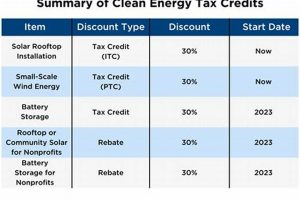
Various tax incentives and financing mechanisms are available to support renewable energy projects in South Africa. These include tax breaks for renewable energy equipment, grants for research and development, and concessional loans for project development. These financial instruments play a vital role in reducing the cost of renewable energy technologies and making them more accessible to investors and consumers. The availability of dedicated financing facilities, such as the Green Climate Fund, further enhances the viability of renewable energy projects.
These policy instruments, working in concert, create a comprehensive framework that supports the continued growth of renewable energy in South Africa. The policy landscape is constantly evolving to address emerging challenges and opportunities, aiming to create a more sustainable, secure, and affordable energy future for the country. Effective policy implementation, coupled with ongoing stakeholder engagement and public awareness campaigns, is essential for realizing the full potential of renewable energy to transform South Africa’s energy sector and contribute to broader socio-economic development goals. The success of these policies will be crucial in determining the pace and effectiveness of South Africa’s transition towards a cleaner energy future, impacting not only its environmental sustainability but also its economic growth and social development.
Frequently Asked Questions
Addressing common inquiries regarding the development and utilization of sustainable energy sources within South Africa.
Question 1: What are the primary renewable energy sources being utilized in South Africa?
The leading sources include solar photovoltaic (PV), wind, hydropower, and biomass. Each offers unique advantages and contributes to diversifying the energy mix.
Question 2: How does the cost of renewable energy compare to traditional fossil fuels?
The cost of renewable energy technologies has decreased significantly in recent years, making them increasingly competitive with fossil fuels. In many cases, renewable energy is now the most cost-effective option for new power generation.
Question 3: What is the role of government policy in promoting renewable energy adoption?
Government policies, such as the Renewable Energy Independent Power Producer Procurement Programme (REIPPPP) and the Integrated Resource Plan (IRP), play a crucial role in incentivizing investment, setting targets, and creating a supportive regulatory framework for renewable energy development.
Question 4: How does renewable energy contribute to job creation in South Africa?
The renewable energy sector creates employment opportunities across various value chains, including manufacturing, installation, operation, and maintenance. This contributes to economic growth and skills development, particularly in rural communities.
Question 5: What are the environmental benefits of transitioning to renewable energy?
Renewable energy sources produce significantly lower greenhouse gas emissions compared to fossil fuels, mitigating climate change impacts and improving air quality. They also reduce reliance on finite resources and minimize environmental degradation associated with fossil fuel extraction.
Question 6: What are the key challenges facing the renewable energy sector in South Africa?
Challenges include grid integration of intermittent renewable sources, ensuring sustainable feedstock supply for biomass energy, water resource management for hydropower, and securing consistent policy support for long-term investment.
Understanding these fundamental aspects of renewable energy is crucial for fostering informed discussions and supporting the transition toward a sustainable energy future in South Africa. Addressing these common questions provides clarity on the potential and the complexities associated with harnessing sustainable energy resources.
Exploring future prospects and potential advancements in renewable energy technologies within South Africa is essential for continued progress in the sector. This analysis will delve into the next phase of development and innovation within sustainable power generation.
Renewable Energy
This exploration has highlighted the multifaceted nature of renewable energy within the South African context. From abundant solar and wind resources to the established presence of hydropower and the emerging potential of biomass, the nation possesses a diverse portfolio of sustainable energy options. The examination of key technologies, alongside the supportive policy framework provided by initiatives like the REIPPPP and the IRP, underscores the commitment to a cleaner energy future. Challenges such as grid integration and resource management require ongoing attention, but the overall trajectory points towards significant growth and transformation within the energy sector.
The transition toward renewable energy represents not merely a shift in energy sources but a fundamental step towards a more sustainable and prosperous future for South Africa. Continued investment, innovation, and strategic planning are essential to fully realize the potential of these resources, ensuring energy security, economic growth, and environmental stewardship for generations to come. The path towards a sustainable energy landscape requires collective effort and a sustained commitment to harnessing the power of renewable resources.