Liquid, solid, and gaseous fuels derived from recently living organic matter constitute a significant category of sustainable energy sources. Examples include ethanol from corn or sugarcane, biodiesel from vegetable oils, and biogas from anaerobic digestion of organic waste. These alternatives to fossil fuels offer diverse applications in transportation, electricity generation, and heating.
Harnessing contemporary biological processes for fuel production offers a pathway toward reduced reliance on finite fossil fuel reserves and mitigation of greenhouse gas emissions. This approach has the potential to enhance energy security, stimulate rural economies, and promote sustainable agricultural practices. The pursuit of these fuel sources has a long history, with early experiments dating back to the late 19th and early 20th centuries, but recent technological advancements have significantly increased their viability and efficiency.
Further exploration will delve into the specific types of these fuels, their production processes, environmental and economic impacts, and the ongoing research aimed at optimizing their role in the global energy landscape.
Tips for Supporting Sustainable Fuel Sources
Informed decision-making and proactive measures can contribute significantly to the broader adoption and development of sustainable fuel alternatives. The following recommendations provide practical guidance for individuals, communities, and businesses seeking to engage with this evolving energy landscape.
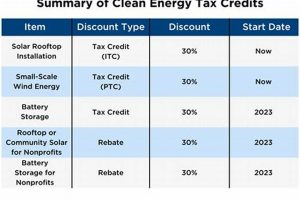
Tip 1: Advocate for Supportive Policies: Engaging with local and national representatives to promote policies that incentivize the production and consumption of these fuels, such as tax credits, subsidies, and renewable portfolio standards, can accelerate their integration into the energy market.
Tip 2: Make Informed Fuel Choices: Where available, opting for vehicles and heating systems compatible with sustainable alternatives, like flexible-fuel vehicles or biodiesel-ready heating systems, directly supports the demand for these fuels.
Tip 3: Support Sustainable Agriculture: Choosing products from farms employing sustainable practices, which may include the cultivation of feedstocks for biofuel production, contributes to a more environmentally responsible agricultural sector.
Tip 4: Invest in Research and Development: Supporting research initiatives focused on improving the efficiency and sustainability of fuel production processes, including exploring next-generation feedstocks and conversion technologies, can drive innovation in the field.
Tip 5: Reduce Overall Energy Consumption: Implementing energy efficiency measures in homes, businesses, and transportation reduces overall energy demand, indirectly supporting the transition to a more diverse and sustainable energy mix.
Tip 6: Stay Informed: Keeping abreast of advancements in fuel technologies, policies, and market trends empowers individuals and organizations to make informed decisions about their energy choices and advocacy efforts.
By incorporating these recommendations, stakeholders can contribute to a future where fuels derived from renewable sources play a more prominent role in meeting global energy needs, mitigating climate change, and promoting a more sustainable and secure energy future.
The subsequent sections will provide a deeper analysis of the specific challenges and opportunities associated with transitioning to a more sustainable energy paradigm.
1. Sustainable Source

The sustainability of feedstock sourcing is paramount for genuinely renewable biofuel production. Utilizing sustainable sources ensures the long-term viability of this energy sector and minimizes unintended environmental and social consequences. A crucial aspect of sustainability involves minimizing land-use change, particularly avoiding deforestation or conversion of natural habitats for biofuel crop cultivation. Responsible sourcing practices also prioritize minimizing water consumption and pollution associated with agricultural activities. For instance, utilizing agricultural residues like corn stover or wheat straw as feedstock, rather than dedicating land solely for fuel crops, reduces pressure on land resources and can enhance soil health. Furthermore, sustainable sourcing considers the entire lifecycle of the feedstock, including fertilizer use, transportation, and processing, aiming to minimize environmental impacts at each stage. Examples include using cover crops to reduce nitrogen runoff and employing efficient irrigation techniques to conserve water.
The connection between sustainable sourcing and genuinely renewable biofuel energy is inextricably linked. Unsustainable practices, such as deforestation for palm oil plantations or intensive monoculture farming leading to soil degradation, negate the environmental benefits of utilizing biofuels in the first place. Furthermore, social sustainability must be considered. Sustainable sourcing practices avoid exploiting labor and ensure fair compensation for farmers and workers involved in feedstock production. Supporting local communities and promoting equitable access to resources are crucial elements of a truly sustainable biofuel industry. Certification schemes, such as the Roundtable on Sustainable Biomaterials (RSB), provide standards and verification processes to ensure the sustainability of biofuel production throughout the supply chain.
A comprehensive understanding of sustainable sourcing practices is crucial for realizing the full potential of renewable biofuel energy. Addressing challenges related to land use, water management, and social equity is essential for ensuring that biofuel production contributes to a more sustainable and equitable energy future. Ultimately, the long-term success of the biofuel sector hinges on the development and implementation of robust sustainability criteria throughout the entire supply chain.
2. Reduced Emissions

Mitigating climate change requires a transition to lower-carbon energy sources. Renewable biofuel energy offers a potential pathway to reduced greenhouse gas emissions compared to fossil fuels, although the extent of these reductions varies depending on feedstock, production methods, and overall lifecycle considerations.
- Lifecycle Emissions:
Evaluating emissions throughout the entire lifecyclefrom feedstock cultivation to fuel combustionprovides a comprehensive understanding of the environmental impact. Factors such as fertilizer use, land-use change, transportation, and processing contribute to the overall emissions profile. Life cycle analysis helps identify areas for improvement and compare different biofuel pathways.
- Carbon Intensity:
The amount of carbon dioxide emitted per unit of energy produced is a key metric for comparing different fuels. Biofuels generally exhibit lower carbon intensity than conventional fossil fuels, although this can vary significantly. For example, sugarcane ethanol generally has a lower carbon intensity than corn ethanol due to differences in agricultural practices and processing efficiencies.
- Greenhouse Gas Reduction Potential:
The potential for greenhouse gas reductions depends on factors such as feedstock type, production methods, and end-use application. Advanced biofuels derived from cellulosic biomass, such as switchgrass or wood residues, offer greater potential for emissions reductions compared to conventional biofuels. Optimizing production processes and utilizing waste streams further enhance the emissions reduction potential.
- Indirect Land-Use Change (ILUC):
Increased demand for biofuel feedstocks can indirectly lead to land-use change elsewhere, potentially offsetting some of the emissions benefits. For example, if land is converted from food crops to biofuel crops, it may lead to increased deforestation elsewhere to meet food demand. Accounting for ILUC effects is crucial for accurately assessing the overall environmental impact of biofuels.
The overall effectiveness of renewable biofuel energy in reducing emissions depends on careful consideration of these interconnected factors. Sustainable feedstock sourcing, efficient production technologies, and lifecycle assessments are crucial for maximizing the climate change mitigation potential of biofuels and ensuring their contribution to a more sustainable energy future.
3. Energy Security

Energy security involves ensuring reliable, affordable, and accessible energy supplies while minimizing dependence on volatile global markets and geopolitical instability. Renewable biofuel energy contributes to enhanced energy security by diversifying energy sources and reducing reliance on imported fossil fuels. This diversification mitigates the risks associated with price fluctuations, supply disruptions, and geopolitical tensions inherent in the global fossil fuel market. Domestically produced biofuels can strengthen national energy independence and reduce vulnerability to external shocks. For instance, Brazil’s extensive sugarcane ethanol program has significantly reduced its dependence on foreign oil, bolstering its energy security.
Furthermore, distributed biofuel production, particularly in rural areas, enhances local energy resilience. Localized production can reduce dependence on centralized power grids and fuel distribution networks, minimizing vulnerability to natural disasters or infrastructure disruptions. This distributed energy model can empower communities and enhance energy access in remote or underserved regions. For example, community-based biogas digesters can provide clean cooking fuel and electricity in rural areas, improving energy access and reducing reliance on traditional biomass fuels.
A comprehensive energy security strategy requires a multifaceted approach that incorporates renewable biofuel energy as a key component. The strategic development of sustainable biofuel production and distribution networks can bolster national energy independence, enhance local resilience, and contribute to a more secure and stable energy future. However, challenges related to feedstock availability, infrastructure development, and policy support must be addressed to fully realize the energy security benefits offered by renewable biofuels.
4. Economic Growth

Renewable biofuel energy presents a significant opportunity for economic growth, impacting various sectors and creating new economic activities. The development of a biofuel industry stimulates agricultural economies by creating demand for feedstocks, offering farmers new revenue streams and diversifying agricultural production. This increased demand can revitalize rural communities, creating jobs in feedstock production, processing, transportation, and biofuel distribution. For example, the expansion of ethanol production in the United States has generated employment opportunities in rural areas and provided economic benefits to farmers cultivating corn for ethanol production. Similarly, the development of biodiesel industries based on oilseed crops like soybeans or canola can contribute to rural economic development and create new value chains.
Beyond agriculture, the biofuel sector drives innovation and investment in related industries such as biorefining technologies, specialized equipment manufacturing, and research and development. This stimulates technological advancements and fosters the growth of new businesses and industries, contributing to broader economic diversification. Furthermore, investments in biofuel infrastructure, including biorefineries, transportation networks, and storage facilities, create construction jobs and stimulate economic activity. The development of advanced biofuels, utilizing non-food feedstocks like cellulosic biomass or algae, offers further economic opportunities by expanding the range of potential feedstocks and creating new markets for innovative technologies. For instance, the development of cellulosic ethanol production can utilize agricultural residues and forestry waste, creating value from previously underutilized resources and stimulating economic activity in these sectors.
Realizing the full economic growth potential of renewable biofuel energy requires supportive policies, including investment incentives, research funding, and stable market mechanisms. Addressing challenges related to infrastructure development, feedstock availability, and technological advancements is crucial for maximizing the economic benefits. A well-developed biofuel industry can contribute to job creation, rural development, technological innovation, and a more diversified and resilient economy. Strategic investments and policy frameworks that promote sustainable biofuel production can unlock significant economic opportunities and contribute to a more prosperous and sustainable future.
5. Technological Advancement

Advancements in technology play a crucial role in the evolution and viability of renewable biofuel energy. These advancements span the entire biofuel production process, from feedstock development to fuel conversion and utilization. Continuous innovation is essential for improving efficiency, reducing costs, and minimizing the environmental impact of biofuel production.
- Feedstock Development
Developing improved feedstocks is crucial for enhancing the sustainability and efficiency of biofuel production. Genetic engineering and biotechnology are employed to develop crops with higher yields, improved stress tolerance, and enhanced oil or carbohydrate content. Examples include genetically modified algae with increased lipid production for biodiesel and engineered switchgrass with higher cellulose content for ethanol production. These advancements can reduce land requirements and improve the overall efficiency of biofuel production.
- Conversion Technologies
Efficiently converting biomass into usable fuels requires innovative technologies. Advanced biorefineries employ various processes, such as enzymatic hydrolysis, gasification, and pyrolysis, to break down complex biomass into simpler molecules suitable for fuel production. Improvements in these technologies, including the development of more efficient enzymes and catalysts, can significantly reduce processing costs and improve yields. For example, advancements in enzymatic hydrolysis are crucial for efficiently converting cellulosic biomass into sugars for ethanol production.
- Biofuel Upgrading
Upgrading biofuels to meet required fuel standards and improve their performance characteristics is essential for their widespread adoption. Processes such as hydrotreating and isomerization are used to remove impurities, improve fuel stability, and enhance energy content. Technological advancements in these upgrading processes are critical for producing high-quality biofuels that are compatible with existing infrastructure and engine technologies. For example, hydrotreating can be used to remove oxygen and nitrogen from bio-oils, improving their stability and compatibility with conventional diesel engines.
- Process Integration and Optimization
Integrating different stages of the biofuel production process and optimizing overall system efficiency are crucial for minimizing costs and environmental impacts. Process integration can involve combining biofuel production with other industrial processes, such as power generation or chemical production, to utilize waste streams and improve resource efficiency. Advanced process control and optimization techniques are employed to maximize yields, minimize energy consumption, and reduce waste generation. For example, integrating biofuel production with biochar production can enhance overall sustainability by sequestering carbon and creating a valuable soil amendment.
Continued technological advancements across these facets are essential for driving down the cost of renewable biofuel energy, improving its environmental performance, and expanding its role in the global energy mix. These innovations will be crucial for realizing the full potential of biofuels as a sustainable and secure energy source, contributing to a more sustainable and diversified energy future. As technology evolves, further breakthroughs in areas such as artificial photosynthesis, microbial fuel cells, and advanced genetic engineering hold the promise of even more efficient and sustainable biofuel production processes. Comparing current technologies with emerging innovations reveals the dynamic nature of the biofuel sector and its potential for continued growth and development.
Frequently Asked Questions
The following addresses common inquiries regarding fuels derived from renewable biomass.
Question 1: How do these fuels differ from fossil fuels?
These fuels originate from recently living organic matter, replenished through biological processes, while fossil fuels derive from ancient organic matter over millions of years. This difference in origin has significant implications for carbon cycling and environmental impact.
Question 2: What are the primary types of these fuels?
Major categories include bioethanol, typically derived from corn or sugarcane; biodiesel, produced from vegetable oils or animal fats; and biogas, generated from anaerobic digestion of organic waste. Each type has distinct properties and applications.
Question 3: What are the key environmental benefits?
Compared to fossil fuels, these alternatives offer the potential for reduced greenhouse gas emissions, improved air quality, and decreased reliance on finite resources. However, the exact environmental impact depends on feedstock production and fuel conversion processes.
Question 4: What are the economic implications of utilizing these fuels?
Economic effects include job creation in rural areas, increased farm income through feedstock production, and reduced reliance on imported fossil fuels. However, economic viability often depends on government policies, technological advancements, and market conditions.
Question 5: What are the main technological challenges in this field?
Challenges include optimizing feedstock production, improving conversion technologies to increase efficiency and reduce costs, and developing infrastructure for fuel distribution and utilization. Ongoing research focuses on overcoming these challenges to enhance the competitiveness of these fuels.
Question 6: How can individuals contribute to the development of this energy sector?
Individuals can support the industry through informed consumer choices, such as purchasing vehicles capable of utilizing these fuels, advocating for supportive policies, and reducing overall energy consumption. Public awareness and engagement are crucial for the growth and adoption of these alternatives.
Understanding these key aspects is crucial for informed decision-making and effective engagement in the transition towards a more sustainable energy future. Further investigation into specific biofuel pathways, policy frameworks, and technological advancements will provide a more nuanced perspective.
The subsequent sections will delve into the specific challenges and opportunities associated with integrating these fuels into the broader energy landscape.
Conclusion
Renewable biofuel energy represents a complex yet promising pathway toward a more sustainable energy future. Exploration of this topic has revealed its multifaceted nature, encompassing sustainable feedstock sourcing, reduced emissions compared to fossil fuels, enhanced energy security through diversification, economic growth potential, and continuous technological advancements. Successfully integrating these fuels into the global energy landscape requires careful consideration of each of these interconnected aspects. Addressing the challenges associated with land use, water management, and socioeconomic impacts is crucial for ensuring the long-term viability and sustainability of biofuel production.
The transition to a more sustainable energy system requires a concerted effort from governments, industry, researchers, and consumers. Continued investment in research and development, supportive policy frameworks, and increased public awareness are essential for unlocking the full potential of renewable biofuel energy. The future of this sector hinges on innovation, collaboration, and a commitment to sustainable practices. Ultimately, the successful integration of renewable biofuel energy offers a crucial step toward mitigating climate change, enhancing energy security, and building a more sustainable and prosperous future.