Controllable sources of power generation from renewable resources, such as hydropower, geothermal, and biomass, offer a reliable and sustainable alternative to traditional fossil fuels. These resources can be adjusted to meet fluctuating energy demands, similar to conventional power plants. For example, a hydroelectric dam can regulate water flow through turbines to increase or decrease electricity production based on real-time grid requirements.
The ability to adjust power output from renewable sources is critical for grid stability and reliability, especially as the penetration of intermittent sources like solar and wind increases. Historically, reliance on fossil fuels provided this controllability. However, the growing need to decarbonize the energy sector necessitates the development and deployment of these controllable, clean energy alternatives. They offer a crucial bridge to a future powered by sustainable energy while maintaining grid stability and security.
Further exploration of this topic will encompass specific technologies, their current development status, and the associated challenges and opportunities they present in the transition to a sustainable energy future.
Tips for Integrating Controllable Renewable Energy Sources
Successfully integrating controllable renewable energy sources requires careful planning and consideration of various factors. The following tips offer guidance for maximizing the benefits of these resources.
Tip 1: Strategic Siting of Hydropower: Optimizing hydropower installations requires careful assessment of water availability, environmental impact, and proximity to existing transmission infrastructure. Prioritizing locations with minimal ecological disruption and maximal energy output is crucial.
Tip 2: Geothermal Resource Exploration: Expanding geothermal energy utilization necessitates investment in exploration and development of new geothermal resources. Advanced drilling techniques and resource assessment methods can unlock greater potential.
Tip 3: Sustainable Biomass Management: Utilizing biomass for energy production must adhere to sustainable forestry and agricultural practices. Ensuring responsible sourcing of biomass feedstocks prevents deforestation and soil degradation.
Tip 4: Hybrid System Integration: Combining controllable renewable sources with intermittent renewables, such as solar and wind, and energy storage solutions can optimize grid stability and reliability. Hybrid systems can leverage the strengths of each technology.
Tip 5: Grid Modernization: Upgrading existing grid infrastructure to accommodate the unique characteristics of controllable renewable sources is essential. This includes enhancing transmission capacity and implementing smart grid technologies.
Tip 6: Policy and Regulatory Frameworks: Supportive policies and regulations can incentivize investment and development in controllable renewable energy technologies. Streamlining permitting processes and offering financial incentives can accelerate deployment.
Tip 7: Community Engagement: Engaging local communities in the planning and development of controllable renewable energy projects fosters public acceptance and support. Addressing community concerns and ensuring equitable benefit sharing is crucial.
Implementing these strategies can facilitate the widespread adoption of controllable renewable energy sources, contributing significantly to a sustainable and reliable energy future. These actions offer a pathway towards decarbonizing the energy sector while ensuring grid stability and security.
The transition to a cleaner energy future requires a multifaceted approach. By embracing controllable renewable energy technologies and implementing these strategies, significant progress can be made towards a more sustainable and resilient energy system.
1. On-demand electricity

On-demand electricity, the ability to generate power as needed, forms the core principle of dispatchable renewable energy. This characteristic distinguishes it from intermittent renewable sources and ensures a reliable power supply, crucial for grid stability and meeting fluctuating energy demands. Exploring the multifaceted aspects of on-demand electricity reveals its significance in the transition to a sustainable energy future.
- Grid Reliability
Dispatchable renewable sources, unlike intermittent wind and solar, provide a consistent and controllable power supply, bolstering grid reliability. This controllability ensures electricity availability matches demand, preventing blackouts and maintaining grid frequency. Hydropower facilities, for instance, can adjust output rapidly to compensate for fluctuations in other generation sources or sudden changes in demand.
- Balancing Intermittency
Integrating dispatchable renewables alongside intermittent sources like solar and wind addresses their inherent variability. When solar or wind output drops, controllable resources, such as geothermal or biogas, can ramp up generation to maintain a stable supply, effectively balancing intermittency and ensuring consistent power delivery.
- Energy Storage Integration
On-demand capabilities synergize with energy storage solutions. Pumped hydro, for example, utilizes off-peak electricity from any source, including intermittent renewables, to store energy. This stored energy can then be dispatched later during peak demand periods, enhancing the overall effectiveness of storage systems and grid flexibility.
- Meeting Peak Demand
Electricity demand fluctuates throughout the day, peaking during specific hours. Dispatchable resources are critical for meeting these peak demands without relying on fossil fuel peaker plants. Biomass power plants, for example, can be ramped up quickly to satisfy increased demand, ensuring a reliable and sustainable power supply during peak periods.
The capacity to generate on-demand electricity elevates dispatchable renewable energy sources as essential components of a stable and sustainable power grid. Their ability to balance intermittency, integrate with storage solutions, and meet peak demands positions them as critical players in the transition towards a cleaner and more reliable energy future.
2. Grid Stability

Grid stability, the ability of an electrical grid to maintain a consistent frequency and voltage despite fluctuations in supply and demand, represents a critical requirement for reliable power delivery. Dispatchable renewable energy sources play a crucial role in ensuring this stability, offering a controllable alternative to traditional fossil fuel-based generation. This controllability stems from their ability to adjust power output according to grid needs, compensating for variations in intermittent renewable sources like solar and wind. For example, hydropower plants can rapidly adjust water flow through turbines to increase or decrease electricity generation, responding to real-time grid conditions and maintaining system balance.
The increasing integration of intermittent renewable energy sources necessitates greater grid flexibility. Dispatchable resources provide this flexibility by acting as a stabilizing force. When solar or wind power output declines due to changing weather conditions, dispatchable resources, such as geothermal or biomass, can ramp up generation to fill the gap and prevent frequency deviations. Conversely, during periods of high renewable generation, dispatchable sources can reduce output, preventing oversupply and maintaining grid stability. This balancing act ensures a consistent and reliable power supply, mitigating the intermittency challenges posed by variable renewable sources.
Maintaining grid stability is essential for preventing blackouts, protecting sensitive equipment, and ensuring the continuous operation of critical infrastructure. Dispatchable renewable energy sources offer a sustainable solution for achieving this stability while reducing reliance on fossil fuels. Their ability to adjust output on demand, coupled with their inherent reliability, makes them invaluable assets in the transition to a cleaner and more resilient energy future. Further development and integration of these technologies are crucial for achieving a stable, sustainable, and secure power grid.
3. Resource availability

Resource availability significantly influences the feasibility and practicality of dispatchable renewable energy technologies. The geographic distribution and abundance of resources like water, geothermal heat, and sustainable biomass dictate where and to what extent these technologies can be deployed. For example, hydropower relies on consistent water flow, limiting its applicability in arid regions. Conversely, geothermal energy is readily available in volcanically active areas but less so in others. Biomass availability depends on sustainable forestry and agricultural practices, ensuring a continuous supply without environmental degradation. Understanding these resource constraints is crucial for effective planning and implementation of dispatchable renewable energy projects.
The intermittent nature of some renewable resources necessitates careful consideration of resource availability when integrating them into the energy mix. While solar and wind resources are abundant in certain areas, their variability requires dispatchable backup sources. Resource assessments help determine the optimal mix of renewable technologies for a given location, ensuring reliable power generation while minimizing reliance on fossil fuels. For instance, regions with ample hydropower resources can leverage this dispatchable source to complement intermittent solar and wind power, maximizing renewable energy penetration while maintaining grid stability. Careful resource management is essential for balancing energy demand with sustainable resource utilization.
Strategic resource management practices are essential for maximizing the potential of dispatchable renewable energy. This includes optimizing water usage in hydropower plants, exploring advanced geothermal drilling techniques, and implementing sustainable biomass harvesting methods. Technological advancements in resource assessment, extraction, and utilization further enhance the viability of these technologies. Addressing resource constraints through innovative solutions and responsible management practices is critical for realizing the full potential of dispatchable renewable energy and achieving a sustainable energy future. This understanding informs policy decisions, investment strategies, and technological development, paving the way for a more resilient and environmentally sound energy system.
4. Technological Advancements
Technological advancements play a crucial role in enhancing the efficiency, cost-effectiveness, and overall viability of dispatchable renewable energy sources. These advancements span various aspects, from improving energy generation and storage to optimizing grid integration and resource management. Continuous innovation is essential for overcoming technical challenges and unlocking the full potential of these resources in the transition to a sustainable energy future. Exploring key technological advancements provides insights into the evolving landscape of dispatchable renewable energy.
- Advanced Control Systems
Sophisticated control systems optimize the operation of dispatchable renewable energy facilities, enabling precise adjustments to power output based on real-time grid conditions. These systems leverage advanced algorithms and data analytics to predict fluctuations in demand and adjust generation accordingly, enhancing grid stability and maximizing resource utilization. For example, advanced control systems in hydropower plants can automatically adjust water flow through turbines to match grid frequency variations, ensuring a stable and reliable power supply.
- Improved Energy Storage Technologies
Innovations in energy storage technologies, such as pumped hydro storage, batteries, and thermal storage, enhance the dispatchability of renewable energy sources. These technologies store excess energy generated during periods of low demand and release it during peak demand periods, effectively addressing intermittency challenges and ensuring a continuous power supply. Advancements in battery technology, for instance, are leading to higher energy density, longer lifespans, and reduced costs, making battery storage an increasingly viable option for grid-scale energy storage.
- Enhanced Geothermal Systems
Enhanced geothermal systems (EGS) expand the accessibility of geothermal energy by accessing heat resources in areas not traditionally considered geothermal hotspots. EGS technologies utilize advanced drilling techniques and hydraulic fracturing to create artificial reservoirs in hot dry rock formations, enabling the extraction of geothermal energy for electricity generation. These advancements expand the geographic reach of geothermal energy and increase its potential contribution to a sustainable energy mix.
- Smart Grid Integration
Smart grid technologies facilitate the seamless integration of dispatchable renewable energy sources into the power grid. These technologies enable real-time monitoring and control of power flow, optimizing grid performance and enhancing stability. Smart grids also enable demand-side management strategies, allowing consumers to adjust their energy consumption based on grid conditions, further enhancing grid flexibility and accommodating increased renewable energy penetration. Advanced metering infrastructure, for example, provides real-time data on energy consumption, enabling dynamic pricing and demand response programs that incentivize consumers to shift their energy usage away from peak periods.
These technological advancements are crucial for maximizing the potential of dispatchable renewable energy sources and accelerating the transition to a sustainable energy future. Continued innovation in these areas will further improve the efficiency, cost-effectiveness, and reliability of these resources, paving the way for a cleaner, more resilient, and secure power grid. The ongoing development and deployment of these technologies represent a critical step towards achieving global energy sustainability goals.
5. Environmental Impact

Assessing the environmental impact of dispatchable renewable energy sources is crucial for ensuring sustainable development. While these resources offer a cleaner alternative to fossil fuels, they are not without environmental consequences. Understanding these impacts is essential for informed decision-making and responsible deployment of these technologies. A comprehensive analysis requires examining various facets of their interaction with the environment.
- Greenhouse Gas Emissions
Dispatchable renewable energy sources generally exhibit significantly lower greenhouse gas emissions compared to fossil fuel-based power generation. Hydropower, geothermal, and biomass contribute minimally to climate change. However, lifecycle assessments are necessary to quantify emissions associated with construction, operation, and decommissioning. For example, while hydropower reservoirs can emit methane, a potent greenhouse gas, proper management strategies can mitigate these emissions. Careful consideration of the entire lifecycle ensures accurate evaluation of the overall environmental impact.
- Land Use and Habitat Alteration
Hydropower projects, particularly large dams, can significantly alter land use and aquatic habitats. Reservoir creation inundates land, displacing communities and impacting biodiversity. Similarly, geothermal power plants require land for drilling and infrastructure development. Minimizing land use impacts through careful site selection and mitigation measures is crucial for responsible development. For instance, incorporating fish ladders in dam design can mitigate impacts on fish migration patterns. Prioritizing sustainable land management practices is essential for minimizing ecological disruption.
- Water Resource Management
Hydropower operations affect water flow regimes, impacting downstream ecosystems and water availability. Geothermal power plants require water for cooling and injection, potentially stressing local water resources. Sustainable water management practices are essential for minimizing these impacts. Implementing efficient irrigation systems in agricultural practices supporting biomass production can minimize water consumption. Careful water resource management ensures sustainable utilization and minimizes conflicts with other water users.
- Waste Management and Pollution
Geothermal power plants can produce wastewater containing dissolved minerals and gases, requiring proper treatment and disposal. Biomass power plants generate ash and other byproducts that necessitate responsible waste management. Minimizing pollution and ensuring environmentally sound waste disposal practices are essential for mitigating potential environmental harm. Implementing closed-loop systems for geothermal wastewater can minimize environmental impacts. Utilizing biomass ash as fertilizer in agriculture can reduce waste and provide beneficial soil amendments.
Evaluating the environmental impacts of dispatchable renewable energy requires a comprehensive approach, considering the entire lifecycle of these technologies. While offering significant environmental advantages over fossil fuels, careful planning, mitigation measures, and ongoing monitoring are crucial for minimizing potential negative consequences and ensuring truly sustainable development. Balancing energy needs with environmental protection requires continuous assessment and improvement of practices throughout the project lifecycle. This holistic approach ensures the responsible development and utilization of these valuable resources for a sustainable energy future.
6. Economic Considerations
Economic considerations are fundamental to the development and deployment of dispatchable renewable energy sources. Evaluating the financial viability of these projects requires a comprehensive analysis of costs, benefits, and market dynamics. Understanding these economic factors is crucial for informed decision-making, policy development, and investment strategies in the transition to a sustainable energy future.
- Capital Costs
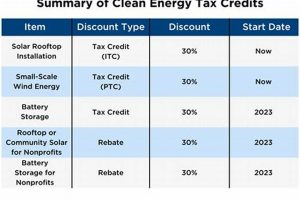
Dispatchable renewable energy technologies often involve substantial upfront capital costs. Hydropower dams, geothermal power plants, and biomass facilities require significant investments in infrastructure, equipment, and land acquisition. These high initial costs can pose a barrier to entry, particularly for developing countries or smaller utilities. Financial incentives, such as tax credits and subsidies, can play a critical role in mitigating these costs and attracting investment. For example, government-backed loan programs can reduce the financial burden on developers and accelerate project implementation. Accurate cost estimation and effective financing mechanisms are essential for successful project development.
- Operating and Maintenance Costs
While operating and maintenance costs for dispatchable renewable energy sources are generally lower than those for fossil fuel power plants, they still represent a significant expense. Regular maintenance of hydropower turbines, geothermal wells, and biomass processing equipment is necessary to ensure efficient and reliable operation. These costs must be factored into long-term financial projections to accurately assess the economic viability of projects. Developing robust maintenance strategies and optimizing operational efficiency can minimize these costs and improve overall project profitability.
- Market Dynamics and Revenue Streams
The economic viability of dispatchable renewable energy projects is influenced by market dynamics and revenue streams. Electricity prices, government regulations, and market competition all play a role in determining the financial performance of these projects. Renewable energy policies, such as feed-in tariffs and renewable portfolio standards, can create stable revenue streams and incentivize investment. For example, guaranteed prices for renewable energy can provide developers with long-term revenue certainty, attracting private sector investment and accelerating project development. Understanding market conditions and policy frameworks is crucial for successful project financing and operation.
- Job Creation and Economic Development
Investing in dispatchable renewable energy projects can stimulate job creation and economic development in local communities. Construction, operation, and maintenance of these facilities require a skilled workforce, generating employment opportunities and boosting local economies. Furthermore, the development of renewable energy supply chains creates additional economic benefits. For example, manufacturing and supplying components for hydropower turbines or geothermal power plants can create new industries and jobs. Promoting local economic development through renewable energy investments can enhance public support for these projects and contribute to a sustainable economic transition.
Careful consideration of these economic factors is essential for successfully integrating dispatchable renewable energy sources into the broader energy mix. Balancing upfront capital costs with long-term operational savings, navigating market dynamics, and leveraging policy incentives are crucial for achieving a sustainable and economically viable energy transition. Understanding the economic implications of these technologies informs investment decisions, policy development, and ultimately, the successful transition to a cleaner and more resilient energy future.
Frequently Asked Questions
Addressing common inquiries regarding controllable renewable energy sources clarifies their role in the evolving energy landscape and facilitates informed discussions about their potential.
Question 1: How do controllable renewable sources differ from intermittent renewables like solar and wind?
Controllable renewable sources, such as hydropower, geothermal, and biomass, offer the crucial ability to adjust power output on demand, matching grid requirements. This contrasts with intermittent sources like solar and wind, whose output fluctuates based on weather conditions. This controllable nature is essential for grid stability and reliability.
Question 2: Why is dispatchability important for a reliable power grid?
Grid stability requires a consistent balance between electricity supply and demand. Dispatchable resources provide the flexibility to adjust generation, ensuring this balance is maintained even when demand fluctuates or intermittent renewable output varies. This prevents blackouts and ensures a reliable power supply.
Question 3: What role do controllable renewables play in energy storage strategies?
Controllable renewables complement energy storage solutions. Pumped hydro storage, for example, uses off-peak electricity, potentially from intermittent sources, to store energy by pumping water uphill. This stored energy can then be released on demand, effectively transforming intermittent energy into a dispatchable resource.
Question 4: What are the key challenges associated with deploying controllable renewable energy sources?
Challenges include geographic limitations for resources like hydropower and geothermal, the need for sustainable biomass management practices, and the upfront capital costs associated with project development. Addressing these challenges requires strategic planning, technological innovation, and supportive policies.
Question 5: How do controllable renewables contribute to reducing reliance on fossil fuels?
By providing a controllable and reliable source of electricity, these resources displace fossil fuel-based power plants, especially those used for meeting peak demand. This reduces greenhouse gas emissions and contributes to a cleaner energy mix. The ability to adjust output on demand makes them valuable assets in transitioning away from fossil fuels.
Question 6: What policy measures can support wider adoption of these technologies?
Supportive policies include financial incentives like tax credits and subsidies, streamlined permitting processes, and renewable portfolio standards that mandate a certain percentage of electricity from renewable sources. These policies can stimulate investment and accelerate the deployment of controllable renewable energy technologies.
Understanding the capabilities and limitations of controllable renewable energy is essential for informed decision-making and effective energy policy. These resources represent a critical component of a sustainable energy future, offering both reliability and environmental benefits.
Further exploration of specific dispatchable renewable technologies, including hydropower, geothermal, and biomass, will provide a more in-depth understanding of their individual characteristics and contributions to a sustainable energy future.
Conclusion
Controllable renewable energy sources represent a critical component of a sustainable and reliable energy future. Their ability to adjust power output on demand distinguishes them from intermittent renewables, offering essential grid stability and flexibility. Exploration of these resources has highlighted their diverse applications, ranging from balancing intermittency to meeting peak energy demands. Technological advancements continue to enhance their efficiency and cost-effectiveness, further solidifying their role in the global energy transition. Addressing environmental impacts and economic considerations remains crucial for responsible and sustainable development. A clear understanding of resource availability, coupled with supportive policy frameworks, will be essential for maximizing the potential of these technologies.
The transition to a decarbonized energy system requires a diverse portfolio of solutions. Controllable renewable energy technologies offer a vital pathway towards achieving this goal, providing both grid stability and environmental benefits. Continued investment in research, development, and deployment of these technologies is essential for building a resilient, sustainable, and secure energy future. The future of energy relies on embracing innovative solutions and maximizing the potential of controllable, sustainable resources.