The alteration of Earth’s global climate patterns, largely attributed to increased greenhouse gas emissions from human activities, presents significant challenges to ecological balance and societal well-being. Concurrently, harnessing naturally replenishing resources like sunlight, wind, and water offers a viable path towards mitigating these environmental impacts and ensuring sustainable energy production. For instance, solar panels convert sunlight into electricity, while wind turbines capture kinetic energy from moving air. These technologies exemplify the practical application of natural forces to address growing energy demands while minimizing environmental harm.
Sustainable energy sources provide a crucial pathway towards decarbonizing the energy sector, reducing reliance on finite fossil fuels, and mitigating the escalating effects of a changing climate. Historically, energy production has relied heavily on fossil fuels, contributing significantly to atmospheric greenhouse gas concentrations. The shift towards cleaner alternatives represents not only an environmental imperative but also an opportunity for economic growth, innovation, and enhanced energy security. The transition to a cleaner energy future requires substantial investment, technological advancements, and policy support.
This discussion will further examine the interconnected nature of the global climate crisis and the role of sustainable energy solutions. Topics explored will include the science underlying atmospheric changes, the environmental and socioeconomic consequences of these changes, and the potential of various sustainable energy technologies to contribute to a more sustainable future. Furthermore, the discussion will encompass policy frameworks, economic incentives, and technological innovations driving the global transition to a cleaner energy landscape.
Tips for Addressing Climate Change Through Renewable Energy
Individuals, communities, and governments can contribute to mitigating climate change by actively embracing and promoting renewable energy solutions. The following tips provide practical guidance for transitioning toward a sustainable energy future.
Tip 1: Advocate for Supportive Policies: Engage with policymakers at local, regional, and national levels to support legislation and initiatives that incentivize renewable energy development and deployment. Examples include tax credits for renewable energy installations and renewable portfolio standards.
Tip 2: Invest in Renewable Energy Technologies: Explore opportunities to directly invest in renewable energy projects, such as community solar farms or wind energy cooperatives. This can offer financial returns while supporting clean energy growth.
Tip 3: Reduce Energy Consumption: Implement energy efficiency measures at home and in workplaces. This includes using energy-efficient appliances, improving insulation, and adopting smart home technologies.
Tip 4: Choose Sustainable Transportation: Opt for public transport, cycling, walking, or electric vehicles whenever possible. Reducing reliance on fossil fuel-powered vehicles significantly lowers carbon emissions.
Tip 5: Support Sustainable Businesses: Patronize businesses committed to sustainability and renewable energy practices. This encourages wider adoption of environmentally responsible practices across various sectors.
Tip 6: Educate and Raise Awareness: Share information about climate change and the benefits of renewable energy with family, friends, and colleagues. Raising public awareness is crucial for fostering broader support for climate action.
Tip 7: Embrace Technological Advancements: Stay informed about advancements in renewable energy technologies and explore opportunities to incorporate them into homes and businesses, such as battery storage solutions and smart grids.
By adopting these strategies, individuals and communities can actively contribute to the global transition toward a more sustainable and resilient energy future, mitigating the adverse effects of climate change and fostering a healthier planet.
These actionable steps offer a pathway toward individual and collective empowerment in addressing the urgent challenge of climate change. The subsequent conclusion will synthesize these recommendations and offer a broader perspective on the future of sustainable energy.
1. Mitigation

Mitigation, within the context of climate change and renewable energy, represents the proactive reduction of greenhouse gas emissions and enhancement of carbon sinks to limit global warming and its associated impacts. It is a crucial component of addressing climate change, complementing adaptation strategies that focus on adjusting to the unavoidable effects of a changing climate. Mitigation efforts are essential for preventing the most severe consequences of climate change and ensuring a sustainable future.
- Reducing Emissions from Energy Production:
Transitioning from fossil fuel-based power generation to renewable energy sources like solar, wind, hydro, and geothermal significantly reduces carbon dioxide emissions, a primary driver of climate change. For example, replacing a coal-fired power plant with a solar farm eliminates direct emissions from electricity generation. This shift is fundamental to achieving global climate goals.
- Enhancing Carbon Sinks:
Protecting and restoring natural carbon sinks, such as forests and wetlands, plays a vital role in mitigating climate change. These ecosystems absorb atmospheric carbon dioxide, effectively removing it from the atmosphere. Initiatives like reforestation and sustainable forest management contribute significantly to carbon sequestration. Furthermore, promoting sustainable agricultural practices can enhance soil carbon storage, further contributing to mitigation efforts.
- Improving Energy Efficiency:
Reducing energy consumption through efficiency improvements across various sectors, including buildings, transportation, and industry, contributes significantly to mitigation. Implementing energy-efficient technologies, such as LED lighting and improved building insulation, reduces overall energy demand and consequently lowers greenhouse gas emissions. Promoting sustainable transportation options, like public transit and electric vehicles, further contributes to energy efficiency and emissions reductions.
- Developing Carbon Capture and Storage Technologies:
Carbon capture and storage (CCS) technologies capture carbon dioxide emissions from industrial sources and store them underground, preventing their release into the atmosphere. While still a developing technology, CCS has the potential to play a significant role in mitigating emissions from hard-to-decarbonize sectors, such as cement production and heavy industry. Continued research and development are crucial for realizing the full potential of CCS.
These facets of mitigation are interconnected and mutually reinforcing, contributing to a comprehensive strategy for addressing climate change. The transition to renewable energy sources forms a cornerstone of mitigation efforts, enabling significant reductions in greenhouse gas emissions and paving the way for a sustainable energy future. By combining renewable energy deployment with other mitigation strategies, such as enhancing carbon sinks and improving energy efficiency, the global community can effectively address the challenge of climate change and ensure a healthy planet for future generations. Further exploration of specific renewable energy technologies and their role in mitigation will provide a more granular understanding of this crucial transition.
2. Sustainability

Sustainability, in the context of climate change and renewable energy, represents the capacity to meet present energy needs without compromising the ability of future generations to meet their own. This concept is inextricably linked to the transition to renewable energy sources as a crucial strategy for mitigating climate change and ensuring a sustainable energy future. The burning of fossil fuels for energy production is a primary driver of climate change, depleting finite resources and causing significant environmental damage. Renewable energy, derived from naturally replenishing resources like sunlight, wind, and water, offers a sustainable alternative, decoupling energy production from finite resources and minimizing environmental impact. For example, a solar farm generates electricity without depleting natural resources or emitting greenhouse gases, demonstrating the inherent sustainability of renewable energy technologies.
The pursuit of sustainability necessitates a systemic shift towards renewable energy across various sectors. In the transportation sector, the adoption of electric vehicles powered by renewable energy reduces reliance on fossil fuels and minimizes air pollution. In the building sector, integrating solar panels and implementing energy-efficient designs reduces energy consumption and lowers carbon footprints. These examples illustrate the practical application of renewable energy in achieving sustainability goals. Furthermore, sustainable practices in agriculture, such as using renewable energy for irrigation and reducing reliance on synthetic fertilizers, contribute to overall environmental sustainability and enhance food security. The interconnectedness of these sectors highlights the need for a holistic approach to sustainability, with renewable energy playing a central role.
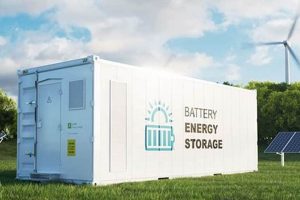
Transitioning to a sustainable energy future requires overcoming challenges such as intermittency of renewable energy sources and developing robust energy storage solutions. However, advancements in battery technology and smart grids are addressing these challenges, enhancing the reliability and viability of renewable energy systems. The economic benefits of renewable energy, including job creation and reduced energy costs, further incentivize the transition to a sustainable energy future. Ultimately, embracing sustainability through renewable energy is not merely an environmental imperative but also a crucial step towards ensuring long-term economic prosperity and societal well-being. The ongoing development and deployment of renewable energy technologies, coupled with supportive policies and public awareness, are essential for realizing a truly sustainable future.
3. Technological Innovation

Technological innovation plays a crucial role in addressing climate change through the development and deployment of renewable energy technologies. Advancements in areas such as solar photovoltaic (PV) technology, wind turbine design, energy storage solutions, and smart grid systems are essential for accelerating the transition to a low-carbon energy future. For example, improvements in PV cell efficiency and manufacturing processes have significantly reduced the cost of solar energy, making it increasingly competitive with fossil fuels. Similarly, advancements in wind turbine technology, such as larger rotor diameters and improved blade designs, have increased energy capture efficiency and enabled wind energy generation in a wider range of locations. These technological advancements are not only critical for mitigating climate change but also for enhancing energy security, creating economic opportunities, and improving air quality.
Further technological advancements are driving innovation across the renewable energy sector. The development of advanced battery storage technologies, such as lithium-ion and flow batteries, addresses the intermittency challenges associated with solar and wind power, enabling more reliable and consistent renewable energy integration into the grid. Smart grid technologies, incorporating advanced sensors, communication networks, and data analytics, optimize grid management, enhance grid stability, and facilitate the efficient integration of distributed renewable energy resources. Moreover, ongoing research and development in areas such as next-generation solar cell materials, offshore wind turbine designs, and wave and tidal energy converters hold significant promise for further advancing renewable energy technologies and accelerating the global transition to a sustainable energy future.
The continuous pursuit of technological innovation in renewable energy is essential for achieving global climate goals. Overcoming technical challenges, such as improving energy storage capacity and developing cost-effective solutions for integrating renewable energy into existing infrastructure, requires sustained investment in research and development. Furthermore, fostering collaboration among researchers, industry stakeholders, and policymakers is crucial for accelerating the deployment of innovative renewable energy technologies and realizing their full potential in mitigating climate change and ensuring a sustainable energy future. Addressing these challenges through technological innovation is paramount for achieving a successful energy transition and mitigating the adverse impacts of climate change.
4. Economic Opportunities

The transition to a renewable energy-based economy driven by climate change mitigation efforts presents significant economic opportunities across various sectors. Renewable energy technologies require substantial investment in research, development, manufacturing, installation, and maintenance, creating new jobs and stimulating economic growth. For example, the solar industry has witnessed substantial job growth in recent years, with roles in manufacturing, installation, project development, and maintenance. Similarly, the wind energy sector offers employment opportunities in turbine manufacturing, installation, operations, and maintenance. These emerging industries not only contribute to climate change mitigation but also generate economic activity and employment opportunities, benefiting local communities and national economies. Furthermore, investments in renewable energy infrastructure, such as wind farms and solar parks, often stimulate local economies through increased tax revenue and land lease payments to landowners.
Beyond job creation, the transition to renewable energy offers opportunities for economic diversification and reduced reliance on fossil fuel imports. Countries with abundant renewable energy resources can develop domestic industries, reducing their dependence on volatile global energy markets and enhancing energy security. This shift towards energy independence can strengthen national economies, reduce trade deficits, and create more stable and predictable energy prices. Moreover, the development of innovative renewable energy technologies fosters technological advancements and creates opportunities for businesses to compete in the global clean energy market. The growth of the electric vehicle industry, driven by the transition to renewable energy, exemplifies this phenomenon, creating new markets and stimulating innovation in battery technology, charging infrastructure, and electric vehicle manufacturing.
While the economic opportunities associated with renewable energy are substantial, realizing their full potential requires addressing certain challenges. Policy support, including carbon pricing mechanisms and renewable energy incentives, is crucial for creating a level playing field and encouraging investment in renewable energy projects. Furthermore, workforce development and training programs are essential for ensuring a skilled workforce capable of meeting the demands of the growing renewable energy sector. Addressing these challenges effectively is paramount for maximizing the economic benefits of the transition to a renewable energy future and creating a sustainable and prosperous global economy. This economic transformation not only mitigates climate change but also fosters economic growth, enhances energy security, and creates a more sustainable and resilient future for all.
5. Energy Independence

Energy independence, often defined as a nation’s capacity to meet its energy needs without relying on external sources, represents a crucial component of addressing climate change through renewable energy. Reliance on fossil fuel imports exposes nations to price volatility, supply disruptions, and geopolitical instability. Furthermore, the extraction, transportation, and combustion of fossil fuels contribute significantly to greenhouse gas emissions, exacerbating climate change. Transitioning to domestically sourced renewable energy reduces these vulnerabilities while simultaneously mitigating climate change. For instance, a nation investing in solar and wind power reduces its reliance on imported oil and gas, enhancing energy security while lowering carbon emissions. This shift contributes to both national resilience and global climate change mitigation efforts.
The pursuit of energy independence through renewable energy fosters economic growth and technological innovation. Developing domestic renewable energy industries creates jobs in manufacturing, installation, maintenance, and research. Furthermore, it stimulates innovation in areas such as energy storage, smart grids, and energy efficiency technologies. This technological advancement can lead to cost reductions and improved performance, further accelerating the adoption of renewable energy. For example, advancements in battery technology are crucial for enabling greater integration of intermittent renewable sources like solar and wind power, enhancing energy independence and grid stability. This interconnectedness between energy independence, technological advancement, and economic growth reinforces the importance of renewable energy in achieving a sustainable future.
Achieving energy independence through renewable energy requires strategic planning, policy support, and public engagement. Governments can implement policies such as feed-in tariffs, tax incentives, and renewable portfolio standards to encourage investment in renewable energy projects. Furthermore, investing in research and development, grid modernization, and workforce training is essential for fostering a robust renewable energy sector. Public awareness campaigns can educate consumers about the benefits of renewable energy, fostering greater public acceptance and accelerating the transition to a clean energy future. While challenges such as intermittency and land use considerations remain, the long-term benefits of energy independence through renewable energy are undeniable, contributing to climate change mitigation, economic prosperity, and enhanced national security. Addressing these challenges through strategic planning and ongoing innovation is crucial for realizing a secure and sustainable energy future.
Frequently Asked Questions about Climate Change and Renewable Energy
This section addresses common inquiries regarding the relationship between climate change and renewable energy, providing concise and informative responses.
Question 1: How does the burning of fossil fuels contribute to climate change?
Fossil fuel combustion releases greenhouse gases, primarily carbon dioxide, into the atmosphere. These gases trap heat, leading to a gradual warming of the planet and associated climate changes.
Question 2: What are the primary benefits of transitioning to renewable energy sources?
Transitioning to renewable energy sources, such as solar, wind, and hydro, reduces greenhouse gas emissions, mitigates climate change, enhances energy security, creates economic opportunities, and improves air quality.
Question 3: Are renewable energy technologies reliable enough to meet global energy demands?
Advancements in renewable energy technologies, coupled with energy storage solutions and smart grid systems, are enhancing the reliability and consistency of renewable energy supply, enabling their integration into existing energy infrastructure.
Question 4: How can individuals contribute to the transition to renewable energy?
Individuals can contribute by reducing energy consumption, investing in renewable energy technologies, supporting sustainable businesses, advocating for supportive policies, and educating others about the benefits of renewable energy.
Question 5: What are the main barriers to widespread renewable energy adoption?
Barriers include upfront costs, intermittency of some renewable resources, infrastructure limitations, policy and regulatory challenges, and public perception and acceptance.
Question 6: What role does government policy play in promoting renewable energy?
Supportive government policies, such as tax incentives, renewable portfolio standards, carbon pricing mechanisms, and research and development funding, are crucial for accelerating the deployment of renewable energy technologies and creating a favorable market environment.
Understanding the relationship between climate change and renewable energy, along with addressing common concerns, is crucial for informed decision-making and promoting a sustainable energy future. The subsequent section provides a glossary of terms relevant to this discussion.
Continue reading for definitions of key terms related to climate change and renewable energy.
Conclusion
This discussion has explored the critical intersection of climate change and renewable energy, examining the scientific basis of climate change, the environmental and socioeconomic consequences of inaction, and the transformative potential of renewable energy technologies. The exploration encompassed the multifaceted nature of mitigating climate change through sustainable energy solutions, including advancements in solar, wind, hydro, and geothermal technologies. Furthermore, the economic opportunities, energy independence, and sustainability benefits associated with the transition to renewable energy were highlighted. Addressing challenges such as intermittency, storage, and infrastructure limitations through technological innovation and policy support remains crucial for realizing the full potential of renewable energy.
The imperative to transition to a renewable energy future is undeniable. The urgency of climate change demands immediate and concerted action. Embracing renewable energy represents not merely a technological shift but a fundamental transformation of global energy systems, fostering a sustainable, secure, and prosperous future. Continued investment in research, development, and deployment of renewable energy technologies, coupled with supportive policies and global cooperation, is essential for mitigating the most severe impacts of climate change and ensuring a habitable planet for future generations. The choice between maintaining the status quo and embracing a sustainable energy future is a choice between a perilous path and a path of promise.