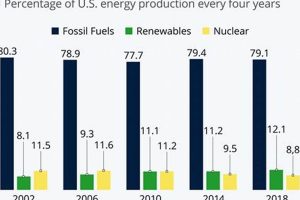
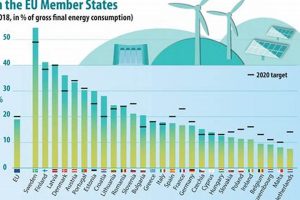
Sustainable power sources, like solar, wind, hydro, and geothermal, exist as alternatives to fossil fuels. These resources replenish naturally over relatively short periods, offering a continuous energy supply. For instance, solar panels convert sunlight into electricity, while wind turbines harness wind power for the same purpose. This contrasts with finite resources like coal and oil, which are depleted through consumption.
The development and utilization of these sustainable energy options are driven by several crucial factors. These include the diminishing availability of fossil fuels, concerns about their environmental impact (such as greenhouse gas emissions and air pollution), and the escalating global energy demand fueled by population growth and industrialization. Historically, dependence on fossil fuels has been a cornerstone of industrial societies. However, the recognition of their finite nature and detrimental environmental consequences has spurred the pursuit of alternative energy solutions. This shift has gained momentum in recent decades with advancements in technology making these alternatives increasingly cost-competitive.
The following sections will delve into the specific advantages and disadvantages of various sustainable energy technologies, examine their current role in the global energy landscape, and explore future prospects for their development and integration.
Tips for Supporting Sustainable Energy Adoption
Transitioning towards greater reliance on sustainable energy sources requires a multifaceted approach involving individual actions, policy changes, and technological advancements. The following tips offer practical guidance for contributing to this vital transition.
Tip 1: Invest in Energy-Efficient Appliances: Choosing appliances with high energy efficiency ratings, such as Energy Star certified products, significantly reduces energy consumption. This lessens reliance on power generation from all sources, including non-renewable ones.
Tip 2: Support Renewable Energy Initiatives: Advocate for policies that incentivize the development and adoption of sustainable energy technologies. This can include supporting renewable portfolio standards, tax credits for renewable energy installations, and streamlined permitting processes for renewable energy projects.
Tip 3: Reduce Energy Consumption: Simple actions like turning off lights when leaving a room, unplugging electronic devices when not in use, and optimizing heating and cooling systems can cumulatively contribute to significant energy savings.
Tip 4: Explore Home-Based Renewable Energy Options: Consider installing rooftop solar panels or exploring other home-based renewable energy solutions, such as small-scale wind turbines or geothermal heat pumps, where feasible.
Tip 5: Educate Others: Raising awareness about the benefits of sustainable energy and the importance of transitioning away from fossil fuels can encourage broader community engagement and support for necessary changes.
Tip 6: Invest in Sustainable Energy Companies: Consider directing investments towards companies specializing in renewable energy technologies, research, and development. This can contribute to the growth and innovation within the sector.
Tip 7: Choose Sustainable Transportation: Opt for public transportation, cycling, walking, or electric vehicles whenever possible to reduce reliance on fossil fuel-powered vehicles.
By adopting these practices, individuals can actively contribute to the global shift toward sustainable energy, mitigating the environmental impact of energy production and ensuring a more secure energy future.
The concluding section will summarize the key arguments presented and offer a perspective on the future of sustainable energy.
1. Fossil Fuel Depletion

Fossil fuel depletion serves as a primary driver for the development and adoption of renewable energy sources. Fossil fuels, including coal, oil, and natural gas, are finite resources formed over millions of years. Their extraction and consumption occur at rates far exceeding their natural replenishment, leading to inevitable depletion. This looming scarcity necessitates the exploration and implementation of alternative energy solutions to meet global energy demands. The reliance on a finite resource presents significant vulnerabilities, including price volatility and geopolitical instability. Diversification of energy sources through renewable alternatives mitigates these risks. For instance, the increasing reliance on oil imports makes many nations vulnerable to supply disruptions and price fluctuations. Investing in domestic renewable energy infrastructure reduces this dependence and bolsters energy security.
The recognition of fossil fuel depletions implications has prompted significant investments in renewable energy research, development, and deployment. Governments and private sectors are actively pursuing technologies such as solar, wind, hydro, and geothermal power to ensure a sustainable energy future. This transition is further accelerated by the environmental benefits associated with renewable energy, which addresses concerns about climate change and air pollution arising from fossil fuel combustion. Practical applications of this understanding are evident in the growing adoption of renewable energy technologies worldwide. Countries are setting ambitious targets for renewable energy integration into their national grids, and the cost competitiveness of renewable energy is continuously improving, further driving their adoption. The development of large-scale solar farms and offshore wind projects exemplifies this commitment to transitioning towards a more sustainable energy landscape. These initiatives not only address the issue of resource depletion but also contribute to economic growth and job creation within the renewable energy sector.
In conclusion, fossil fuel depletion is a critical factor underpinning the imperative for renewable energy. Addressing this challenge requires a multifaceted approach encompassing policy changes, technological innovation, and public awareness. The transition to renewable energy offers a pathway towards a more secure, sustainable, and environmentally responsible energy future. While challenges remain in terms of infrastructure development and integration, the continued advancement and adoption of renewable energy technologies are essential for mitigating the risks associated with fossil fuel dependence and ensuring a sustainable energy supply for future generations.
2. Climate Change Mitigation

Climate change mitigation represents a central driving force behind the development and adoption of renewable energy. The burning of fossil fuels releases greenhouse gases, primarily carbon dioxide, which trap heat in the atmosphere and contribute significantly to global warming. Renewable energy sources, in contrast, produce minimal greenhouse gas emissions during operation, offering a crucial pathway to mitigate climate change and its associated impacts.
- Reduced Greenhouse Gas Emissions
Renewable energy technologies, such as solar and wind power, generate electricity without emitting significant amounts of greenhouse gases. This fundamental difference from fossil fuels positions renewable energy as a key tool for reducing global emissions and mitigating the effects of climate change. For example, replacing a coal-fired power plant with a solar farm significantly reduces the amount of CO2 released into the atmosphere, directly contributing to climate change mitigation efforts.
- Decarbonizing the Energy Sector
The energy sector constitutes a major contributor to global greenhouse gas emissions. Transitioning to renewable energy sources enables the decarbonization of this sector, significantly reducing its environmental impact. Initiatives such as electrifying transportation systems and utilizing renewable energy for heating and cooling further contribute to this decarbonization process. The shift from gasoline-powered vehicles to electric vehicles powered by renewable energy exemplifies this decarbonization effort.
- Meeting International Climate Goals
International agreements, such as the Paris Agreement, aim to limit global warming by reducing greenhouse gas emissions. Renewable energy plays a crucial role in achieving these targets by providing a sustainable and low-carbon alternative to fossil fuels. Countries are increasingly incorporating renewable energy targets into their national climate action plans. The increasing adoption of renewable energy technologies worldwide, driven in part by these international agreements, demonstrates a global commitment to mitigating climate change.
- Enhancing Energy Resilience to Climate Impacts
Climate change impacts, such as extreme weather events, can disrupt energy infrastructure and supply. Renewable energy systems, particularly distributed generation models like rooftop solar, can enhance energy resilience by providing localized power generation and reducing dependence on centralized grids vulnerable to disruptions. For example, during natural disasters, localized solar and battery storage systems can provide critical power to communities when the main grid is down.
The transition to renewable energy is not merely a technological shift but a fundamental component of global climate change mitigation strategies. The reduced greenhouse gas emissions, the decarbonization of the energy sector, the ability to meet international climate goals, and the enhanced energy resilience offered by renewable energy sources collectively contribute to a more sustainable and climate-resilient future. The continued development and deployment of renewable energy technologies remain essential for effectively addressing the challenges posed by climate change and ensuring a sustainable energy future for generations to come.
3. Energy Security

Energy security is a critical driver behind the development and adoption of renewable energy sources. It encompasses the uninterrupted availability of energy sources at affordable prices, reducing reliance on volatile global markets and geopolitical influences. Renewable energy sources, being domestically available in many cases, offer a pathway to enhanced energy independence and security. Reliance on imported fossil fuels creates vulnerabilities to supply disruptions, price fluctuations, and geopolitical tensions. Renewable energy mitigates these risks by diversifying energy sources and reducing dependence on potentially unstable international markets. For example, nations heavily reliant on oil imports can experience economic hardship and energy shortages during times of global instability. Developing domestic renewable energy capacity buffers against such disruptions, ensuring a more reliable and secure energy supply.
The practical significance of this connection is evident in the increasing focus on renewable energy integration into national energy strategies. Governments worldwide are recognizing the strategic importance of energy independence and investing in renewable energy infrastructure to enhance their energy security. This includes policies promoting solar, wind, hydro, and geothermal energy development, often coupled with energy storage solutions to ensure grid stability and reliability. The development of smart grids, for instance, facilitates the integration of variable renewable energy sources while enhancing grid resilience and security. Furthermore, distributed generation models, such as rooftop solar panels, contribute to energy security by decentralizing power generation and reducing reliance on large, centralized power plants vulnerable to disruptions. Investing in renewable energy technologies also stimulates economic growth and job creation within the domestic renewable energy sector, further strengthening national economies and reducing reliance on foreign energy sources.
In summary, energy security is intrinsically linked to the imperative for renewable energy. Renewable energy provides a pathway to greater energy independence, reduces vulnerabilities to external disruptions, and enhances national resilience. The transition to renewable energy is not merely an environmental imperative but a strategic necessity for ensuring stable and secure energy supplies for future generations. While challenges remain in terms of infrastructure development and integration, the strategic and economic benefits of renewable energy make it a crucial component of long-term energy security planning.
4. Economic Growth

Economic growth and the pursuit of sustainable energy sources are intrinsically linked. The development, manufacturing, and deployment of renewable energy technologies stimulate economic activity, creating jobs, fostering innovation, and driving investment across various sectors. Furthermore, the transition to renewable energy can reduce dependence on volatile fossil fuel markets, enhancing economic stability and resilience.
- Job Creation
The renewable energy sector is a significant source of job creation. From manufacturing solar panels and wind turbines to installing and maintaining renewable energy systems, the industry requires a skilled workforce across various disciplines. This job growth contributes to local economies and provides employment opportunities in both rural and urban areas. For example, the growth of the solar industry has led to a substantial increase in installer jobs, providing employment opportunities and contributing to local economic development.
- Investment Opportunities
Renewable energy attracts substantial investment from both public and private sectors. The development and deployment of renewable energy technologies require significant capital investment, creating opportunities for businesses, investors, and financial institutions. This investment stimulates economic activity and contributes to long-term economic growth. Large-scale renewable energy projects, such as offshore wind farms, often attract significant investment, driving economic activity and contributing to infrastructure development.
- Innovation and Technological Advancement
The renewable energy sector drives innovation and technological advancement. The ongoing research and development efforts in areas such as solar cell efficiency, energy storage solutions, and smart grid technologies lead to technological breakthroughs with broader economic benefits. These advancements can create new industries, improve existing technologies, and enhance overall economic competitiveness. For instance, advancements in battery technology, driven in part by the demand for electric vehicles and renewable energy storage, have led to improved battery performance and reduced costs, benefiting various sectors.
- Reduced Energy Costs and Enhanced Competitiveness
Renewable energy can contribute to reduced energy costs over the long term. As renewable energy technologies mature and economies of scale are achieved, the cost of generating electricity from renewable sources often becomes more competitive with fossil fuels. This can enhance the competitiveness of businesses, reduce energy bills for consumers, and contribute to overall economic stability. For example, the declining cost of solar energy has made it a cost-competitive option for electricity generation in many regions, benefiting both businesses and consumers.
The shift toward renewable energy is not merely an environmental imperative; it is also a significant driver of economic growth and development. By creating jobs, attracting investment, fostering innovation, and contributing to reduced energy costs, renewable energy plays a vital role in building a more sustainable and prosperous economic future. The transition to a renewable energy-based economy presents significant opportunities for economic diversification, job creation, and enhanced global competitiveness. As renewable energy technologies continue to advance and costs decline, their contribution to economic growth is expected to increase further, reinforcing the interconnectedness of sustainability and economic prosperity.
5. Technological Advancements
Technological advancements play a crucial role in the development and widespread adoption of renewable energy sources. These advancements address key challenges associated with renewable energy, such as cost-effectiveness, efficiency, reliability, and integration into existing energy infrastructure. Improvements in materials science, manufacturing processes, and energy storage technologies have significantly reduced the cost of renewable energy technologies, making them increasingly competitive with fossil fuels. For instance, advancements in photovoltaic cell technology have led to substantial increases in solar panel efficiency and reduced manufacturing costs, driving the growth of the solar energy market. Furthermore, innovations in battery technology have enabled more effective energy storage solutions, addressing the intermittency challenges associated with solar and wind power. These advancements are crucial for integrating larger amounts of variable renewable energy into the grid and ensuring a reliable energy supply.
The practical significance of these technological advancements is evident in the rapid growth of renewable energy capacity worldwide. The declining costs and improved performance of renewable energy technologies have made them increasingly attractive to governments, businesses, and consumers. Technological innovations in areas such as smart grids, grid management systems, and forecasting tools further enhance the integration of renewable energy sources into existing energy infrastructure. For example, the development of advanced grid management systems allows grid operators to more effectively balance supply and demand, accommodating the variability of renewable energy sources. Furthermore, improvements in forecasting models enable more accurate predictions of renewable energy generation, optimizing grid operations and minimizing reliance on backup power sources. These practical applications demonstrate the transformative impact of technological advancements on the renewable energy sector.
In summary, technological advancements are essential for driving the transition to a renewable energy-based future. These advancements address key challenges associated with renewable energy, making it more cost-effective, efficient, and reliable. The continued development and implementation of innovative technologies in areas such as materials science, energy storage, and grid management are crucial for accelerating the adoption of renewable energy sources and achieving a sustainable energy future. While challenges remain in terms of further cost reductions and technological breakthroughs, the ongoing progress in renewable energy technologies offers a promising pathway towards a cleaner and more secure energy landscape.
6. Environmental Protection

Environmental protection represents a central motivation behind the development and adoption of renewable energy sources. Fossil fuel reliance carries significant environmental consequences, including air and water pollution, habitat destruction, and greenhouse gas emissions contributing to climate change. Renewable energy offers a cleaner and more sustainable alternative, mitigating these environmental impacts and safeguarding ecosystems.
- Reduced Air Pollution
Renewable energy sources produce minimal air pollution compared to fossil fuels. Fossil fuel combustion releases harmful pollutants such as sulfur dioxide, nitrogen oxides, and particulate matter, contributing to respiratory problems and other health issues. Renewable energy technologies, such as solar and wind power, generate electricity without emitting these pollutants, improving air quality and protecting public health. For example, replacing coal-fired power plants with wind farms significantly reduces air pollution levels in surrounding areas, benefiting local communities and ecosystems.
- Water Conservation
Many renewable energy technologies require significantly less water than traditional fossil fuel-based power plants. Fossil fuel extraction and electricity generation often consume large amounts of water for cooling and other processes. Renewable energy sources like solar and wind have minimal water requirements, conserving valuable water resources, particularly in water-stressed regions. This reduced water footprint is particularly important in arid and semi-arid regions where water scarcity is a significant concern. For instance, solar photovoltaic systems require minimal water for cleaning, making them a water-efficient energy source compared to conventional thermoelectric power plants.
- Habitat Preservation
Renewable energy development can have a smaller impact on natural habitats compared to fossil fuel extraction. Fossil fuel extraction activities, such as mining and drilling, can cause significant habitat destruction and fragmentation. Renewable energy projects, while still requiring land use, can be designed and sited to minimize impacts on sensitive ecosystems. For example, rooftop solar installations utilize existing infrastructure, reducing the need for new land development. Careful planning and siting of wind farms can minimize impacts on wildlife and migratory bird populations.
- Reduced Greenhouse Gas Emissions
Renewable energy sources emit significantly fewer greenhouse gases compared to fossil fuels, mitigating climate change impacts. The burning of fossil fuels releases carbon dioxide, a major greenhouse gas, into the atmosphere, contributing to global warming. Renewable energy sources, such as solar and wind power, produce minimal greenhouse gas emissions during operation, offering a crucial pathway to mitigate climate change and its associated environmental consequences. For instance, replacing coal-fired power plants with solar farms substantially reduces carbon emissions, contributing to global efforts to limit climate change.
The transition to renewable energy is essential for environmental protection. By reducing air and water pollution, conserving water resources, minimizing habitat disruption, and mitigating greenhouse gas emissions, renewable energy safeguards ecosystems, protects public health, and contributes to a more sustainable future. The environmental benefits of renewable energy are a key driver behind their development and adoption, offering a crucial pathway to address the environmental challenges posed by fossil fuel reliance and build a more environmentally responsible energy system.
Frequently Asked Questions about Sustainable Energy
This section addresses common inquiries regarding the rationale and benefits of transitioning to sustainable energy sources.
Question 1: Why is there a growing emphasis on transitioning to sustainable energy sources?
The emphasis stems from several interconnected factors: the finite nature of fossil fuels, the escalating threat of climate change driven by greenhouse gas emissions, the pursuit of greater energy independence and security, and the economic opportunities presented by the burgeoning renewable energy sector.
Question 2: How do sustainable energy sources contribute to mitigating climate change?
Unlike fossil fuels, sustainable energy sources like solar and wind power generate electricity without emitting significant greenhouse gases. This reduces the overall carbon footprint of energy production, helping to limit global warming and its associated impacts.
Question 3: Are sustainable energy sources reliable enough to meet global energy demands?
Advancements in energy storage technologies, coupled with grid management systems and diversified renewable energy portfolios, are enhancing the reliability of sustainable energy sources. Continued technological progress is addressing the intermittency challenges associated with some renewable sources like solar and wind power.
Question 4: What are the economic implications of transitioning to sustainable energy?
The sustainable energy sector is a driver of economic growth, creating jobs in manufacturing, installation, maintenance, and research. It also attracts investment, fosters innovation, and can lead to more stable energy prices, benefiting businesses and consumers.
Question 5: How does sustainable energy contribute to energy security?
Sustainable energy sources are often domestically available, reducing reliance on imported fossil fuels and enhancing energy independence. This reduces vulnerability to geopolitical instability and price volatility in global energy markets.
Question 6: What role do technological advancements play in the growth of sustainable energy?
Continuous technological advancements are crucial for improving the efficiency, affordability, and reliability of sustainable energy technologies. Innovations in areas such as energy storage, smart grids, and materials science are driving the expansion and integration of renewable energy sources.
Transitioning to sustainable energy sources offers a multifaceted solution to critical global challenges, contributing to climate change mitigation, enhanced energy security, economic growth, and environmental protection. While challenges remain, the ongoing progress in renewable energy technologies and increasing public awareness offer a promising pathway towards a more sustainable energy future.
The next section delves deeper into specific sustainable energy technologies and their respective advantages and disadvantages.
Conclusion
The exploration of the rationale behind renewable energy adoption reveals a confluence of compelling factors. Diminishing fossil fuel reserves, the urgent need to mitigate climate change, the pursuit of energy security, the potential for economic growth, ongoing technological advancements, and the imperative of environmental protection collectively underscore the critical importance of transitioning to sustainable energy sources. These interconnected drivers necessitate a shift away from traditional fossil fuel reliance towards a more diversified and sustainable energy landscape.
The transition to renewable energy represents not merely a technological shift but a fundamental transformation in the way societies power their economies and secure their future. The continued development, deployment, and integration of renewable energy technologies are essential for mitigating the risks associated with fossil fuel dependence and ensuring a sustainable and prosperous future for generations to come. The choices made today regarding energy production and consumption will profoundly impact the planet’s future, underscoring the urgency and significance of embracing the potential of renewable energy.