The feasibility of a global transition to sustainable energy sources represents a critical question for the future of human civilization. This involves evaluating the potential of various renewable technologies like solar, wind, hydro, geothermal, and biomass to meet global energy demands. A successful transition necessitates analyzing factors such as technological advancements, resource availability, infrastructure development, and economic viability.
Shifting away from fossil fuels toward sustainable alternatives offers substantial benefits, including mitigating climate change, improving air quality, enhancing energy security, and creating economic opportunities in emerging sectors. Historically, energy transitions have been driven by technological innovation and evolving societal needs. The current push towards renewables represents a particularly significant shift with the potential for far-reaching environmental and geopolitical consequences.
This discussion will explore the key challenges and opportunities associated with a global transition to renewable energy, including technological advancements, grid integration, energy storage solutions, policy frameworks, and international cooperation. It will also analyze the economic and social implications of this transition, considering both the potential benefits and the adjustments required for various sectors and communities.
Tips for Transitioning to a Renewable Energy Future
Achieving a global energy system powered by sustainable sources requires a multifaceted approach. The following tips offer guidance for navigating this complex transition:
Tip 1: Invest in Research and Development: Continued investment in research and development is crucial for improving the efficiency, affordability, and reliability of renewable energy technologies. This includes exploring emerging technologies like advanced solar panels, next-generation wind turbines, and innovative energy storage solutions.
Tip 2: Modernize Grid Infrastructure: Existing grid infrastructure often requires significant upgrades to accommodate the intermittent nature of renewable energy sources. Smart grids, advanced transmission lines, and distributed generation systems are essential for integrating renewables effectively.
Tip 3: Diversify Renewable Energy Sources: Relying on a diverse mix of renewable energy sources can enhance energy security and grid stability. This involves leveraging the strengths of various technologies, such as solar, wind, hydro, geothermal, and biomass, based on regional resource availability.
Tip 4: Implement Supportive Policies: Effective government policies, including carbon pricing mechanisms, renewable energy mandates, and tax incentives, can create a favorable environment for renewable energy investment and deployment.
Tip 5: Foster International Collaboration: Global cooperation is essential for sharing best practices, coordinating research efforts, and mobilizing financial resources to accelerate the transition to renewable energy worldwide.
Tip 6: Promote Energy Efficiency: Reducing energy consumption through efficiency measures in buildings, transportation, and industry is critical for lowering overall energy demand and maximizing the impact of renewable energy sources.
Tip 7: Empower Local Communities: Engaging local communities in the planning and implementation of renewable energy projects can ensure equitable access to benefits and address potential social and environmental impacts.
Successfully transitioning to a sustainable energy future requires a concerted effort across all sectors of society. By implementing these tips, the global community can pave the way for a cleaner, more secure, and sustainable energy system.
These strategic considerations provide a framework for moving forward. The following conclusion synthesizes the key takeaways and offers a perspective on the path ahead.
1. Technological Advancements

Technological advancements are inextricably linked to the feasibility of a global transition to renewable energy. Progress in areas such as solar photovoltaic technology, wind turbine design, energy storage solutions, and smart grid infrastructure is essential for overcoming the challenges associated with intermittency, scalability, and cost-effectiveness. For instance, advancements in materials science have led to more efficient and durable solar panels, while innovations in turbine design have enabled the capture of wind energy at higher altitudes and lower wind speeds. The development of advanced battery technologies and pumped hydro storage systems plays a crucial role in addressing the intermittency of renewable sources, ensuring a reliable and continuous energy supply.
Furthermore, technological advancements in smart grid technologies are critical for optimizing energy distribution and managing the fluctuating supply from renewable sources. Smart grids utilize real-time data and advanced analytics to balance supply and demand, integrate distributed generation, and enhance grid stability. For example, advancements in artificial intelligence and machine learning can optimize grid operations, predict energy demand, and proactively address potential grid imbalances. The practical significance of these technological advancements lies in their ability to reduce the cost of renewable energy, improve its reliability, and facilitate its integration into existing energy infrastructure.
In conclusion, continuous technological advancements are not merely a supporting factor but a fundamental driver of the transition to a global renewable energy system. Overcoming the technical challenges associated with renewable energy generation, storage, and distribution requires ongoing investment in research and development, fostering innovation, and promoting the widespread adoption of these critical technologies. The pace and trajectory of technological advancements will ultimately determine the speed and success of the global shift toward a sustainable energy future.
2. Economic Viability

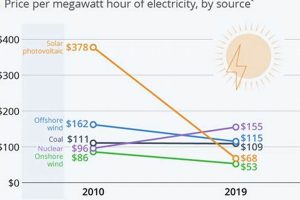
Economic viability represents a cornerstone of the global transition to renewable energy. The long-term success of this transition hinges on the ability of renewable energy sources to compete with, and ultimately surpass, conventional fossil fuels in terms of cost-effectiveness. This requires a multifaceted approach encompassing technological innovation, supportive policy frameworks, and strategic investment. A crucial aspect of economic viability lies in reducing the levelized cost of electricity (LCOE) for renewable energy technologies. Achieving cost parity with fossil fuels makes renewable energy a more attractive option for utilities, businesses, and consumers, driving wider adoption and accelerating the energy transition. For example, the declining costs of solar photovoltaic (PV) modules and wind turbines have made these technologies increasingly competitive with conventional power generation sources in many regions.
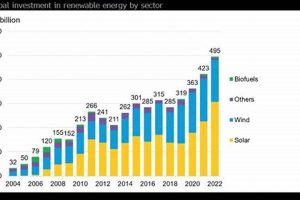
Furthermore, economic viability extends beyond mere cost competitiveness. It also encompasses the creation of new economic opportunities, such as jobs in the renewable energy sector, manufacturing, installation, maintenance, and research and development. The transition to renewable energy can stimulate economic growth, create new industries, and enhance energy independence. For instance, the growth of the solar and wind industries has generated numerous jobs worldwide, demonstrating the economic potential of renewable energy. Moreover, investing in renewable energy infrastructure can strengthen domestic supply chains, reduce reliance on volatile global energy markets, and enhance energy security. Governments can play a crucial role in fostering economic viability through policy mechanisms like carbon pricing, renewable portfolio standards, tax incentives, and feed-in tariffs. These policies can create a level playing field for renewable energy, incentivize investment, and accelerate market adoption.
In conclusion, economic viability is not merely a financial consideration but a fundamental prerequisite for the successful transition to a global renewable energy system. Achieving cost competitiveness, creating economic opportunities, and ensuring long-term sustainability are crucial for driving the widespread adoption of renewable energy technologies and unlocking their full potential. Policymakers, investors, and industry stakeholders must work collaboratively to create a favorable economic environment that supports the growth and development of the renewable energy sector, paving the way for a cleaner, more secure, and prosperous energy future. The transition presents both challenges and opportunities, and careful economic planning is crucial to navigate this complex landscape effectively.
3. Infrastructure Development

Infrastructure development plays a crucial role in the feasibility of transitioning to a global renewable energy system. The existing energy infrastructure, primarily designed for centralized fossil fuel-based power generation, requires significant adaptation to accommodate the decentralized and often intermittent nature of renewable energy sources. This necessitates substantial investments in grid modernization, transmission upgrades, and energy storage solutions. For example, integrating large-scale solar and wind farms requires new transmission lines to transport electricity from remote generation sites to population centers. Similarly, distributed generation, such as rooftop solar panels, necessitates grid upgrades to manage bidirectional power flows and ensure grid stability.
Furthermore, infrastructure development must consider the specific requirements of different renewable energy technologies. Hydropower projects require dams and reservoirs, while geothermal plants necessitate drilling deep wells to access geothermal resources. The development of offshore wind farms requires specialized infrastructure for installation and maintenance in challenging marine environments. For instance, the expansion of electric vehicle charging networks requires significant infrastructure investment to support the growing demand for electric mobility. The practical significance of infrastructure development lies in its ability to facilitate the integration of renewable energy sources into the energy system, enhance grid reliability, and enable the efficient delivery of clean energy to consumers. Challenges associated with infrastructure development include permitting processes, land use conflicts, and community acceptance, requiring careful planning and stakeholder engagement to ensure successful project implementation. For example, the construction of new transmission lines can face opposition from local communities due to aesthetic or environmental concerns, highlighting the need for effective communication and collaboration.
In conclusion, infrastructure development is not merely a supporting factor but a critical enabler of the global transition to renewable energy. Investing in modernizing and expanding energy infrastructure is essential for accommodating the unique characteristics of renewable sources, ensuring grid stability, and maximizing the benefits of clean energy. Addressing the challenges associated with infrastructure development requires a coordinated approach involving governments, utilities, industry stakeholders, and local communities. The extent and quality of infrastructure development will significantly influence the pace and success of the global shift towards a sustainable energy future. Failure to adequately invest in infrastructure could hinder the growth of renewable energy and limit its potential to replace fossil fuels, underscoring the critical role of infrastructure in achieving a clean energy transition.
4. Political Will
Political will constitutes a critical factor in the feasibility of transitioning to a global renewable energy system. The implementation of effective policies and regulations that incentivize renewable energy development and deployment relies heavily on the commitment and determination of governments at all levels. This includes setting ambitious renewable energy targets, enacting carbon pricing mechanisms, streamlining permitting processes, investing in research and development, and fostering international cooperation. For example, the Paris Agreement, a landmark international accord, demonstrates the importance of political will in driving global climate action and promoting the transition to renewable energy. However, the effectiveness of such agreements depends on the commitment of individual nations to translate their pledges into concrete policies and actions. The absence of strong political will can manifest in policy inconsistencies, regulatory hurdles, and insufficient investment, hindering the growth of the renewable energy sector. For instance, lobbying efforts by fossil fuel interests can obstruct the implementation of pro-renewable energy policies, highlighting the challenges posed by vested interests.
Furthermore, political will influences the allocation of financial resources towards renewable energy projects. Government subsidies, tax incentives, and public funding play a crucial role in supporting the development and deployment of renewable energy technologies. For example, feed-in tariffs, which guarantee a fixed price for renewable energy generation, have proven effective in stimulating the growth of solar and wind power in several countries. Conversely, a lack of political will can result in inadequate funding for renewable energy research, development, and deployment, hindering technological advancements and market growth. Moreover, political will extends beyond national borders, influencing international cooperation on climate change and renewable energy. Collaborative efforts, such as technology transfer, joint research projects, and financial assistance to developing countries, are essential for accelerating the global transition to renewable energy. For instance, international collaborations on renewable energy research and development can accelerate innovation and drive down costs, benefiting all participating countries.
In conclusion, political will serves as a crucial catalyst for the global transition to renewable energy. Strong political commitment, translated into effective policies, regulations, and investments, is essential for creating a favorable environment for renewable energy development, deployment, and innovation. The absence of political will, conversely, can significantly impede progress, highlighting the critical role of political leadership in driving the global shift towards a sustainable energy future. Overcoming political resistance, aligning diverse interests, and fostering international cooperation are key challenges that must be addressed to unlock the full potential of renewable energy and achieve a clean energy transition. Ultimately, the success of this transition hinges not only on technological advancements and economic viability but also on the unwavering commitment of political leaders to create a sustainable energy future for all.
5. Social Acceptance

Social acceptance represents a critical factor influencing the feasibility of transitioning to a global renewable energy system. Public perception, community engagement, and addressing potential social impacts significantly affect the development and deployment of renewable energy technologies. Widespread adoption of renewable energy relies on public support, trust, and a willingness to embrace changes in energy infrastructure and consumption patterns. This necessitates effective communication, transparency, and addressing concerns related to visual impacts, land use, and potential environmental effects.
- Community Engagement:
Meaningful community engagement is essential for building social acceptance of renewable energy projects. Involving local communities in the planning, development, and implementation phases can foster a sense of ownership, address concerns, and ensure that projects align with community values and priorities. Examples include community-owned wind farms, where local residents share the economic benefits of renewable energy generation. Conversely, a lack of community engagement can lead to opposition and project delays, highlighting the importance of participatory approaches. Effective community engagement can create a win-win scenario, where renewable energy projects contribute to both environmental sustainability and local economic development.
- Public Perception and Attitudes:
Public perception and attitudes towards renewable energy significantly influence its adoption. Factors such as perceived environmental benefits, cost-effectiveness, reliability, and aesthetic impacts shape public opinion. Positive public perception can drive demand for renewable energy, while negative perceptions can create resistance. For example, concerns about the visual impact of wind turbines can lead to community opposition, even if the project offers economic benefits. Addressing these concerns through careful siting, community engagement, and transparent communication is crucial for fostering positive public perception and building support for renewable energy projects.
- Equity and Distributional Justice:
Ensuring equitable access to the benefits of renewable energy is crucial for social acceptance. Distributional justice requires that the costs and benefits of the energy transition are shared fairly across different communities and socioeconomic groups. For example, policies that promote rooftop solar installations should consider mechanisms to ensure that low-income households can also participate and benefit from clean energy. Addressing energy poverty and promoting energy access in underserved communities are essential aspects of a just and equitable energy transition. Failure to address equity concerns can exacerbate existing inequalities and undermine public support for renewable energy.
- Addressing Social Impacts:
Renewable energy projects can have various social impacts, both positive and negative. These impacts can include changes in land use, employment opportunities, community aesthetics, and cultural heritage. Assessing and mitigating potential social impacts are crucial for building social acceptance and ensuring that renewable energy projects contribute to overall community well-being. For example, the construction of a large-scale solar farm can alter the landscape and affect local ecosystems, requiring careful environmental impact assessments and mitigation strategies. Addressing these social impacts proactively and transparently can minimize negative consequences and maximize the positive contributions of renewable energy projects.
In conclusion, social acceptance acts as a crucial enabling factor for the widespread adoption of renewable energy. Addressing public concerns, fostering community engagement, ensuring equitable access to benefits, and mitigating potential social impacts are essential for building public support and accelerating the transition to a global renewable energy system. Failing to address social acceptance can lead to project delays, community opposition, and ultimately hinder the progress of the clean energy transition. Therefore, integrating social considerations into renewable energy planning and implementation is not merely a social responsibility but a strategic imperative for achieving a sustainable energy future.
6. Resource Availability

Resource availability forms a fundamental constraint on the feasibility of transitioning to a global renewable energy system. Renewable energy technologies rely on specific natural resources, such as sunlight, wind, water, and geothermal heat. The geographical distribution, abundance, and accessibility of these resources directly influence the potential of different renewable energy technologies in various regions. For example, regions with high solar irradiance are ideal for solar photovoltaic and concentrated solar power plants, while areas with consistent strong winds are suitable for wind energy development. Resource assessment and mapping are crucial for identifying areas with high renewable energy potential and optimizing the deployment of different technologies.
Furthermore, resource availability considerations extend beyond the mere presence of renewable resources. The intermittency of resources like solar and wind necessitates energy storage solutions or complementary power generation sources to ensure a reliable energy supply. For instance, regions with limited hydropower potential may face challenges in balancing intermittent solar and wind power, requiring investments in battery storage or other grid stabilization technologies. The availability of raw materials required for manufacturing renewable energy technologies, such as rare earth minerals for wind turbine magnets and silicon for solar panels, also presents a resource constraint. Sustainable sourcing and recycling of these materials are essential for ensuring long-term resource security and minimizing environmental impacts. For example, establishing circular economy principles for renewable energy technologies can reduce material demand and minimize waste generation.
In conclusion, resource availability presents both opportunities and challenges for the global transition to renewable energy. Careful resource assessment, strategic deployment of technologies based on resource availability, and sustainable resource management practices are crucial for maximizing the potential of renewable energy and ensuring a secure and sustainable energy future. Addressing resource constraints requires technological innovation, policy interventions, and international cooperation to optimize resource utilization, diversify energy sources, and minimize environmental impacts. The availability of resources ultimately shapes the feasibility and trajectory of the renewable energy transition, highlighting its critical role in achieving a clean energy future. Failure to adequately address resource availability could limit the growth of renewable energy and hinder the achievement of global climate goals, underscoring the importance of resource considerations in the transition to a sustainable energy system.
7. Storage Solutions
Storage solutions are inextricably linked to the feasibility of powering the world with renewable energy. The intermittent nature of renewable sources, such as solar and wind, necessitates effective storage mechanisms to ensure a continuous and reliable energy supply. Storage solutions bridge the gap between energy generation and demand, smoothing out fluctuations and ensuring grid stability. Without adequate storage capacity, the intermittency of renewables poses a significant challenge to their widespread adoption and ability to displace conventional fossil fuels. This understanding has profound implications for the design and implementation of future energy systems. For example, pumped hydro storage, a well-established technology, utilizes excess renewable energy to pump water uphill, storing potential energy that can be released to generate electricity when demand exceeds renewable generation. Similarly, battery storage systems, rapidly declining in cost and increasing in performance, offer a flexible and scalable solution for storing renewable energy, particularly for distributed generation applications like rooftop solar. These storage technologies address the intermittency challenge and enhance the reliability and dispatchability of renewable energy sources, enabling them to play a larger role in meeting global energy demands.
Further analysis reveals the diverse range of storage technologies under development, each with its own strengths and limitations. Compressed air energy storage (CAES) stores energy by compressing air into underground caverns, which can then be released to drive turbines and generate electricity. Thermal energy storage systems store heat or cold for later use, offering applications in building heating and cooling, as well as industrial processes. Flow batteries, particularly suited for large-scale grid storage, store energy in liquid electrolytes, providing long-duration storage capabilities. The practical significance of these advancements lies in their potential to address the diverse needs of various energy systems, from grid-scale storage to distributed generation and off-grid applications. Considering the specific characteristics and limitations of different storage technologies is crucial for optimizing their deployment and maximizing their effectiveness in supporting the transition to renewable energy. For instance, while pumped hydro offers large-scale storage capacity, it requires specific geographical conditions, whereas battery storage offers greater flexibility and scalability but faces challenges related to raw material availability and lifecycle impacts. Understanding these trade-offs is essential for making informed decisions about storage technology deployment.
In conclusion, storage solutions represent a critical enabling technology for the global transition to renewable energy. Addressing the intermittency challenge of renewable sources through effective storage mechanisms is crucial for ensuring a reliable and stable energy supply. The ongoing development and deployment of diverse storage technologies, from pumped hydro and batteries to compressed air and thermal storage, offer promising pathways to overcome the limitations of intermittent renewables and unlock their full potential. While challenges remain in terms of cost, scalability, and technological maturity, continued innovation and investment in storage solutions are essential for achieving a sustainable energy future powered by renewable resources. The interplay between storage solutions and renewable energy generation will shape the future of energy systems, highlighting the critical role of storage in achieving a clean energy transition. Failure to adequately address the storage challenge could limit the growth of renewable energy and hinder the realization of a decarbonized energy system, underscoring the importance of storage solutions in the global pursuit of a sustainable energy future.
Frequently Asked Questions
This section addresses common inquiries regarding the feasibility and implications of transitioning to a global renewable energy system. Clear and concise responses aim to provide a deeper understanding of the challenges and opportunities associated with this transformative shift.
Question 1: Is there enough renewable energy potential to meet global energy demands?
The Earth possesses abundant renewable energy resources, significantly exceeding global energy consumption. The key challenge lies in harnessing these resources efficiently and cost-effectively. Technological advancements and strategic deployment are crucial for realizing the full potential of renewable energy sources.
Question 2: What are the primary obstacles to a complete transition to renewable energy?
Key obstacles include intermittency of renewable sources, infrastructure limitations, storage capacity constraints, economic viability in certain regions, political and regulatory barriers, and social acceptance. Addressing these challenges requires a multifaceted approach involving technological innovation, policy interventions, and community engagement.
Question 3: How can the intermittency of renewable sources like solar and wind be addressed?
Intermittency can be addressed through a combination of approaches, including grid modernization, diversification of renewable energy sources, energy storage solutions (e.g., batteries, pumped hydro), demand-side management, and grid integration with neighboring regions. Advancements in forecasting and smart grid technologies also play a crucial role.
Question 4: What role does energy storage play in a renewable energy future?
Energy storage is essential for bridging the gap between energy generation and demand, ensuring a continuous and reliable energy supply despite the fluctuating nature of renewable sources. Various storage technologies, such as batteries, pumped hydro, and thermal storage, are crucial for grid stability and maximizing the utilization of renewable energy.
Question 5: What are the economic implications of a global transition to renewable energy?
Economic implications include job creation in the renewable energy sector, reduced reliance on fossil fuel imports, enhanced energy security, and the development of new industries and technologies. The transition also presents challenges, such as managing stranded assets in the fossil fuel industry and ensuring a just transition for affected workers and communities.
Question 6: How can governments accelerate the transition to renewable energy?
Governments can play a crucial role by implementing supportive policies, such as carbon pricing mechanisms, renewable portfolio standards, tax incentives, and research and development funding. International cooperation, grid modernization initiatives, and public awareness campaigns are also essential for accelerating the transition.
Successfully transitioning to a global renewable energy system requires addressing these complex and interconnected issues. Continued technological innovation, policy support, and public engagement are essential for realizing the full potential of renewable energy and achieving a sustainable energy future.
The following section explores the potential future scenarios for a world powered by renewable energy.
Can We Power the World with Renewable Energy? A Conclusion
The exploration of the feasibility of a global transition to renewable energy reveals a complex landscape of challenges and opportunities. Technical advancements in renewable energy generation, storage, and grid integration are demonstrably progressing. Economic viability continues to improve, with renewable energy sources becoming increasingly cost-competitive with fossil fuels. However, significant hurdles remain, including the need for substantial infrastructure development, supportive policy frameworks, and widespread social acceptance. Resource availability and the development of robust storage solutions are further critical considerations. The analysis presented underscores the interconnectedness of these factors, highlighting the need for a holistic and integrated approach to achieve a successful energy transition.
The question of whether the world can be powered by renewable energy is not merely a technical or economic one; it is a societal imperative. The transition represents a fundamental shift with profound implications for global climate change, energy security, and sustainable development. While challenges remain, the potential benefits of a renewable energy future are undeniable. Continued investment in research, development, and deployment, coupled with supportive policies and international cooperation, will ultimately determine the trajectory of this transformative journey. The future of energy hinges on the collective choices made today, emphasizing the urgency and significance of embracing a sustainable energy paradigm.