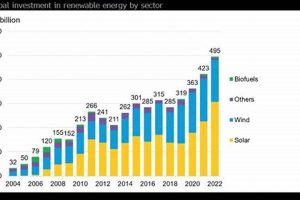
Europe’s power sector is undergoing a significant transformation, shifting from fossil fuel dependence to sustainable sources like solar, wind, hydro, geothermal, and biomass energy. For example, offshore wind farms in the North Sea are becoming major electricity providers, while solar installations proliferate across the continent. This transition represents a substantial investment in a decarbonized future.
This shift offers numerous advantages, including reduced greenhouse gas emissions, enhanced energy security through diversified supply, and the creation of green jobs. Historically, Europe has been a leader in climate action, and this focus on sustainable power generation reinforces that commitment. This transition is vital for meeting climate targets and fostering economic growth in a sustainable manner.
This foundational understanding of the European energy transition provides a basis for exploring specific topics within this field. Key areas of interest include policy frameworks, technological advancements, market dynamics, and the societal impact of these changes. Further investigation will delve into these facets to provide a more nuanced perspective on this critical transformation.
Tips for Supporting the European Energy Transition
Individuals and organizations can contribute to the growth of sustainable power generation in Europe. These tips provide practical actions that can support this crucial transition.
Tip 1: Invest in renewable energy projects. Consider investing in community solar farms, wind energy cooperatives, or green bonds. Such investments directly support the expansion of renewable energy infrastructure.
Tip 2: Reduce energy consumption. Improving energy efficiency at home and in the workplace through measures like better insulation, energy-efficient appliances, and smart energy management systems lowers demand on the power grid.
Tip 3: Advocate for supportive policies. Contact elected officials to express support for policies that incentivize renewable energy development, such as feed-in tariffs, tax credits, and streamlined permitting processes.
Tip 4: Choose a green energy supplier. Select an electricity provider that sources power from renewable generation. This empowers consumers to directly support clean energy.
Tip 5: Support sustainable businesses. Patronize companies committed to using renewable energy and sustainable practices. This encourages businesses to prioritize environmental responsibility.
Tip 6: Stay informed about advancements in renewable energy technologies. Awareness of technological innovations empowers individuals to make informed decisions about energy consumption and investment.
Tip 7: Promote education and awareness. Discuss the benefits of renewable energy with family, friends, and colleagues to raise awareness and encourage broader participation in the transition.
By taking these steps, individuals and organizations can actively contribute to a more sustainable energy future for Europe. Collective action is essential to achieving a successful energy transition.
These practical tips offer pathways to contribute to a greener future. The subsequent conclusion will synthesize the key arguments and reiterate the importance of this ongoing transformation.
1. Solar Power Expansion

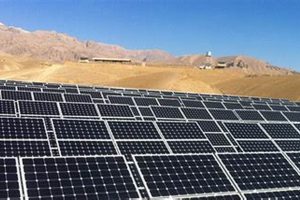
Solar power expansion plays a pivotal role in Europe’s transition to renewable energy. Declining photovoltaic (PV) module costs, coupled with supportive government policies like feed-in tariffs and renewable energy mandates, have fueled substantial growth in solar installations across the continent. This expansion contributes significantly to reducing greenhouse gas emissions and diversifying energy sources, enhancing energy security. For example, Germany’s solar capacity has grown exponentially, transforming its energy landscape and demonstrating the potential of solar power within a larger energy mix. Portugal’s investment in large-scale solar projects further illustrates this trend, showcasing how solar farms can contribute substantially to national renewable energy targets.
The practical significance of solar power expansion extends beyond emissions reductions. The distributed nature of solar installations, particularly rooftop PV systems, enhances grid resilience and reduces transmission losses. Furthermore, the solar industry creates jobs in manufacturing, installation, and maintenance, contributing to economic growth. The modularity of solar technology allows for deployment at various scales, from individual homes to large-scale solar farms, offering flexibility in meeting diverse energy needs. Continued innovation in PV technology and energy storage solutions further enhances the long-term viability of solar power as a cornerstone of the European energy transition.
In summary, solar power expansion is a crucial component of the European renewable energy landscape. Its growth is driven by technological advancements and policy support, contributing significantly to decarbonization, energy security, and economic development. Addressing challenges like grid integration and seasonal variability will be essential to maximizing solar energy’s potential and ensuring its seamless integration within a diversified renewable energy portfolio. This understanding provides a foundation for further exploration of specific policies, technological innovations, and market dynamics shaping the future of solar power in Europe.
2. Wind energy dominance

Wind energy plays a dominant role in Europe’s renewable energy landscape, significantly contributing to the continent’s decarbonization efforts and energy security goals. Several factors contribute to this dominance. Favorable wind resources, particularly in offshore locations like the North Sea and the Baltic Sea, provide a substantial foundation for wind power generation. Technological advancements in turbine design and construction have increased efficiency and reduced costs, making wind energy increasingly competitive with traditional fossil fuel sources. Supportive government policies, such as feed-in tariffs, renewable portfolio standards, and streamlined permitting processes, have further incentivized wind energy development. Denmark, for example, has become a global leader in wind energy, with a significant portion of its electricity generated from wind farms. The United Kingdom’s substantial offshore wind capacity demonstrates the potential of harnessing strong offshore winds to meet national energy demands.
The practical significance of wind energy dominance extends beyond its contribution to renewable energy targets. Wind farms create jobs in manufacturing, installation, maintenance, and operation, boosting local economies. Furthermore, wind energy reduces reliance on imported fossil fuels, enhancing energy independence and price stability. Offshore wind farms, in particular, offer the advantage of minimal land-use impact, allowing for continued development without competing with other land uses. The integration of wind energy into the electricity grid requires careful planning and management to address the intermittency of wind resources. Solutions such as grid modernization, energy storage technologies, and demand-side management strategies are crucial for ensuring grid stability and maximizing the benefits of wind power.
In summary, wind energy’s dominance within the European renewable energy mix is driven by abundant resources, technological advancements, and supportive policies. Its contribution to emissions reductions, energy security, and economic development is substantial. Addressing challenges related to grid integration and intermittency will be crucial for fully realizing wind energy’s potential and ensuring its continued growth as a cornerstone of Europe’s sustainable energy future. This understanding provides a foundation for further investigation into specific policy frameworks, technological innovations, and market trends shaping the future of wind energy in Europe.
3. Hydropower's steady role

Hydropower maintains a significant, albeit evolving, role within the European renewable energy landscape. While not experiencing the rapid growth of solar and wind power, hydropower provides a reliable and established baseload power source, contributing substantially to energy security and grid stability. Understanding its various facets provides valuable insight into its continued importance in the broader context of Europe’s energy transition.
- Conventional hydropower’s established presence
Large-scale hydroelectric dams have long been a cornerstone of electricity generation in several European countries, particularly in mountainous regions like Norway and Austria. These facilities provide a substantial and consistent energy supply, serving as a reliable baseload power source that complements the intermittency of other renewable sources. However, the potential for further expansion of conventional hydropower is limited due to environmental concerns and geographic constraints.
- Pumped hydro storage’s growing importance
Pumped hydro storage (PHS) facilities play an increasingly crucial role in balancing the fluctuating power supply from intermittent renewable sources like solar and wind. PHS plants act as giant batteries, storing excess energy during periods of high generation and releasing it during periods of peak demand or low renewable generation. This capability is essential for maintaining grid stability as the penetration of variable renewable energy increases. Switzerland, for example, relies heavily on PHS to manage its energy supply.
- Small-scale hydropower’s niche contribution
Small-scale hydropower projects, utilizing smaller rivers and streams, offer a decentralized and less environmentally impactful option for renewable electricity generation. While their individual contributions are smaller, the cumulative impact of numerous small-scale projects can be substantial, particularly in rural areas. These projects often provide localized benefits, contributing to community energy independence and economic development.
- Modernization and sustainability considerations
Modernization efforts focus on improving the efficiency and environmental performance of existing hydropower plants. This includes upgrading turbines, implementing fish passage systems, and mitigating other ecological impacts. Balancing the benefits of hydropower with environmental sustainability is crucial for ensuring its long-term viability within a balanced renewable energy portfolio. Norway’s ongoing efforts to modernize its hydropower infrastructure exemplify this commitment to sustainable hydropower development.
Hydropower’s diverse roles within the European energy landscape, from providing baseload power to facilitating grid stability through pumped hydro storage, underscore its continued importance in the broader transition to renewable energy. Balancing the benefits of hydropower with environmental sustainability considerations is essential for maximizing its contribution to a secure and decarbonized energy future. Further exploration of specific case studies, technological innovations, and policy frameworks governing hydropower development can provide a more nuanced understanding of its future role in the European energy landscape.
4. Biomass utilization

Biomass utilization represents a complex and multifaceted component of Europe’s renewable energy landscape. Its role is increasingly scrutinized as the continent strives to balance decarbonization goals with sustainable resource management. Understanding the various facets of biomass utilization is crucial for evaluating its contribution to a sustainable energy future.
- Sustainable sourcing and resource management
Sustainable sourcing practices are paramount for ensuring that biomass utilization contributes positively to environmental goals. Responsibly managed forests and agricultural residues can provide feedstock for bioenergy without compromising biodiversity, soil health, or food security. Certification schemes, such as the Forest Stewardship Council (FSC) certification, help ensure sustainable forestry practices. However, unsustainable harvesting practices can lead to deforestation, habitat loss, and increased greenhouse gas emissions, negating the environmental benefits of bioenergy.
- Diverse applications across the energy sector
Biomass can be utilized in various ways across the energy sector. Direct combustion for heat generation remains a common application, particularly in residential and industrial settings. Biogas production from anaerobic digestion of organic matter provides a renewable fuel source for combined heat and power (CHP) plants. Biofuels, derived from crops or agricultural residues, can be used in transportation, offering a potential alternative to fossil fuels. Advanced biofuels, produced from non-food sources like algae or lignocellulosic biomass, hold promise for reducing land-use competition with food production.
- Technological advancements and efficiency improvements
Technological advancements play a crucial role in enhancing the efficiency and sustainability of biomass utilization. Improved combustion technologies reduce emissions and increase energy output from biomass power plants. Advanced biofuel production processes aim to maximize yields and minimize environmental impacts. Research and development in areas like pyrolysis and gasification offer pathways to convert biomass into more versatile and energy-dense fuels and chemicals.
- Policy frameworks and sustainability criteria
Policy frameworks play a crucial role in shaping the development and deployment of biomass energy. Sustainability criteria for biomass feedstocks are essential for ensuring that bioenergy genuinely contributes to decarbonization goals. Renewable energy directives and sustainability certifications help guide the development of a responsible and environmentally sound bioenergy sector. Balancing the promotion of renewable energy with safeguards against unsustainable practices is essential for maximizing the positive impacts of biomass utilization. The European Union’s Renewable Energy Directive (RED) sets targets and sustainability criteria for bioenergy, influencing the development of the sector across member states.
The complexities surrounding biomass utilization underscore the need for careful consideration of its environmental and social impacts. Sustainable sourcing, technological advancements, and robust policy frameworks are crucial for ensuring that biomass contributes positively to Europe’s renewable energy goals. Balancing the potential benefits of bioenergy with potential risks requires a nuanced and comprehensive approach, encompassing environmental protection, economic development, and social equity considerations. Further exploration of specific biomass applications, policy frameworks, and sustainability certifications can provide a deeper understanding of its role within the broader European energy transition.
5. Geothermal potential

Geothermal energy, harnessed from the Earth’s internal heat, presents a significant, albeit often underutilized, component within the European renewable energy landscape. While its overall contribution remains relatively modest compared to wind and solar power, geothermal energy offers distinct advantages, particularly regarding baseload power generation and direct heating applications. Understanding its potential and the associated challenges is crucial for maximizing its contribution to Europe’s energy transition.
Several factors influence the practical significance of geothermal energy within Europe. Geologically active regions, such as Iceland and Italy, possess high-enthalpy geothermal resources suitable for electricity generation. These countries demonstrate the potential of geothermal power to contribute significantly to national energy mixes. However, much of Europe lies in geologically stable areas, limiting the potential for large-scale electricity generation. Nonetheless, lower-enthalpy resources, suitable for direct heating and cooling applications, are widespread. District heating systems utilizing geothermal energy are prevalent in countries like France and Germany, demonstrating the practical application of this resource for residential and commercial heating. Geothermal heat pumps, leveraging shallow geothermal energy, offer efficient and environmentally friendly heating and cooling solutions for individual buildings across various climatic zones. Technological advancements in enhanced geothermal systems (EGS) hold promise for expanding the accessibility of geothermal resources in areas not traditionally considered geothermal hotspots. However, EGS technologies require further development and careful management to address potential environmental risks, such as induced seismicity.
In summary, geothermal energy offers a valuable, albeit geographically constrained, contribution to Europe’s renewable energy portfolio. While its potential for electricity generation is limited to specific regions, its widespread applicability for direct heating and cooling presents significant opportunities for decarbonizing the building sector. Technological advancements, coupled with supportive policies and careful resource management, are crucial for maximizing the potential of geothermal energy and integrating it effectively within a diversified renewable energy mix. Further exploration of specific geothermal projects, policy frameworks, and technological innovations can provide a deeper understanding of its role within the broader European energy transition. Addressing challenges related to resource accessibility, infrastructure development, and public perception will be essential for unlocking the full potential of geothermal energy in Europe.
Frequently Asked Questions
This section addresses common inquiries regarding the transition to sustainable energy sources within Europe. Clear and concise answers provide a deeper understanding of the key challenges and opportunities associated with this transformative process.
Question 1: How does the intermittent nature of solar and wind power affect grid stability?
Grid stability is maintained through a combination of strategies. These include grid modernization, energy storage solutions (such as batteries and pumped hydro), demand-side management, and diversification of renewable energy sources across geographic regions. Interconnections between national grids also enhance stability by allowing for the sharing of electricity across borders.
Question 2: What is the role of energy storage in a renewable energy-dominated power system?
Energy storage technologies, such as batteries, pumped hydro storage, and thermal storage, play a critical role in balancing the fluctuating supply of renewable energy. They store excess energy generated during periods of high wind or solar output and release it during periods of low generation or peak demand, ensuring a continuous and reliable electricity supply.
Question 3: How does Europe ensure the sustainable sourcing of biomass for energy production?
Sustainability criteria and certification schemes are implemented to ensure responsible biomass sourcing. These measures aim to prevent deforestation, protect biodiversity, and avoid competition with food production. Sustainable forestry practices, utilizing residues and sustainably harvested wood, are prioritized.
Question 4: What are the main barriers to wider adoption of geothermal energy?
Wider geothermal energy adoption faces challenges related to resource accessibility, upfront investment costs for drilling and infrastructure development, and public awareness of its potential. Furthermore, potential environmental impacts, such as induced seismicity in the case of enhanced geothermal systems, require careful management and mitigation.
Question 5: How are European countries financing the transition to renewable energy?
Financing mechanisms include public funding programs, private investment, green bonds, carbon pricing mechanisms, and revenue from renewable energy auctions. The European Investment Bank and national development banks play a significant role in providing financial support for renewable energy projects.
Question 6: How does the transition to renewable energy create job opportunities?
The renewable energy sector creates jobs across various stages of the value chain, from manufacturing and installation to operation and maintenance. Growth in areas like solar PV manufacturing, wind turbine installation, and grid modernization generates employment opportunities and stimulates economic development within local communities.
Understanding these key aspects of the European energy transition provides a foundation for informed discussions and effective policymaking. Addressing the challenges and capitalizing on the opportunities presented by this transformation is crucial for building a sustainable energy future.
The following section will delve into specific case studies of successful renewable energy projects across Europe, showcasing the practical implementation of these transformative technologies.
Conclusion
Europe’s transition towards sustainable energy sources represents a multifaceted undertaking with significant implications for the continent’s future. This exploration has highlighted the diverse range of renewable energy technologies being deployed, from established sources like hydropower and biomass to rapidly expanding sectors like solar and wind power. The analysis has also underscored the importance of supportive policy frameworks, technological innovation, and sustainable resource management in driving this transition. Challenges related to grid integration, intermittency, and resource availability require ongoing attention and innovative solutions. The economic and social impacts of this transition, including job creation and enhanced energy security, have also been examined.
The ongoing transformation of Europe’s energy landscape presents both opportunities and challenges. Continued investment in research and development, coupled with robust policy frameworks and international collaboration, will be essential for realizing the full potential of renewable energy. The pursuit of a sustainable energy future requires a commitment to innovation, collaboration, and a long-term vision that prioritizes environmental stewardship, economic prosperity, and energy security. The successful navigation of this transition will shape not only Europe’s energy future but also its contribution to global climate action and sustainable development.