An introductory exploration of energy generated from natural resources that are replenished over a relatively short period is crucial for understanding a sustainable future. This foundational knowledge typically encompasses various sources like solar, wind, hydro, geothermal, and biomass, explaining their underlying mechanisms and potential applications. For instance, solar panels convert sunlight into electricity using photovoltaic cells, while wind turbines harness the kinetic energy of wind. Understanding these fundamental concepts provides a basis for more advanced study.
Shifting towards sustainable practices offers numerous advantages, including reduced reliance on finite fossil fuels, mitigation of harmful greenhouse gas emissions, and enhanced energy security. Historically, societies have relied heavily on non-renewable resources, but growing environmental concerns and technological advancements have driven a significant shift towards cleaner alternatives. This transition is essential for combating climate change and ensuring a healthy planet for future generations.
This foundational understanding paves the way for deeper exploration of specific renewable energy technologies, their integration into existing infrastructure, and the policies that support their development and adoption. A comprehensive understanding of these elements is critical for facilitating the global transition towards a sustainable energy future.
Practical Tips for Engaging with Sustainable Energy
Transitioning towards a future powered by renewable resources requires informed decision-making at individual and collective levels. The following tips offer practical guidance for incorporating sustainable practices into daily life and supporting broader societal change.
Tip 1: Understand Home Energy Consumption: Evaluating current energy usage provides a baseline for identifying areas for improvement. Analyzing utility bills and conducting home energy audits can reveal energy inefficiencies and inform targeted interventions.
Tip 2: Explore Residential Renewable Energy Options: Rooftop solar installations, solar water heaters, and geothermal heat pumps offer opportunities to generate clean energy at home. Researching local incentives and rebates can make these options more financially attractive.
Tip 3: Prioritize Energy Efficiency: Simple measures like using energy-efficient appliances, improving insulation, and reducing phantom loads can significantly lower energy consumption and associated costs.
Tip 4: Support Sustainable Transportation: Opting for public transportation, cycling, walking, or electric vehicles reduces reliance on fossil fuel-powered vehicles, minimizing carbon emissions and promoting cleaner air.
Tip 5: Advocate for Policy Changes: Supporting policies that incentivize renewable energy development, carbon pricing, and energy efficiency standards accelerates the transition to a sustainable energy future at a broader scale.
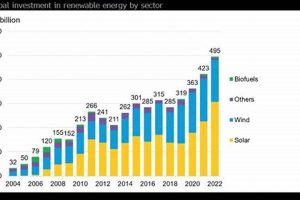
Tip 6: Invest in Renewable Energy Companies: Consider investing in companies specializing in renewable energy technologies or sustainable infrastructure. This directs capital towards the growth and development of the sector.
Tip 7: Stay Informed about Technological Advancements: The field of renewable energy is constantly evolving. Staying abreast of new technologies and innovations allows for informed decisions about future energy choices.
By incorporating these tips, individuals can actively contribute to a more sustainable energy landscape. These actions, when adopted collectively, have the power to significantly impact the global transition to a cleaner and more secure energy future.
These individual actions, amplified through collective engagement, are pivotal in creating a sustainable energy future. The transition requires ongoing commitment and innovation, ultimately shaping a more resilient and environmentally responsible world.
1. Sustainable Sources
Foundational to the study of introductory renewable energy is a comprehensive understanding of sustainable sources. These sources, by definition, replenish themselves naturally over relatively short periods, offering a critical alternative to finite fossil fuels. Exploring these sources provides essential context for grasping the broader implications of transitioning towards a sustainable energy future.
- Solar Energy
Harnessing the sun’s energy through photovoltaic cells or concentrated solar power offers a clean and abundant energy source. Large-scale solar farms, rooftop installations, and even portable solar chargers exemplify the versatility of this technology. Its widespread adoption contributes significantly to reducing greenhouse gas emissions and dependence on fossil fuels, core tenets of renewable energy principles.
- Wind Energy
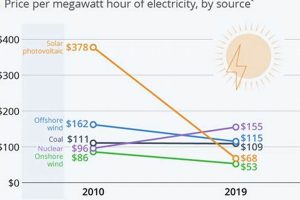
Kinetic energy from wind, captured by wind turbines, generates electricity without producing harmful emissions. Offshore and onshore wind farms are becoming increasingly prevalent, providing clean energy to grids worldwide. Wind energy’s scalability and cost-effectiveness position it as a vital component of a sustainable energy mix.
- Hydropower
Utilizing the natural flow of water to generate electricity, hydropower offers a reliable and established renewable energy source. Dams and run-of-river systems exemplify its implementation. However, considerations for ecological impact are crucial for responsible hydropower development, aligning with the broader environmental consciousness inherent in renewable energy studies.
- Geothermal Energy
Tapping into the Earth’s internal heat provides a consistent energy source for heating and electricity generation. Geothermal power plants and ground-source heat pumps illustrate practical applications. This sustainable resource plays a critical role in diversifying energy portfolios and reducing reliance on traditional energy sources, a key objective within the context of renewable energy fundamentals.
These diverse sustainable sources represent the cornerstone of a transition towards a cleaner and more secure energy future. Understanding their unique characteristics and potential contributions is crucial for navigating the complexities of renewable energy development and policy, thus forming a crucial component of any introductory exploration of the field. Further exploration often involves comparing the relative advantages and disadvantages of each source, considering factors such as geographic suitability, technological maturity, and economic viability.
2. Environmental Benefits

A fundamental component of introductory renewable energy education involves understanding its profound environmental benefits. These benefits represent a primary driver for the global transition towards sustainable energy systems. The causal link between adopting renewable energy sources and mitigating environmental damage forms a cornerstone of this understanding. Reduced reliance on fossil fuels directly translates to lower greenhouse gas emissions, a critical factor in combating climate change. Furthermore, renewable energy sources minimize air and water pollution associated with traditional energy generation, contributing to improved public health and ecosystem vitality. For instance, replacing coal-fired power plants with solar farms significantly reduces particulate matter and sulfur dioxide emissions, leading to cleaner air and improved respiratory health in surrounding communities.
The importance of environmental benefits within the context of renewable energy fundamentals extends beyond immediate pollution reduction. Sustainable energy practices contribute to resource conservation, reducing pressure on finite resources like water and land. Moreover, they promote biodiversity by minimizing habitat destruction and ecosystem disruption often associated with fossil fuel extraction and transportation. The practical significance of this understanding lies in its ability to inform policy decisions, drive technological innovation, and shape individual consumer choices. For example, recognizing the environmental advantages of wind energy can lead to policy incentives that encourage its development, resulting in larger wind farms and greater displacement of fossil fuel-based electricity generation.
In summary, the environmental benefits of renewable energy are intrinsically linked to its core principles. Understanding this connection is crucial for effectively advocating for sustainable energy policies, promoting responsible energy consumption, and fostering a global transition towards a cleaner, healthier, and more sustainable future. While challenges remain in terms of infrastructure development and technological advancement, the demonstrable environmental advantages of renewable energy provide a compelling rationale for continued investment and innovation in the field.
3. Technological Advancements

Technological advancements are inextricably linked to the growth and viability of renewable energy. Understanding these advancements is essential for a comprehensive grasp of introductory renewable energy principles. Innovation drives cost reductions, efficiency improvements, and broader accessibility of sustainable energy solutions, ultimately shaping the transition towards a cleaner energy future. Exploring key technological advancements provides critical insights into the dynamic landscape of renewable energy.
- Improved Photovoltaic Efficiency
Advances in photovoltaic cell technology have led to significant increases in solar panel efficiency, allowing for greater energy generation from smaller surface areas. This progress reduces the land footprint required for solar installations and enhances the economic viability of solar energy. Examples include advancements in materials science, such as the development of perovskite solar cells, which offer higher efficiency potential compared to traditional silicon-based cells.
- Advanced Energy Storage Solutions
Battery technology plays a crucial role in addressing the intermittency of renewable energy sources like solar and wind. Improved battery storage capacity and efficiency enable greater grid stability and reliability by storing excess energy generated during peak production periods for use during periods of lower generation. This advancement facilitates increased reliance on renewable sources and reduces dependence on fossil fuel-based backup power plants. Examples include the development of solid-state batteries, which offer improved safety and energy density compared to traditional lithium-ion batteries.
- Smart Grid Technologies
Smart grids utilize digital technologies to optimize energy distribution and management, integrating renewable energy sources seamlessly into existing infrastructure. These intelligent systems enhance grid resilience, improve energy efficiency, and enable real-time monitoring of energy consumption, contributing to a more dynamic and responsive energy landscape. Examples include advanced metering infrastructure (AMI) and distributed energy resource management systems (DERMS).
- Innovative Wind Turbine Design
Advancements in wind turbine design, including larger rotor diameters, taller towers, and improved blade aerodynamics, increase energy capture efficiency and allow for wind energy generation in areas with lower wind speeds. These advancements expand the geographic reach of wind energy and contribute to its increasing cost-competitiveness. Examples include the development of floating offshore wind turbines, which access higher wind speeds in deeper waters.
These technological advancements, while individually significant, work synergistically to drive the widespread adoption of renewable energy. They contribute to lower costs, enhanced efficiency, and improved grid integration, making renewable energy sources increasingly competitive with traditional fossil fuels. Continued innovation in these and other areas will be crucial for achieving a sustainable energy future, highlighting the importance of technological progress within the broader context of introductory renewable energy understanding.
4. Economic Opportunities

Renewable energy presents significant economic opportunities, forming a key component of introductory understanding. The transition to sustainable energy systems inherently drives job creation, fosters new industries, and stimulates economic growth. This connection is crucial not only for environmental sustainability but also for economic prosperity. Analyzing the economic implications of renewable energy adoption provides valuable insights for policymakers, investors, and individuals seeking to understand the broader benefits of this transition. For example, the manufacturing, installation, and maintenance of solar panels create numerous jobs across the supply chain, from raw material extraction to panel installation and grid integration. Similarly, the wind energy sector generates employment opportunities in turbine manufacturing, wind farm construction, and ongoing operations and maintenance. These examples illustrate the direct link between renewable energy development and job creation.
Furthermore, the shift towards renewable energy fosters innovation and entrepreneurship. As the demand for sustainable technologies grows, new businesses emerge to develop and deploy innovative solutions. This dynamism creates a competitive landscape that drives technological advancements and cost reductions, making renewable energy increasingly accessible and affordable. The development of smart grid technologies, energy storage solutions, and advanced materials for renewable energy applications exemplifies this entrepreneurial spirit. Investment in research and development related to renewable energy technologies also generates economic activity and fosters technological breakthroughs. For instance, government incentives and private investments in battery technology research have spurred significant advancements in energy storage, enabling greater grid integration of renewable energy sources.
In summary, understanding the economic opportunities associated with renewable energy is crucial for a comprehensive introduction to the field. The transition to sustainable energy systems offers significant potential for job creation, economic growth, and technological innovation. Recognizing these economic benefits provides a compelling argument for accelerating the adoption of renewable energy, demonstrating that environmental sustainability and economic prosperity are not mutually exclusive but rather mutually reinforcing goals. While challenges remain in terms of initial investment costs and infrastructure development, the long-term economic benefits of renewable energy, combined with its environmental advantages, provide a strong rationale for continued investment and policy support. This understanding empowers informed decision-making and promotes a more sustainable and prosperous future.
5. Energy Independence

Energy independence represents a critical component within the foundational understanding of renewable energy. It signifies a nation’s or region’s capacity to meet its energy demands through domestic, sustainable resources, reducing reliance on imported fossil fuels. This reduced reliance has profound implications for national security, economic stability, and environmental sustainability. Renewable energy sources, being domestically available and inexhaustible, play a pivotal role in achieving energy independence. For instance, a country investing heavily in solar and wind infrastructure reduces its dependence on imported oil and natural gas, enhancing its energy security and mitigating vulnerability to global price fluctuations and geopolitical instability. Similarly, distributed generation, enabled by rooftop solar panels and community wind turbines, strengthens local energy resilience and reduces vulnerability to disruptions in centralized power grids.
The practical significance of energy independence within the context of renewable energy fundamentals extends beyond geopolitical considerations. By shifting towards domestically sourced renewable energy, nations can create new jobs in manufacturing, installation, and maintenance of renewable energy technologies. This economic diversification stimulates local economies and reduces the outflow of capital associated with importing fossil fuels. Moreover, energy independence contributes to greater price stability in the energy market, shielding consumers from volatile global fossil fuel prices. For example, a region heavily reliant on imported coal for electricity generation might experience price spikes due to international market fluctuations. However, a transition to locally sourced wind or solar power would stabilize electricity prices and protect consumers from external market pressures. This stability fosters economic predictability and encourages investment in energy-intensive industries.
In summary, energy independence serves as a crucial driver and outcome of the transition towards renewable energy. Understanding this connection is fundamental to introductory renewable energy education. While challenges remain in terms of infrastructure development and grid integration, the pursuit of energy independence, facilitated by renewable resources, offers significant benefits for national security, economic stability, and environmental sustainability. This understanding encourages informed policy decisions, promotes investment in renewable energy technologies, and fosters a more secure and sustainable energy future. The causal link between renewable energy adoption and enhanced energy independence underscores the importance of this concept within the broader narrative of sustainable energy development.
Frequently Asked Questions about Introductory Renewable Energy
This section addresses common inquiries regarding the foundational aspects of renewable energy, aiming to provide clear and concise responses. A deeper understanding of these fundamental concepts is crucial for informed decision-making and effective engagement with the transition towards sustainable energy systems.
Question 1: What constitutes a renewable energy source?
A renewable energy source is naturally replenished over a relatively short period, unlike finite fossil fuels. Examples include solar, wind, hydro, geothermal, and biomass energy. These sources offer a sustainable alternative to conventional energy generation, minimizing environmental impact and enhancing energy security.
Question 2: How does solar energy generate electricity?
Solar panels utilize photovoltaic cells to convert sunlight directly into electricity. These cells, typically made of silicon, generate an electric current when exposed to sunlight. This process, known as the photovoltaic effect, provides a clean and silent method of electricity generation.
Question 3: What are the primary advantages of wind energy?
Wind energy offers several advantages, including zero greenhouse gas emissions during operation, relatively low operating costs, and the potential for large-scale deployment both onshore and offshore. These factors contribute to its increasing prominence in the global energy mix.
Question 4: Is hydropower truly a sustainable energy source?
While hydropower utilizes a renewable resource (water), its sustainability depends on responsible development practices. Factors such as dam construction and water management can significantly impact local ecosystems. Careful planning and mitigation strategies are crucial for minimizing environmental disruption.
Question 5: What role does geothermal energy play in sustainable energy systems?
Geothermal energy harnesses the Earth’s internal heat for direct use or electricity generation. It offers a reliable and consistent energy source with minimal environmental impact. Geothermal power plants and ground-source heat pumps exemplify its diverse applications.
Question 6: How can individuals contribute to the transition towards renewable energy?
Individuals can contribute through various actions, including reducing energy consumption, adopting energy-efficient technologies, supporting policies that incentivize renewable energy development, and investing in renewable energy projects or companies. Collective individual action plays a crucial role in accelerating the broader societal shift towards sustainable energy systems.
Understanding these fundamental concepts empowers informed decision-making and facilitates effective engagement with the ongoing transition towards a sustainable energy future. Continued learning and exploration within this dynamic field are crucial for navigating the complexities of renewable energy development and its profound implications for global sustainability.
Further exploration might delve into specific renewable energy technologies, their integration into existing infrastructure, and the policies that support their development and adoption. A comprehensive understanding of these elements is critical for facilitating the global transition towards a sustainable energy future.
Renewable Energy 101
Exploration of renewable energy fundamentals reveals its multifaceted nature, encompassing environmental, technological, economic, and geopolitical dimensions. Sustainable sources like solar, wind, hydro, and geothermal offer viable alternatives to finite fossil fuels, mitigating environmental impact while creating economic opportunities. Technological advancements continuously improve efficiency and affordability, driving broader adoption and grid integration. Understanding these core components is crucial for informed decision-making and effective participation in the global transition towards sustainable energy systems. The interconnectedness of these elements underscores the transformative potential of renewable energy in shaping a more resilient and environmentally responsible future.
The transition towards sustainable energy represents not merely a technological shift but a societal imperative. Continued investment in research, development, and deployment of renewable energy technologies is essential for achieving global climate goals and ensuring a secure energy future. Embracing renewable energy principles requires collective action, informed policy decisions, and a commitment to innovation. The future of energy hinges on a comprehensive understanding and widespread adoption of these fundamental principles, paving the way for a more sustainable and prosperous world.