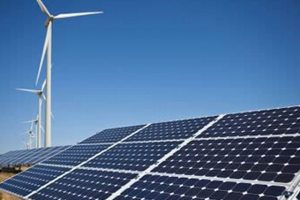
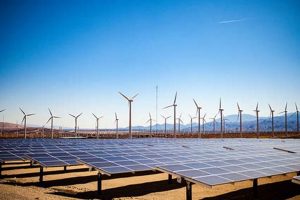
Small-scale, independently constructed energy generation systems utilizing resources like solar, wind, hydro, and biomass offer individuals a degree of energy independence. Examples include rooftop photovoltaic panels converting sunlight into electricity, small wind turbines capturing kinetic energy from wind, and micro-hydro systems harnessing the power of flowing water. These systems can be designed and implemented with varying levels of technical expertise and investment.
Decentralized power generation reduces reliance on established utility grids and fossil fuels, contributing to a lower carbon footprint and enhanced energy security. Historically, individuals in remote areas or those seeking self-sufficiency have employed such methods. The growing awareness of climate change and advancements in technology have broadened the appeal and feasibility of these approaches, making them increasingly relevant in urban and suburban settings.
This exploration delves into the practical aspects, economic considerations, and environmental impact of various small-scale renewable energy options, providing a guide for those interested in generating power independently. Topics covered include system design, component selection, installation, maintenance, and the potential integration of these systems with existing infrastructure.
Tips for Implementing Small-Scale Renewable Energy Systems
Careful planning and execution are crucial for successful implementation of independent power generation. The following tips provide guidance for individuals exploring these options.
Tip 1: Assess Energy Needs: A thorough evaluation of current energy consumption is essential. Analyze energy bills and appliance usage to determine realistic generation targets and avoid over or under-sizing the system.
Tip 2: Evaluate Resource Availability: The local environment dictates suitable technologies. Regions with ample sunlight favor solar photovoltaic systems, while consistently windy locations are ideal for wind turbines. Water availability determines the feasibility of micro-hydro.
Tip 3: Research Local Regulations: Building permits and grid interconnection requirements vary. Contact local authorities to ensure compliance and understand any incentives or rebates available for renewable energy installations.
Tip 4: Start Small and Modular: Begin with a modest system tailored to meet essential needs. A modular design allows for expansion as energy demands evolve or as budget allows.
Tip 5: Prioritize Safety: Working with electricity and mechanical components carries inherent risks. Consult qualified professionals for guidance during installation and maintenance. Adherence to safety standards is paramount.
Tip 6: Consider Battery Storage: Integrating battery storage enhances energy independence by storing excess generated power for use during periods of low resource availability or peak demand.
Tip 7: Explore Hybrid Systems: Combining different renewable energy technologies, such as solar and wind, can provide a more consistent power supply and mitigate the intermittency of individual sources.
By adhering to these guidelines, individuals can effectively harness renewable resources to generate power sustainably and reduce their reliance on conventional energy sources.
These practical steps empower individuals to transition toward greater energy independence. The following section concludes with a look at the broader implications of adopting distributed renewable energy generation.
1. Resource Availability

Resource availability forms the foundation of any successful small-scale renewable energy project. The type and abundance of locally accessible resources directly determine the viability and efficiency of different renewable energy systems. Careful assessment of available resources is therefore paramount before embarking on any independent power generation project.
- Solar Irradiance
Regions with high levels of solar irradiance are ideal for photovoltaic systems. The amount of sunlight a location receives dictates the energy output of solar panels. Factors such as latitude, altitude, and cloud cover influence solar irradiance. Data from meteorological agencies or online solar calculators can help assess solar potential. Understanding peak sun hours and seasonal variations is crucial for optimizing system design and performance.
- Wind Speed and Consistency
Wind turbines require consistent and sufficient wind speeds to generate electricity effectively. Coastal areas, open plains, and elevated locations often experience higher wind speeds. Anemometers can be used to measure wind speed at the proposed installation site. The average wind speed and its consistency over time significantly impact the energy output and economic viability of wind energy systems.
- Water Resources
Micro-hydro systems utilize the energy of flowing water to generate power. A consistent water source, such as a stream or river, is necessary. The elevation difference, or head, and the flow rate determine the potential energy. Environmental considerations, such as the impact on aquatic ecosystems, must be carefully evaluated before implementing a micro-hydro system.
- Biomass Availability
Biomass energy systems utilize organic matter, such as wood, agricultural residues, or dedicated energy crops. Sustainable sourcing of biomass is critical to avoid environmental degradation. The energy content and moisture content of the biomass influence the efficiency of combustion or gasification processes. The availability of biomass resources varies regionally and depends on local agricultural practices and forestry management.
A thorough understanding of local resource availability informs the selection of appropriate technologies and ensures the long-term sustainability and efficiency of homemade renewable energy systems. The careful matching of resources to technology maximizes energy output and minimizes environmental impact. By understanding the interplay of these factors, individuals can effectively harness locally available resources for sustainable power generation.
2. System Scalability

System scalability is a critical factor in the design and implementation of homemade renewable energy systems. It refers to the ability of a system to adapt to changing energy demands over time, either by expanding generating capacity or by reducing it as needed. This flexibility is essential for ensuring the long-term viability and cost-effectiveness of independent power generation.
- Modular Design
Modular design is a cornerstone of scalable renewable energy systems. Employing smaller, interconnected components allows for incremental expansion as energy needs increase. For example, a solar photovoltaic system can start with a few panels and gradually expand by adding more panels as demand grows or as budget allows. This modular approach minimizes upfront investment and allows the system to evolve alongside changing requirements. A similar principle applies to wind turbines, where adding individual turbines to a wind farm increases overall generating capacity.
- Energy Storage Integration
Scalability also involves integrating energy storage solutions, such as batteries, to accommodate fluctuations in energy production and demand. As renewable energy sources are often intermittent, energy storage becomes crucial for ensuring a reliable power supply. Battery systems can be scaled to match the size of the generation system and the desired level of energy independence. For instance, a larger battery bank can provide backup power during extended periods of low renewable resource availability, further enhancing system scalability.
- Grid Interconnection Considerations
The scalability of a homemade renewable energy system can be influenced by grid interconnection regulations and policies. In some cases, grid-tied systems may have limitations on the amount of power that can be fed back into the grid. Understanding these limitations is crucial for determining the appropriate scale of the system and avoiding potential complications. For off-grid systems, scalability allows for adapting to changes in energy consumption patterns without reliance on external grid infrastructure.
- Future Expansion Planning
Effective scalability requires careful planning for future expansion. Anticipating potential increases in energy demand, such as the addition of new appliances or electric vehicles, informs initial system design choices. Selecting components that are compatible with future expansion minimizes costs and complexity down the line. For example, choosing inverters and wiring with sufficient capacity for future additions avoids the need for costly replacements during system upgrades.
By carefully considering these aspects of system scalability, individuals can create renewable energy systems that adapt to their evolving needs and provide a sustainable and cost-effective source of power for years to come. This adaptable approach ensures that the initial investment remains valuable and relevant even as energy requirements change. The flexibility offered by scalable systems contributes significantly to the long-term viability and success of homemade renewable energy solutions.
3. Cost-Effectiveness

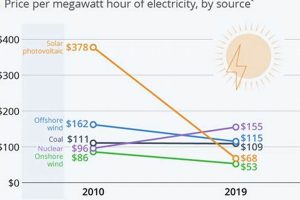
Cost-effectiveness plays a crucial role in the viability of homemade renewable energy systems. The initial investment in equipment, installation, and maintenance must be balanced against long-term energy savings and potential revenue generation. A comprehensive cost-benefit analysis is essential to determine the financial feasibility of any project. Factors influencing cost-effectiveness include available government incentives, such as tax credits and rebates, the cost of traditional grid electricity, and the projected lifespan and performance of the renewable energy system. For instance, while a solar photovoltaic system may require a substantial upfront investment, the reduced reliance on grid electricity and potential feed-in tariffs can lead to significant long-term savings. Similarly, a well-designed wind turbine in a consistently windy location can offer a rapid return on investment through reduced energy bills.
Evaluating cost-effectiveness often requires considering a broader perspective than simply comparing initial costs. The environmental benefits of reduced reliance on fossil fuels can translate into societal cost savings through improved air quality and reduced healthcare expenses. Furthermore, energy independence provides a buffer against fluctuating energy prices and enhances energy security. For example, a biomass heating system utilizing locally sourced wood chips can reduce dependence on volatile fossil fuel markets while supporting local economies. Similarly, a micro-hydro system can provide a stable and predictable energy source, insulating users from price fluctuations associated with traditional grid electricity.
Understanding the cost-effectiveness of homemade renewable energy systems empowers individuals to make informed decisions about their energy investments. Careful consideration of initial costs, long-term savings, environmental benefits, and energy independence allows for a comprehensive assessment of the true value of these systems. While challenges such as upfront investment costs and resource availability remain, technological advancements and evolving government policies continue to improve the cost-effectiveness of homemade renewable energy, making it an increasingly attractive option for individuals seeking greater control over their energy production and consumption.
4. Technical Expertise

Technical expertise plays a critical role in the successful and safe implementation of homemade renewable energy systems. While pre-assembled kits and simplified designs exist for some technologies, a fundamental understanding of electrical systems, mechanical components, and energy principles remains essential. This expertise ensures efficient system design, proper installation, safe operation, and effective troubleshooting. Lack of adequate technical knowledge can lead to suboptimal performance, safety hazards, and potentially costly repairs or system failures. For instance, improper wiring in a solar photovoltaic system can reduce energy output and create fire hazards. Similarly, incorrect installation of a wind turbine can lead to mechanical failures and structural damage.
The required level of technical expertise varies depending on the complexity of the renewable energy system. Simple solar water heaters may require less specialized knowledge than grid-tied photovoltaic systems, which involve complex electrical connections and regulatory compliance. Micro-hydro installations necessitate understanding of hydraulics, plumbing, and potentially civil engineering principles. Access to reliable information resources, such as online tutorials, workshops, and consultations with qualified professionals, can bridge knowledge gaps and empower individuals to develop the necessary technical skills. Building a strong foundation in electrical safety, wiring practices, and mechanical maintenance significantly increases the likelihood of a successful and safe homemade renewable energy project. This knowledge also enables informed decision-making regarding component selection, system design, and integration with existing infrastructure.
Developing technical expertise offers numerous benefits beyond ensuring system functionality and safety. It empowers individuals to maintain and troubleshoot their systems independently, reducing reliance on external technicians and minimizing downtime. A deeper understanding of the underlying principles also allows for optimization of system performance, maximizing energy output and return on investment. Moreover, technical competence facilitates informed engagement with regulatory authorities, equipment suppliers, and other stakeholders involved in the renewable energy sector. Therefore, investing time and effort in acquiring technical expertise is crucial for the long-term success and sustainability of homemade renewable energy projects, ensuring safe, efficient, and cost-effective operation while fostering greater self-reliance and informed decision-making.
5. Environmental Impact

Environmental impact represents a core consideration within the discourse surrounding homemade renewable energy. Transitioning from conventional, fossil fuel-based energy generation to renewable sources offers significant potential for mitigating environmental degradation. However, even small-scale renewable energy systems present unique environmental considerations that warrant careful evaluation. Understanding these impacts is crucial for ensuring that homemade renewable energy truly contributes to a more sustainable future.
- Reduced Greenhouse Gas Emissions
A primary advantage of homemade renewable energy lies in its potential to reduce greenhouse gas emissions. Unlike fossil fuels, renewable resources like solar, wind, and hydro do not release significant quantities of carbon dioxide or other greenhouse gases during energy generation. This reduction contributes to mitigating climate change and its associated impacts, such as rising sea levels and extreme weather events. For instance, replacing a coal-fired power plant with a network of rooftop solar panels significantly reduces the overall carbon footprint of electricity generation.
- Land Use and Habitat Disruption
While renewable energy technologies generally have a lower environmental footprint than fossil fuels, some land use and habitat disruption can occur. Large-scale solar or wind farms can alter landscapes and potentially displace wildlife. Careful site selection and mitigation strategies are essential to minimize these impacts. For example, siting solar farms on brownfields or rooftops can reduce land use conflicts. Similarly, conducting thorough environmental impact assessments prior to wind farm construction can help identify potential habitat disruptions and implement appropriate mitigation measures.
- Manufacturing and Material Sourcing
The manufacturing process for renewable energy components, such as solar panels and wind turbine blades, requires energy and resources. The extraction and processing of raw materials, such as silicon for solar panels or rare earth minerals for wind turbine generators, can have environmental consequences. Supporting manufacturers committed to sustainable practices, recycling components at the end of their lifespan, and researching alternative materials can minimize these impacts. For instance, using recycled materials in the production of solar panels reduces the demand for virgin resources and lowers the overall environmental footprint of manufacturing.
- Water Usage and Quality
Certain renewable energy technologies have implications for water resources. Hydroelectric dams can alter river flows and impact aquatic ecosystems. Concentrated solar power plants require water for cooling. Minimizing water consumption and protecting water quality are essential for ensuring the environmental sustainability of these technologies. For example, implementing closed-loop cooling systems in concentrated solar power plants reduces water usage and minimizes the potential for water contamination. Similarly, designing hydroelectric projects with fish ladders and other mitigation measures can help protect aquatic biodiversity.
By carefully considering these environmental impacts, individuals can make informed decisions about implementing homemade renewable energy systems. Balancing the benefits of reduced greenhouse gas emissions with potential impacts on land use, water resources, and material sourcing is essential for ensuring that the transition to renewable energy truly contributes to a more sustainable future. Continuous innovation and responsible implementation are key to maximizing the environmental benefits and minimizing the potential drawbacks of homemade renewable energy technologies. Through careful planning, informed decision-making, and a commitment to sustainability, individuals can harness the power of renewable resources while protecting the environment for future generations.
6. Regulatory Compliance

Regulatory compliance forms an integral aspect of implementing homemade renewable energy systems. Navigating the legal landscape governing small-scale energy generation ensures safe and permissible operation while avoiding potential penalties and conflicts. Regulations vary significantly depending on geographic location and encompass areas such as building permits, grid interconnection standards, and environmental impact assessments. Building permits ensure structural integrity and electrical safety, addressing concerns related to wind turbine tower stability or rooftop solar panel mounting. Grid interconnection standards dictate how independently generated electricity can be integrated with the existing power grid, ensuring compatibility and preventing disruptions to the wider electricity network. For example, regulations may specify required safety disconnects and metering equipment for grid-tied systems.
Environmental regulations play a crucial role in minimizing the potential impact of renewable energy systems on surrounding ecosystems. These regulations may address issues such as noise pollution from wind turbines, water usage for hydroelectric systems, or land disturbance during solar farm construction. Compliance with environmental regulations ensures sustainable development of renewable energy resources and protects local biodiversity. For instance, environmental impact assessments may be required for larger-scale projects to evaluate potential ecological consequences and implement appropriate mitigation measures. Failure to comply with these regulations can lead to project delays, fines, or even legal action, underscoring the importance of integrating regulatory compliance into the planning and execution of homemade renewable energy projects.
Understanding and adhering to regulatory requirements is paramount for the successful and legally sound implementation of homemade renewable energy systems. This involves researching local regulations, consulting with relevant authorities, and integrating compliance measures into project design and execution. Proactive engagement with regulatory frameworks not only avoids potential legal challenges but also fosters a responsible and sustainable approach to independent energy generation. Staying informed about evolving regulations, participating in community consultations, and advocating for clear and supportive policies contribute to a more streamlined and accessible regulatory landscape for homemade renewable energy, enabling wider adoption and facilitating a transition towards a cleaner and more decentralized energy future.
Frequently Asked Questions about Independent Renewable Energy Generation
This section addresses common inquiries regarding the implementation and operation of small-scale renewable energy systems.
Question 1: What is the typical cost of implementing a homemade renewable energy system?
System costs vary significantly depending on the chosen technology, system size, and location. Factors such as resource availability, site accessibility, and local labor rates influence overall expenses. Detailed cost estimations necessitate individual assessments based on specific project requirements.
Question 2: How much maintenance do homemade renewable energy systems require?
Maintenance requirements depend on the chosen technology. Solar photovoltaic systems generally require minimal maintenance, such as periodic cleaning and occasional inverter checks. Wind turbines may require more frequent maintenance, including lubrication and component replacement. Regular inspections and preventative maintenance maximize system lifespan and performance.
Question 3: Is it possible to generate enough energy to completely disconnect from the existing power grid?
Achieving complete grid independence depends on energy consumption patterns, resource availability, and system capacity. Off-grid systems require careful planning, adequate energy storage, and potentially backup power solutions. Grid-tied systems offer a balance between independent generation and grid reliance, allowing for net metering and grid support during periods of low renewable resource availability.
Question 4: What are the potential risks or challenges associated with implementing homemade renewable energy systems?
Potential challenges include upfront investment costs, intermittent resource availability, technical expertise requirements, and regulatory compliance. Thorough planning, professional consultation, and adherence to safety standards mitigate risks and maximize the likelihood of a successful project.
Question 5: What are the environmental benefits of generating renewable energy at home?
Environmental benefits include reduced greenhouse gas emissions, decreased reliance on fossil fuels, and lower air and water pollution. Independent renewable energy generation contributes to a cleaner environment and mitigates the impacts of climate change. However, responsible material sourcing and end-of-life recycling remain important considerations.
Question 6: Where can one find reliable information and resources for planning and implementing homemade renewable energy projects?
Reputable sources of information include government energy agencies, academic institutions, industry associations, and online communities dedicated to renewable energy. Consultations with qualified professionals provide tailored guidance based on individual project needs and local conditions.
Careful consideration of these frequently asked questions empowers individuals to make informed decisions about implementing homemade renewable energy systems. Understanding costs, maintenance requirements, potential challenges, and environmental benefits allows for a comprehensive assessment of the viability and suitability of independent power generation.
The subsequent section explores real-world case studies of successful homemade renewable energy projects, providing practical insights and inspiration for individuals embarking on their own independent energy journeys.
Homemade Renewable Energy
This exploration has examined the multifaceted nature of small-scale, independent power generation using renewable resources. Key aspects discussed include resource assessment, system scalability, cost-effectiveness, technical expertise requirements, environmental impact, and regulatory compliance. Successful implementation requires careful planning, informed decision-making, and a commitment to long-term sustainability. The potential benefits encompass reduced reliance on conventional energy sources, lower environmental impact, and enhanced energy independence. However, challenges such as initial investment costs, intermittent resource availability, and technical complexity warrant careful consideration.
The transition toward decentralized, renewable energy generation represents a significant opportunity to reshape energy landscapes. Empowering individuals to generate power independently fosters greater energy resilience, reduces dependence on centralized grids, and contributes to a more sustainable energy future. Continued technological advancements, evolving policy landscapes, and growing public awareness promise to further enhance the accessibility and viability of homemade renewable energy solutions, paving the way for a more equitable and environmentally responsible energy paradigm.