Intermittent power generation, geographic limitations, high upfront costs, storage complexities, and environmental impacts represent key challenges associated with transitioning to sustainable energy sources. For example, solar power is dependent on sunlight and wind power on wind, both of which are variable. This intermittency can lead to power grid instability unless effective energy storage solutions are implemented. Furthermore, the manufacturing processes for some renewable energy technologies require substantial resource inputs and can create waste streams that require careful management.
Understanding the limitations of renewable energy sources is crucial for effective policy-making and successful integration into existing energy infrastructures. A balanced assessment of both advantages and drawbacks allows for the development of realistic strategies for a sustainable energy future. Historically, these challenges have hindered widespread adoption; however, ongoing technological advancements continue to address these issues, paving the way for greater reliance on renewable energy.
The following sections delve deeper into specific drawbacks associated with various forms of renewable energy, examining their technical, economic, and environmental dimensions. These detailed explorations will provide a nuanced understanding of the complexities involved in the global transition to renewable energy sources.
Mitigating Drawbacks of Renewable Energy Integration
Successfully integrating renewable energy sources requires careful consideration of their inherent limitations. The following tips offer practical guidance for addressing these challenges and maximizing the benefits of sustainable energy transitions.
Tip 1: Diversify Renewable Energy Sources: Relying on a mix of renewable energy technologiessuch as solar, wind, hydro, and geothermalcan help mitigate the impact of intermittency. Geographic diversity within a power grid can also smooth out fluctuations in power generation.
Tip 2: Invest in Energy Storage Solutions: Technologies like pumped hydro storage, batteries, and thermal storage are crucial for storing excess energy generated during peak production periods and releasing it when demand is high or generation is low.
Tip 3: Strengthen Grid Infrastructure: Modernizing existing grid infrastructure is essential for accommodating the decentralized nature of renewable energy generation and ensuring efficient transmission and distribution of power.
Tip 4: Advance Forecasting Technologies: Accurate weather forecasting plays a vital role in predicting fluctuations in renewable energy generation, enabling grid operators to make informed decisions about balancing supply and demand.
Tip 5: Promote Demand-Side Management: Implementing strategies that encourage consumers to shift their energy consumption to periods of high renewable energy generation can help balance the grid and reduce reliance on conventional power plants.
Tip 6: Support Research and Development: Continued investment in research and development is crucial for improving the efficiency, affordability, and reliability of renewable energy technologies and storage solutions.
Tip 7: Consider Environmental Impacts: Comprehensive life-cycle assessments of renewable energy technologies are necessary to minimize potential negative impacts on ecosystems, land use, and resource consumption.
By addressing the challenges associated with renewable energy through these strategies, a more reliable, resilient, and sustainable energy future can be achieved.
The concluding section synthesizes the key takeaways regarding the limitations and future prospects of renewable energy integration within the broader context of global energy transitions.
1. Intermittency

Intermittency, the fluctuating nature of renewable energy sources like solar and wind, presents a significant challenge to their widespread adoption and integration into existing power grids. Reliable power supply requires consistent energy generation, and the unpredictable nature of these sources necessitates strategies to mitigate the effects of intermittency.
- Predictability Challenges
Solar power generation fluctuates with cloud cover and time of day, while wind power varies with wind speed. Accurately predicting these fluctuations is crucial for grid management, and current forecasting technologies, while improving, still face limitations. This unpredictability can lead to grid instability and potential blackouts if supply and demand are not carefully balanced.
- Grid Stability Issues
Fluctuations in renewable energy generation can create instability in the power grid, requiring backup power sources to maintain a consistent frequency and voltage. Conventional power plants, often fossil fuel-based, are typically used to compensate for these fluctuations, offsetting some of the environmental benefits of renewable energy.
- Storage Capacity Needs
Effective energy storage solutions are essential for mitigating the impact of intermittency. Storing excess energy generated during peak production periods allows for its use during periods of low generation. However, current storage technologies, such as batteries and pumped hydro, have limitations in terms of cost, capacity, and efficiency.
- Economic Implications
The intermittent nature of renewable energy sources can impact their economic viability. The need for backup power sources and energy storage solutions adds to the overall cost of renewable energy systems. Furthermore, the unpredictable nature of generation can make it difficult to accurately predict revenue streams from renewable energy projects.
Overcoming the challenges of intermittency is crucial for realizing the full potential of renewable energy. Advancements in forecasting technologies, energy storage solutions, and grid management strategies are essential for ensuring a stable, reliable, and cost-effective transition to a sustainable energy future. Continued research and development in these areas will play a key role in mitigating the disadvantages associated with intermittent renewable energy sources.
2. Geographic Dependency

Geographic dependency significantly constrains the potential of renewable energy sources. Optimal locations for harnessing renewable energy are often limited by natural resource availability. Solar power requires ample sunlight, making sunny regions more suitable. Wind power relies on consistent wind patterns, favoring coastal areas, open plains, or mountainous regions. Hydropower necessitates suitable river systems and elevation changes. Geothermal energy is confined to areas with accessible geothermal activity. This geographic dependency creates challenges for regions lacking these specific resources, limiting their ability to generate sufficient renewable energy locally and necessitating reliance on energy imports or alternative sources.
The uneven distribution of renewable energy resources can exacerbate existing energy inequalities. Regions with abundant resources may become energy exporters, while those lacking suitable conditions may face higher energy costs and limited access to clean energy. For example, desert regions are ideal for large-scale solar farms, but transmitting that power to distant urban centers requires substantial infrastructure investment. Similarly, remote areas with high wind potential may face challenges connecting to existing power grids. This geographic disparity underscores the importance of strategic planning and investment in transmission infrastructure to ensure equitable access to renewable energy.
Understanding geographic dependency is crucial for developing effective renewable energy strategies. Diversifying renewable energy portfolios within a given region can help mitigate limitations. Combining solar, wind, and other sources can balance variability and reduce reliance on any single resource. Furthermore, advancements in energy storage technologies can enhance the reliability of intermittent sources, lessening the impact of geographic constraints. Integrating renewable energy into existing power grids also requires careful planning and infrastructure development to ensure efficient transmission and distribution across varying geographic landscapes. Addressing these challenges through technological innovation and strategic policy decisions is essential for maximizing the potential of renewable energy and achieving a sustainable energy future.
3. High Upfront Costs

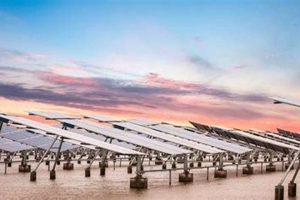
High upfront costs represent a significant barrier to widespread renewable energy adoption. Initial investments for renewable energy technologies often exceed those for conventional fossil fuel-based power plants. This includes the costs of purchasing and installing equipment such as solar panels, wind turbines, and energy storage systems, as well as grid connection and infrastructure upgrades. For example, large-scale solar farms require significant land acquisition and preparation, while offshore wind farms necessitate specialized installation vessels and subsea cabling. These substantial upfront costs can deter individuals, businesses, and governments from investing in renewable energy, particularly in scenarios with limited access to financing or competing budgetary priorities.
The financial burden of high upfront costs can disproportionately affect low-income communities and developing nations. Access to capital and financing mechanisms plays a crucial role in enabling renewable energy transitions. While the long-term operational costs of renewable energy are generally lower due to the absence of fuel costs, the initial investment hurdle can be prohibitive. This financial constraint can hinder the equitable distribution of renewable energy benefits and perpetuate reliance on fossil fuels in resource-constrained settings. Innovative financing models, subsidies, and public-private partnerships are essential for overcoming this challenge and ensuring broader access to clean energy technologies.
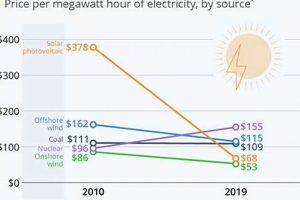
Despite the high upfront costs, the long-term economic benefits of renewable energy often outweigh the initial investment. Reduced operational costs, energy independence, and job creation in the renewable energy sector can generate positive economic returns over time. Furthermore, the avoided costs of climate change mitigation and reduced air pollution associated with fossil fuels strengthen the economic case for renewable energy investments. A comprehensive cost-benefit analysis that considers both short-term and long-term economic impacts is crucial for informed decision-making regarding renewable energy adoption. Policy frameworks that incentivize investment and address financing barriers are essential for accelerating the transition to a sustainable energy future.
4. Storage Limitations
Storage limitations pose a significant hurdle in maximizing the potential of renewable energy sources, particularly for intermittent sources like solar and wind power. The inability to efficiently and cost-effectively store excess generated energy when supply exceeds demand creates a mismatch between energy availability and consumption patterns. This mismatch undermines grid stability, necessitates reliance on backup power sources (often fossil fuel-based), and curtails the overall effectiveness of renewable energy integration. For example, solar power generation peaks during daylight hours, often exceeding immediate demand. Without adequate storage capacity, this excess energy is either curtailed or fed into the grid, potentially destabilizing it. Conversely, during nighttime or periods of low sunlight, alternative generation sources are required to meet demand. This reliance on backup generation undercuts the environmental benefits of renewable energy and increases system complexity.
Current energy storage technologies face limitations in terms of capacity, cost, and efficiency. While pumped hydro storage offers large-scale storage capacity, it is geographically constrained and can have significant environmental impacts. Battery storage technologies are rapidly evolving but remain relatively expensive and have limited lifespans. Other storage options, such as thermal storage and compressed air energy storage, are still under development and face technical and economic challenges. The lack of readily available, cost-effective, and scalable storage solutions hinders the ability to fully utilize renewable energy resources and achieve a reliable and sustainable energy system. For instance, regions with high wind power potential may experience curtailment during periods of peak wind generation due to limited grid capacity and insufficient storage options, leading to wasted renewable energy potential.
Addressing storage limitations is crucial for realizing the full potential of renewable energy and achieving a reliable, low-carbon energy future. Continued research and development efforts are essential for advancing storage technologies, reducing costs, and improving efficiency. Furthermore, innovative grid management strategies, demand-side management programs, and diversified renewable energy portfolios can help mitigate the impact of storage limitations. Overcoming these challenges requires a multi-faceted approach that integrates technological advancements with strategic policy decisions and market mechanisms to incentivize investment in and deployment of effective energy storage solutions.
5. Environmental Impacts

While renewable energy sources offer significant environmental advantages over fossil fuels, they are not without environmental impacts. These impacts, although often less severe than those associated with conventional energy sources, require careful consideration and mitigation strategies to ensure sustainable development. The manufacturing processes for renewable energy technologies, for instance, often require significant resource inputs and can generate waste streams. Solar panel production, for example, involves the use of hazardous materials, and the disposal of spent panels presents a growing environmental challenge. Wind turbine manufacturing requires substantial quantities of steel and fiberglass, the production of which has associated environmental footprints. Understanding these manufacturing impacts is crucial for a comprehensive life-cycle assessment of renewable energy technologies.
Land use change and habitat disruption represent another significant environmental concern associated with renewable energy development. Large-scale solar farms require substantial land areas, potentially impacting ecosystems and agricultural land. Wind turbine installations, particularly onshore, can fragment habitats and pose risks to avian and bat populations. Hydropower projects can alter river flows, affecting aquatic ecosystems and fish migration patterns. Careful site selection, environmental impact assessments, and mitigation measures, such as habitat restoration and wildlife monitoring, are essential for minimizing these ecological impacts. For example, siting solar farms on brownfields or previously disturbed land can reduce the impact on natural habitats. Similarly, implementing bird and bat deterrent technologies at wind farms can help protect wildlife.
Minimizing the environmental footprint of renewable energy technologies is crucial for achieving truly sustainable energy transitions. This requires a holistic approach that considers the entire life cycle of renewable energy systems, from material extraction and manufacturing to deployment, operation, and decommissioning. Promoting circular economy principles, such as recycling and reuse of materials, can reduce resource depletion and waste generation. Continuous research and development efforts aimed at improving the efficiency and reducing the environmental impacts of renewable energy technologies are essential. Furthermore, integrating environmental considerations into policy frameworks and planning processes can help ensure that renewable energy development aligns with broader sustainability goals. A comprehensive understanding of these environmental impacts, coupled with proactive mitigation strategies, is crucial for realizing the full environmental benefits of renewable energy and achieving a sustainable energy future.
Frequently Asked Questions
Addressing common inquiries regarding the limitations of renewable energy technologies provides a clearer understanding of the challenges and opportunities associated with transitioning to a sustainable energy future.
Question 1: Do renewable energy sources truly contribute to a reduction in greenhouse gas emissions compared to fossil fuels?
While renewable energy sources generate electricity with significantly lower greenhouse gas emissions compared to fossil fuels, their overall lifecycle, including manufacturing and disposal, does contribute some emissions. However, these emissions are substantially lower than those associated with fossil fuel-based power generation.
Question 2: How reliable are renewable energy sources given their intermittent nature?
The reliability of renewable energy sources like solar and wind can be addressed through grid management strategies, energy storage solutions, and diversification of renewable energy portfolios. Combining different renewable energy sources and incorporating storage technologies can help ensure a consistent power supply.
Question 3: Are the environmental impacts of renewable energy technologies significant?
Renewable energy technologies have environmental impacts, including land use change, habitat disruption, and resource consumption for manufacturing. However, these impacts are generally less severe than those associated with fossil fuel extraction and combustion. Life-cycle assessments and mitigation strategies are essential for minimizing environmental impacts.
Question 4: What are the primary economic barriers to widespread renewable energy adoption?
High upfront costs, grid integration challenges, and the need for energy storage solutions can create economic barriers to renewable energy adoption. However, declining technology costs, supportive policies, and innovative financing mechanisms are helping overcome these challenges.
Question 5: Can renewable energy sources realistically meet global energy demands?
With continued technological advancements, supportive policies, and strategic infrastructure development, renewable energy sources have the potential to meet a significant portion of global energy demand. A diversified approach that integrates various renewable energy technologies is essential for achieving this goal.
Question 6: How can the intermittency of renewable energy sources be effectively addressed?
Addressing the intermittency of renewable energy sources requires a combination of strategies, including advanced energy storage technologies, grid management solutions, demand-side management programs, and diversification of renewable energy sources across geographic locations.
A comprehensive understanding of the limitations and potential of renewable energy technologies is crucial for informed decision-making and successful implementation of sustainable energy strategies. Addressing these challenges through ongoing research, innovation, and policy support is essential for realizing a clean energy future.
The subsequent section will explore real-world case studies demonstrating successful integration of renewable energy sources, offering practical insights and best practices.
Conclusion
This exploration of renewable energy limitations reveals key challenges inherent in transitioning away from fossil fuels. Intermittency, geographic constraints, high upfront costs, storage limitations, and environmental impacts represent significant obstacles. While these challenges are undeniable, ongoing technological advancements and policy initiatives offer pathways toward mitigation. Understanding these limitations is not a deterrent but rather a crucial foundation for developing realistic and effective strategies for a sustainable energy future. Recognizing the complexities involved allows for informed decision-making, resource allocation, and technological innovation targeted at overcoming these hurdles.
The transition to renewable energy represents a complex undertaking, requiring a nuanced understanding of both potential and limitations. Addressing the identified drawbacks through sustained research, strategic planning, and policy implementation is essential for maximizing the benefits of renewable energy sources. The future of sustainable energy relies on a commitment to innovation and a balanced approach that acknowledges both the promises and the challenges of this critical global transition. Continued efforts to mitigate these disadvantages will pave the way for a more sustainable and resilient energy landscape.