Professionals with validated expertise in the financial aspects of climate change mitigation and sustainable energy projects play a crucial role in the global transition to a low-carbon economy. Their specialized knowledge encompasses areas such as project finance, carbon markets, green bonds, and investment strategies focused on renewable energy technologies like solar, wind, hydro, and geothermal. For example, such a professional might structure the financing for a large-scale offshore wind farm or develop innovative investment vehicles for distributed solar projects.
The increasing urgency of addressing climate change and the rapid growth of the renewable energy sector have created significant demand for individuals with this specific skill set. Their contributions are essential for mobilizing capital, managing risk, and ensuring the financial viability of projects that contribute to a sustainable future. Historically, financial expertise within the energy sector primarily revolved around fossil fuels. However, the evolving landscape has shifted focus towards clean energy, requiring specialized knowledge of renewable energy technologies, regulatory frameworks, and sustainability metrics.
This expertise is central to navigating the complex financial landscape of the energy transition and accelerating the deployment of renewable energy solutions. The following sections will delve deeper into specific areas within this field, including the required qualifications, career pathways, and emerging trends.
Successfully navigating the complexities of climate and renewable energy finance requires a deep understanding of market dynamics, policy landscapes, and technological advancements. The following tips provide valuable insights for professionals seeking to excel in this field.
Tip 1: Develop a Strong Foundation in Financial Modeling: Proficiency in financial modeling is essential for assessing the viability of renewable energy projects. Models should incorporate key variables such as energy yield projections, capital costs, operating expenses, and financing structures. Analyzing sensitivity to fluctuations in interest rates, commodity prices, and policy incentives is crucial.
Tip 2: Understand the Regulatory Landscape: Renewable energy projects are significantly influenced by government policies and regulations. Staying abreast of evolving incentives, permitting processes, and carbon pricing mechanisms is critical for successful project development and financing.
Tip 3: Master the Nuances of Carbon Markets: A deep understanding of carbon markets, including compliance and voluntary markets, is increasingly valuable. This knowledge enables professionals to effectively leverage carbon credits and offsets to enhance project returns and manage climate-related risks.
Tip 4: Embrace Innovation in Financing Structures: Exploring innovative financing solutions, such as green bonds, project finance, and securitization, is crucial for mobilizing capital and optimizing project financing structures. Familiarity with emerging instruments like sustainability-linked loans is also beneficial.
Tip 5: Stay Abreast of Technological Advancements: The renewable energy landscape is constantly evolving. Keeping up-to-date with advancements in renewable energy technologies, energy storage solutions, and smart grid integration is essential for informed decision-making.
Tip 6: Build Strong Industry Networks: Developing a robust network of contacts within the renewable energy and finance sectors provides access to valuable insights, partnership opportunities, and market intelligence.
Tip 7: Prioritize Data Analysis and Interpretation: The ability to analyze and interpret large datasets related to energy production, consumption, and market trends is increasingly important for optimizing investment strategies and managing portfolio risks.
By embracing these tips, professionals can effectively navigate the evolving landscape of climate and renewable energy finance and contribute to the global transition to a sustainable energy future. These core competencies are foundational for success in this rapidly expanding field.
This foundational knowledge provides a springboard for further exploration of specific career paths and specialized areas within climate and renewable energy finance, which will be discussed in the concluding section.
1. Credentials

Credentials play a vital role in establishing credibility and demonstrating expertise within the specialized field of climate and renewable energy finance. These credentials can take various forms, including professional certifications, postgraduate degrees, and specialized training programs. Earning recognized credentials signals a commitment to professional development and a deep understanding of the complex financial instruments, regulatory frameworks, and technological advancements shaping this rapidly evolving field. For example, the Chartered Financial Analyst (CFA) designation, coupled with specialized training in renewable energy project finance, can significantly enhance a professional’s standing in the industry. Similarly, a Master of Business Administration (MBA) with a focus on sustainable finance or a specialized certification in carbon finance can signal expertise in specific niches within the broader field.
The importance of credentials stems from the need for specialized knowledge and skills to navigate the complexities of this field. Analyzing the financial viability of renewable energy projects, structuring innovative financing mechanisms, and assessing climate-related risks require a deep understanding of financial modeling, energy technologies, policy frameworks, and sustainability principles. Credentials provide a standardized way to assess and validate these competencies, enabling employers and clients to identify qualified professionals. Moreover, credentials often involve continuing education requirements, ensuring professionals stay abreast of the latest developments and best practices in the field. This ongoing professional development is essential given the rapid pace of innovation in renewable energy technologies and the evolving regulatory landscape.
In conclusion, credentials serve as a critical differentiator for professionals seeking to establish themselves as experts in climate and renewable energy finance. They signify a commitment to professional excellence, provide evidence of specialized knowledge and skills, and facilitate career advancement in this dynamic and increasingly important field. The rigorous standards associated with reputable credentials instill confidence in employers, clients, and investors, ultimately contributing to the growth and maturation of the climate and renewable energy finance sector.
2. Financial Modeling

Financial modeling forms a cornerstone of expertise for certified professionals in climate and renewable energy finance. It provides the analytical framework for evaluating the economic viability of projects, assessing risks, and making informed investment decisions in this complex and rapidly evolving sector. Mastering financial modeling techniques is essential for navigating the unique challenges and opportunities presented by the transition to a low-carbon economy.
- Project Valuation:
Accurately valuing renewable energy projects requires specialized financial models that incorporate factors such as intermittent energy production, long-term power purchase agreements, and the declining cost of technologies like solar and wind. For example, a financial model for a wind farm must consider wind resource data, turbine performance characteristics, and electricity market prices to project future cash flows and determine the project’s net present value. Robust project valuation is crucial for securing financing and attracting investors.
- Risk Assessment:
Renewable energy projects face a range of financial risks, including technology risk, regulatory risk, and market risk. Financial models allow professionals to quantify these risks and assess their potential impact on project returns. Scenario analysis and sensitivity testing can be used to evaluate the project’s resilience to changes in key variables such as interest rates, energy prices, and policy incentives. Effective risk assessment is vital for mitigating potential losses and ensuring the long-term financial sustainability of projects.
- Investment Optimization:
Financial models play a crucial role in optimizing investment portfolios that incorporate renewable energy assets. By simulating different investment scenarios and analyzing their potential returns and risks, professionals can make data-driven decisions about asset allocation, portfolio diversification, and risk management strategies. Optimization models can also incorporate environmental, social, and governance (ESG) factors to align investments with sustainability objectives. This allows for maximizing financial returns while contributing to a more sustainable future.
- Policy Analysis:
Government policies and regulations significantly influence the financial performance of renewable energy projects. Financial models can be used to assess the impact of policy changes, such as carbon pricing mechanisms, renewable energy mandates, and tax incentives, on project profitability and investment decisions. For instance, a model can be used to evaluate the financial implications of a carbon tax on a coal-fired power plant compared to a solar farm. This analysis informs policy advocacy efforts and helps stakeholders understand the economic consequences of different policy options. Understanding these nuances is critical for effective policy analysis and informed decision-making in the renewable energy sector.
Proficiency in these facets of financial modeling empowers certified experts to provide insightful analysis, develop robust investment strategies, and effectively manage risks within the climate and renewable energy finance sector. This expertise is essential for driving investment decisions and accelerating the transition to a sustainable energy future, underpinning the critical role these professionals play in shaping a more sustainable and resilient global economy.
3. Renewable Energy Technologies

Deep knowledge of renewable energy technologies is indispensable for certified experts in climate and renewable energy finance. This understanding goes beyond simply recognizing different types of renewable energy sources, like solar, wind, hydro, and geothermal. It requires a nuanced grasp of their technical characteristics, performance metrics, cost structures, and potential for innovation. This technical proficiency allows these financial professionals to accurately assess the risks and opportunities associated with investing in specific technologies, contributing to informed decision-making and effective capital allocation within the renewable energy sector. For example, understanding the efficiency curves of different solar panel technologies and their impact on energy yield is crucial for evaluating the financial viability of a solar project. Similarly, knowledge of the operational challenges and maintenance requirements of offshore wind farms is essential for accurately forecasting operating costs and assessing project risks. Without this technical foundation, financial assessments may be flawed, potentially leading to misallocation of capital and hindering the growth of the renewable energy sector.
This expertise extends to evaluating the potential of emerging renewable energy technologies, such as wave energy converters and advanced biofuels. Certified experts must stay abreast of technological advancements and assess their potential for commercial viability. This includes understanding the technological maturity, scalability, and cost-competitiveness of these innovations. This forward-looking perspective allows these professionals to identify promising investment opportunities and contribute to the development of cutting-edge renewable energy solutions. For instance, assessing the potential of green hydrogen production requires understanding the different electrolysis technologies, their efficiency levels, and the associated infrastructure requirements. This knowledge is crucial for making informed investment decisions and supporting the development of a hydrogen economy. Similarly, evaluating the viability of advanced biofuel production requires understanding the feedstock requirements, conversion processes, and potential environmental impacts. This technical knowledge enables informed investment decisions that support the development of sustainable and scalable biofuel solutions.
In conclusion, a strong understanding of renewable energy technologies is integral to the expertise of certified professionals in climate and renewable energy finance. This knowledge is essential for accurate project valuation, effective risk assessment, and informed investment decisions. It enables these professionals to play a critical role in driving the transition to a low-carbon economy by channeling investments towards sustainable and impactful renewable energy projects. Their ability to analyze both established and emerging technologies positions them to effectively navigate the complexities of this evolving market and contribute to a more sustainable energy future. Failure to grasp these technical nuances can lead to misinformed investment strategies, hindering the growth of the renewable energy sector and jeopardizing the global transition to a cleaner energy future.
4. Policy and Regulation

Policy and regulation form the bedrock upon which the climate and renewable energy finance sector is built. A certified expert’s deep understanding of this landscape is crucial for navigating the complex interplay of government incentives, mandates, and regulatory frameworks that shape investment decisions and project development. This expertise enables professionals to accurately assess the impact of policy changes on project economics, identify emerging opportunities, and manage regulatory risks effectively. The practical significance of this understanding lies in its ability to translate policy into financial outcomes. For instance, a feed-in tariff, a policy mechanism guaranteeing a fixed price for renewable energy fed into the grid, directly impacts a project’s revenue stream. A certified expert can model the financial implications of different tariff structures and assess their impact on project viability. Similarly, renewable portfolio standards (RPS), which mandate a certain percentage of electricity generation from renewable sources, create market demand for renewable energy projects. Understanding RPS mechanisms allows experts to anticipate market dynamics and develop investment strategies accordingly. Consider the case of a solar project developer seeking financing. A certified expert, well-versed in local permitting regulations and interconnection requirements, can streamline the project development process, reducing timelines and costs. This expertise is invaluable for securing financing and ensuring project success. Conversely, failing to navigate regulatory hurdles can lead to project delays, cost overruns, and even project failure. Therefore, expertise in policy and regulation is not merely a desirable trait; it’s a critical competency for success in climate and renewable energy finance.
Further illustrating the importance of policy expertise, consider the impact of carbon pricing mechanisms, such as carbon taxes or cap-and-trade systems. These policies directly impact the economics of fossil fuel-based power generation, creating a competitive advantage for renewable energy sources. A certified expert can model the financial implications of carbon pricing on different energy technologies and advise investors on the relative attractiveness of renewable energy investments under various policy scenarios. Moreover, understanding the intricacies of international climate agreements, such as the Paris Agreement, is essential for navigating the global landscape of climate finance. Experts must be familiar with mechanisms like the Green Climate Fund and the evolving framework for carbon markets to effectively channel investments towards climate mitigation and adaptation projects. This global perspective is increasingly important as cross-border investments in renewable energy projects become more prevalent.
In conclusion, navigating the policy and regulatory landscape is not merely a compliance exercise; it’s a strategic imperative for success in climate and renewable energy finance. Certified experts leverage their deep understanding of policy and regulation to identify investment opportunities, manage risks, and optimize project development strategies. This expertise is essential for mobilizing capital towards sustainable energy solutions and accelerating the global transition to a low-carbon economy. As the policy landscape continues to evolve, ongoing engagement with policy developments and regulatory frameworks will remain a critical component of professional expertise in this dynamic field.
5. Investment Strategies

Investment strategies within climate and renewable energy finance require a specialized approach, distinct from traditional investment paradigms. Certified experts in this field possess the knowledge and skills to navigate the complexities of this evolving market, developing strategies that align financial returns with sustainability goals. These strategies consider the unique characteristics of renewable energy projects, including long-term power purchase agreements, intermittent energy production, and evolving regulatory landscapes. A deep understanding of technology trends, policy incentives, and market dynamics is essential for constructing robust investment portfolios that contribute to the transition to a low-carbon economy.
- Project Finance:
Project finance plays a crucial role in funding large-scale renewable energy projects. Certified experts structure non-recourse or limited-recourse financing based on the project’s projected cash flows, mitigating investor risk. A deep understanding of debt structuring, risk allocation, and contractual agreements is essential for securing project financing. For example, a certified expert might structure the financing for a large-scale offshore wind farm by securing debt from multiple lenders, leveraging government guarantees, and negotiating long-term power purchase agreements with utilities.
- Green Bonds:
Green bonds provide a mechanism for raising capital specifically for environmentally friendly projects, including renewable energy installations. Certified experts play a key role in structuring green bond issuances, ensuring compliance with green bond principles and attracting investors seeking sustainable investment opportunities. For instance, a certified expert might advise a corporation on issuing a green bond to finance the construction of a new solar power plant, ensuring the bond adheres to recognized green bond standards and effectively communicates the environmental benefits of the project to potential investors.
- Equity Investments in Renewable Energy Companies:
Direct equity investments in renewable energy companies offer another avenue for participating in the growth of the sector. Certified experts conduct due diligence on target companies, assessing their financial performance, technological capabilities, and management teams. This analysis informs investment decisions and helps identify companies poised for success in the competitive renewable energy market. An example would be an expert evaluating the potential of investing in a startup developing innovative solar panel technology, considering factors such as the company’s intellectual property, market potential, and management team’s experience.
- Carbon Market Investments:
Investing in carbon markets, including compliance and voluntary carbon credits, presents opportunities for hedging climate-related risks and generating returns. Certified experts navigate the complexities of carbon pricing mechanisms, evaluating the value of carbon credits and developing strategies for participating in carbon trading schemes. For example, an expert might advise a company on purchasing carbon offsets to compensate for its greenhouse gas emissions, ensuring compliance with regulatory requirements and contributing to emissions reduction projects.
These investment strategies, expertly employed by certified professionals, are instrumental in driving capital towards climate solutions and accelerating the global transition to a sustainable energy future. Their ability to integrate financial analysis with deep knowledge of renewable energy technologies, policy frameworks, and market dynamics positions them to effectively allocate capital and generate impactful returns. As the renewable energy sector continues to evolve, these professionals play a crucial role in shaping a more sustainable and resilient global economy.
6. Risk Management
Risk management constitutes a critical competency for certified experts in climate and renewable energy finance. These professionals possess a sophisticated understanding of the multifaceted risks inherent in this sector, ranging from policy shifts and technological uncertainties to resource variability and market volatility. Effective risk assessment and mitigation are essential for ensuring the financial viability of renewable energy projects and attracting investment capital. Understanding the interplay of these risks allows experts to develop robust strategies that safeguard investments and contribute to the long-term sustainability of the renewable energy sector. For example, consider a solar power project. A certified expert would assess risks related to solar panel degradation, fluctuations in electricity prices, and potential changes in government incentives. This assessment informs decisions regarding project design, financing structure, and long-term operational strategies.
Several specific examples highlight the practical significance of risk management expertise. In the case of a wind farm project, an expert might analyze wind resource data to assess the variability of wind speeds and its impact on energy production. This analysis informs the selection of appropriate wind turbine technology and the development of financial models that accurately reflect the project’s revenue potential. Furthermore, the expert would evaluate the project’s exposure to regulatory changes, such as potential adjustments to feed-in tariffs or renewable energy mandates. This analysis helps mitigate regulatory risks and ensures the project’s long-term financial viability. Another example lies within the realm of geothermal energy projects. Here, geological risks, such as unexpected subsurface conditions or declining geothermal reservoir temperatures, can significantly impact project performance. Certified experts leverage their understanding of geological assessments and reservoir modeling to quantify these risks and develop mitigation strategies. This expertise is crucial for securing financing and ensuring the long-term success of geothermal projects.
In conclusion, robust risk management frameworks are essential for navigating the complexities of climate and renewable energy finance. Certified experts leverage their specialized knowledge and analytical skills to identify, assess, and mitigate a wide range of risks, safeguarding investments and promoting the sustainable growth of the renewable energy sector. This expertise is not merely a technical skill; it’s a strategic imperative for achieving a successful transition to a low-carbon economy. As the renewable energy sector continues to evolve, effective risk management will remain a cornerstone of professional expertise in this dynamic and increasingly important field.
7. Sustainability Principles

Sustainability principles are integral to the work of certified experts in climate and renewable energy finance. These principles, encompassing environmental, social, and governance (ESG) factors, provide a framework for evaluating investments and ensuring that financial decisions contribute to a more sustainable future. Integrating sustainability principles into financial analysis goes beyond simply considering environmental impact; it involves a holistic assessment of a project’s long-term social and economic consequences. This comprehensive approach ensures that investments not only generate financial returns but also contribute to a just and equitable transition to a low-carbon economy. For certified experts, understanding and applying these principles is not merely a matter of ethical consideration; it’s a core competency that shapes investment strategies, risk assessments, and project development decisions.
- Environmental Impact:
Minimizing environmental impact is a cornerstone of sustainability. Certified experts assess the environmental footprint of renewable energy projects throughout their lifecycle, considering factors such as greenhouse gas emissions, land use change, water consumption, and waste generation. For example, evaluating a hydropower project requires analyzing its impact on river ecosystems, including fish migration patterns and water quality. This analysis informs project design and mitigation measures to minimize environmental harm. This rigorous assessment ensures that renewable energy projects genuinely contribute to environmental sustainability and avoid unintended negative consequences.
- Social Equity:
Sustainability principles extend beyond environmental considerations to encompass social equity. Certified experts evaluate the social impact of renewable energy projects on local communities, considering factors such as job creation, community engagement, and access to clean energy. For instance, a wind farm project should benefit the local community through job creation during construction and operation, as well as through potential revenue sharing agreements. Experts ensure that projects contribute to a just and equitable energy transition, avoiding negative social consequences such as displacement or disruption of livelihoods. This focus on social equity ensures that the benefits of renewable energy are shared broadly and contribute to community well-being.
- Governance and Transparency:
Strong governance and transparency are essential for ensuring the long-term sustainability of renewable energy projects. Certified experts scrutinize the governance structures of companies and projects, evaluating factors such as board composition, stakeholder engagement, and anti-corruption measures. Transparency in financial reporting and project development processes is crucial for building trust and attracting investment capital. For example, a solar project developer should have clear and transparent processes for community consultation and environmental impact assessment. This fosters trust with stakeholders and ensures that the project aligns with community values and environmental regulations. This emphasis on good governance and transparency promotes accountability and ensures that projects are developed and operated in a responsible and sustainable manner.
- Economic Viability:
Sustainability principles also encompass economic viability. Certified experts recognize that renewable energy projects must be financially sustainable to attract investment and achieve long-term impact. They conduct rigorous financial analysis, evaluating project economics, market dynamics, and regulatory frameworks to ensure that investments generate sufficient returns to support ongoing operations and future growth. For example, a geothermal power plant must demonstrate long-term profitability to secure financing and attract investors. This economic viability ensures that renewable energy projects contribute to a stable and resilient energy system while delivering financial value to investors. This integrated approach ensures that sustainability principles are not pursued in isolation but are aligned with sound financial practices, promoting long-term economic prosperity alongside environmental and social benefits.
These interconnected sustainability principles guide the work of certified experts in climate and renewable energy finance, shaping investment strategies, risk assessments, and project development decisions. By integrating these principles into their analysis, these experts ensure that investments not only generate financial returns but also contribute to a more sustainable and equitable future. This holistic approach is crucial for driving the transition to a low-carbon economy and building a more resilient and prosperous future for all. Their expertise in balancing financial considerations with sustainability principles positions them to play a leading role in shaping a more sustainable world.
Frequently Asked Questions
The following questions and answers address common inquiries regarding the evolving field of climate and renewable energy finance.
Question 1: What distinguishes climate and renewable energy finance from traditional energy finance?
Traditional energy finance predominantly focused on fossil fuel-based projects. Climate and renewable energy finance, however, emphasizes investments in renewable energy technologies, energy efficiency, and climate change mitigation and adaptation projects. This shift necessitates specialized expertise in areas such as carbon markets, green bonds, and the technical aspects of renewable energy technologies.
Question 2: How can renewable energy projects attract sufficient investment capital given their often higher upfront costs compared to fossil fuel projects?
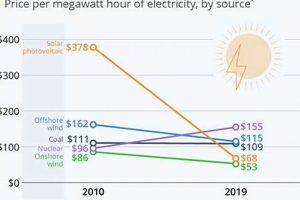
While renewable energy projects may require higher initial capital outlays, various policy mechanisms, such as feed-in tariffs, tax incentives, and renewable portfolio standards, help mitigate these costs and attract investors. Furthermore, declining technology costs and the growing awareness of the long-term risks associated with fossil fuels are increasingly tilting the investment landscape in favor of renewable energy. Innovative financing structures, such as green bonds and project finance, also play a crucial role in mobilizing capital for renewable energy projects.
Question 3: How do professionals assess the risk of renewable energy investments, considering factors such as resource intermittency and policy changes?
Sophisticated risk assessment models are employed to evaluate the risks inherent in renewable energy investments. These models incorporate factors like resource variability (e.g., wind and solar intermittency), technology performance, market fluctuations, and regulatory changes. Scenario analysis and sensitivity testing help quantify the potential impact of these risks on project returns and inform risk mitigation strategies.
Question 4: What role do carbon markets play in climate and renewable energy finance?
Carbon markets provide a mechanism for pricing greenhouse gas emissions, creating financial incentives for emissions reductions. Compliance markets, like the European Union Emissions Trading System, establish a cap on emissions and allow companies to trade emission allowances. Voluntary markets enable the purchase and sale of carbon offsets, which represent emissions reductions achieved through projects such as reforestation or methane capture. These markets play an increasingly important role in financing climate mitigation efforts and driving investment in renewable energy projects.
Question 5: How does expertise in financial modeling contribute to effective decision-making in renewable energy investments?
Financial modeling provides a quantitative framework for evaluating the economic viability of renewable energy projects, assessing risks, and optimizing investment strategies. Models incorporate factors such as energy yield projections, capital costs, operating expenses, financing structures, and policy incentives to project future cash flows and determine project profitability. This analysis informs investment decisions and helps allocate capital efficiently.
Question 6: What are the key skills and qualifications sought after in climate and renewable energy finance professionals?
Expertise in financial modeling, deep knowledge of renewable energy technologies, a strong understanding of policy and regulatory frameworks, and proficiency in risk management are crucial skills for professionals in this field. Credentials such as the Chartered Financial Analyst (CFA) designation, a Master of Business Administration (MBA) with a focus on sustainable finance, or specialized certifications in renewable energy finance can enhance career prospects.
Understanding these key aspects of climate and renewable energy finance provides a foundational basis for informed decision-making and effective engagement within this dynamic and increasingly important field.
Further exploration of specific career pathways and emerging trends within this sector will be discussed in the following sections.
Conclusion
Certified expertise in climate and renewable energy finance represents a critical competency in the global transition to a sustainable energy future. This expertise encompasses a multifaceted skillset, integrating financial acumen with a deep understanding of renewable energy technologies, policy frameworks, and sustainability principles. Professionals holding this expertise play a crucial role in mobilizing capital, managing risks, and driving innovation within the renewable energy sector. Their contributions are essential for evaluating project viability, structuring innovative financing mechanisms, and navigating the complex regulatory landscape of this rapidly evolving field. From developing intricate financial models to assessing the impact of policy changes, these experts provide critical insights that guide investment decisions and shape the future of the energy industry.
The increasing urgency of addressing climate change and the growing demand for clean energy solutions underscore the significance of certified expertise in climate and renewable energy finance. As the world accelerates its transition towards a low-carbon economy, the demand for professionals with this specialized knowledge will continue to grow. Their ability to bridge the gap between financial markets and sustainable energy solutions is essential for unlocking the transformative potential of renewable energy and building a more sustainable and resilient future. Investing in the development and recognition of this expertise is not merely a financial imperative; it is an investment in a sustainable future for generations to come. The future of energy depends on the continued growth and development of this critical field.