The process of trapping carbon dioxide emissions from power plants and industrial sources, then either utilizing them for other products or storing them long-term to prevent their release into the atmosphere is a key element of many climate change mitigation strategies. For example, captured emissions can be used in enhanced oil recovery or converted into fuels and building materials. When this process is powered by renewable energy sources, it further reduces the overall environmental impact.
Mitigating climate change by reducing greenhouse gas concentrations in the atmosphere is a pressing global challenge. This approach presents a potentially vital tool for achieving this goal, particularly in industries with hard-to-abate emissions. The integration of renewable energy sources to power these systems offers a pathway to further decarbonization. Historically, carbon capture has been linked to fossil fuel industries; however, its increasing alignment with renewable energy signifies a shift towards more sustainable practices.
This discussion will further examine specific technologies involved, the potential impact on different sectors, ongoing research and development efforts, and policy landscapes influencing adoption and deployment.
Practical Applications for Decarbonization
Implementing emissions reduction strategies requires careful consideration of various factors. The following tips provide guidance for effectively integrating such technologies within broader sustainability initiatives.
Tip 1: Source Selection is Crucial: Prioritize capturing emissions from large point sources like power plants and industrial facilities for maximum impact. Distributed sources, while potentially valuable, present greater logistical complexities.
Tip 2: Optimize Energy Sources: Powering capture processes with renewable energy significantly reduces lifecycle emissions. Explore options like solar, wind, and geothermal energy to minimize reliance on fossil fuels.
Tip 3: Consider Storage Solutions: Secure geological formations offer reliable long-term storage for captured carbon dioxide. Evaluate suitable storage locations based on capacity, injectivity, and safety.
Tip 4: Explore Utilization Pathways: Captured carbon dioxide can be a valuable resource. Investigate opportunities for its use in producing fuels, building materials, and other valuable products.
Tip 5: Integrate with Existing Infrastructure: Leverage existing pipeline networks and industrial facilities to reduce infrastructure development costs and timelines.
Tip 6: Prioritize Lifecycle Assessments: Evaluate the environmental impact of the entire process, from energy consumption during capture to transportation and storage, to ensure genuine emissions reductions.
Tip 7: Policy and Regulatory Landscape: Stay informed about relevant policies, regulations, and incentives that can influence project feasibility and financing.
Effective integration of these strategies requires a holistic approach, considering both technological advancements and policy frameworks. By addressing these considerations, organizations can contribute meaningfully to global decarbonization efforts.
These practical tips offer a starting point for understanding the complexities and opportunities associated with decarbonization efforts. The concluding section will offer perspectives on future developments and potential challenges.
1. Emissions Reduction

Emissions reduction is intrinsically linked to carbon capture, particularly when powered by renewable energy sources. The core purpose of these systems is to capture carbon dioxide emissions from industrial processes and power generation, preventing their release into the atmosphere. This directly contributes to mitigating climate change, as carbon dioxide is a major greenhouse gas contributing to global warming. The integration of renewable energy to power these systems further reduces the overall carbon footprint, enhancing the effectiveness of emissions reduction efforts. For example, a cement plant utilizing renewable-powered carbon capture can significantly decrease its net emissions, contributing to industry-specific decarbonization goals.
The importance of emissions reduction as a component of carbon capture powered by renewables cannot be overstated. While carbon capture itself addresses emissions from point sources, the use of renewable energy minimizes the emissions associated with the capture process itself. This creates a synergistic effect, maximizing the overall environmental benefit. Consider a scenario where a coal-fired power plant implements carbon capture. If the capture process is powered by the plant’s own coal-generated electricity, the net emissions reduction is less than if the capture process were powered by solar or wind energy. This highlights the practical significance of integrating renewables into carbon capture strategies for achieving deeper emissions cuts.
In summary, emissions reduction is the primary driver and outcome of implementing renewably powered carbon capture systems. The effectiveness of these systems is amplified by the integration of renewable energy sources, minimizing the environmental impact of the capture process itself. This approach offers a crucial pathway for various sectors to achieve significant emissions reductions and contribute to global climate change mitigation efforts. However, widespread adoption faces challenges such as infrastructure development, technological advancements, and policy frameworks, which will require further exploration and investment.
2. Renewable Integration

Renewable integration is fundamental to maximizing the environmental benefits of carbon capture. Traditional carbon capture systems often rely on fossil fuels for the energy required to capture, transport, and store CO2. This offsets some of the emissions reductions achieved. Integrating renewable energy sources, such as solar, wind, or geothermal, to power these processes significantly reduces the lifecycle emissions of captured carbon. This creates a synergistic effect, where the captured emissions are minimized, and the energy used to capture them is also clean. For example, a solar farm powering a direct air capture facility creates a closed-loop system, removing carbon dioxide from the atmosphere without generating significant new emissions.
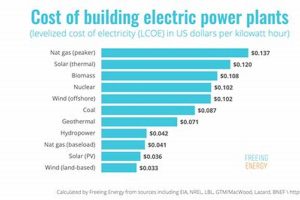
The practical significance of renewable integration extends beyond simply minimizing emissions. It also enhances the sustainability and public perception of carbon capture technologies. By decoupling carbon capture from fossil fuel dependence, it becomes a more viable and attractive climate solution. This shift is particularly important for gaining public acceptance and encouraging investment in these technologies. Furthermore, renewable integration can improve the economic viability of carbon capture projects. As renewable energy costs continue to decline, powering carbon capture with renewables becomes increasingly cost-competitive compared to using fossil fuels, particularly when considering potential carbon pricing mechanisms.
In summary, renewable integration is not merely an optional add-on to carbon capture, but a critical component for maximizing its effectiveness and long-term viability. It creates a more sustainable, cost-effective, and publicly acceptable approach to emissions reduction. This synergy between renewable energy and carbon capture represents a crucial pathway towards achieving ambitious climate goals. However, challenges remain, including the intermittency of some renewable sources and the need for robust energy storage solutions to ensure continuous operation of carbon capture facilities. Addressing these challenges through further research and development will be essential for unlocking the full potential of this integrated approach.
3. Technological Advancements
Technological advancements are essential for driving down costs and improving the efficiency of carbon capture, utilization, and storage (CCUS) processes, particularly when integrated with renewable energy sources. These innovations are crucial for making CCUS a viable and scalable climate solution. Advancements span various aspects of the process, from capturing CO2 to transporting and storing or utilizing it.
- Advanced Capture Materials:
New materials, such as metal-organic frameworks (MOFs) and advanced amines, are being developed to capture CO2 more efficiently. These materials offer higher selectivity for CO2, faster capture rates, and lower regeneration energy requirements compared to traditional sorbents. This translates to lower operating costs and reduced energy consumption for CCUS systems. For example, MOFs can selectively capture CO2 from flue gas streams with greater efficiency, reducing the energy required for regeneration and potentially lowering the overall cost of carbon capture from power plants.
- Improved Process Design:
Innovations in process design, such as advanced solvent-based capture systems and membrane technologies, are enhancing the efficiency of CO2 capture. These advancements can reduce the energy penalty associated with capturing CO2, making the process more cost-effective and environmentally friendly. For instance, novel membrane systems can selectively separate CO2 from other gases with reduced energy consumption compared to conventional methods.
- Efficient Transport and Storage:
Optimizing pipeline infrastructure and developing new methods for transporting and storing captured CO2 are essential for scaling up CCUS. Research is focused on improving pipeline materials and designs to enhance safety and reduce transport costs. Furthermore, advancements in geological storage techniques are crucial for ensuring the safe and permanent storage of captured CO2. For example, characterizing suitable geological formations and developing advanced injection techniques can enhance storage security and minimize potential leakage risks.
- CO2 Utilization Technologies:
Transforming captured CO2 into valuable products, such as fuels, building materials, and chemicals, offers a promising pathway for offsetting the costs of carbon capture. Researchers are exploring various catalytic processes and electrochemical methods to convert CO2 into useful products. For instance, converting captured CO2 into synthetic fuels using renewable energy can create a carbon-neutral fuel source for transportation, reducing reliance on fossil fuels.
These technological advancements, coupled with the increasing affordability and availability of renewable energy, are making renewably powered carbon capture a more viable and attractive climate solution. Continued innovation in these areas will be crucial for realizing the full potential of CCUS in mitigating climate change and achieving global decarbonization goals. As these technologies mature and become more cost-effective, their adoption across various sectors is expected to increase, contributing significantly to reducing greenhouse gas emissions.
4. Economic Feasibility

Economic feasibility is a critical factor determining the widespread adoption of carbon capture, utilization, and storage (CCUS) technologies powered by renewable energy. While the environmental benefits are clear, the economic viability of these projects often hinges on various factors, including capital costs, operating expenses, revenue streams, and policy incentives. Understanding these economic considerations is crucial for developing sustainable and scalable CCUS solutions.
- Capital Costs:
The initial investment required for CCUS infrastructure, including capture equipment, transportation pipelines, and storage facilities, can be substantial. These upfront costs can be a barrier to entry for many projects, particularly for smaller companies or those in developing countries. For example, constructing a large-scale carbon capture facility at a power plant can require hundreds of millions of dollars in capital investment. Reducing these costs through technological advancements and innovative financing mechanisms is crucial for increasing the economic feasibility of CCUS projects.
- Operating Expenses:
Ongoing operating costs, such as energy consumption for the capture process, maintenance of equipment, and monitoring of storage sites, also significantly impact the economic viability of CCUS. Integrating renewable energy sources to power the capture process can help reduce these operating expenses over the long term, particularly as renewable energy prices continue to decline. For example, using solar or wind power to drive carbon capture operations can reduce reliance on fossil fuels, lowering energy costs and enhancing the project’s overall economic performance.
- Revenue Streams:
Generating revenue from captured carbon can significantly improve the economic feasibility of CCUS projects. This can be achieved through various utilization pathways, such as converting CO2 into valuable products like fuels, building materials, or chemicals. Alternatively, carbon credits or tax incentives for carbon capture can provide an additional revenue stream, further enhancing the economic attractiveness of these projects. For example, selling captured CO2 to concrete manufacturers for use in carbonating concrete can generate revenue and offset the costs of capture.
- Policy Incentives:
Government policies and regulations play a crucial role in shaping the economic landscape for CCUS. Carbon pricing mechanisms, such as carbon taxes or cap-and-trade systems, can create economic incentives for companies to invest in carbon capture technologies. Furthermore, government subsidies, grants, and tax breaks can help reduce the financial burden of CCUS projects, making them more economically feasible. For example, a government-backed loan guarantee program can lower the financing costs for CCUS projects, incentivizing private sector investment.
The economic feasibility of renewably powered carbon capture hinges on a complex interplay of these factors. Balancing capital costs, operating expenses, and potential revenue streams is crucial for developing successful CCUS projects. Supportive policy frameworks that incentivize carbon capture and utilization further enhance the economic viability of these projects. As technology continues to advance and economies of scale are realized, the costs associated with CCUS are expected to decline, making it an increasingly attractive and cost-competitive climate solution. Integrating renewable energy sources further strengthens the economic case for CCUS, contributing to a more sustainable and economically viable pathway for decarbonizing various sectors.
5. Policy Frameworks

Policy frameworks play a crucial role in shaping the development and deployment of carbon capture, utilization, and storage (CCUS) technologies powered by renewable energy. Effective policies are essential for creating a supportive environment that encourages investment, innovation, and adoption of these technologies. These frameworks can range from direct financial incentives to regulatory mandates and international agreements, all of which influence the economic feasibility and overall success of CCUS projects.
- Carbon Pricing Mechanisms:
Carbon pricing mechanisms, such as carbon taxes or cap-and-trade systems, internalize the cost of carbon emissions, creating a financial incentive for companies to reduce their emissions. These mechanisms can make CCUS projects more economically attractive by providing a revenue stream from captured carbon or by reducing the cost of compliance with emissions regulations. For example, a carbon tax can increase the cost of emitting CO2, making carbon capture a more cost-competitive option for reducing emissions. Similarly, under a cap-and-trade system, companies can sell carbon credits generated from CCUS projects, generating revenue and incentivizing further investment in these technologies.
- Research and Development Funding:
Government funding for research and development is crucial for driving innovation in CCUS technologies. Targeted investments in areas such as advanced capture materials, efficient transport and storage solutions, and CO2 utilization pathways can accelerate the development and deployment of more cost-effective and environmentally friendly CCUS systems. For example, government grants for research on novel CO2 sorbents can lead to the development of more efficient capture materials, reducing the energy required for carbon capture and lowering overall costs. This public investment in R&D can spur private sector innovation and accelerate the commercialization of promising CCUS technologies.
- Regulatory Standards and Permits:
Clear regulatory frameworks, including standards for CO2 capture, transport, and storage, are essential for ensuring the safe and responsible deployment of CCUS technologies. Streamlined permitting processes can reduce the time and cost associated with developing CCUS projects, while robust safety regulations can build public confidence and minimize potential environmental risks. For example, establishing clear regulations for the geological storage of CO2 can address potential concerns about leakage and ensure the long-term safety and integrity of storage sites.
- International Collaboration and Agreements:
International cooperation is essential for addressing the global challenge of climate change. Agreements such as the Paris Agreement provide a framework for international collaboration on climate mitigation efforts, including the development and deployment of CCUS technologies. Sharing best practices, coordinating research efforts, and establishing common standards can accelerate the global adoption of CCUS and maximize its impact on reducing global emissions. For example, international collaboration on developing standardized monitoring and verification protocols for CO2 storage can enhance transparency and build confidence in the effectiveness of CCUS projects globally.
These policy frameworks are interconnected and play a synergistic role in shaping the landscape for renewably powered carbon capture. Carbon pricing mechanisms create economic incentives, while R&D funding drives technological advancements. Clear regulatory standards ensure responsible deployment, and international collaboration fosters global cooperation. The effectiveness of these policies in driving the adoption of CCUS will ultimately determine the extent to which this technology contributes to global decarbonization efforts. As policy frameworks mature and adapt to evolving technological and economic landscapes, the role of renewably powered carbon capture in mitigating climate change is expected to become increasingly significant.
6. Storage Solutions

Secure and permanent storage solutions are essential for the long-term effectiveness of carbon capture renewable energy systems. Without reliable storage options, captured carbon dioxide could potentially leak back into the atmosphere, negating the climate benefits of the process. Therefore, developing and implementing robust storage solutions is crucial for achieving meaningful emissions reductions and mitigating climate change. Various storage options are being explored and implemented, each with its own set of advantages, challenges, and implications.
- Geological Storage:
Geological storage involves injecting captured CO2 into deep underground formations, such as depleted oil and gas reservoirs, saline aquifers, and unmineable coal seams. These formations offer vast potential storage capacity and have demonstrated the ability to securely store CO2 over geological timescales. For example, the Sleipner project in the North Sea has been successfully storing CO2 in a saline aquifer since 1996. However, geological storage requires careful site selection and characterization to ensure long-term containment and minimize the risk of leakage. Furthermore, the availability of suitable geological formations can vary geographically, influencing the feasibility of geological storage in different regions.
- Mineral Carbonation:
Mineral carbonation involves reacting CO2 with alkaline earth metal oxides, such as those found in silicate rocks, to form stable carbonate minerals. This process permanently traps CO2 in a solid form, offering a secure and environmentally benign storage solution. For example, researchers are exploring the use of basalt formations for mineral carbonation, as basalt contains high concentrations of reactive minerals. While mineral carbonation offers long-term stability, it can be energy-intensive and requires access to suitable mineral resources. Further research and development are needed to optimize the process and reduce its energy requirements.
- Ocean Storage:
Ocean storage involves injecting CO2 into the deep ocean, where it dissolves and becomes part of the deep ocean currents. While the ocean has a vast capacity to absorb CO2, this approach raises environmental concerns about potential impacts on marine ecosystems due to ocean acidification. Furthermore, the long-term fate of CO2 stored in the ocean is less certain compared to geological storage. Due to these environmental uncertainties, ocean storage is currently less favored compared to other storage options.
- Utilization in Products:
While not strictly storage, utilizing captured CO2 to produce valuable products, such as fuels, building materials, and chemicals, can effectively prevent its release into the atmosphere. This approach not only sequesters carbon but also offers economic benefits by creating valuable commodities. For example, captured CO2 can be used to produce synthetic fuels, which can then be used in transportation or other applications. The feasibility and scale of CO2 utilization depend on market demand for these products and the development of cost-effective conversion technologies.
The choice of storage solution depends on various factors, including the specific characteristics of the carbon capture project, the local geology and environment, and the economic and policy landscape. Developing robust and reliable storage solutions is crucial for ensuring the long-term effectiveness and public acceptance of carbon capture renewable energy systems. As technology advances and our understanding of different storage options improves, the integration of secure storage solutions will play an increasingly important role in enabling the widespread deployment of carbon capture and achieving significant reductions in greenhouse gas emissions.
7. Resource Utilization

Resource utilization represents a crucial aspect of carbon capture, offering a pathway to transform captured carbon dioxide from a waste product into valuable resources. This approach not only mitigates climate change by preventing CO2 emissions but also contributes to a circular economy by creating valuable commodities and reducing reliance on virgin materials. Integrating resource utilization with renewably powered carbon capture enhances the overall sustainability and economic viability of these systems.
- Building Materials:
Captured CO2 can be used in the production of various building materials, such as concrete, cement, and aggregates. For instance, CO2 can be injected into concrete during the curing process, reacting with calcium hydroxide to form calcium carbonate, which strengthens the concrete and permanently sequesters the CO2. This process not only reduces the carbon footprint of concrete production but also enhances the material’s performance. Companies like CarbonCure are already commercializing technologies for CO2 injection in concrete production, demonstrating the practical viability of this utilization pathway.
- Fuel Production:
Captured CO2 can be converted into synthetic fuels, offering a pathway to decarbonize the transportation sector. Through various chemical processes, such as the Sabatier reaction, CO2 can be reacted with hydrogen (produced from renewable energy sources) to create methane or other liquid fuels. These synthetic fuels can be used in existing combustion engines or fuel cells, reducing reliance on fossil fuels and minimizing greenhouse gas emissions. Several pilot projects are exploring the production of sustainable aviation fuels from captured CO2, highlighting the potential of this technology to decarbonize air travel.
- Chemical Feedstocks:
CO2 can serve as a valuable feedstock for producing various chemicals, including polymers, plastics, and fertilizers. For example, CO2 can be used to produce methanol, a key building block for numerous chemical products. This reduces reliance on fossil fuel-derived feedstocks and creates a more sustainable supply chain for the chemical industry. Companies like Covestro are developing technologies to utilize CO2 in the production of polymers, demonstrating the potential for widespread adoption of this approach.
- Enhanced Oil Recovery:
While not strictly a form of permanent storage, injecting CO2 into depleted oil and gas reservoirs can enhance oil recovery, while simultaneously trapping some of the CO2 underground. This process, known as enhanced oil recovery (EOR), can increase the lifespan of existing oil fields and offset some of the costs associated with carbon capture. However, it’s crucial to ensure that the net effect of EOR is a reduction in greenhouse gas emissions, considering the emissions associated with extracting and burning the recovered oil.
These diverse resource utilization pathways demonstrate the potential to transform captured CO2 from a waste product into a valuable resource. By integrating resource utilization with renewably powered carbon capture, we can create a more sustainable and economically viable approach to mitigating climate change. These applications not only reduce greenhouse gas emissions but also contribute to a circular economy by creating valuable products and reducing our dependence on virgin materials. As technology advances and markets for CO2-derived products mature, resource utilization is expected to play an increasingly important role in the overall carbon capture landscape, offering a crucial pathway towards a more sustainable and decarbonized future.
Frequently Asked Questions
Addressing common inquiries regarding the integration of renewable energy with carbon capture technologies is crucial for fostering understanding and promoting informed decision-making. The following questions and answers aim to clarify key aspects and dispel common misconceptions.
Question 1: How does powering carbon capture with renewable energy enhance its environmental benefits?
Utilizing renewable energy sources like solar or wind power to drive carbon capture processes significantly reduces the lifecycle emissions associated with capturing, transporting, and storing CO2. This avoids the emissions that would result from using fossil fuels to power these operations, maximizing the overall climate benefit.
Question 2: What are the primary challenges associated with integrating renewable energy and carbon capture?
Key challenges include the intermittency of some renewable energy sources, requiring energy storage solutions or backup power to ensure continuous operation of carbon capture facilities. Additionally, the geographic compatibility of renewable energy resources and suitable CO2 storage locations needs careful consideration. Finally, integrating these systems requires significant upfront investment in infrastructure.
Question 3: What are the most promising carbon dioxide storage solutions for long-term sequestration?
Geological storage in deep saline aquifers and depleted oil and gas reservoirs offers significant potential for secure, long-term CO2 storage. Mineral carbonation, where CO2 reacts with rocks to form stable minerals, also presents a promising, albeit technologically more complex, solution.
Question 4: How can captured carbon dioxide be utilized as a resource rather than simply stored?
Captured CO2 can be utilized in various ways, including the production of building materials (e.g., concrete), the synthesis of fuels (e.g., methanol, synthetic gasoline), and as feedstock for the chemical industry. These utilization pathways offer both economic and environmental benefits.
Question 5: What policy mechanisms can incentivize the adoption of renewably powered carbon capture?
Effective policy mechanisms include carbon pricing (e.g., carbon tax, cap-and-trade systems), research and development funding, tax incentives for carbon capture projects, and streamlined permitting processes. These policies create an enabling environment for investment and deployment.
Question 6: What is the role of international collaboration in advancing carbon capture renewable energy technologies?
International collaboration is essential for sharing best practices, coordinating research efforts, and establishing common standards for CO2 capture, transport, and storage. This collaborative approach can accelerate the global deployment and maximize the impact of these technologies in addressing climate change.
Understanding these key aspects is crucial for navigating the complexities and realizing the potential of renewably powered carbon capture in mitigating climate change. Addressing these FAQs clarifies the technology’s benefits, challenges, and opportunities for future development.
The following section will explore future directions and potential advancements in integrating renewable energy with carbon capture.
Conclusion
This exploration of carbon capture renewable energy has highlighted its potential as a crucial tool for mitigating climate change. The integration of renewable energy sources to power carbon capture processes significantly enhances its environmental and economic benefits. Key aspects examined include the importance of secure storage solutions, the potential for resource utilization, the role of technological advancements in driving down costs, and the necessity of supportive policy frameworks for widespread adoption. The discussion also addressed practical considerations for implementation, such as site selection, energy source optimization, and lifecycle assessments.
The path towards widespread deployment of carbon capture renewable energy requires sustained commitment to research, development, and policy innovation. Addressing the remaining technical and economic challenges will be essential for unlocking its full potential. Continued progress in this field offers a critical pathway for achieving ambitious climate goals and transitioning towards a more sustainable future. The future of carbon capture renewable energy hinges on collaborative efforts across industries, governments, and research institutions to accelerate its development and deployment, ensuring its crucial role in mitigating climate change.