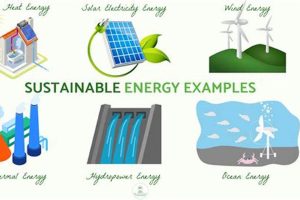
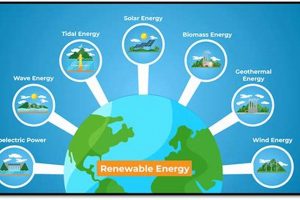
Harnessing power from sources like wind, solar, hydro, and biomass within northern forest ecosystems represents a significant shift towards sustainable practices. For instance, constructing a wind farm within a sparsely populated forested region can provide clean electricity while minimizing land-use conflicts. This approach requires careful consideration of the ecological and social impacts on these sensitive environments.
Clean power generation in these regions offers numerous advantages, including reduced greenhouse gas emissions, diversification of energy sources, and economic opportunities for local communities. Historically, these areas have relied heavily on resource extraction industries. The transition towards renewable energy presents a pathway towards a more sustainable and resilient economic future, while mitigating the risks associated with climate change.
The following sections will delve into specific examples of sustainable energy projects in boreal regions, exploring the technological advancements, environmental considerations, and socio-economic implications involved in this evolving field.
Tips for Sustainable Northern Energy Development
Successful implementation of sustainable energy projects in boreal regions requires careful planning and execution. The following tips provide guidance for navigating the complexities of these endeavors.
Tip 1: Prioritize Indigenous Partnerships: Meaningful collaboration with Indigenous communities is crucial. Their traditional knowledge and land stewardship practices are invaluable for minimizing environmental impact and ensuring equitable benefit sharing.
Tip 2: Conduct Thorough Environmental Assessments: Comprehensive assessments must evaluate potential impacts on biodiversity, water resources, and carbon sequestration. These assessments should inform project design and mitigation strategies.
Tip 3: Embrace Technological Innovation: Utilizing advanced technologies, such as smart grids and energy storage solutions, can enhance project efficiency and reliability in remote locations.
Tip 4: Develop Robust Regulatory Frameworks: Clear and enforceable regulations are essential for ensuring responsible development and minimizing environmental risks.
Tip 5: Invest in Community Capacity Building: Providing training and education opportunities for local communities can foster long-term economic benefits and ensure local ownership of projects.
Tip 6: Promote Sustainable Supply Chains: Sourcing materials and equipment responsibly minimizes environmental footprints and supports sustainable practices throughout the project lifecycle.
Tip 7: Monitor and Adapt: Ongoing monitoring and adaptive management strategies are essential for responding to changing environmental conditions and ensuring long-term project success.
By adhering to these principles, sustainable energy projects can deliver lasting benefits for both the environment and the communities that call these regions home.
In conclusion, sustainable energy development in boreal regions presents a significant opportunity for a transition towards a cleaner and more equitable energy future. The insights provided in this article offer a framework for realizing the full potential of these vital resources.
1. Resource Assessment

Resource assessment forms the foundational basis for successful renewable energy projects in boreal regions. Accurate evaluation of available resources is crucial for determining project feasibility, optimizing energy production, and minimizing environmental impacts. A thorough understanding of resource availability informs investment decisions and ensures long-term project viability.
- Resource Mapping and Quantification:
This facet involves identifying and quantifying the available renewable resources, such as wind speed, solar irradiance, water flow, and biomass availability. Geographic Information Systems (GIS) and remote sensing technologies are frequently employed to create detailed resource maps. For example, wind resource maps identify areas with consistent high wind speeds suitable for wind farm development. Accurate resource quantification is crucial for estimating potential energy output and optimizing turbine placement.
- Intermittency and Variability Analysis:
Renewable energy sources are often characterized by intermittent and variable output. Understanding these fluctuations is crucial for designing reliable energy systems. Solar power output varies depending on cloud cover and time of day, while wind power fluctuates with wind speed. Analyzing these patterns allows for the integration of energy storage solutions or complementary energy sources to ensure a stable energy supply.
- Environmental Sensitivity Analysis:
Resource assessment must consider potential environmental impacts on sensitive boreal ecosystems. Assessing the presence of endangered species, critical habitats, and vulnerable water resources is crucial for minimizing project footprints and mitigating potential harm. For example, identifying migratory bird routes informs wind turbine placement to reduce bird mortality.
- Integration with Existing Infrastructure:
Resource assessment should consider the proximity to existing transmission lines and grid infrastructure. Evaluating grid capacity and connection costs is essential for determining project feasibility and optimizing energy delivery. Connecting remote renewable energy projects to the grid requires careful planning and investment in transmission infrastructure.
These interconnected facets of resource assessment provide critical information for guiding sustainable renewable energy development in boreal regions. A robust understanding of resource availability, variability, and environmental sensitivities ensures that projects are both environmentally responsible and economically viable, contributing to a cleaner energy future while preserving the ecological integrity of these unique ecosystems.
2. Environmental Impact

Minimizing environmental impact is paramount in boreal renewable energy development. These sensitive ecosystems play a crucial role in global carbon sequestration, biodiversity conservation, and the livelihoods of Indigenous communities. Careful planning and mitigation strategies are essential for ensuring that renewable energy projects contribute to a sustainable future without compromising the ecological integrity of these vital regions.
- Habitat Alteration and Fragmentation
Construction of renewable energy infrastructure, such as wind farms, hydroelectric dams, and transmission lines, can lead to habitat loss and fragmentation. This disruption can affect wildlife movement patterns, breeding success, and overall biodiversity. For example, dam construction can alter river flow regimes, impacting fish migration and spawning. Careful site selection and mitigation measures, such as habitat restoration and wildlife corridors, are crucial for minimizing these impacts.
- Carbon Footprint and Lifecycle Assessment
While renewable energy technologies generate clean electricity, their manufacturing, transportation, installation, and decommissioning have associated carbon footprints. A comprehensive lifecycle assessment is essential for evaluating the overall environmental impact of a project and identifying opportunities for minimizing emissions. For instance, sourcing materials locally and using low-carbon transportation methods can reduce a project’s carbon footprint.
- Water Resource Management
Hydroelectric projects can significantly alter water flow regimes, impacting downstream ecosystems and water availability. Careful water resource management is crucial for minimizing these impacts and ensuring sustainable water use. Implementing fish ladders and maintaining minimum flow requirements can mitigate the effects on aquatic ecosystems. Additionally, water consumption for solar panel cleaning or cooling of thermal power plants should be minimized and responsibly managed.
- Impact on Indigenous Communities
Renewable energy development can impact traditional Indigenous territories, cultural practices, and subsistence activities. Meaningful consultation and collaboration with Indigenous communities are essential for ensuring that projects respect Indigenous rights and provide equitable benefits. Incorporating traditional ecological knowledge into project design and implementation can lead to more sustainable and culturally appropriate outcomes.
Addressing these environmental considerations through rigorous impact assessments, mitigation strategies, and ongoing monitoring is crucial for ensuring that boreal renewable energy development contributes positively to both environmental sustainability and the well-being of local communities. Balancing energy needs with ecological integrity is essential for creating a truly sustainable energy future in these vital regions.
3. Community Engagement

Successful and sustainable renewable energy development in boreal regions hinges on meaningful community engagement. These projects often impact local communities, particularly Indigenous populations who hold traditional knowledge and land rights. Effective engagement ensures that development respects local values, addresses community concerns, and fosters shared benefits.
- Early and Continuous Dialogue
Initiating dialogue early in the project lifecycle and maintaining open communication channels throughout all phases are crucial. This includes sharing project information transparently, actively listening to community perspectives, and respectfully addressing concerns. For example, holding public forums, community meetings, and workshops can facilitate two-way communication and build trust. Early engagement allows communities to shape project design and ensure alignment with local priorities.
- Benefit Sharing and Economic Opportunities
Renewable energy projects can generate economic benefits for local communities through job creation, business opportunities, and revenue sharing agreements. Ensuring equitable access to these benefits is essential for building community support and fostering long-term sustainability. For instance, prioritizing local hiring and contracting can stimulate economic growth within the community. Developing community ownership models can further empower local residents and ensure shared prosperity.
- Respect for Indigenous Rights and Traditional Knowledge
Indigenous communities often hold deep connections to the land and possess valuable traditional ecological knowledge. Respecting Indigenous rights, including land rights and the right to free, prior, and informed consent, is paramount. Incorporating traditional knowledge into project planning and implementation can lead to more environmentally and culturally sensitive outcomes. For example, collaborating with Indigenous communities to identify culturally significant sites or sensitive ecological areas can inform project design and minimize negative impacts.
- Capacity Building and Education
Investing in capacity building and educational programs can empower local communities to participate effectively in decision-making processes and benefit from project opportunities. Providing training in renewable energy technologies, project management, and environmental monitoring can equip community members with the skills and knowledge needed to engage meaningfully in the project lifecycle. This can also create pathways for long-term employment in the renewable energy sector.
Effective community engagement fosters trust, builds partnerships, and ensures that boreal renewable energy development benefits both the environment and the people who call these regions home. By prioritizing open communication, equitable benefit sharing, respect for Indigenous rights, and capacity building, these projects can contribute to a more sustainable and equitable energy future.
4. Technological Innovation

Technological advancements play a crucial role in enhancing the feasibility, efficiency, and sustainability of renewable energy projects in boreal regions. These innovations address challenges specific to these environments, such as remote locations, harsh climates, and the need to minimize environmental impact. Exploring these advancements provides insights into the evolving landscape of boreal renewable energy development.
- Smart Grid Technologies
Smart grids optimize energy distribution and management in remote boreal areas. These systems utilize sensors, automation, and data analytics to improve grid stability, reduce transmission losses, and integrate intermittent renewable energy sources effectively. For instance, real-time monitoring of energy demand and supply allows for dynamic adjustments to optimize grid performance and prevent blackouts. This is particularly crucial in areas with limited grid infrastructure and fluctuating renewable energy generation.
- Advanced Energy Storage Solutions
Energy storage technologies, such as batteries, pumped hydro, and thermal storage, address the intermittency of renewable energy sources like wind and solar. Storing excess energy during peak production periods and releasing it during periods of low generation or high demand ensures a reliable power supply. For example, battery storage systems can provide backup power during periods of low wind or solar irradiance, enhancing grid stability in remote boreal communities.
- Improved Turbine Design and Materials
Advances in wind turbine technology, including larger rotor diameters, lighter materials, and improved blade designs, increase energy capture efficiency in lower wind speed regimes common in some boreal areas. Cold-climate adapted turbines are designed to withstand harsh winter conditions, ensuring reliable operation and minimizing maintenance requirements. These innovations enhance the economic viability of wind energy projects in boreal regions.
- Remote Monitoring and Automation
Remote monitoring and automation technologies reduce operational costs and improve maintenance efficiency in remote boreal locations. Sensors and data analytics provide real-time information on equipment performance, enabling predictive maintenance and minimizing downtime. For example, drones equipped with thermal imaging cameras can inspect wind turbine blades for damage, reducing the need for costly on-site inspections.
These technological innovations are key drivers of sustainable renewable energy development in boreal regions. By enhancing efficiency, reliability, and environmental performance, these advancements pave the way for a cleaner energy future while minimizing impacts on these valuable ecosystems. Continued investment in research and development will further unlock the potential of renewable energy in these unique environments.
5. Economic Viability

Economic viability is a cornerstone of successful boreal renewable energy development. Projects must demonstrate long-term profitability and cost-competitiveness to attract investment and ensure sustainable operation. This necessitates careful consideration of factors influencing cost, revenue generation, and overall financial performance. A clear understanding of these economic dynamics is essential for driving responsible and sustainable development in these regions.
Several factors influence the economic viability of boreal renewable energy projects. Upfront capital costs, including infrastructure development, equipment purchase, and installation, can be substantial. Operating and maintenance costs, including repairs, replacements, and personnel, must be factored into long-term financial projections. Revenue generation depends on energy prices, production capacity, and power purchase agreements. Government policies, such as carbon pricing and renewable energy incentives, can significantly impact project economics. For example, a wind farm project’s viability depends on factors such as turbine cost, wind resource availability, electricity prices, and available government subsidies. A remote hydroelectric project may face higher transmission infrastructure costs, impacting overall profitability.
Ensuring economic viability requires a comprehensive approach to project development. Thorough resource assessments and feasibility studies are essential for accurately estimating project costs and potential revenue streams. Optimizing project design and utilizing cost-effective technologies can minimize capital expenditures and operational expenses. Securing long-term power purchase agreements with stable pricing mechanisms mitigates revenue risks. Strategic engagement with government agencies and stakeholders can unlock access to funding opportunities and supportive policies. Furthermore, community partnerships and benefit-sharing agreements can enhance local support and contribute to long-term project success. Ultimately, achieving economic viability enables sustainable and responsible renewable energy development in boreal regions, fostering both environmental and economic benefits.
6. Policy Frameworks

Policy frameworks play a pivotal role in shaping the trajectory of boreal renewable energy development. Effective policies provide the necessary structure, incentives, and safeguards to promote responsible and sustainable development while addressing potential environmental and social impacts. These frameworks influence investment decisions, technological innovation, and community engagement, ultimately determining the success and long-term sustainability of renewable energy projects in these sensitive ecosystems.
Supportive policies can accelerate the deployment of renewable energy technologies. Feed-in tariffs, tax incentives, and renewable portfolio standards create favorable market conditions for renewable energy projects, attracting investment and stimulating technological innovation. For example, a feed-in tariff guarantees a fixed price for renewable energy generation over a set period, providing investors with price certainty and encouraging project development. Carbon pricing mechanisms, such as carbon taxes or cap-and-trade systems, internalize the cost of greenhouse gas emissions, making fossil fuels less competitive and driving a shift towards cleaner energy sources. Stringent environmental regulations, including impact assessments and habitat protection measures, safeguard boreal ecosystems and minimize the environmental footprint of renewable energy projects. Streamlined permitting processes can reduce bureaucratic hurdles and accelerate project timelines while ensuring environmental safeguards are maintained. Clear land tenure and access rights provide a stable foundation for project development and facilitate community participation.
Effective policy frameworks are essential for balancing economic development with environmental protection and social equity. Policies that promote community engagement, benefit sharing, and Indigenous participation ensure that renewable energy development delivers positive outcomes for local communities. For instance, policies requiring Indigenous consultation and consent in project development safeguard Indigenous rights and promote equitable partnerships. Investments in workforce development and training programs equip local communities with the skills needed to participate in the renewable energy sector, fostering economic opportunities and long-term prosperity. By aligning economic incentives with environmental sustainability and social responsibility, well-designed policy frameworks can unlock the full potential of boreal renewable energy development, creating a cleaner, more resilient, and equitable energy future for these vital regions.
Frequently Asked Questions
This section addresses common inquiries regarding the sustainable harnessing of renewable energy resources within boreal ecosystems.
Question 1: How does renewable energy development impact boreal forest carbon sequestration?
Renewable energy projects can alter forest cover, potentially impacting carbon storage. However, lifecycle assessments often demonstrate that the long-term emissions reductions from renewable energy generation significantly outweigh any potential impacts on carbon sequestration within boreal forests.
Question 2: What are the primary challenges associated with developing renewable energy in remote boreal regions?
Challenges include limited infrastructure access, harsh weather conditions, higher transportation costs, and the need for specialized cold-climate technologies. Addressing these challenges requires careful planning, innovative solutions, and community collaboration.
Question 3: How can renewable energy projects benefit Indigenous communities in boreal regions?
Projects can provide economic opportunities through job creation, business development, and revenue sharing. Meaningful partnerships with Indigenous communities ensure respect for traditional land rights and integrate traditional ecological knowledge into project planning and implementation.
Question 4: What role do government policies play in supporting boreal renewable energy development?
Supportive policies, such as feed-in tariffs, tax incentives, and renewable portfolio standards, create favorable market conditions. Clear regulatory frameworks, streamlined permitting processes, and investments in transmission infrastructure further facilitate project development.
Question 5: How can the environmental impacts of boreal renewable energy development be minimized?
Thorough environmental impact assessments identify potential risks. Mitigation strategies, such as habitat restoration, wildlife corridors, and careful site selection, minimize impacts on biodiversity and ecosystem services.
Question 6: What are the long-term economic benefits of investing in boreal renewable energy?
Long-term benefits include reduced reliance on fossil fuels, increased energy independence, diversified economic opportunities, and a more sustainable energy future for boreal regions. These investments contribute to climate change mitigation while fostering economic growth.
Understanding the complexities and opportunities surrounding boreal renewable energy development is crucial for navigating a path toward a cleaner and more sustainable future. Further exploration of specific project examples and technological advancements will provide additional valuable insights.
Continue reading for a deeper dive into specific case studies and the future of boreal renewable energy.
Boreal Renewable Energy Development
Exploration of boreal renewable energy development reveals a complex interplay of environmental, social, and economic factors. Sustainable harnessing of wind, solar, hydro, and biomass resources necessitates careful consideration of potential impacts on sensitive boreal ecosystems, Indigenous communities, and long-term economic viability. Technological innovation, robust policy frameworks, and meaningful community engagement are crucial for navigating these complexities and ensuring responsible development. Balancing energy needs with ecological integrity and social equity is paramount for achieving a truly sustainable energy future in these vital regions.
The transition towards boreal renewable energy represents a significant opportunity to mitigate climate change, diversify energy sources, and foster economic development in northern communities. Continued research, technological advancements, and collaborative partnerships will be essential for unlocking the full potential of these resources while safeguarding the ecological and cultural heritage of boreal regions for generations to come. The path forward requires a steadfast commitment to sustainable practices, equitable partnerships, and a shared vision for a cleaner, more resilient future.