Financial incentives provided by governing bodies to support the development and deployment of energy sources like solar, wind, hydro, and geothermal power represent a key strategy in the global shift toward sustainable energy systems. These incentives can take various forms, including tax credits, grants, rebates, and feed-in tariffs, which guarantee a price for renewable energy fed into the grid.
Promoting sustainable energy sources through such programs offers numerous advantages. It stimulates economic growth by creating jobs in the renewable energy sector and fostering innovation in related technologies. Moreover, it enhances energy security by diversifying energy sources and reducing reliance on fossil fuels, which are subject to price volatility and geopolitical instability. Furthermore, these programs contribute significantly to environmental protection by reducing greenhouse gas emissions and mitigating the effects of climate change. Historically, these initiatives have played a vital role in accelerating the adoption of renewable energy technologies and making them increasingly cost-competitive with conventional energy sources.
This article will delve into the specific mechanisms of these initiatives, analyze their effectiveness in different regions, and discuss the future direction of policies aimed at fostering a sustainable energy future.
Tips for Understanding Financial Incentives for Renewable Energy
Navigating the landscape of financial support for renewable energy can be complex. These tips provide a starting point for understanding how various incentives function and their potential impact.
Tip 1: Research Available Incentives: Policies vary significantly by jurisdiction. Thorough research of national, regional, and local programs is crucial to identify applicable incentives.
Tip 2: Understand Incentive Structures: Incentives can take many forms. Familiarize yourself with the differences between tax credits, rebates, grants, and feed-in tariffs to determine which best suits a specific project.
Tip 3: Consider Long-Term Implications: Evaluate the long-term financial benefits of each incentive, considering factors like payback periods and potential changes in government policy.
Tip 4: Consult with Experts: Seeking professional advice from financial advisors or renewable energy consultants can provide valuable insights and ensure informed decision-making.
Tip 5: Analyze Eligibility Requirements: Carefully review the specific eligibility criteria for each incentive program to ensure compliance and avoid potential complications.
Tip 6: Stay Updated on Policy Changes: Renewable energy policies are subject to change. Staying informed about updates and revisions is essential for maximizing benefits and adapting to evolving regulations.
Tip 7: Evaluate Overall Project Economics: Consider the full financial picture of a renewable energy project, incorporating incentive benefits alongside installation costs, operating expenses, and potential revenue streams.
By understanding the diverse range of available incentives and their specific requirements, stakeholders can effectively leverage these programs to accelerate the transition to a more sustainable energy future.
The following sections will provide a deeper exploration of specific incentive programs and their impact on the renewable energy landscape.
1. Funding Mechanisms

Effective deployment of renewable energy technologies relies heavily on robust financial support. Funding mechanisms are the essential tools governments utilize to incentivize renewable energy development, deployment, and market competitiveness. Understanding these mechanisms is crucial for assessing the efficacy and impact of renewable energy policies.
- Direct Grants and Subsidies:
Direct grants and subsidies provide upfront capital or reduce project costs for renewable energy installations. These can cover a portion of equipment costs, installation expenses, or grid connection fees. For example, the U.S. Department of Energy offers grants for innovative renewable energy projects, accelerating their development and commercialization. These mechanisms can significantly lower the financial barriers to entry for renewable energy projects, making them more attractive to investors and developers.
- Tax Incentives:
Tax incentives, such as production tax credits or investment tax credits, reduce the tax burden for renewable energy producers or investors. These incentives can be based on the amount of energy produced or the capital invested in renewable energy projects. Tax credits have been instrumental in the growth of the wind and solar industries in many countries. They offer a financial return for renewable energy investments, stimulating market growth and technological innovation.
- Feed-in Tariffs (FITs):
Feed-in tariffs guarantee a fixed price for renewable energy fed into the electricity grid. This provides price stability and a predictable revenue stream for renewable energy producers. Germany’s early adoption of FITs played a key role in the rapid expansion of its renewable energy sector. FITs encourage long-term investment in renewable energy infrastructure by mitigating market price volatility and ensuring a reasonable return on investment.
- Renewable Portfolio Standards (RPS):
Renewable Portfolio Standards mandate that a certain percentage of electricity generation comes from renewable sources. These policies create demand for renewable energy by requiring utilities to purchase renewable energy credits (RECs) if they fall short of their renewable energy targets. RPS policies drive investment in renewable energy projects to meet the mandated targets and foster a more diverse energy mix within a jurisdiction.
These diverse funding mechanisms play a critical role in fostering the growth and development of renewable energy industries. The selection and implementation of specific mechanisms depend on regional contexts, policy goals, and market conditions. Understanding their interplay is crucial for shaping effective and sustainable renewable energy policies.
2. Policy Objectives

Financial incentives for renewable energy are not implemented in isolation; they are driven by a range of policy objectives aimed at transforming energy systems and achieving broader societal goals. Understanding these objectives is crucial for evaluating the effectiveness and long-term impact of these incentives.
- Energy Security and Independence:
Reducing reliance on imported fossil fuels is a key driver of renewable energy policy. Domestic renewable energy sources enhance energy security by diversifying supply and mitigating vulnerability to geopolitical instability and price fluctuations. For example, the European Union’s pursuit of renewable energy targets is partly motivated by the desire to reduce dependence on Russian natural gas. Investments in renewable energy infrastructure contribute to greater energy autonomy and resilience.
- Climate Change Mitigation:
Renewable energy sources produce significantly fewer greenhouse gas emissions compared to fossil fuels. Incentivizing their adoption is a central strategy for mitigating climate change and achieving national and international emissions reduction targets. The Paris Agreement, for instance, sets ambitious targets for renewable energy deployment to limit global warming. Subsidies and other incentives accelerate the transition to a lower-carbon energy system and contribute to global climate action.
- Economic Development and Job Creation:
The renewable energy sector represents a significant source of economic growth and employment opportunities. Government support for renewable energy industries stimulates innovation, attracts investment, and creates jobs in manufacturing, installation, maintenance, and research. China’s dominance in solar panel manufacturing, for example, is partly attributable to government support for the industry. These policies foster economic diversification and create high-skilled jobs in emerging technology sectors.
- Improved Air Quality and Public Health:
Transitioning to renewable energy sources reduces air pollution associated with fossil fuel combustion. This leads to improved air quality, which has significant public health benefits, including reduced respiratory illnesses and cardiovascular diseases. California’s aggressive renewable energy policies, for example, have contributed to improved air quality in the state. By displacing fossil fuel-based power generation, renewable energy incentives contribute to cleaner air and healthier communities.
These policy objectives are often interconnected and mutually reinforcing. Financial incentives for renewable energy serve as a crucial tool for achieving these broader policy goals, driving a transition toward more sustainable, secure, and prosperous energy systems. The effectiveness of these incentives hinges on their alignment with clear policy objectives and their capacity to leverage public funding to achieve long-term societal benefits. Further analysis of specific policy frameworks and their outcomes can provide valuable insights for shaping future renewable energy strategies.
3. Economic Impacts

Financial incentives directed toward renewable energy sources exert a multifaceted influence on economic landscapes. Understanding these impacts is crucial for assessing the efficacy and broader consequences of such policies. This exploration delves into the key economic effects stemming from government support for renewable energy.
- Job Creation:
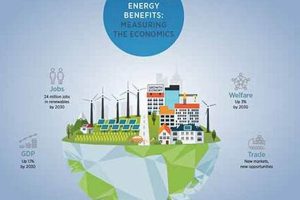
Renewable energy industries, encompassing manufacturing, installation, maintenance, and research, are significant job creators. Government subsidies accelerate the growth of these industries, leading to increased employment opportunities. For example, the growth of the solar panel manufacturing industry in China has created hundreds of thousands of jobs. Furthermore, the decentralized nature of many renewable energy technologies, such as rooftop solar installations, creates localized employment opportunities, benefiting communities directly.
- Investment and Innovation:
Government subsidies reduce the financial risks associated with renewable energy projects, attracting private investment and stimulating innovation in renewable energy technologies. This can lead to breakthroughs in areas such as energy storage, smart grids, and more efficient solar panels. The development of cost-competitive battery storage technologies, partially driven by government research grants, has been crucial for the wider adoption of intermittent renewable energy sources like solar and wind power. Continued investment spurs further technological advancement and cost reductions.
- Industry Growth and Competitiveness:
Targeted support can foster the growth of domestic renewable energy industries, making them more competitive in global markets. This can lead to increased exports of renewable energy technologies and services. Denmark’s wind turbine industry, for example, has benefited significantly from government support, becoming a global leader in wind turbine manufacturing and export. Strategic subsidies can create national champions in the renewable energy sector.
- Impact on Related Industries:
The growth of the renewable energy sector has positive spillover effects on related industries, such as construction, manufacturing, and transportation. For instance, increased demand for renewable energy infrastructure creates opportunities for construction companies specializing in renewable energy projects. The expansion of electric vehicle charging infrastructure, driven by the growth of renewable energy, also benefits the automotive and electronics industries. These interconnected effects contribute to broader economic diversification and growth.
Analyzing these economic impacts provides a comprehensive perspective on the consequences of government subsidies for renewable energy. These impacts extend beyond the renewable energy sector itself, influencing related industries, employment levels, technological innovation, and national competitiveness. A thorough understanding of these economic effects is crucial for developing effective and sustainable renewable energy policies that maximize societal benefits.
4. Environmental Benefits
Government subsidies for renewable energy technologies play a crucial role in mitigating environmental challenges associated with traditional energy sources. These subsidies accelerate the transition towards cleaner energy systems, yielding substantial environmental benefits that contribute to a healthier planet and a more sustainable future. The following facets illustrate the key environmental advantages linked to the adoption of renewable energy, facilitated by government support.
- Reduced Greenhouse Gas Emissions:
Renewable energy sources, such as solar, wind, and hydro, produce minimal greenhouse gas emissions compared to fossil fuels. Government subsidies accelerate the deployment of these technologies, leading to substantial reductions in carbon dioxide and other greenhouse gas emissions, mitigating the effects of climate change. The rapid growth of solar and wind energy capacity globally, spurred in part by government incentives, has demonstrably contributed to a deceleration in the growth of global greenhouse gas emissions. This shift towards cleaner energy sources is critical for achieving global climate targets and limiting global warming.
- Improved Air Quality:
Unlike fossil fuels, renewable energy sources do not emit harmful air pollutants such as sulfur oxides, nitrogen oxides, and particulate matter. Government subsidies that encourage the adoption of renewable energy contribute to cleaner air and improved public health. The transition to renewable energy in cities with historically poor air quality, such as Beijing and Delhi, offers a pathway to significantly improve public health and reduce respiratory illnesses associated with air pollution. Clean energy transitions offer substantial public health co-benefits.
- Water Conservation:
Many renewable energy technologies, such as solar and wind power, require significantly less water than traditional power plants, which often rely on large quantities of water for cooling. Government support for renewable energy can contribute to water conservation in water-stressed regions. In areas facing water scarcity, such as the southwestern United States, promoting solar and wind energy can alleviate pressure on water resources, enhancing water security and ecosystem health. This is particularly important in arid and semi-arid regions where water resources are already strained.
- Reduced Land Degradation:
While renewable energy projects can have land use impacts, they generally have a lower environmental footprint than fossil fuel extraction, which can lead to habitat destruction, soil erosion, and water contamination. Government policies that incentivize responsible siting and development of renewable energy projects can minimize land degradation and protect sensitive ecosystems. Careful planning and implementation of renewable energy projects, coupled with effective environmental regulations, can minimize land use conflicts and ensure the protection of biodiversity.
These environmental benefits underscore the importance of government subsidies in accelerating the transition to a cleaner, more sustainable energy future. By supporting the growth of renewable energy industries, governments contribute to mitigating climate change, improving air and water quality, and protecting natural ecosystems. These environmental improvements have far-reaching positive impacts on human health, biodiversity, and the overall well-being of the planet. Continued investment in and support for renewable energy technologies are essential for realizing the full extent of these environmental benefits and building a more sustainable future.
5. Technological Advancement

Technological advancement is intrinsically linked to government subsidies for renewable energy. These subsidies act as a catalyst, driving innovation and accelerating the development of more efficient, cost-effective, and reliable renewable energy technologies. This relationship is crucial for achieving widespread adoption of renewable energy and transitioning towards a sustainable energy future. Subsidies provide the necessary financial impetus for research and development, enabling breakthroughs that improve the performance and reduce the cost of renewable energy technologies. For instance, government funding for research on photovoltaic materials has led to significant improvements in solar cell efficiency, making solar energy more competitive with conventional energy sources. Similarly, subsidies for wind turbine research have resulted in larger, more efficient turbines capable of capturing more wind energy, reducing the cost of wind power.
The impact of these technological advancements extends beyond cost reductions. Innovation spurred by government subsidies also leads to the development of new energy storage solutions, smart grid technologies, and improved integration of renewable energy into existing power grids. For example, government funding has supported the development of advanced battery storage systems, enabling better management of intermittent renewable energy sources like solar and wind power. This, in turn, enhances grid stability and reliability, facilitating greater penetration of renewable energy into the energy mix. Furthermore, advancements in smart grid technologies, partially driven by government subsidies, improve the efficiency and flexibility of electricity grids, optimizing the utilization of renewable energy resources.
In conclusion, government subsidies play a critical role in fostering technological advancements within the renewable energy sector. These advancements are essential for driving down costs, improving efficiency, and enhancing the reliability of renewable energy technologies. By supporting research and development, governments create a positive feedback loop, where technological progress leads to wider adoption of renewable energy, further stimulating innovation and accelerating the transition to a sustainable energy future. Continued investment in research and development is therefore crucial for realizing the full potential of renewable energy and achieving long-term energy security and environmental sustainability. Navigating the challenges associated with integrating these advancements into existing infrastructure and market structures remains a critical area for ongoing policy development and international collaboration.
Frequently Asked Questions about Financial Incentives for Renewable Energy
This section addresses common inquiries regarding financial support for renewable energy, offering concise and informative responses to clarify potential uncertainties.
Question 1: How do financial incentives for renewable energy impact electricity prices?
While upfront costs for renewable energy projects can be significant, incentives help reduce these costs, ultimately contributing to lower electricity prices over the long term. Furthermore, increased competition from renewable energy sources can exert downward pressure on wholesale electricity prices.
Question 2: Are these incentives effective in promoting renewable energy adoption?
Numerous studies demonstrate the effectiveness of financial incentives in driving renewable energy deployment. Incentives accelerate market growth, stimulate technological innovation, and make renewable energy more cost-competitive with conventional energy sources.
Question 3: What are the different types of financial incentives available for renewable energy?
Incentives vary widely, including tax credits, rebates, grants, feed-in tariffs, and renewable portfolio standards. Each mechanism has distinct characteristics and impacts, catering to different project types and market conditions.
Question 4: Do these incentives create an unfair advantage for the renewable energy sector?
The energy sector has historically been heavily subsidized, with fossil fuels receiving substantial support for decades. Incentives for renewable energy aim to level the playing field and address market failures, such as the external costs of pollution associated with fossil fuels. They help correct these imbalances and promote a more sustainable energy landscape.
Question 5: Are there any potential drawbacks to providing financial incentives for renewable energy?
Potential drawbacks include the cost to taxpayers and the potential for inefficient allocation of resources if incentives are not carefully designed and implemented. Robust policy design, transparent oversight, and regular evaluation are crucial for maximizing the effectiveness and minimizing the risks associated with these incentives.
Question 6: What is the role of international cooperation in promoting renewable energy through financial incentives?
International cooperation plays a vital role in sharing best practices, coordinating policies, and mobilizing finance for renewable energy development, particularly in developing countries. Collaborative efforts can accelerate the global transition to sustainable energy systems and address the global challenge of climate change.
Understanding the complexities of financial incentives for renewable energy is essential for informed policymaking and effective implementation. These FAQs provide a starting point for further exploration and analysis.
The subsequent section will delve deeper into specific case studies, showcasing the practical application and impact of these incentives in diverse contexts.
Conclusion
Analysis demonstrates that government subsidies to renewable energy are instrumental in driving a global shift toward sustainable energy systems. These subsidies facilitate the development, deployment, and market competitiveness of renewable energy technologies, contributing to diverse policy objectives, including enhanced energy security, reduced greenhouse gas emissions, economic growth, and technological innovation. Examination of various funding mechanisms, from direct grants and tax incentives to feed-in tariffs and renewable portfolio standards, reveals the diverse approaches employed by governments to accelerate the adoption of renewable energy. The exploration of economic impacts highlights job creation, investment in innovation, and the growth of related industries. Environmental benefits encompass reduced greenhouse gas emissions, improved air quality, water conservation, and reduced land degradation. Furthermore, these subsidies play a pivotal role in fostering technological advancements that improve the efficiency, affordability, and reliability of renewable energy technologies.
The transition to a sustainable energy future requires sustained commitment to supportive policies and continuous adaptation to evolving technological landscapes. Strategic deployment of government subsidies, coupled with robust regulatory frameworks and international collaboration, is essential to fully realize the potential of renewable energy to address climate change, enhance energy security, and foster sustainable economic growth. The future of energy hinges on continued innovation, strategic investment, and a global commitment to a cleaner, more sustainable energy future. Further research and analysis are crucial to optimize policy design, maximize effectiveness, and ensure a just and equitable transition for all.