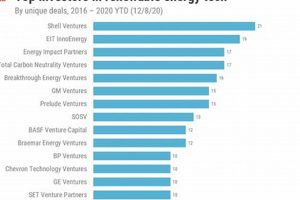
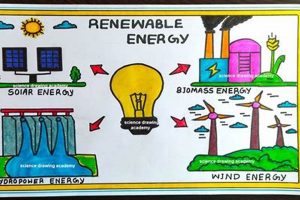
Financial institutions play a crucial role in funding the development and deployment of sustainable energy solutions. These institutions provide a variety of financing options, including loans, project finance, and green bonds, to support projects such as solar farms, wind turbine installations, and hydropower plants. For example, a financial institution might underwrite a bond issuance for a company developing a large-scale solar project, enabling the company to access capital for construction and operation.
This type of investment is essential for accelerating the transition to a cleaner energy future. It enables projects to reach commercial viability, stimulates technological innovation, and creates jobs in the renewable energy sector. Historically, access to capital has been a significant barrier to widespread adoption of sustainable energy technologies. The increasing engagement of financial institutions represents a paradigm shift, offering a pathway to overcoming this hurdle and driving significant growth in the sector.
This article will further examine the specific roles different types of financial institutions play, explore the various financing mechanisms utilized, analyze the associated risks and rewards, and discuss the future of this critical investment area.
Tips for Engaging with Financial Institutions Supporting Renewable Energy
Collaborating effectively with financial institutions specializing in renewable energy requires a clear understanding of project specifics and financial requirements. The following tips offer guidance for developers and businesses seeking funding for sustainable energy projects.
Tip 1: Develop a Robust Business Plan: A comprehensive business plan is essential. It should articulate the project’s technical feasibility, market analysis, revenue projections, and risk mitigation strategies. A clear and well-defined plan demonstrates project viability and instills confidence in potential investors.
Tip 2: Understand Different Financing Options: Explore various financing instruments, including project finance, green bonds, and tax equity investments. Selecting the appropriate financing mechanism is crucial for optimizing project returns and managing financial risk.
Tip 3: Showcase Environmental and Social Impact: Highlight the positive environmental and social impacts of the project. Quantifying reductions in greenhouse gas emissions, job creation, and community benefits strengthens the project’s appeal to investors focused on sustainability.
Tip 4: Ensure Transparency and Data Integrity: Provide accurate and transparent data regarding project performance, financial projections, and environmental impact. Building trust through data integrity is fundamental to securing financing.
Tip 5: Seek Expert Advice: Consulting with financial advisors specializing in renewable energy can provide valuable insights into market trends, regulatory requirements, and optimal financing strategies. Expert guidance can significantly enhance the chances of securing funding.
Tip 6: Build Strong Relationships with Financial Institutions: Cultivating relationships with banks and other financial institutions specializing in sustainable energy can facilitate access to funding opportunities and streamline the financing process. Networking and engaging with industry events can help foster these relationships.
Tip 7: Stay Informed about Policy and Regulatory Changes: Government policies and regulations can significantly impact the financial viability of renewable energy projects. Staying abreast of policy developments and adapting project strategies accordingly is essential for long-term success.
By adhering to these tips, developers and businesses can effectively engage with financial institutions and secure the necessary funding to advance renewable energy projects. This collaboration is critical for accelerating the transition to a sustainable energy future.
The subsequent section will delve into specific case studies of successful renewable energy projects financed by these institutions, demonstrating the practical application of these principles.
1. Financing Mechanisms

Financial mechanisms are the crucial conduits through which capital flows from investors to renewable energy projects. Understanding these mechanisms is fundamental to comprehending how financial institutions facilitate the growth and development of the renewable energy sector. The variety of available mechanisms reflects the diverse nature of renewable energy projects and the varying needs of investors.
- Project Finance
Project finance structures financing around the projected cash flows of a specific project, rather than the balance sheet of the project sponsor. This approach is particularly relevant for large-scale renewable energy projects, such as wind farms or solar parks, which require substantial upfront investment. Lenders assess the project’s viability based on factors like future energy production, power purchase agreements, and operating costs. Non-recourse or limited recourse financing, common in project finance, mitigates the financial risk to the sponsors.
- Green Bonds
Green bonds are debt instruments specifically earmarked for financing environmentally friendly projects, including renewable energy initiatives. These bonds offer investors a way to align their portfolios with sustainability goals while providing capital to developers. The green bond market has experienced significant growth in recent years, reflecting increased investor interest in supporting climate-friendly investments. Certification standards, such as the Climate Bonds Initiative, provide assurance that the proceeds are indeed used for green projects.
- Tax Equity Investments
Tax equity investments leverage government incentives, such as tax credits and depreciation benefits, to attract private investment in renewable energy projects. Investors, often corporations seeking tax advantages, provide capital in exchange for a share of the project’s tax benefits and cash flows. This mechanism plays a significant role in financing renewable energy projects in regions with supportive tax policies.
- Loans and Lines of Credit
Traditional bank loans and lines of credit also contribute to financing renewable energy projects, particularly for smaller-scale developments or working capital needs. These financing options may be structured as term loans, revolving credit facilities, or construction loans, depending on the specific requirements of the project. Lenders evaluate the creditworthiness of the borrower and the project’s financial viability when making lending decisions.
These financing mechanisms, employed strategically by financial institutions, are instrumental in driving the expansion of renewable energy capacity. The availability and effective utilization of these diverse financing options are crucial for accelerating the transition to a sustainable energy future.
2. Risk Assessment

Risk assessment is a critical process for financial institutions investing in renewable energy projects. Thorough evaluation of potential risks allows for informed decision-making, mitigation strategies, and ultimately, the long-term success of these investments. A comprehensive risk assessment framework considers a variety of factors, ranging from project-specific technical challenges to broader macroeconomic trends.
- Technology Risk
Renewable energy technologies are constantly evolving. Assessing the maturity and reliability of chosen technologies is crucial. For example, newer solar panel technologies may offer higher efficiency but also carry greater uncertainty regarding long-term performance and degradation rates. Understanding these technological risks is vital for investment decisions.
- Regulatory and Policy Risk
Government policies and regulations play a significant role in the renewable energy sector. Changes in feed-in tariffs, tax incentives, or environmental regulations can significantly impact project profitability. For instance, retroactive changes to renewable energy subsidies can negatively affect returns on investment. Careful analysis of the regulatory landscape and potential policy shifts is essential.
- Market Risk
Fluctuations in energy prices, demand, and competition within the energy market pose significant risks. The increasing penetration of renewable energy sources can impact electricity pricing and market dynamics. Evaluating market trends and forecasting future energy demand are key components of market risk assessment.
- Financial Risk
Financial risks encompass factors such as interest rate fluctuations, currency exchange rate volatility, and creditworthiness of project partners. Securing financing for large-scale renewable energy projects often involves complex financial arrangements. Assessing the financial stability of all parties involved and managing potential financial risks are crucial for project success.
Effective risk assessment enables financial institutions to make informed investment choices, allocate capital efficiently, and mitigate potential losses. By carefully evaluating these risks and developing appropriate mitigation strategies, financial institutions can contribute to the sustainable growth of the renewable energy sector while safeguarding their investments.
3. Project Evaluation

Project evaluation is a critical process undertaken by financial institutions considering investments in renewable energy. It provides a structured framework for assessing the viability, profitability, and overall suitability of potential projects. Thorough evaluation minimizes risks, maximizes returns, and ensures alignment with the institution’s investment objectives and sustainability goals. A robust evaluation process considers a variety of technical, financial, environmental, and social factors.
- Due Diligence
Due diligence involves a comprehensive investigation of a project’s technical, financial, legal, and environmental aspects. This process includes reviewing engineering studies, financial projections, permits, and environmental impact assessments. For a wind farm project, due diligence would involve analyzing wind resource data, turbine specifications, and power purchase agreements. Thorough due diligence is essential for identifying potential risks and ensuring the project’s feasibility.
- Financial Modeling
Financial modeling constructs a detailed financial projection of the project’s future performance, including revenue streams, operating costs, and cash flows. This model incorporates factors such as energy production estimates, electricity prices, and financing terms. Sensitivity analysis and scenario planning assess the project’s resilience to changes in key assumptions. Accurate financial modeling is crucial for determining project profitability and potential returns on investment.
- Environmental and Social Impact Assessment
Environmental and social impact assessments (ESIAs) evaluate the potential environmental and social consequences of a renewable energy project. ESIAs consider factors such as land use, biodiversity, water resources, and community impacts. For a hydropower project, an ESIA would analyze potential impacts on river ecosystems and downstream communities. A thorough ESIA ensures the project aligns with environmental regulations and social responsibility principles.
- Risk Assessment and Mitigation
Risk assessment identifies potential risks associated with the project, such as technology risks, regulatory changes, and market fluctuations. Mitigation strategies are developed to address these risks and minimize their potential impact. For a solar project, risks might include panel degradation or changes in government incentives. Developing appropriate risk mitigation strategies is crucial for protecting investments and ensuring project success.
These facets of project evaluation inform investment decisions by providing a comprehensive understanding of a project’s potential risks and rewards. This rigorous evaluation process enables financial institutions to deploy capital effectively, support sustainable development, and contribute to the growth of the renewable energy sector while managing risk and maximizing the potential for positive impact.
4. Policy Influence

Government policies significantly influence investment decisions within the renewable energy sector. These policies create the framework within which financial institutions operate, impacting project feasibility, profitability, and overall risk. Understanding the interplay between policy and investment is crucial for both financial institutions and policymakers seeking to accelerate the transition to sustainable energy systems. This section explores key facets of policy influence on renewable energy investments.
- Incentives and Subsidies
Government incentives, such as tax credits, feed-in tariffs, and production tax credits, can significantly impact the financial viability of renewable energy projects. These incentives reduce upfront costs, increase profitability, and attract private investment. For example, the Investment Tax Credit in the United States has played a crucial role in stimulating solar energy deployment. The availability and stability of these incentives are key factors considered by financial institutions when evaluating renewable energy projects.
- Renewable Portfolio Standards (RPS)
Renewable Portfolio Standards (RPS) mandate that a certain percentage of electricity generation comes from renewable sources. These policies create demand for renewable energy, driving investment in new projects. RPS policies vary across jurisdictions, influencing the type and scale of renewable energy development. Financial institutions consider RPS targets when assessing market opportunities and long-term project viability.
- Carbon Pricing Mechanisms
Carbon pricing mechanisms, such as carbon taxes and cap-and-trade systems, internalize the environmental cost of carbon emissions. These policies create financial incentives for reducing emissions, making renewable energy projects more competitive compared to fossil fuel-based generation. The presence and stringency of carbon pricing policies influence investment decisions and can drive capital towards cleaner energy solutions.
- Permitting and Regulatory Frameworks
The permitting process for renewable energy projects can be complex and time-consuming. Streamlined permitting procedures and clear regulatory frameworks reduce development timelines and costs, facilitating investment. For instance, delays in obtaining environmental permits can significantly impact project financing. Efficient and transparent regulatory processes are essential for attracting investment in renewable energy.
These policy mechanisms shape the investment landscape for renewable energy. Favorable policies can stimulate investment, accelerate deployment, and drive innovation. Conversely, policy uncertainty or unfavorable regulatory frameworks can create barriers to investment. Understanding the complex interplay between policy and investment is crucial for fostering a sustainable energy future. Financial institutions carefully analyze these policy influences when making investment decisions, seeking opportunities where supportive policies align with project viability and long-term profitability.
5. Market Trends

Market trends within the renewable energy sector significantly influence investment decisions made by financial institutions. Analyzing these trends provides critical insights into the evolving landscape of renewable energy, informing strategic capital allocation and shaping the future of sustainable energy finance. Understanding current and projected market dynamics is essential for assessing investment opportunities, mitigating risks, and maximizing the potential for long-term returns.
- Declining Technology Costs
The cost of renewable energy technologies, particularly solar photovoltaic (PV) and wind power, has decreased dramatically in recent years. This cost reduction has made renewable energy increasingly competitive with traditional fossil fuel-based generation, driving market growth and attracting significant investment. Financial institutions recognize this trend and are actively seeking opportunities to finance projects that leverage cost-competitive renewable energy technologies.
- Increasing Energy Demand
Global energy demand is projected to continue rising, driven by population growth and economic development. This increasing demand creates opportunities for renewable energy sources to play a larger role in meeting global energy needs. Financial institutions are closely monitoring energy demand projections to identify regions and technologies with the greatest growth potential.
- Energy Storage Solutions
The intermittent nature of renewable energy sources, such as solar and wind, poses challenges for grid integration. Energy storage solutions, such as batteries and pumped hydro, are becoming increasingly important for addressing this intermittency and ensuring grid stability. Investments in energy storage technologies are growing rapidly, attracting attention from financial institutions seeking to support the development of a more reliable and resilient renewable energy infrastructure.
- Corporate Power Purchase Agreements (PPAs)
Corporate power purchase agreements (PPAs) are becoming increasingly common, with companies committing to purchase renewable energy directly from project developers. These agreements provide long-term price stability for renewable energy projects and facilitate access to financing. Financial institutions view corporate PPAs as a positive market trend, enhancing the bankability of renewable energy projects and reducing investment risks.
These converging market trends create a favorable environment for investment in renewable energy. Financial institutions are actively responding to these trends by developing innovative financing solutions, expanding their portfolios of renewable energy projects, and integrating sustainability considerations into their core investment strategies. Understanding and anticipating these market dynamics is essential for financial institutions seeking to capitalize on the growing opportunities within the renewable energy sector and contribute to the global transition towards a sustainable energy future.
6. Sustainability Goals
Sustainability goals represent a fundamental shift in the investment landscape, driving financial institutions to consider environmental and social impact alongside traditional financial returns. Within the context of renewable energy investments, sustainability goals serve as a guiding principle, influencing decision-making, shaping investment strategies, and fostering a commitment to a cleaner energy future. These goals reflect a growing recognition of the interconnectedness between financial performance, environmental stewardship, and social responsibility.
- Environmental Impact
Reducing greenhouse gas emissions and mitigating climate change are central to the environmental dimension of sustainability goals. Investments in renewable energy directly contribute to these objectives by displacing fossil fuel-based generation and reducing carbon footprints. For example, financing a solar farm contributes to reducing reliance on coal-fired power plants, thereby lowering carbon emissions. This focus on environmental impact aligns with global efforts to combat climate change and transition towards a low-carbon economy.
- Social Responsibility
Sustainability goals encompass social considerations, including community development, job creation, and equitable access to clean energy. Renewable energy projects can generate positive social impacts by creating employment opportunities in rural communities, improving local air quality, and enhancing energy access for underserved populations. For instance, a wind farm project can create jobs in manufacturing, construction, and maintenance, boosting local economies. These social benefits contribute to broader societal well-being and enhance the overall sustainability of renewable energy investments.
- Long-Term Value Creation
Financial institutions increasingly recognize that sustainability goals align with long-term value creation. Investing in renewable energy not only generates financial returns but also mitigates risks associated with climate change, resource scarcity, and regulatory changes. By integrating sustainability considerations into investment decisions, financial institutions enhance their long-term resilience and contribute to a more stable and sustainable financial system. This approach recognizes that environmental and social factors can have significant financial implications.
- Reputational Benefits
Demonstrating a commitment to sustainability enhances the reputation of financial institutions. Investors, customers, and other stakeholders are increasingly prioritizing environmental and social responsibility. By actively investing in renewable energy and promoting sustainable practices, financial institutions enhance their brand image, attract environmentally conscious investors, and build stronger relationships with stakeholders. This focus on reputational benefits reflects the growing importance of environmental, social, and governance (ESG) factors in investment decisions.
These interconnected sustainability goals are reshaping the role of financial institutions in the renewable energy sector. By aligning investment strategies with these broader objectives, financial institutions are not only driving the growth of clean energy but also contributing to a more sustainable and equitable future. This integrated approach recognizes that financial performance and sustainability are not mutually exclusive but rather complementary aspects of responsible investing, creating a positive feedback loop where environmental stewardship and social responsibility enhance long-term value creation.
Frequently Asked Questions about Renewable Energy Financing
This section addresses common inquiries regarding the role of financial institutions in supporting renewable energy projects. Clear and concise answers aim to provide a deeper understanding of this crucial aspect of the sustainable energy transition.
Question 1: What are the primary financial instruments used to fund renewable energy projects?
Common financing instruments include project finance, green bonds, tax equity investments, and traditional loans. Each instrument offers distinct characteristics regarding risk, return, and suitability for specific project types.
Question 2: How do financial institutions assess the risk of renewable energy projects?
Risk assessments evaluate various factors, including technology maturity, regulatory changes, market volatility, and financial stability of project partners. Thorough due diligence and sophisticated risk modeling are employed.
Question 3: What criteria are used to evaluate the viability of a renewable energy project?
Evaluation criteria encompass technical feasibility, financial projections, environmental impact assessments, and alignment with regulatory requirements. A comprehensive evaluation process ensures project viability and minimizes potential risks.
Question 4: How do government policies influence investment in renewable energy?
Government policies, including incentives, subsidies, carbon pricing mechanisms, and permitting procedures, significantly impact investment decisions. Favorable policies can stimulate investment while unfavorable policies can create barriers.
Question 5: What are the current market trends shaping renewable energy finance?
Declining technology costs, increasing energy demand, growth in energy storage solutions, and the rise of corporate power purchase agreements (PPAs) are key market trends driving investment in the sector.
Question 6: How do sustainability goals influence the investment strategies of financial institutions?
Sustainability goals, encompassing environmental impact, social responsibility, and long-term value creation, are increasingly integrated into investment strategies. These goals reflect a commitment to financing projects that contribute to a more sustainable future.
Understanding these key aspects of renewable energy finance empowers stakeholders to make informed decisions, fostering effective collaboration and accelerating the transition to a sustainable energy future. Continued engagement and open dialogue are crucial for navigating the complexities of this evolving landscape.
For further information, the following section provides a glossary of terms commonly used in renewable energy finance.
Conclusion
Financial institutions engaging in renewable energy finance play a critical role in the global transition to sustainable energy systems. Their investments drive technological innovation, project development, and market expansion. This article explored the multifaceted nature of this crucial investment area, examining financing mechanisms, risk assessment procedures, project evaluation criteria, the influence of government policies, prevalent market trends, and the integration of sustainability goals. Understanding these interconnected elements is essential for all stakeholders involved in the renewable energy sector.
The future of energy depends on continued collaboration between financial institutions, policymakers, developers, and communities. Strategic allocation of capital towards renewable energy projects is not merely a financial endeavor; it represents a commitment to a sustainable future. The transition to a clean energy economy requires ongoing innovation, diligent risk management, and a shared vision for a more sustainable world. The financial sector’s continued engagement in renewable energy finance will be instrumental in shaping this future and realizing the global potential of sustainable energy solutions.