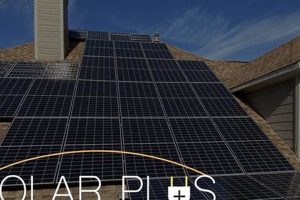
Devices that harness the sun’s radiation to generate electricity represent a significant component of sustainable energy solutions. These systems, often constructed from photovoltaic cells, convert light directly into electrical power. The electricity produced can then be utilized to power homes, businesses, and various infrastructure projects, contributing to a reduction in reliance on fossil fuels.
The adoption of solar-powered electricity generation offers multiple advantages, including diminished carbon emissions and a move toward energy independence. Historically, early adoption was driven by a desire for off-grid power solutions. Technological advancements have led to improved efficiency and cost-effectiveness, making solar energy a viable alternative for mainstream energy production. This shift aligns with global efforts to mitigate climate change and promote long-term environmental sustainability.
The ensuing sections will explore various aspects of these systems, including their design, installation considerations, performance metrics, and long-term economic impacts. These elements are crucial to understanding the role and potential of solar energy in meeting future energy demands.
Installation and Maintenance Guidelines
Proper installation and ongoing maintenance are paramount to maximizing the lifespan and energy output of photovoltaic systems. Adhering to established guidelines ensures optimal performance and mitigates potential risks associated with system operation.
Tip 1: Site Assessment is Crucial: A comprehensive site evaluation should be conducted prior to installation. This assessment must consider factors such as roof orientation, shading from surrounding structures or vegetation, and structural integrity to accommodate the system’s weight.
Tip 2: Professional Installation Recommended: Engaging certified and experienced installers guarantees compliance with local regulations and adherence to industry best practices. Correct wiring and secure mounting are critical for safe and efficient operation.
Tip 3: Regular Visual Inspections: Conduct routine visual inspections of the system, including the panels, wiring, and mounting hardware. Look for signs of damage, such as cracks, loose connections, or corrosion. Timely detection of issues can prevent significant performance degradation.
Tip 4: Panel Cleaning for Optimal Output: Dust, dirt, and debris accumulation can impede sunlight absorption and reduce energy generation. Periodic cleaning of the panels, especially in arid or industrial environments, helps maintain optimal performance levels. Use appropriate cleaning solutions and techniques to avoid damage to the panel surfaces.
Tip 5: Inverter Monitoring and Maintenance: The inverter, which converts direct current (DC) electricity to alternating current (AC), is a critical component. Monitor its performance regularly, paying attention to error messages or unusual sounds. Schedule periodic maintenance checks by qualified technicians.
Tip 6: Vegetation Management is Essential: Ensure that surrounding vegetation does not obstruct sunlight from reaching the panels. Trim trees or shrubs as necessary to maintain optimal solar exposure throughout the year.
Adhering to these guidelines will enhance the reliability and longevity of photovoltaic energy systems, ensuring a consistent and dependable source of renewable power. This proactive approach contributes to a reduced carbon footprint and promotes long-term energy independence.
The subsequent sections will delve into the financial considerations associated with owning photovoltaic systems and the environmental benefits they provide to the community.
1. Sustainable Electricity Generation

The conversion of solar radiation into usable electrical power represents a cornerstone of sustainable energy practices. The deployment of photovoltaic (PV) technology facilitates the generation of electricity with minimal environmental impact during operation. This contrasts sharply with traditional energy sources, such as fossil fuels, which release substantial greenhouse gasses and pollutants into the atmosphere. As a direct consequence, the increased utilization of solar electricity contributes to mitigating climate change and improving air quality.
PV systems exemplify sustainable electricity generation through several key mechanisms. They harness an inexhaustible resourcesunlightthereby reducing reliance on finite resources. The operational lifespan of PV panels, typically exceeding 25 years, ensures a sustained electricity supply with minimal recurring environmental costs. Furthermore, advancements in materials science are continually improving the efficiency and reducing the material intensity of PV panels. A practical illustration is the increasing adoption of solar farms across various geographical regions, providing substantial amounts of clean electricity to both residential and industrial consumers.
In summary, PV systems are inherently linked to sustainable electricity generation. Their implementation represents a tangible pathway towards reducing carbon emissions, promoting energy independence, and fostering a more environmentally responsible energy sector. Ongoing research and development efforts are expected to further enhance the sustainability and economic viability of PV technology, solidifying its role in a future energy landscape dominated by clean and renewable sources. However, challenges remain regarding energy storage, grid integration, and the lifecycle management of PV panels, requiring continued innovation and policy support.
2. Reduced Carbon Footprint

The operational reliance on fossil fuels for electricity generation contributes significantly to anthropogenic carbon emissions. The adoption of photovoltaic systems directly addresses this issue by providing a clean energy alternative, thereby facilitating a reduction in the overall carbon footprint associated with energy consumption.
- Displacement of Fossil Fuel Generation
Photovoltaic systems generate electricity without combusting fossil fuels, eliminating direct emissions of carbon dioxide and other greenhouse gases. The extent of carbon footprint reduction is directly proportional to the amount of fossil fuel-based electricity generation displaced by the solar system. For example, a 1 MW solar installation can offset hundreds of tons of carbon dioxide emissions annually, depending on the regional energy mix.
- Minimal Operational Emissions
Unlike conventional power plants, photovoltaic systems have minimal operational emissions. The only carbon footprint associated with their operation stems from the manufacturing, transportation, and installation processes, which are typically amortized over the system’s lifespan. This contrasts sharply with the continuous emissions associated with fossil fuel combustion.
- Lifecycle Carbon Accounting
A comprehensive carbon footprint assessment considers the entire lifecycle of a photovoltaic system, from raw material extraction to end-of-life disposal. While manufacturing does entail energy consumption and emissions, lifecycle analyses consistently demonstrate that photovoltaic systems have a significantly lower carbon footprint compared to fossil fuel-based electricity generation. Innovations in materials science and manufacturing processes are further reducing the embodied carbon footprint of these systems.
The facets outlined underscore the direct and quantifiable relationship between photovoltaic systems and a reduced carbon footprint. The displacement of fossil fuel generation, minimal operational emissions, and favorable lifecycle carbon accounting all contribute to a significant reduction in the environmental impact associated with electricity consumption. The ongoing development and deployment of photovoltaic technologies represent a crucial strategy for mitigating climate change and transitioning towards a more sustainable energy future.
3. Long-Term Cost Savings

The implementation of solar energy systems demonstrably leads to long-term cost savings for both individual consumers and larger entities. This economic advantage stems from the reduced reliance on traditional electricity grids and the subsequent decrease in monthly utility expenses. The initial investment in the system, while substantial, is offset over time through continuous energy production and associated savings. Government incentives, such as tax credits and rebates, further accelerate the return on investment, enhancing the financial attractiveness of solar adoption.
Real-world examples illustrate the practical significance of these cost savings. Residential homeowners who install solar panels often experience a significant reduction, or even elimination, of their electricity bills. Commercial businesses can also benefit from reduced operating expenses, improving their profitability and competitiveness. Furthermore, large-scale solar farms generate electricity at a lower cost per kilowatt-hour compared to traditional fossil fuel power plants, contributing to lower overall energy costs for consumers. The potential for long-term cost savings acts as a significant driver for the increased adoption of these systems across diverse sectors.
Ultimately, long-term cost savings represent a crucial component of the value proposition for solar energy. While upfront costs may present a barrier to entry, the sustained financial benefits derived from reduced electricity expenses and government incentives render solar a financially viable and attractive investment. The realization of these savings is contingent upon factors such as system size, energy consumption patterns, and local electricity rates. However, the fundamental economic advantage of reduced reliance on traditional energy sources remains a compelling argument for the widespread adoption of solar energy systems. Challenges related to grid integration and energy storage remain, but the long-term economic benefits continue to drive innovation and investment in the field.
4. Energy Independence Support
Solar energy systems play a crucial role in fostering energy independence by enabling individuals, communities, and nations to reduce their reliance on external energy sources. The capacity to generate power locally from a renewable resource empowers stakeholders to gain greater control over their energy supply, mitigating vulnerability to price fluctuations and geopolitical instability associated with imported fuels. Solar technology contributes directly to a more secure and resilient energy infrastructure.
- Reduced Dependence on Fossil Fuels
Solar electricity generation diminishes the demand for fossil fuels, which are often sourced from geographically concentrated regions, thereby reducing reliance on international supply chains. The deployment of domestic solar resources mitigates exposure to volatile global energy markets and the associated economic uncertainties. For example, countries with abundant sunshine can leverage solar energy to decrease their dependence on imported oil or natural gas, bolstering their energy security.
- Decentralized Power Generation
The distributed nature of solar energy systems facilitates decentralized power generation, shifting the paradigm from centralized power plants to localized energy sources. This distributed model enhances energy resilience by reducing vulnerability to widespread grid outages and disruptions. Communities equipped with solar microgrids can maintain electricity supply even during grid failures, ensuring essential services remain operational.
- Enhanced Grid Stability
The integration of solar energy into the existing power grid can enhance grid stability by diversifying the energy supply mix and reducing reliance on single, large-scale power plants. Solar energy can provide a distributed source of power that is less susceptible to disruptions caused by extreme weather events or equipment failures. Furthermore, advanced grid management technologies can optimize the integration of solar energy to enhance grid reliability.
- Creation of Local Jobs and Economic Opportunities
The deployment of solar energy systems creates local jobs in manufacturing, installation, maintenance, and related industries, stimulating economic growth within the communities where these systems are deployed. These jobs contribute to a more diversified and resilient local economy, reducing reliance on traditional industries that may be vulnerable to economic downturns or technological obsolescence. Increased energy independence strengthens local economies.
These points emphasize the multifaceted benefits of solar energy in supporting energy independence. Reduced reliance on fossil fuels, decentralized power generation, enhanced grid stability, and the creation of local economic opportunities collectively contribute to a more secure and sustainable energy future. By harnessing solar power, stakeholders can reduce their vulnerability to external energy shocks and take greater control over their energy destiny.
5. Photovoltaic Technology Advancement

Advancements in photovoltaic technology directly influence the efficiency, cost-effectiveness, and overall performance of systems. Continuous innovation in materials science, cell design, and manufacturing processes contribute to more powerful, durable, and economically viable systems. This evolution drives the widespread adoption of systems and facilitates their integration into diverse applications.
- Improved Cell Efficiency
Ongoing research and development efforts are focused on enhancing the efficiency of photovoltaic cells, measured by the percentage of sunlight converted into electricity. Advancements in materials such as perovskites, thin-film technologies, and multi-junction cells have demonstrated the potential to surpass the theoretical efficiency limits of traditional silicon-based cells. Increased cell efficiency directly translates into higher energy output from a given surface area, reducing the overall footprint and cost of photovoltaic installations. For example, advancements in perovskite solar cells have shown potential to reach efficiencies comparable to silicon-based cells at a lower manufacturing cost, potentially revolutionizing the solar energy landscape.
- Reduced Manufacturing Costs
Innovation in manufacturing processes is driving down the cost of photovoltaic panel production. Streamlined manufacturing techniques, automation, and economies of scale contribute to lower production costs, making them more competitive with traditional energy sources. The reduction in manufacturing costs is essential for widespread adoption, particularly in price-sensitive markets. The development of thin-film technologies has the potential to reduce material usage and manufacturing complexity, further lowering production costs. The increasing global demand supports lower costs from these devices.
- Enhanced Durability and Lifespan
Improvements in materials and encapsulation techniques enhance the durability and lifespan of photovoltaic panels, increasing their long-term reliability and return on investment. Robust panel designs can withstand harsh environmental conditions, such as extreme temperatures, humidity, and UV radiation. Increased lifespan reduces the need for frequent replacements, lowering lifecycle costs. For instance, advanced encapsulation materials protect the sensitive components of the solar panel from moisture and degradation, extending the panel’s operational life and maintaining its performance over time.
- Smart Grid Integration Capabilities
Modern are equipped with advanced monitoring and control systems that enable seamless integration with smart grids. These systems facilitate real-time performance monitoring, remote diagnostics, and intelligent energy management, optimizing the efficiency and reliability of the grid. Smart grid integration enables bidirectional energy flow, allowing users to both consume and contribute energy to the grid. The development of advanced inverter technologies that can communicate with smart grids contributes to improved grid stability and efficiency, enabling a greater proportion of renewable energy sources.
These elements underscore the transformative impact of photovoltaic technology advancements. Enhanced cell efficiency, reduced manufacturing costs, improved durability, and smart grid integration capabilities collectively contribute to making a more competitive, reliable, and sustainable energy source. Ongoing research and development are poised to further accelerate these advancements, solidifying their role in meeting future energy demands and mitigating climate change. The continual improvement in the components and processes ensures better output and more dependable systems.
6. Grid Integration Capabilities
Grid integration capabilities represent a critical aspect of the effectiveness and scalability of solar energy systems. The capacity to seamlessly integrate renewable energy sources into existing electrical grids is essential for maximizing the utilization of solar power and ensuring a stable and reliable electricity supply.
- Voltage and Frequency Regulation
Solar inverters equipped with advanced grid support functions enable voltage and frequency regulation. These inverters can actively respond to grid conditions, injecting or absorbing reactive power to maintain voltage stability and prevent frequency deviations. Such capabilities are crucial for accommodating the intermittent nature of solar power generation and mitigating potential disruptions to grid operations. An example is the use of smart inverters in large-scale solar farms that dynamically adjust their output to stabilize the grid in response to fluctuations in demand or supply.
- Real-Time Monitoring and Control
Grid integration involves real-time monitoring and control of solar power generation. Advanced monitoring systems provide grid operators with visibility into the performance of solar installations, allowing them to anticipate and respond to changes in solar output. Control systems enable remote adjustment of solar power generation, allowing grid operators to optimize the flow of electricity and maintain grid stability. An example is the use of supervisory control and data acquisition (SCADA) systems to monitor and control solar farms, providing grid operators with real-time data on solar power generation and enabling them to adjust output as needed.
- Energy Storage Integration
Energy storage technologies, such as batteries, can be integrated with solar energy systems to enhance grid integration capabilities. Energy storage allows solar power to be stored and dispatched when needed, mitigating the intermittency of solar generation and providing a more predictable and reliable source of electricity. Energy storage systems can also provide ancillary services to the grid, such as frequency regulation and voltage support. A practical example is a utility-scale solar plus storage project that combines solar panels with battery storage to provide a dispatchable source of clean energy that can be used to meet peak demand or to support grid stability during periods of low solar output.
- Smart Grid Technologies
Smart grid technologies enhance the integration of renewable energy sources by enabling more efficient and flexible grid operations. Smart meters, advanced sensors, and communication networks provide grid operators with real-time data on energy demand and supply, allowing them to optimize grid performance and integrate renewable energy sources more effectively. Smart grid technologies also enable demand response programs, which allow consumers to reduce their electricity consumption during periods of peak demand, reducing the strain on the grid and facilitating the integration of more renewable energy. An example is the implementation of smart meters and demand response programs in communities with high levels of solar penetration, allowing utilities to manage the integration of solar power more effectively.
The effective incorporation of these grid integration capabilities is paramount for maximizing the benefits of renewable energy sources and ensuring a reliable, sustainable, and efficient electricity grid. The continued development and deployment of these technologies is essential for enabling the widespread adoption and seamless integration of solar energy, contributing to a cleaner and more resilient energy future.
7. Environmental Responsibility Promotion

The integration of systems directly promotes environmental responsibility by mitigating reliance on fossil fuels. These systems harness solar radiation, a renewable resource, to generate electricity, thereby reducing greenhouse gas emissions and mitigating air pollution associated with conventional power generation. Environmental responsibility promotion is intrinsic to the very nature of these systems, representing a fundamental shift toward sustainable energy practices. The use of such panels demonstrates a tangible commitment to reducing carbon footprints and fostering environmental stewardship.
The practical significance of this connection is evident in the increasing adoption of these systems by both residential and commercial entities. Homeowners who install systems actively contribute to a cleaner environment, reducing their individual carbon footprint and demonstrating their commitment to environmental sustainability. Corporations that invest in these systems not only reduce their operational costs but also enhance their corporate social responsibility profile, attracting environmentally conscious consumers and investors. Government initiatives that promote systems further amplify this effect, accelerating the transition to a cleaner energy economy. A prominent example is the rise of corporate power purchase agreements (PPAs), where companies directly invest in or contract for energy to be supplied from solar farms. This guarantees clean energy to the system, while supporting the growth of renewable electricity. These cases show an environmental impact.
In summary, the alignment of systems with environmental responsibility promotion is a critical driver for their widespread adoption and represents a key element in achieving a sustainable energy future. The reduction of carbon emissions, promotion of sustainable practices, and enhanced corporate social responsibility are among the core benefits derived from this connection. Challenges remain in terms of grid integration and energy storage, but the overarching principle of promoting environmental responsibility serves as a guiding force for ongoing innovation and policy support in the field of renewable energy. The continued growth of these devices promises to positively affect both the environment and the economy.
Frequently Asked Questions About Solar Panel Systems
This section addresses common inquiries concerning solar panel systems, providing concise and informative responses to promote a clearer understanding of the technology and its applications.
Question 1: What constitutes the typical lifespan of a solar panel system?
The operational lifespan of a solar panel system generally ranges from 25 to 30 years. Performance degradation, however, may occur over time, typically at a rate of 0.5% to 1% per year. Manufacturers generally provide warranties guaranteeing a certain percentage of power output for at least 25 years.
Question 2: What factors influence the energy output of a solar panel system?
The energy output of a solar panel system is influenced by several factors, including solar irradiance (the amount of sunlight reaching the panels), panel orientation and tilt, shading from surrounding objects, panel temperature, and system efficiency. Regular maintenance and cleaning can optimize energy output.
Question 3: Is energy storage necessary for systems?
Energy storage is not strictly necessary for all systems, particularly if the system is grid-tied. However, energy storage, typically in the form of batteries, enhances energy independence by allowing for the storage of excess solar energy for use during periods of low sunlight or grid outages. Energy storage is essential for off-grid systems.
Question 4: How does net metering affect the economics of systems?
Net metering is a billing mechanism that allows owners to receive credit for excess electricity generated by their solar panel system and sent back to the grid. The utility company typically credits the homeowner’s account for the excess electricity at the same rate as they would charge for electricity consumption. Net metering significantly improves the economics of systems.
Question 5: What are the primary environmental benefits associated with systems?
The primary environmental benefits associated with systems include the reduction of greenhouse gas emissions, the mitigation of air pollution, and the conservation of natural resources. By displacing fossil fuel-based electricity generation, solar energy systems contribute to a cleaner and more sustainable environment.
Question 6: What are the maintenance requirements for systems?
Maintenance requirements for systems are generally minimal. Periodic cleaning of the panels to remove dirt and debris is recommended. Regular inspections of the system components, including panels, wiring, and inverters, can help identify and address any potential issues. Professional maintenance checks are recommended every few years.
Solar panel systems represent a reliable, environmentally beneficial, and cost-effective means of generating electricity. Understanding these frequently asked questions facilitates a more informed decision-making process for those considering the adoption of systems.
The upcoming section will delve into case studies and success stories.
Conclusion
The preceding analysis elucidates the multifaceted benefits and considerations surrounding the implementation of United Renewable Energy solar panels. From sustainable electricity generation and reduced carbon footprints to long-term cost savings and enhanced energy independence, these systems offer a compelling solution for addressing present and future energy demands. The integration of photovoltaic technology into existing infrastructure promotes environmental stewardship, while continuous advancements in cell efficiency and grid integration capabilities further optimize system performance.
The adoption of United Renewable Energy solar panels signifies a strategic investment in a cleaner, more sustainable future. The continued advancement and deployment of these systems are critical to mitigating climate change, fostering energy security, and promoting economic growth. A commitment to informed decision-making and proactive implementation will maximize the benefits derived from this technology, ensuring a reliable and environmentally responsible energy supply for generations to come.
![Why Solar is a Renewable Source of Energy [Benefits] | Renewable Energy Solutions for a Sustainable Future | Clean & Green Power](https://pplrenewableenergy.com/wp-content/uploads/2026/04/th-454-300x200.jpg "Why Solar is a Renewable Source of Energy [Benefits] Renewable Energy Solutions for a Sustainable Future | Clean & Green Power")