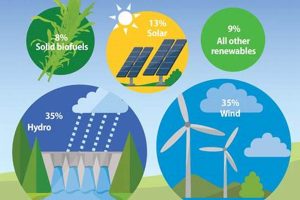
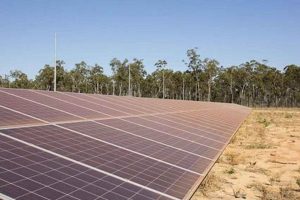
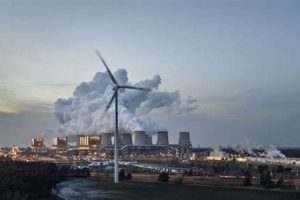
Connecting energy sources like solar, wind, and hydropower to the established electricity network involves significant technical and regulatory hurdles. This process requires specialized equipment and infrastructure to ensure the intermittent nature of these resources doesn’t compromise the stability and reliability of power delivery. For example, solar farms require inverters to convert direct current to alternating current, and the grid itself may need upgrades to handle bidirectional power flow.
A stable, decarbonized electricity supply is essential for modern society. Successfully incorporating variable renewable sources offers significant advantages, including reduced reliance on fossil fuels, decreased greenhouse gas emissions, and enhanced energy independence. The historical reliance on conventional power plants presented fewer integration challenges, but the increasing urgency of climate change necessitates a shift toward sustainable alternatives and the innovative solutions required to connect them seamlessly.
This article will delve into the key aspects of incorporating these variable energy sources into the electricity grid. Topics covered will include the technical challenges, the regulatory landscape, and the economic considerations involved in facilitating this essential transition to a cleaner energy future.
Tips for Successful Renewable Energy Integration
Effectively connecting renewable energy sources to the power grid requires careful planning and execution. The following tips offer guidance for navigating the complexities of this process.
Tip 1: Conduct Thorough Grid Impact Assessments: Detailed studies are essential to understand how intermittent renewable generation will affect grid stability, voltage levels, and fault currents. These assessments inform necessary grid upgrades and ensure reliable operation.
Tip 2: Invest in Advanced Grid Infrastructure: Modernizing the grid with smart technologies, such as advanced metering infrastructure, dynamic line rating, and flexible AC transmission systems, enhances grid flexibility and accommodates fluctuating renewable energy inputs.
Tip 3: Implement Robust Forecasting and Scheduling: Accurate predictions of renewable energy generation are crucial for balancing supply and demand. Sophisticated forecasting tools, combined with effective scheduling practices, minimize imbalances and maintain grid stability.
Tip 4: Utilize Energy Storage Solutions: Battery storage, pumped hydro, and other storage technologies provide a buffer against the intermittency of renewable sources. Storing excess energy during peak generation periods and releasing it during low-generation periods enhances grid reliability and optimizes renewable energy utilization.
Tip 5: Foster Regulatory Frameworks that Promote Integration: Clear and consistent regulations, including streamlined permitting processes and supportive interconnection standards, are essential for encouraging investment in renewable energy projects and facilitating their seamless integration into the grid.
Tip 6: Encourage Demand-Side Management Strategies: Demand response programs and time-of-use pricing can incentivize consumers to shift their energy consumption patterns, aligning demand with renewable energy availability and reducing peak load stress on the grid.
Tip 7: Explore Hybrid Renewable Energy Systems: Combining different renewable energy technologies, such as solar and wind, can mitigate the intermittency challenges associated with individual sources. Hybrid systems offer a more consistent and reliable power output, enhancing grid stability.
By implementing these strategies, stakeholders can ensure the reliable and cost-effective integration of renewable energy sources, paving the way for a sustainable and resilient energy future.
These tips provide a framework for successful integration efforts. The subsequent conclusion will further elaborate on the overarching importance of this transition.
1. Grid Stability

Grid stability, the ability of the electrical grid to maintain a consistent frequency and voltage despite fluctuations in supply and demand, is paramount for reliable power delivery. Integrating renewable energy sources, particularly those with intermittent generation like solar and wind, presents unique challenges to this stability. Fluctuations in solar irradiance and wind speeds translate into variable power output, potentially leading to frequency deviations and voltage instability if not properly managed. A real-world example is the “duck curve” phenomenon, where increased solar generation during the day creates a steep ramp-up in demand from conventional sources as the sun sets, stressing grid infrastructure.
Maintaining grid stability amidst fluctuating renewable generation requires advanced grid management techniques and technologies. These include sophisticated forecasting tools to predict renewable output, grid-forming inverters that can provide voltage and frequency support, and energy storage systems to smooth out power fluctuations. For instance, battery storage can absorb excess solar energy during peak production periods and discharge it during periods of low generation or high demand, effectively mitigating the impact of intermittency on grid stability. Demand-side management programs, which incentivize consumers to shift energy usage away from peak demand periods, further enhance grid stability by better aligning consumption with renewable generation patterns.
The successful integration of renewable energy sources is inextricably linked to maintaining grid stability. Addressing the inherent variability of these resources through technological advancements, robust grid management strategies, and supportive regulatory frameworks is crucial for ensuring a reliable and sustainable energy transition. Failure to adequately address grid stability concerns can result in power outages, equipment damage, and increased operational costs, underscoring the practical significance of understanding and managing the interplay between renewable energy integration and grid stability.
2. Intermittency Management

Intermittency, the fluctuating nature of renewable energy sources like solar and wind, poses a significant challenge to seamless grid integration. Solar power output varies with cloud cover and time of day, while wind power fluctuates with wind speed. This variability necessitates robust intermittency management strategies to ensure grid stability and reliability. Without effective management, intermittent renewable generation can lead to power imbalances, frequency deviations, and voltage instability, potentially disrupting the continuous flow of electricity to consumers.
Effective intermittency management involves a multifaceted approach. Accurate forecasting of renewable energy generation is crucial, allowing grid operators to anticipate fluctuations and adjust conventional generation accordingly. Energy storage systems, such as batteries and pumped hydro, play a vital role by absorbing excess energy during periods of high renewable generation and releasing it during periods of low generation or peak demand. Demand-side management programs, which incentivize consumers to shift their energy usage, can further align demand with renewable supply, mitigating the impact of intermittency. Geographic diversification of renewable energy sources can also smooth out fluctuations, as weather patterns are less likely to affect all locations simultaneously. For example, combining solar and wind resources can provide a more consistent power output than relying solely on either technology.
Addressing intermittency is fundamental to successful renewable energy integration. Failure to effectively manage these fluctuations can jeopardize grid stability and reliability, undermining the economic and environmental benefits of transitioning to cleaner energy sources. Continued advancements in forecasting, energy storage, and grid management technologies, alongside supportive regulatory frameworks, are crucial for overcoming the intermittency challenge and unlocking the full potential of renewable energy to power a sustainable future.
3. Infrastructure Upgrades

Modernizing existing grid infrastructure is essential for successful renewable energy integration. The traditional grid, designed primarily for unidirectional power flow from centralized power plants, often lacks the flexibility and capacity to accommodate the decentralized and intermittent nature of renewable sources. Infrastructure upgrades address these limitations, enabling the grid to handle bidirectional power flows, manage voltage fluctuations, and maintain stability with variable renewable generation. For example, upgrading transformers and transmission lines increases grid capacity, allowing for the integration of larger-scale renewable energy projects. Similarly, installing advanced grid technologies, like Flexible AC Transmission Systems (FACTS), enhances grid flexibility and control, improving its ability to accommodate fluctuating renewable power inputs.
Specific infrastructure upgrades required for renewable energy integration vary depending on the type and scale of the renewable resource, as well as the existing grid characteristics. Integrating large-scale solar farms may necessitate new transmission lines to connect remote generation sites to the grid. Distributed rooftop solar installations, on the other hand, may require upgrades to distribution networks and the implementation of smart grid technologies to manage bidirectional power flows at the local level. Furthermore, integrating offshore wind farms typically requires significant investments in subsea cables and onshore substations to transmit the generated power to the mainland grid. Real-world examples include Germany’s expansion of its transmission network to accommodate offshore wind power and California’s investments in grid modernization technologies to manage increasing solar penetration.
Adequate infrastructure upgrades are fundamental to maximizing the benefits of renewable energy integration. Without these upgrades, the grid may become congested, leading to curtailment of renewable energy generation, reduced grid reliability, and increased integration costs. Investing in grid modernization not only facilitates the transition to a cleaner energy future but also enhances grid resilience, improves power quality, and creates new economic opportunities. Understanding the critical role of infrastructure upgrades in enabling efficient and reliable renewable energy integration is essential for policymakers, grid operators, and investors alike.
4. Cost Optimization

Cost optimization plays a crucial role in the successful grid integration of renewable energy. Minimizing the financial burden associated with integrating intermittent renewable sources is essential for widespread adoption and a sustainable energy transition. Cost considerations span multiple aspects, including infrastructure upgrades, energy storage solutions, grid management technologies, and market mechanisms. Balancing upfront investment costs with long-term operational savings and societal benefits is crucial for achieving cost-effective integration. For instance, investing in smart grid technologies can optimize power flow, reducing the need for extensive and costly transmission upgrades. Similarly, leveraging demand-side management strategies can lower peak demand, deferring the need for new generation capacity and reducing overall system costs. Choosing the most appropriate energy storage technology, such as batteries or pumped hydro, based on specific project needs and cost considerations, is another vital aspect of cost optimization.
The economic viability of renewable energy integration depends heavily on optimizing costs across the entire value chain. For example, streamlining interconnection processes for renewable energy projects can reduce development timelines and associated costs, accelerating deployment. Implementing market mechanisms that accurately value the grid services provided by renewable energy, such as frequency regulation and voltage support, can further incentivize investment and innovation. Real-world examples of cost optimization strategies include the use of virtual power plants to aggregate distributed renewable energy resources and participate in electricity markets, and the implementation of time-of-use pricing to encourage consumers to shift their energy consumption patterns and reduce peak demand. Failure to address cost optimization can hinder the growth of renewable energy, limit its contribution to decarbonizing the power sector, and increase electricity prices for consumers.
Successfully integrating renewable energy into the grid requires a comprehensive approach to cost optimization. Balancing upfront investments with long-term operational savings, leveraging innovative technologies and market mechanisms, and streamlining regulatory processes are crucial for achieving a cost-effective and sustainable energy transition. Understanding the economic implications of integration decisions is essential for policymakers, grid operators, and investors seeking to maximize the benefits of renewable energy while minimizing costs for consumers and society.
5. Regulatory Compliance

Regulatory compliance plays a critical role in the successful integration of renewable energy sources into the electricity grid. A clear and consistent regulatory framework is essential for providing certainty to investors, ensuring grid stability and reliability, and promoting a cost-effective transition to a cleaner energy future. Regulations govern various aspects of renewable energy integration, from interconnection standards and permitting processes to market access and renewable portfolio standards. Navigating this complex regulatory landscape is essential for project developers, grid operators, and policymakers alike.
- Interconnection Standards:
Technical standards dictate how renewable energy facilities connect to the grid, ensuring compatibility and safe operation. These standards address issues like voltage levels, frequency control, and protection systems. For example, IEEE 1547 defines the technical requirements for interconnecting distributed energy resources, such as rooftop solar, to the grid. Compliance with these standards is crucial for preventing grid instability and ensuring the safety and reliability of both renewable energy systems and the broader electricity network. Variations in interconnection standards across jurisdictions can complicate project development and increase costs, highlighting the need for harmonized regulations.
- Permitting Processes:
Obtaining necessary permits and approvals is a crucial step in developing and integrating renewable energy projects. Permitting processes vary across jurisdictions and can involve multiple agencies, often leading to delays and increased project costs. Streamlined and transparent permitting procedures are essential for accelerating renewable energy deployment. For instance, some jurisdictions have implemented “one-stop shops” for renewable energy permitting, simplifying the process and reducing administrative burdens. Delays in permitting can hinder project development, increase financing costs, and slow the overall transition to renewable energy.
- Renewable Portfolio Standards (RPS):
RPS policies mandate that a certain percentage of electricity generation comes from renewable sources. These policies create market demand for renewable energy, driving investment and deployment. RPS requirements vary across states and countries, with some setting ambitious targets for renewable energy penetration. For example, California’s RPS requires 60% of electricity to come from renewable sources by 2030. RPS policies play a significant role in shaping the renewable energy landscape and accelerating the transition to a cleaner electricity mix.
- Market Access and Compensation:
Regulations governing market access and compensation for renewable energy generators influence project profitability and investment decisions. These regulations determine how renewable energy is valued in electricity markets and how generators are compensated for the electricity they produce. For example, feed-in tariffs provide guaranteed prices for renewable energy, while auction mechanisms allow renewable energy projects to compete with conventional generators. Fair and transparent market access and compensation mechanisms are crucial for attracting investment in renewable energy and ensuring a level playing field for all generators.
These regulatory facets are interconnected and significantly impact the overall success of renewable energy integration. Harmonizing regulations, streamlining permitting processes, and implementing market mechanisms that accurately value the contributions of renewable energy are essential for creating a supportive regulatory environment that fosters a rapid and cost-effective transition to a cleaner energy future. Effective regulatory compliance not only ensures the technical feasibility of integrating renewable energy but also creates the necessary market conditions for its widespread adoption and long-term sustainability.
6. Energy Storage

Energy storage technologies are essential for addressing the inherent intermittency of renewable energy sources like solar and wind, enabling their effective integration into the electricity grid. Storing excess renewable energy generated during periods of high production and releasing it during periods of low generation or peak demand enhances grid stability, reliability, and overall system efficiency. The effective deployment of energy storage is crucial for maximizing the penetration of renewable energy and achieving a sustainable energy transition.
- Battery Storage:
Battery storage systems, particularly lithium-ion batteries, offer high power and energy density, making them suitable for a variety of grid applications. They can respond quickly to grid fluctuations, providing frequency regulation and voltage support. Examples include large-scale battery installations paired with solar farms, such as the Hornsdale Power Reserve in Australia, and smaller battery systems deployed at the distribution level to enhance grid resilience and defer infrastructure upgrades. The declining cost of battery storage is increasing its economic viability for grid-scale applications.
- Pumped Hydroelectric Storage (PHS):
PHS, a mature and widely deployed technology, utilizes two reservoirs at different elevations. Excess electricity pumps water uphill to the upper reservoir, storing potential energy. When electricity is needed, water is released downhill through turbines, generating electricity. Examples include the Bath County Pumped Storage Station in Virginia, one of the largest energy storage facilities in the world. While geographically constrained, PHS offers large storage capacities and long durations, making it suitable for balancing daily or weekly fluctuations in renewable generation.
- Thermal Energy Storage (TES):
TES systems store thermal energy, typically in the form of heat or cold, for later use. Molten salt TES, for example, can store solar thermal energy for electricity generation during periods of low sunlight. Other TES applications include storing chilled water or ice for building cooling, reducing peak electricity demand. TES technologies offer diverse solutions for integrating renewable energy and enhancing grid flexibility.
- Flywheel Energy Storage:
Flywheel systems store kinetic energy in a rotating mass. They can respond rapidly to grid fluctuations, providing frequency regulation and voltage support. While offering high power output and long cycle life, flywheels typically have limited storage capacity, making them suitable for short-duration applications. Their rapid response capabilities make them valuable for addressing transient grid stability issues.
The integration of energy storage technologies is paramount for overcoming the intermittency challenges associated with renewable energy sources. The diverse range of available energy storage solutions, each with its own strengths and limitations, provides flexibility in addressing specific grid needs and optimizing system performance. Continued advancements in energy storage technologies, coupled with declining costs and supportive policies, are essential for enabling a reliable, resilient, and sustainable energy future powered by renewable resources.
7. Forecasting & Scheduling
Accurate forecasting and scheduling are fundamental to the successful integration of renewable energy sources into the electricity grid. Given the intermittent nature of solar and wind power, predicting their output is crucial for maintaining grid stability and balancing supply and demand. Forecasting utilizes meteorological data, historical generation patterns, and sophisticated algorithms to estimate future renewable energy production. This information informs scheduling decisions, enabling grid operators to anticipate fluctuations in renewable generation and adjust conventional generation resources or energy storage deployments accordingly. Without accurate forecasting and scheduling, grid instability, power imbalances, and increased reliance on fossil fuel-based backup generation can occur.
The importance of forecasting and scheduling increases with higher penetrations of renewable energy. As more intermittent renewable sources connect to the grid, the potential for variability and uncertainty in electricity supply grows. Advanced forecasting techniques, such as probabilistic forecasting, which provides a range of possible generation scenarios, become essential for managing this increased complexity. Furthermore, coordinating forecasting and scheduling across different renewable energy facilities and geographical regions enhances overall system efficiency and reliability. Real-world examples include the use of machine learning algorithms to improve wind power forecasting accuracy and the implementation of regional-scale forecasting models to optimize the dispatch of solar and wind resources. Integrating forecasting data with energy storage management systems further enhances grid flexibility and reduces reliance on conventional generation.
Effective forecasting and scheduling are essential components of a reliable and cost-effective renewable energy integration strategy. Accurate predictions of renewable energy generation enable grid operators to proactively manage variability, minimize reliance on fossil fuel backup, and optimize the use of energy storage and other grid resources. Ongoing advancements in forecasting technologies and methodologies, coupled with improved data availability and integration with grid management systems, are crucial for maximizing the benefits of renewable energy and achieving a sustainable energy future. The practical significance of this understanding lies in its direct contribution to grid stability, reduced curtailment of renewable energy, and the overall economic viability of the transition to a cleaner energy system.
Frequently Asked Questions
This section addresses common inquiries regarding the integration of renewable energy sources into electricity grids.
Question 1: How does the intermittent nature of renewable energy sources impact grid stability?
Fluctuations in renewable energy output, due to variations in sunlight or wind, can create imbalances between electricity supply and demand. These imbalances can lead to frequency and voltage deviations, potentially affecting grid stability. Effective integration strategies, including grid modernization, energy storage, and advanced forecasting, are crucial to mitigating these impacts.
Question 2: What infrastructure upgrades are typically required to accommodate renewable energy integration?
Grid modernization efforts often involve upgrading transmission and distribution lines, transformers, and substations to handle increased capacity and bidirectional power flow. Advanced grid technologies, such as smart meters, dynamic line rating, and flexible AC transmission systems, are also crucial for enhancing grid flexibility and managing variable renewable generation.
Question 3: What role does energy storage play in facilitating renewable energy integration?
Energy storage systems, such as batteries and pumped hydro, store excess renewable energy during periods of high production and release it during times of low generation or peak demand. This capability smooths out fluctuations, enhances grid stability, and reduces reliance on conventional power plants.
Question 4: How do regulatory policies influence the integration of renewable energy?
Policies such as renewable portfolio standards (RPS), interconnection standards, and tax incentives play a significant role in promoting renewable energy development and integration. Clear and consistent regulations provide certainty for investors, streamline permitting processes, and create market demand for renewable energy.
Question 5: What are the key economic considerations for renewable energy integration?
Cost optimization is crucial for successful integration. Balancing upfront investment costs with long-term operational savings and societal benefits is essential. Factors to consider include infrastructure upgrades, energy storage costs, grid management technologies, and market mechanisms that accurately value the grid services provided by renewable energy.
Question 6: How does grid integration of renewable energy contribute to environmental sustainability?
Integrating renewable energy sources displaces fossil fuel-based generation, reducing greenhouse gas emissions and mitigating the impacts of climate change. Furthermore, renewable energy sources diversify electricity supply, enhancing energy independence and reducing reliance on finite resources.
Understanding these fundamental aspects of renewable energy integration is crucial for informed decision-making and effective implementation strategies. Addressing these FAQs clarifies common concerns and misconceptions, paving the way for a more sustainable energy future.
The following conclusion summarizes the critical importance of renewable energy grid integration in achieving a cleaner, more sustainable energy landscape.
Conclusion
Grid integration of renewable energy represents a critical step toward a sustainable energy future. This intricate process necessitates careful consideration of technical challenges, economic factors, and regulatory frameworks. Successfully incorporating intermittent renewable sources like solar and wind power requires advanced grid management techniques, robust infrastructure upgrades, and efficient energy storage solutions. Furthermore, accurate forecasting and scheduling, coupled with supportive regulatory policies, are essential for maximizing the benefits and minimizing the costs associated with integrating these variable resources. This article has explored the multifaceted nature of this undertaking, highlighting the key considerations and strategies for effective implementation.
The transition to a cleaner energy system hinges on the ability to seamlessly integrate renewable energy sources into existing electricity grids. Continued innovation in grid technologies, energy storage solutions, and forecasting methodologies is essential for overcoming the inherent challenges and unlocking the full potential of renewable energy. The successful implementation of grid integration strategies will not only reduce reliance on fossil fuels and mitigate the impacts of climate change but also enhance energy security, create economic opportunities, and pave the way for a more sustainable and resilient energy future.