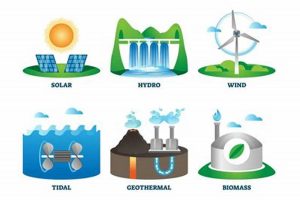
Sustainable power generation methods encompass both recently developed technologies and those utilizing naturally replenished resources. Examples include solar photovoltaic and concentrated solar power, wind power (onshore and offshore), geothermal energy, hydropower, bioenergy, and ocean energy (tidal, wave, and ocean thermal energy conversion). These diverse approaches harness naturally occurring phenomena to produce electricity, heat, or transportation fuels.
Clean energy sources offer significant advantages, including reduced greenhouse gas emissions and decreased reliance on finite fossil fuels. This shift toward sustainability mitigates the effects of climate change and enhances energy security by diversifying supply. Historically, reliance on traditional fuels presented environmental and geopolitical challenges. The ongoing development and implementation of sustainable power options represent a crucial step toward a more secure and environmentally responsible energy future.
Further exploration will delve into specific clean energy technologies, their current applications, ongoing research and development efforts, and the associated economic and societal impacts.
Tips for Supporting Sustainable Energy
Promoting the growth and adoption of sustainable energy requires a multifaceted approach. The following tips offer practical guidance for individuals, communities, and organizations seeking to contribute to a cleaner energy future.
Tip 1: Invest in Energy-Efficient Appliances and Technologies: Upgrading to energy-efficient appliances and lighting can significantly reduce electricity consumption. Look for products with high Energy Star ratings.
Tip 2: Support Renewable Energy Initiatives: Advocate for policies that incentivize the development and deployment of renewable energy technologies. This could include supporting community solar projects or advocating for renewable portfolio standards.
Tip 3: Reduce Energy Consumption: Simple actions such as turning off lights when leaving a room, unplugging electronics not in use, and using programmable thermostats can collectively make a substantial difference.
Tip 4: Explore Rooftop Solar Installations: If feasible, consider installing solar panels on residential or commercial rooftops. This can generate clean electricity and potentially reduce energy costs.
Tip 5: Choose Sustainable Transportation Options: Opt for walking, cycling, public transportation, or electric vehicles whenever possible to reduce reliance on fossil fuel-powered vehicles.
Tip 6: Educate and Engage Others: Share information about the benefits of sustainable energy with family, friends, and colleagues. Encourage participation in local initiatives and advocacy efforts.
Tip 7: Invest in Renewable Energy Companies: Consider investing in companies focused on developing and deploying renewable energy technologies. This can provide financial support for the sector’s growth.
By adopting these practices, individuals and communities can contribute to a more sustainable energy future, reducing environmental impact and fostering greater energy independence.
These collective actions pave the way for a more sustainable energy landscape and contribute to a healthier planet.
1. Sustainable Sources

Sustainable sources form the foundation of new and renewable energy systems, offering a critical alternative to finite fossil fuels. Exploring these sources is essential to understanding the transition towards a more sustainable energy landscape.
- Solar Energy
Photovoltaic (PV) panels and concentrated solar power (CSP) systems harness sunlight to generate electricity. PV panels directly convert light into electricity, while CSP systems use mirrors to focus sunlight, heating a fluid to generate steam that drives turbines. Large-scale solar farms and rooftop installations contribute significantly to clean energy generation, reducing reliance on traditional power plants.
- Wind Energy
Wind turbines capture kinetic energy from wind and convert it into electricity. Onshore wind farms utilize large turbines in areas with consistent wind patterns, while offshore wind farms capitalize on stronger and more consistent winds over water. Wind energy offers a scalable and efficient clean energy solution.
- Hydropower
Harnessing the energy of flowing water, hydropower plants utilize dams and turbines to generate electricity. While a mature technology, hydropower faces ongoing scrutiny regarding its environmental impact on river ecosystems and surrounding communities. Sustainable hydropower development focuses on minimizing these impacts through careful planning and mitigation strategies.
- Geothermal Energy
Geothermal power plants tap into heat from the Earth’s interior to generate electricity. This reliable energy source is available 24/7, regardless of weather conditions. Geothermal resources vary geographically, with some regions possessing greater potential for exploitation. Enhanced geothermal systems (EGS) offer the possibility of expanding geothermal energy’s reach to areas with previously inaccessible resources.
These diverse sustainable sources represent crucial components of a future powered by clean energy. Their ongoing development and integration into the energy grid are pivotal for mitigating climate change and ensuring long-term energy security. Further research and innovation within these areas promise to unlock even greater potential for sustainable power generation.
2. Technological Innovation
Technological innovation plays a crucial role in the advancement and widespread adoption of sustainable energy solutions. Developments in materials science, manufacturing processes, and grid integration technologies directly impact the efficiency, cost-effectiveness, and reliability of renewable energy systems. For instance, advancements in photovoltaic cell technology have led to increased energy conversion efficiency and reduced manufacturing costs, making solar power a more competitive energy source. Similarly, improvements in wind turbine design and blade materials have allowed for larger and more efficient turbines, capturing greater amounts of wind energy. These innovations drive progress and reduce reliance on conventional energy sources.
Furthermore, innovation extends beyond individual technologies to encompass system-level improvements. Smart grids, advanced energy storage solutions, and predictive analytics are essential for integrating variable renewable energy sources into existing power grids. Smart grids optimize energy distribution, minimizing transmission losses and improving grid stability. Advanced energy storage technologies, such as batteries and pumped hydro storage, address the intermittency of renewable sources, ensuring a consistent power supply. Predictive analytics, powered by machine learning algorithms, forecast energy demand and renewable energy generation, enabling more efficient grid management and reducing reliance on fossil fuel-based backup power.
Continued technological innovation is paramount for achieving a sustainable energy future. Overcoming challenges such as material scarcity, improving energy storage capacity, and developing cost-effective grid integration solutions will be crucial for widespread deployment of renewable energy. Investing in research and development, fostering collaboration between industry and academia, and implementing supportive policies that incentivize innovation are essential steps towards realizing the full potential of sustainable energy and mitigating the impacts of climate change.
3. Environmental Benefits
Sustainable energy technologies offer substantial environmental advantages compared to conventional fossil fuel-based power generation. The most significant benefit is the reduction of greenhouse gas emissions. Fossil fuel combustion releases large quantities of carbon dioxide, a primary driver of climate change. Sustainable sources, such as solar and wind power, produce electricity without these harmful emissions, mitigating the impacts of climate change and contributing to a cleaner atmosphere. Furthermore, reduced reliance on fossil fuels diminishes air pollution associated with combustion byproducts, such as sulfur dioxide and nitrogen oxides, which contribute to respiratory problems and acid rain. A transition to sustainable energy thus offers significant improvements in air quality, benefiting public health and ecosystems.
Beyond air quality improvements, sustainable energy development positively impacts water resources. Unlike conventional power plants, many sustainable technologies require minimal water for operation, reducing pressure on water supplies, particularly in water-stressed regions. This contrast is particularly stark with thermoelectric power plants, which require substantial amounts of water for cooling. Additionally, sustainable energy lessens the risk of water contamination associated with fossil fuel extraction and transportation, such as oil spills and coal ash disposal. The shift to sustainable energy sources contributes to a more sustainable water management approach, safeguarding this critical resource.
The environmental benefits of sustainable energy are essential for mitigating climate change, improving air and water quality, and preserving ecosystems. Transitioning towards sustainable energy systems requires concerted efforts across sectors, including policy support, technological advancements, and public awareness. Understanding the profound environmental advantages associated with these technologies reinforces the importance of continued investment and development in the sustainable energy sector. This transition is crucial for building a more resilient and environmentally sound future.
4. Economic Opportunities

Sustainable energy technologies represent significant economic opportunities, driving job creation, fostering new industries, and stimulating economic growth. The development, manufacturing, installation, and maintenance of renewable energy systems require a skilled workforce, leading to employment opportunities in various sectors, from manufacturing and construction to engineering and research. For example, the growth of the solar industry has created hundreds of thousands of jobs in manufacturing, installation, and maintenance, while the wind energy sector provides employment opportunities in turbine manufacturing, project development, and operations. These emerging industries offer promising career paths and contribute to local and national economies.
Furthermore, investments in renewable energy infrastructure stimulate economic activity and drive innovation. Large-scale renewable energy projects often involve significant capital investment, creating demand for goods and services within the supply chain. This investment generates economic activity in related industries, such as construction, transportation, and materials manufacturing. Moreover, the transition to renewable energy fosters innovation in areas such as energy storage, smart grid technologies, and energy efficiency, attracting investment in research and development and creating new business opportunities. For instance, the development of advanced battery storage technologies is creating a new industry focused on manufacturing, installation, and management of these systems, further contributing to economic growth and diversification.
The economic opportunities associated with sustainable energy extend beyond job creation and investment. Reduced reliance on imported fossil fuels improves energy security and reduces vulnerability to price volatility. This stability translates into greater economic predictability for businesses and consumers, fostering long-term economic growth. Moreover, sustainable energy development can revitalize communities by creating local jobs, generating tax revenue, and reducing energy costs. The transition to a sustainable energy economy presents a significant opportunity for economic diversification, job creation, and sustainable development, contributing to a more resilient and prosperous future.
5. Energy Security
Energy security is intrinsically linked to the development and adoption of sustainable energy sources. Traditional reliance on finite fossil fuels, often imported from politically volatile regions, creates vulnerabilities in energy supply. Price fluctuations, geopolitical tensions, and supply disruptions can significantly impact national economies and energy access. Diversifying energy sources through the integration of sustainable alternatives enhances energy independence and reduces reliance on these potentially unstable sources. Domestically sourced renewable energy, such as solar, wind, and geothermal, reduces reliance on imported fuels, bolstering national energy security. For example, Denmark’s significant investment in wind power has substantially reduced its dependence on imported fossil fuels, enhancing its energy independence and resilience to external market shocks. Similarly, countries with abundant solar resources, such as Morocco, are leveraging solar energy to decrease reliance on imported fuels and strengthen domestic energy production.
Furthermore, decentralized renewable energy generation enhances the resilience of energy infrastructure. Unlike centralized power plants reliant on extensive transmission networks, distributed generation from rooftop solar panels or community wind farms reduces vulnerability to large-scale outages. This decentralized approach strengthens grid stability and ensures greater energy access during emergencies or disruptions to the central grid. Microgrids, powered by renewable energy and coupled with energy storage solutions, can operate independently of the main grid, providing critical power to essential services during natural disasters or other emergencies. This enhanced resilience is a critical component of energy security, particularly in the face of increasing climate change-related extreme weather events.
In conclusion, the transition to sustainable energy technologies is paramount for achieving robust energy security. Diversification of energy sources, reduced reliance on imported fuels, and enhanced grid resilience are crucial benefits associated with renewable energy adoption. Countries investing in sustainable energy infrastructure are not only mitigating climate change but also strengthening their energy independence and economic stability. Addressing the challenges associated with integrating renewable energy into existing grids, such as intermittency and storage, requires ongoing innovation and investment. However, the long-term benefits of enhanced energy security, coupled with environmental advantages, make the transition to sustainable energy a strategic imperative for nations striving for a secure and sustainable energy future.
6. Grid Modernization

Grid modernization is essential for the effective integration and utilization of new and renewable energy sources. Traditional power grids, designed for centralized fossil fuel-based generation, often lack the flexibility and intelligence required to manage the intermittent and distributed nature of renewable energy. Modernizing the grid involves upgrading infrastructure and implementing advanced technologies to accommodate the unique characteristics of these cleaner power sources. This includes enhancing grid flexibility through technologies like advanced power electronics, improving grid stability with robust control systems, and increasing grid capacity to accommodate the influx of renewable energy. For instance, Germany’s Energiewende, a policy transition towards renewable energy, necessitates significant grid modernization to integrate large amounts of solar and wind power, highlighting the interconnectedness of grid infrastructure and renewable energy deployment.
Furthermore, grid modernization facilitates the two-way flow of electricity, accommodating distributed generation from rooftop solar panels and enabling demand-side management. Smart grids, a key component of modernization efforts, utilize digital technologies to monitor and control energy flow in real-time, optimizing grid operations and minimizing transmission losses. Advanced metering infrastructure (AMI) provides consumers with real-time information about their energy consumption, enabling them to manage their energy use more effectively. Demand response programs, enabled by smart grids, incentivize consumers to reduce energy consumption during peak demand periods, further enhancing grid stability and reducing reliance on fossil fuel-based peaking power plants. Practical applications of these technologies include the implementation of time-of-use pricing, where electricity prices vary based on demand, and the use of smart appliances that automatically adjust their energy consumption based on grid conditions. These advancements contribute to a more efficient and resilient energy system, maximizing the benefits of renewable energy integration.
In conclusion, grid modernization is not merely a supporting element but a critical enabler of the transition to new and renewable energy. Investing in grid infrastructure upgrades, implementing smart grid technologies, and promoting demand-side management are essential for effectively integrating variable renewable energy sources and realizing a sustainable energy future. Addressing the challenges associated with grid modernization, such as cybersecurity concerns and interoperability issues, requires ongoing research and collaboration between industry stakeholders, policymakers, and researchers. Successfully navigating these challenges will unlock the full potential of renewable energy and pave the way for a cleaner, more resilient, and sustainable energy system.
7. Policy and Regulation

Policy and regulation are integral to the successful development and deployment of sustainable energy technologies. Supportive policies and regulations create a stable and predictable market environment, incentivizing investment in renewable energy projects, fostering innovation, and accelerating the transition to a cleaner energy system. These mechanisms can take various forms, including feed-in tariffs, renewable portfolio standards (RPS), tax incentives, carbon pricing mechanisms, and emissions trading schemes. For example, Germany’s feed-in tariff system, introduced in the early 2000s, played a pivotal role in the rapid growth of the country’s renewable energy sector by guaranteeing fixed prices for renewable energy generation. Similarly, California’s RPS, requiring electricity providers to source a specific percentage of their electricity from renewable sources, has driven significant investment in solar and wind power within the state. These policy instruments demonstrate the crucial role of government intervention in shaping the renewable energy landscape.
Effective policies and regulations address various aspects of renewable energy development, including grid integration, permitting processes, and consumer protection. Streamlined permitting procedures for renewable energy projects can accelerate deployment timelines, while grid integration policies ensure that renewable energy sources can be seamlessly connected to the electricity grid. Furthermore, consumer protection regulations ensure fair pricing and access to renewable energy options, fostering public trust and encouraging wider adoption. For instance, net metering policies allow consumers with rooftop solar panels to sell excess electricity back to the grid, creating a financial incentive for renewable energy adoption. These examples highlight the practical significance of well-designed policies in driving the transition towards a sustainable energy future. Challenges, such as regulatory uncertainty and policy inconsistencies, can hinder investment and impede the growth of the renewable energy sector, underscoring the need for stable and long-term policy frameworks.
In conclusion, robust and forward-looking policies and regulations are essential catalysts for the widespread adoption of new and renewable energy technologies. By creating a favorable market environment, incentivizing investment, addressing grid integration challenges, and protecting consumers, effective policies accelerate the transition to a sustainable energy future. International cooperation and policy harmonization are crucial for addressing global climate change challenges and promoting the widespread deployment of renewable energy solutions. Ongoing evaluation and adaptation of policies are essential to ensure they remain effective in a rapidly evolving technological and economic landscape. Ultimately, well-designed policies and regulations are not merely instruments of government intervention but crucial drivers of innovation, investment, and the transformative change required to achieve a sustainable energy future.
Frequently Asked Questions
Addressing common inquiries regarding sustainable energy promotes informed decision-making and clarifies potential misconceptions. The following questions and answers provide further insight into this important topic.
Question 1: What distinguishes “new” energy from “renewable” energy?
While often used interchangeably, distinctions exist. “Renewable” energy sources naturally replenish over relatively short periods. “New” energy typically refers to recently developed sustainable technologies, even if the underlying source isn’t strictly renewable, such as hydrogen fuel cells or advanced nuclear fission. Often, these “new” technologies also harness renewable resources.
Question 2: How do fluctuating weather conditions affect renewable energy reliability?
Intermittency, the fluctuating nature of resources like solar and wind, presents a valid concern. Grid management strategies, including energy storage solutions (batteries, pumped hydro), grid interconnections, and demand-side management, address this challenge. Ongoing technological advancements continually improve the reliability and predictability of these energy sources.
Question 3: Are sustainable energy technologies cost-competitive with traditional fossil fuels?
The cost of renewable energy technologies has decreased significantly in recent years, making them competitive with, and in some cases, cheaper than fossil fuels in many regions. Government incentives and subsidies further enhance cost competitiveness. Consideration of long-term costs, including environmental externalities associated with fossil fuels, strengthens the economic argument for sustainable power.
Question 4: What environmental impacts are associated with manufacturing renewable energy technologies?
While generally considered environmentally beneficial, the manufacturing processes for sustainable energy technologies can have environmental impacts. Life-cycle assessments evaluate these impacts, considering raw material extraction, manufacturing, transportation, operation, and end-of-life disposal. Continuous efforts focus on minimizing these impacts through improved manufacturing processes, material recycling, and sustainable sourcing.
Question 5: How can individuals contribute to the transition towards sustainable energy?
Individuals can play a crucial role through various actions: reducing energy consumption, investing in energy-efficient appliances, supporting policies that promote renewable energy, exploring rooftop solar installations, and choosing sustainable transportation options. Collective action significantly impacts the overall transition.
Question 6: What is the role of government policy in promoting renewable energy adoption?
Government policies play a vital role in creating a supportive market environment for renewable energy. These policies include financial incentives (tax credits, subsidies), renewable portfolio standards, carbon pricing mechanisms, and streamlined permitting processes. Supportive policies stimulate investment, drive innovation, and accelerate the transition to a sustainable energy future.
Understanding the nuances of sustainable power empowers informed choices. Continued exploration of these topics facilitates a greater comprehension of the transition to a cleaner energy future.
The subsequent section delves into case studies of successful renewable energy integration worldwide, offering practical examples and lessons learned.
New and Renewable Energy
Exploration of new and renewable energy technologies reveals a multifaceted landscape of innovative solutions addressing critical global challenges. From harnessing the power of the sun and wind to tapping into the Earth’s geothermal resources, these diverse technologies offer viable pathways to reduce reliance on finite fossil fuels and mitigate the impacts of climate change. Examination of technological advancements, environmental benefits, economic opportunities, and the essential roles of grid modernization and supportive policy frameworks underscores the transformative potential of these energy sources. Addressing intermittency concerns through innovative storage solutions and smart grid technologies further strengthens the reliability and viability of new and renewable energy integration.
The transition to a sustainable energy future requires a concerted global effort. Continued investment in research and development, coupled with supportive policies and public awareness, is crucial for unlocking the full potential of new and renewable energy. Embracing these transformative technologies is not merely a technological endeavor; it represents a fundamental shift towards a more sustainable, secure, and prosperous future for all. The journey towards widespread adoption presents both challenges and opportunities, demanding collaborative action and unwavering commitment to building a cleaner, more resilient energy landscape for generations to come.