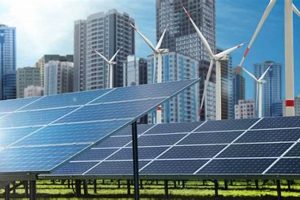
Southeast Asia’s diverse geography offers significant potential for clean power generation from sources such as solar, wind, hydro, geothermal, and biomass. Harnessing these resources is vital for the region’s energy security, sustainable development, and economic growth. For instance, countries with abundant sunlight can leverage photovoltaic systems, while those with strong river flows can utilize hydropower. This shift towards cleaner alternatives also reduces reliance on fossil fuels, mitigating environmental damage and promoting a greener future.
The transition to sustainable power sources in this region offers several advantages. It bolsters energy independence, reducing vulnerability to volatile global fuel prices and supply disruptions. Furthermore, it creates new economic opportunities, driving innovation and job creation in the green energy sector. Historically, the region’s energy mix has been heavily reliant on conventional fossil fuels. However, growing awareness of climate change and the economic benefits of clean energy have prompted governments and private sectors to invest heavily in sustainable alternatives. This shift marks a critical juncture in the region’s energy landscape, paving the way for a more sustainable and prosperous future.
This article will delve into the specific clean energy resources available within Southeast Asia, examining their potential, current utilization, and future prospects. It will also analyze the policies and initiatives promoting sustainable power development and the challenges hindering wider adoption. Finally, it will explore the regional cooperation and international partnerships fostering a collective transition towards a cleaner energy future for Southeast Asia.
Tips for Supporting Sustainable Power Development in Southeast Asia
Promoting wider adoption of clean energy sources requires a multi-faceted approach involving governments, businesses, and individuals. The following tips outline practical steps that can accelerate the transition to a more sustainable energy future in the region.
Tip 1: Support Policy Initiatives: Advocate for policies that incentivize clean energy investments, streamline permitting processes, and establish clear renewable energy targets. Examples include feed-in tariffs, tax incentives, and renewable portfolio standards.
Tip 2: Invest in Clean Energy Projects: Consider investing in renewable energy companies or projects. This can include direct investments in solar or wind farms or indirect investments through green bonds or mutual funds.
Tip 3: Promote Energy Efficiency: Reducing energy consumption through efficiency measures lowers overall demand and supports the transition to clean energy. Examples include adopting energy-efficient appliances, improving building insulation, and optimizing industrial processes.
Tip 4: Embrace Sustainable Transportation: Transitioning to electric vehicles, utilizing public transportation, and promoting cycling and walking reduce reliance on fossil fuels in the transportation sector, a significant source of greenhouse gas emissions.
Tip 5: Educate and Raise Awareness: Increase public understanding of the benefits of clean energy through educational campaigns, community workshops, and online resources. Greater awareness can drive public support for policy changes and individual actions.
Tip 6: Foster Regional Cooperation: Encourage cross-border collaboration on clean energy projects, knowledge sharing, and technology transfer. Regional cooperation can accelerate the pace of development and address shared challenges.
Tip 7: Support Research and Development: Continued investment in research and development is crucial for driving innovation and reducing the cost of clean energy technologies. This includes exploring new energy storage solutions and improving the efficiency of existing technologies.
By implementing these tips, stakeholders can contribute to a more sustainable energy future for Southeast Asia. The transition to clean energy offers significant economic, environmental, and social benefits, paving the way for a more prosperous and resilient region.
These collective efforts, coupled with ongoing technological advancements, promise a brighter and more sustainable energy future for Southeast Asia.
1. Solar Power

Solar power represents a cornerstone of the renewable energy transition in Southeast Asia. The region’s abundant sunlight provides a significant opportunity to leverage photovoltaic (PV) technology for electricity generation, reducing reliance on fossil fuels and mitigating greenhouse gas emissions. Exploring the various facets of solar power reveals its potential to reshape the energy landscape and contribute to sustainable development.
- Decentralized Generation:
Solar PV systems can be deployed at various scales, from rooftop installations on residential buildings to large-scale solar farms. This decentralized generation model enhances energy access in remote areas, reduces transmission losses, and strengthens grid resilience. Examples include off-grid solar solutions powering rural communities and large-scale solar farms contributing to national grids. This distributed generation approach is particularly relevant in Southeast Asia, given the dispersed populations and varying levels of grid infrastructure across the region.
- Economic Opportunities:
The solar industry offers substantial economic benefits, creating jobs in manufacturing, installation, maintenance, and research. Growth in the solar sector stimulates local economies and contributes to a global shift towards sustainable industries. For example, several Southeast Asian countries have become manufacturing hubs for solar panels, attracting foreign investment and boosting local employment.
- Technological Advancements:
Continuous innovation in PV technology drives down costs and improves efficiency, making solar power increasingly competitive with conventional energy sources. Advancements in energy storage solutions, such as batteries, further enhance the reliability and integration of solar power into the grid. The falling costs of solar technology are making it a more accessible and viable option for countries in the region.
- Environmental Benefits:
Solar power generation produces no greenhouse gas emissions during operation, significantly reducing the environmental impact compared to fossil fuel-based electricity generation. This contributes to cleaner air and water, mitigating the adverse effects of climate change. The shift to solar power aligns with the region’s commitment to sustainable development goals and reducing its carbon footprint.
These facets highlight the crucial role of solar power in the broader context of ASEAN’s renewable energy transition. By harnessing the region’s abundant solar resources, Southeast Asian nations can achieve greater energy independence, stimulate economic growth, and mitigate the environmental challenges posed by climate change. Continued investment in solar technology, supportive policies, and regional collaboration will be essential for realizing the full potential of solar power in Southeast Asia and ensuring a sustainable energy future.
2. Wind Energy

Wind energy presents a growing opportunity within the broader context of ASEAN renewable energy development. Coastal regions and mountainous areas within Southeast Asia offer promising sites for wind farms, capable of harnessing consistent winds to generate clean electricity. The connection between wind energy and the overall renewable energy goals of the region lies in its potential to diversify the energy mix, reduce reliance on fossil fuel imports, and contribute to a lower carbon footprint. For example, Vietnam has witnessed significant growth in its wind energy capacity, with several large-scale wind farms contributing to the national grid. This growth demonstrates the practical viability of wind power in the region and its potential to contribute meaningfully to national renewable energy targets. Furthermore, the development of offshore wind farms presents an additional avenue for harnessing wind resources, particularly in countries with extensive coastlines.
The integration of wind energy into ASEAN’s power systems requires careful planning and consideration of grid infrastructure, transmission capacity, and energy storage solutions. Intermittency, a characteristic of wind power, necessitates strategies to manage fluctuations in energy supply. This can involve combining wind power with other renewable sources, such as solar, or implementing advanced energy storage technologies. Furthermore, regional cooperation plays a vital role in facilitating cross-border electricity trade and optimizing the utilization of wind resources across the ASEAN region. The development of regional power grids can enhance energy security and facilitate the integration of larger amounts of variable renewable energy sources like wind. Investing in advanced weather forecasting systems is also crucial for predicting wind patterns and optimizing the operation of wind farms.
Wind energy offers a valuable pathway for ASEAN nations to achieve their sustainable development goals and transition towards a cleaner energy future. While challenges remain in terms of grid integration and managing intermittency, ongoing technological advancements and supportive policies are driving the growth of wind power across the region. Successfully harnessing wind energy will require continued investment in infrastructure, regional cooperation, and policy frameworks that incentivize private sector participation. By addressing these challenges, Southeast Asia can unlock the full potential of wind energy and contribute to a more sustainable and secure energy future.
3. Hydropower
Hydropower represents a significant component of the renewable energy landscape in Southeast Asia. The region’s abundant river systems and mountainous terrain offer substantial potential for harnessing water resources to generate electricity. Developing hydropower sustainably is crucial for meeting growing energy demands while minimizing environmental and social impacts. This requires careful planning, consideration of ecological factors, and engagement with local communities.
- Large-Scale Hydropower:
Large hydropower projects, such as dams, can provide substantial electricity generation capacity, contributing significantly to national grids. However, these projects can have significant environmental and social consequences, including displacement of communities, habitat loss, and alteration of river ecosystems. The Mekong River Basin, for example, presents both opportunities and challenges for large-scale hydropower development, requiring careful consideration of transboundary water management and environmental sustainability.
- Small-Scale Hydropower:
Small-scale hydropower projects, such as run-of-river plants, offer a more localized and potentially less environmentally disruptive approach to harnessing water resources. These projects can provide electricity to remote communities, reducing reliance on diesel generators and promoting rural electrification. Numerous small-scale hydropower projects are operational throughout the region, demonstrating their viability in addressing localized energy needs.
- Pumped Storage Hydropower:
Pumped storage hydropower acts as a large-scale energy storage solution, playing a crucial role in balancing intermittent renewable energy sources like solar and wind. By pumping water uphill during periods of excess electricity generation and releasing it downhill during peak demand, pumped storage hydropower enhances grid stability and reliability. As the share of variable renewable energy increases in the region, pumped storage hydropower becomes increasingly important for ensuring a stable and secure electricity supply.
- Transboundary Water Management:
Several major rivers in Southeast Asia flow through multiple countries, requiring cooperative frameworks for managing water resources and hydropower development. The Mekong River Commission, for example, plays a crucial role in fostering dialogue and cooperation among riparian countries to ensure sustainable and equitable water resource management, including hydropower development. Effective transboundary water management is essential for maximizing the benefits of hydropower while minimizing potential conflicts and ensuring environmental sustainability.
Hydropower offers a substantial contribution to ASEAN’s renewable energy goals, yet its development must be approached strategically. Balancing the benefits of electricity generation with the potential environmental and social impacts requires careful planning, transparent decision-making, and ongoing monitoring. By integrating sustainable hydropower development practices, ASEAN nations can leverage their water resources to enhance energy security, promote economic development, and contribute to a cleaner energy future.
4. Geothermal Energy

Geothermal energy represents a significant, albeit underutilized, component of ASEAN’s renewable energy potential. The region’s location along the Ring of Fire provides access to substantial geothermal resources, particularly in Indonesia, the Philippines, and other volcanically active areas. Harnessing this geothermal potential offers a baseload renewable energy source, meaning it can provide continuous power generation unlike intermittent sources like solar and wind. This characteristic makes geothermal energy a valuable asset for grid stability and energy security. For instance, the Philippines has successfully integrated geothermal power into its national grid, demonstrating its viability as a reliable and sustainable energy source. Indonesia, with the world’s largest geothermal potential, is also actively developing its geothermal resources, signifying the growing recognition of this clean energy source within the region. This understanding of geothermal energy’s role is crucial for diversifying the energy mix and reducing reliance on fossil fuels.
Developing geothermal energy resources requires significant upfront investment in exploration and drilling. However, once operational, geothermal plants offer stable and predictable electricity generation with minimal operating costs. The environmental impact of geothermal power is generally lower than conventional fossil fuel-based power plants, although careful management of geothermal fluids and potential land subsidence is necessary. The development of enhanced geothermal systems (EGS) expands the potential reach of geothermal energy beyond traditionally accessible areas, further increasing its contribution to the region’s renewable energy portfolio. Examples of geothermal projects throughout Southeast Asia demonstrate its practical application and contribute to regional knowledge sharing and technological advancements. This knowledge exchange fosters capacity building and accelerates the development of best practices for sustainable geothermal energy utilization.
Geothermal energy offers a unique opportunity for ASEAN nations to tap into a clean, reliable, and locally available energy source. While initial investment costs can be significant, the long-term benefits of stable baseload power generation, reduced reliance on fossil fuel imports, and lower greenhouse gas emissions make geothermal energy a compelling component of the region’s sustainable energy future. Overcoming the financial and technical barriers associated with geothermal development requires supportive policies, international partnerships, and continued investment in research and development. Integrating geothermal energy strategically into the broader ASEAN renewable energy framework is crucial for enhancing energy security, driving sustainable development, and mitigating the impacts of climate change. This approach contributes to a more resilient and diversified energy landscape in the region.
5. Biomass Utilization

Biomass utilization represents a multifaceted component within the ASEAN renewable energy landscape. The region’s abundant agricultural residues, forestry byproducts, and organic waste streams offer substantial potential for sustainable energy generation. Developing biomass energy contributes to waste reduction, rural development, and diversification of the energy mix, reducing reliance on fossil fuels and promoting a circular economy. This approach aligns with broader regional goals of sustainable development and greenhouse gas emission reduction. However, sustainable biomass utilization requires careful consideration of environmental and social impacts, ensuring responsible sourcing and efficient conversion technologies.
- Bioenergy Generation:
Biomass can be converted into various forms of bioenergy, including biogas, biofuels, and biopower. Biogas, produced through anaerobic digestion of organic matter, provides a clean cooking fuel and can be used for electricity generation. Biofuels, derived from crops or agricultural residues, offer a renewable alternative to fossil fuels in the transportation sector. Biopower, generated through the combustion of biomass, contributes to grid-connected electricity generation. These diverse bioenergy applications offer localized solutions for clean energy access, particularly in rural areas.
- Waste Management and Resource Recovery:
Biomass utilization offers a sustainable solution for managing agricultural residues and organic waste. Instead of open burning or landfilling, which contribute to air and water pollution, biomass can be converted into valuable energy resources. This approach reduces environmental impacts, recovers valuable resources, and promotes a circular economy. For example, converting rice husks into bioenergy reduces agricultural waste and provides a clean energy source.
- Rural Development and Economic Opportunities:
Biomass energy projects can create employment opportunities in rural communities, stimulating local economies and enhancing energy access. Developing biomass supply chains, establishing bioenergy processing facilities, and distributing biofuels and biogas create jobs and generate income for local communities. This localized approach to renewable energy development fosters economic growth and improves living standards in rural areas. Examples include community-based biogas projects empowering rural communities and creating income-generating opportunities.
- Sustainable Feedstock Sourcing:
Ensuring the sustainable sourcing of biomass feedstock is crucial for minimizing environmental and social impacts. Avoiding deforestation, promoting sustainable agricultural practices, and prioritizing the utilization of waste streams over dedicated energy crops are essential for responsible biomass utilization. Certification schemes and sustainable supply chain management practices can help ensure the environmental and social integrity of biomass energy projects. This commitment to sustainability is essential for maximizing the benefits of biomass energy while minimizing potential negative consequences.
Integrating biomass utilization strategically into the broader ASEAN renewable energy framework requires supportive policies, technological advancements, and community engagement. By addressing the challenges associated with sustainable feedstock sourcing and efficient conversion technologies, ASEAN nations can leverage biomass resources to enhance energy security, promote rural development, and contribute to a more sustainable and circular economy. Biomass energy, when developed responsibly, offers a valuable pathway towards a diversified and resilient energy future for the region, complementing other renewable energy sources and contributing to broader sustainable development goals. Its successful integration hinges on continued innovation, regional cooperation, and a commitment to environmental and social safeguards.
Frequently Asked Questions about Renewable Energy in Southeast Asia
This section addresses common inquiries regarding the development and utilization of renewable energy resources within the ASEAN region.
Question 1: What are the primary barriers to wider adoption of renewable energy in Southeast Asia?
Several factors hinder broader implementation. These include high upfront investment costs, limited access to financing, regulatory uncertainties, grid integration challenges, and a lack of public awareness regarding the benefits of renewable energy. Addressing these challenges requires a multi-faceted approach involving policy reforms, financial incentives, technological advancements, and capacity building.
Question 2: How can governments incentivize greater investment in renewable energy projects?
Governments can implement various policy mechanisms to attract investment. These include feed-in tariffs, tax incentives, renewable portfolio standards, streamlined permitting processes, and the establishment of clear renewable energy targets. Creating a stable and predictable regulatory environment is crucial for attracting private sector investment.
Question 3: What role does regional cooperation play in advancing renewable energy development in ASEAN?
Regional cooperation is essential for sharing best practices, facilitating cross-border electricity trade, and developing regional power grids. Collaborative efforts can accelerate the pace of renewable energy development and address shared challenges related to technology transfer, financing, and capacity building.
Question 4: How can renewable energy contribute to energy security in Southeast Asia?
Diversifying the energy mix through renewable sources reduces reliance on imported fossil fuels, enhancing energy independence and mitigating vulnerabilities to volatile global fuel prices and supply disruptions. Renewable energy sources provide a domestically available and sustainable alternative, strengthening energy security.
Question 5: What are the environmental and social benefits of transitioning to renewable energy in the region?
Transitioning to renewable energy reduces greenhouse gas emissions, mitigating the adverse effects of climate change. It also improves air and water quality, contributing to public health benefits. Furthermore, renewable energy projects can create job opportunities and stimulate economic growth, particularly in rural areas.
Question 6: What is the potential for renewable energy to address energy access challenges in remote areas of Southeast Asia?
Decentralized renewable energy solutions, such as off-grid solar and mini-hydropower systems, offer a viable option for providing electricity to remote communities lacking access to centralized grids. These solutions can enhance energy access, improve living standards, and promote sustainable development in underserved areas.
Transitioning to renewable energy requires a sustained and collaborative effort. By addressing the challenges and implementing effective policies, Southeast Asia can unlock the full potential of its vast renewable resources, paving the way for a more sustainable, secure, and prosperous future.
The following section will explore specific case studies of successful renewable energy projects in the ASEAN region, highlighting best practices and lessons learned.
Conclusion
This exploration of sustainable power development in Southeast Asia has highlighted the diverse opportunities and challenges inherent in the region’s energy transition. From the abundant solar resources to the significant potential of wind, hydropower, geothermal, and biomass, the region possesses a wealth of clean energy options. Successfully harnessing these resources requires a multi-faceted approach encompassing strategic policy frameworks, technological advancements, robust investment, and strong regional cooperation. Overcoming existing barriers, such as grid integration challenges and financing limitations, is crucial for unlocking the full potential of ASEAN renewable energy and achieving a sustainable energy future.
The transition toward sustainable power sources represents not merely an energy shift, but a fundamental step towards a more resilient, prosperous, and environmentally sound future for Southeast Asia. The choices made today will determine the region’s energy security, economic competitiveness, and environmental sustainability for generations to come. Continued commitment to innovation, collaboration, and sustainable development principles will be essential for navigating the complexities of this transition and securing a cleaner, more prosperous future powered by renewable energy.