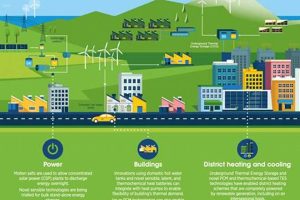
Technologies harnessing renewable resources like solar, wind, hydro, geothermal, and biomass power contribute significantly to global energy production. These technologies encompass a diverse range of devices and systems, from photovoltaic panels converting sunlight into electricity to wind turbines capturing kinetic energy from wind. For example, geothermal power plants utilize heat from the Earth’s core to generate electricity, while hydroelectric dams harness the potential energy of water stored at height.
Clean energy sources offer crucial advantages over traditional fossil fuels, mitigating greenhouse gas emissions and promoting environmental sustainability. Historically, reliance on fossil fuels has resulted in significant environmental challenges, including air and water pollution. The shift towards renewable energy technologies marks a critical step towards a cleaner energy future, reducing reliance on finite resources and contributing to global energy security.
This discussion will explore the diverse categories of renewable energy technologies, their respective advantages and disadvantages, current advancements, and the potential for future innovation and integration within existing energy infrastructure.
Tips for Utilizing Renewable Energy Technologies
Effective implementation of renewable energy systems requires careful consideration of various factors, including geographical location, resource availability, and specific energy demands. The following tips offer guidance for maximizing the benefits of these technologies.
Tip 1: Conduct a Thorough Site Assessment: Evaluating the local environment is crucial. Solar power requires ample sunlight, while wind power necessitates consistent wind speeds. Hydropower depends on suitable water resources, and geothermal relies on geological conditions.
Tip 2: Optimize System Design: Properly sizing and configuring systems ensures optimal energy generation. For example, solar panel placement and angle significantly influence energy capture.
Tip 3: Integrate Energy Storage Solutions: Renewable energy sources can be intermittent. Integrating energy storage systems, like batteries, allows for continuous power supply even when the primary source is unavailable.
Tip 4: Explore Hybrid Systems: Combining different renewable energy technologies can enhance reliability and efficiency. A hybrid system might integrate solar and wind power, complementing each other based on weather conditions.
Tip 5: Consider Grid Integration: Connecting to the existing power grid offers advantages, including access to backup power and the ability to sell excess generated electricity.
Tip 6: Prioritize Maintenance and Monitoring: Regular maintenance ensures optimal performance and longevity. Monitoring system output allows for early detection of potential issues and performance optimization.
Tip 7: Stay Informed about Policy and Incentives: Government policies and financial incentives can significantly impact the economic viability of renewable energy projects. Staying abreast of current regulations and available programs is essential.
By carefully considering these factors and employing a strategic approach, individuals and communities can effectively harness the power of renewable energy sources, contributing to a sustainable energy future.
In conclusion, transitioning to renewable energy necessitates a comprehensive understanding of available technologies and their optimal application. The preceding information offers valuable guidance for navigating this transition and realizing the full potential of clean energy solutions.
1. Solar Panels

Solar panels represent a key instrument within the broader context of renewable energy technologies. They serve as a primary means of converting sunlight directly into electricity, offering a clean and sustainable alternative to traditional fossil fuel-based power generation. Understanding their function and various facets is crucial for appreciating their role in the global energy transition.
- Photovoltaic Effect
The fundamental principle behind solar panel operation is the photovoltaic effect. This phenomenon involves the conversion of light energy into electrical energy within certain materials, primarily silicon. When photons from sunlight strike the silicon layers within a solar panel, they dislodge electrons, creating an electrical current. This direct conversion process forms the basis of solar energy generation.
- Panel Composition and Types
Solar panels consist of multiple photovoltaic cells interconnected and encapsulated within a protective layer. Various types of solar panels exist, including monocrystalline, polycrystalline, and thin-film panels. These variations differ in their silicon structure, manufacturing process, efficiency, and cost. Monocrystalline panels, made from single-crystal silicon, offer higher efficiency but come at a premium cost. Polycrystalline panels, composed of multiple silicon crystals, are more cost-effective but slightly less efficient. Thin-film panels, using a thin layer of photovoltaic material deposited on a substrate, are lightweight and flexible but generally less efficient than crystalline silicon panels. The choice of panel type depends on specific project requirements and budget constraints.
- System Integration and Applications
Solar panels can be integrated into various systems, ranging from small-scale residential installations to large-scale solar farms. Residential systems typically involve rooftop installations connected to the home’s electrical system, providing on-site power generation. Larger-scale solar farms, often located in areas with high solar irradiance, generate significant amounts of electricity that can be fed into the power grid. Solar panels are also increasingly used in off-grid applications, powering remote locations and providing electricity access in areas without grid infrastructure.
- Environmental and Economic Impact
Solar panels offer substantial environmental benefits by reducing reliance on fossil fuels and minimizing greenhouse gas emissions. While the manufacturing process does have some environmental footprint, the lifecycle emissions of solar panels are significantly lower than those of fossil fuel-based power generation. Economically, solar energy contributes to job creation in the manufacturing, installation, and maintenance sectors. Furthermore, the decreasing cost of solar panels makes them an increasingly competitive energy source, contributing to long-term energy cost reductions for consumers and businesses.
The advancements in solar panel technology and their widespread adoption demonstrate their significance as a crucial instrument in the global pursuit of renewable energy. As research and development continue, further improvements in efficiency, cost-effectiveness, and integration capabilities are expected, solidifying the role of solar panels as a cornerstone of sustainable energy production.
2. Wind Turbines

Wind turbines represent a crucial instrument within the renewable energy landscape, converting the kinetic energy of wind into electrical power. This process relies on aerodynamic principles, where the rotating blades of a turbine, similar to airplane wings, generate lift and rotational force when exposed to wind. This rotational force drives a generator connected to the turbine, producing electricity. Wind turbines vary significantly in size and capacity, ranging from small-scale turbines for residential use to large-scale utility-grade turbines deployed in wind farms. The placement of wind turbines requires careful consideration of wind resource availability, typically in areas with consistently high wind speeds, such as coastal regions, open plains, and mountainous terrain. Examples include offshore wind farms in the North Sea and onshore wind farms in the Great Plains of North America, demonstrating the practical application of this technology for large-scale energy generation. Understanding the connection between wind turbines and broader renewable energy goals is crucial for developing effective strategies toward sustainable energy production.
The contribution of wind turbines to renewable energy objectives is substantial. They offer a clean energy source, reducing reliance on fossil fuels and mitigating greenhouse gas emissions associated with conventional power generation. Wind energy offers several advantages, including its widespread availability and relatively low environmental impact. However, challenges remain, such as the intermittency of wind resources and potential impacts on wildlife and landscapes. Addressing these challenges through technological advancements, such as improved turbine design and energy storage solutions, is vital for maximizing the potential of wind energy. Furthermore, careful site selection and environmental impact assessments are crucial for minimizing potential negative consequences associated with wind turbine deployment. The ongoing development and refinement of wind turbine technology represent a significant component of the global transition towards sustainable energy systems.
In summary, wind turbines play a pivotal role as instruments of renewable energy. Their ability to convert a naturally occurring, renewable resource into electricity offers significant environmental and economic benefits. Continued innovation and strategic implementation are key to overcoming challenges and maximizing the contribution of wind energy to the global energy mix. The development and deployment of wind turbines represent a tangible step towards a future powered by sustainable energy sources.
3. Hydroelectric Dams
Hydroelectric dams represent a significant category within the broader field of renewable energy instruments. By harnessing the potential energy of water stored at elevation, these structures facilitate electricity generation through the controlled release of water, driving turbines connected to generators. This process represents a mature and widely implemented technology, contributing substantially to global renewable energy production. Exploring the multifaceted nature of hydroelectric dams is essential for understanding their role, impact, and potential within the broader context of sustainable energy systems.
- Dam Structure and Function
Hydroelectric dams consist of large barriers constructed across rivers or other waterways to create reservoirs. These reservoirs store vast amounts of water, effectively creating potential energy based on the water’s elevation. The controlled release of water through penstocks, specialized pipes within the dam structure, directs the water flow towards turbines located at the base of the dam. The force of the flowing water spins the turbine blades, which in turn drive generators to produce electricity. The scale and design of dams vary considerably, depending on factors such as the size of the waterway, the desired electricity generation capacity, and the surrounding topography. Examples include the Three Gorges Dam in China, known for its massive scale, and the Hoover Dam in the United States, showcasing engineering ingenuity within a challenging environment.
- Power Generation and Grid Integration
Hydroelectric dams provide a consistent and reliable source of electricity generation, particularly compared to intermittent renewable sources like solar and wind power. This reliability stems from the ability to control the water flow and thus regulate electricity output to meet demand fluctuations. Generated electricity is then transmitted through power lines and integrated into the existing electrical grid, supplying power to homes, businesses, and industries. The capacity of hydroelectric dams to provide baseload power, a constant supply of electricity, contributes significantly to grid stability and energy security.
- Environmental and Social Considerations
The construction and operation of hydroelectric dams entail significant environmental and social considerations. Reservoir creation inundates large areas, impacting ecosystems, displacing communities, and altering river flow patterns. Furthermore, dams can affect fish migration and aquatic biodiversity. Mitigating these impacts requires careful planning, environmental impact assessments, and measures to minimize disruption to natural systems. Balancing the benefits of clean energy generation with potential ecological and social consequences is crucial for responsible hydroelectric development.
- Future Trends and Innovations
The future of hydroelectric dam technology involves innovations aimed at enhancing sustainability and mitigating environmental impact. Research focuses on improving turbine efficiency, optimizing water management strategies, and developing fish-friendly turbine designs. Furthermore, pumped hydro storage, where water is pumped back into the reservoir during periods of low energy demand and released during peak demand, offers a valuable energy storage solution, enhancing the flexibility and reliability of hydroelectric systems. These advancements are essential for ensuring the long-term viability and sustainability of hydroelectric power as a key component of the global renewable energy portfolio.
Hydroelectric dams, as instruments of renewable energy, offer a complex interplay of benefits and challenges. While providing a reliable and substantial source of clean energy, their development and operation necessitate careful consideration of environmental and social impacts. Ongoing research and innovation are crucial for optimizing the design and operation of hydroelectric dams, ensuring their continued contribution to sustainable energy production while minimizing negative consequences. Balancing these factors will determine the role of hydroelectric power in the future global energy landscape.
4. Geothermal Plants
Geothermal plants represent a distinct category within the portfolio of renewable energy instruments, harnessing the Earth’s internal heat for power generation. Unlike solar or wind power, geothermal energy relies on a consistently available resource, providing a stable and reliable energy source. Exploring the operational principles, technological components, and environmental implications of geothermal plants provides essential insights into their contribution to the global transition towards sustainable energy systems.
- Harnessing Earth’s Heat
Geothermal plants tap into reservoirs of hot water and steam located beneath the Earth’s surface. This heat originates from the Earth’s core and is stored in permeable rock formations. Geothermal wells, drilled deep into the ground, access these reservoirs, extracting the hot water or steam. The extracted fluid, depending on its temperature and pressure, can be used directly to drive turbines for electricity generation or to heat buildings and industrial processes. Different geothermal resource characteristics necessitate specific plant designs and technologies. For example, high-temperature resources, such as those found in Iceland and parts of the western United States, are suitable for electricity generation, while lower-temperature resources are often utilized for direct heating applications.
- Plant Types and Technologies
Several types of geothermal power plants exist, each designed to optimize energy extraction based on the specific characteristics of the geothermal resource. Dry steam plants utilize steam directly from the reservoir to drive turbines. Flash steam plants utilize high-pressure hot water, which flashes into steam upon reaching the surface, to power the turbines. Binary cycle plants employ a secondary fluid with a lower boiling point, heated by the geothermal fluid, to drive the turbines. This approach allows for electricity generation from lower-temperature resources. The selection of the appropriate plant type depends on factors such as resource temperature, depth, and fluid composition.
- Environmental Impact and Sustainability
Geothermal energy offers significant environmental advantages over fossil fuel-based power generation. It produces minimal greenhouse gas emissions and reduces reliance on finite resources. However, certain environmental considerations warrant attention. Geothermal fluids can contain dissolved minerals and gases, which require proper management to minimize potential impacts on water and air quality. Furthermore, land use and potential seismic activity associated with geothermal development require careful assessment and mitigation strategies. Sustainable geothermal practices emphasize responsible resource management, minimizing environmental impact, and ensuring long-term viability.
- Global Distribution and Potential
Geothermal resources exist worldwide, with varying levels of accessibility and development potential. Regions with high tectonic activity, such as volcanic areas and plate boundaries, often possess significant geothermal resources. While some countries, like Iceland and the Philippines, have already extensively developed their geothermal potential, many other regions are still in the early stages of exploration and development. Expanding geothermal energy utilization requires continued investment in research, technological advancements, and policy support to unlock the full potential of this renewable energy source.
Geothermal plants, as integral instruments of renewable energy, offer a valuable pathway towards a sustainable energy future. Their ability to provide a consistent and reliable energy supply from a readily available resource presents significant advantages. Addressing environmental considerations through responsible development practices and continued technological innovation are essential for maximizing the contribution of geothermal energy to the global energy mix. The ongoing exploration and development of geothermal resources represent a crucial step towards diversifying renewable energy sources and achieving global climate goals.
5. Biomass Systems

Biomass systems represent a crucial component within the broader framework of renewable energy instruments. These systems utilize organic matter, derived from plants, agricultural residues, and other biological sources, as fuel for energy production. This connection between biomass and renewable energy stems from the continuous cycle of plant growth and decomposition, offering a sustainable alternative to fossil fuels. Burning biomass releases energy stored through photosynthesis, a process driven by solar energy. This inherent link to solar energy positions biomass as a renewable resource capable of providing heat, electricity, and biofuels.
Several technologies facilitate the conversion of biomass into usable energy. Direct combustion involves burning biomass to generate heat, commonly used for residential heating and industrial processes. Anaerobic digestion utilizes microorganisms to break down biomass in the absence of oxygen, producing biogas, a mixture primarily composed of methane and carbon dioxide. Biogas can be used for electricity generation or as a transportation fuel. Gasification converts biomass into a synthesis gas, or syngas, through partial combustion. Syngas can be further processed to produce various fuels and chemicals. Examples include biomass power plants using agricultural residues for electricity generation and biogas digesters converting animal manure into renewable natural gas for vehicle fuel. These examples showcase the diverse applications of biomass energy across various sectors.
The practical significance of understanding biomass systems lies in their potential to contribute significantly to sustainable energy goals. Biomass offers a versatile renewable resource that can be utilized for various energy applications, reducing reliance on fossil fuels and mitigating greenhouse gas emissions. However, sustainable biomass management requires careful consideration of resource availability, land use change, and potential impacts on food security. Balancing the benefits of biomass energy with potential environmental and social consequences is crucial for ensuring the long-term viability of this renewable energy instrument. Further research and development focusing on efficient conversion technologies and sustainable biomass sourcing practices are essential for maximizing the contribution of biomass systems to a diversified renewable energy portfolio.
6. Wave Energy Converters

Wave energy converters (WECs) function as instruments of renewable energy by capturing the kinetic energy of ocean waves and transforming it into electricity. This process relies on various technological approaches, each designed to interact with the wave’s motion and drive electromechanical or hydraulic systems. Examples include oscillating water columns, which trap air displaced by wave motion to drive turbines, and point absorbers, which utilize buoys that oscillate with the waves to generate hydraulic pressure. The inherent variability of wave energy necessitates specialized design considerations, focusing on robust materials and mechanisms capable of withstanding harsh marine environments. The placement of WECs requires strategic assessment of wave resource potential, often focusing on coastal regions exposed to consistent wave activity. Examples include deployments along the coastlines of Portugal and Scotland, where pilot projects demonstrate the practical application of wave energy technology.
The importance of WECs within the broader renewable energy landscape stems from the vast and largely untapped potential of ocean waves. Harnessing this energy source offers a pathway toward reduced reliance on fossil fuels and decreased greenhouse gas emissions. WECs contribute to a diversified renewable energy portfolio, complementing other intermittent sources like solar and wind power. While wave energy presents significant opportunities, technological challenges remain, including optimizing energy conversion efficiency, ensuring long-term durability in demanding marine conditions, and minimizing potential environmental impacts. Ongoing research and development efforts focus on improving WEC designs, developing advanced control systems, and integrating wave energy into existing power grids. Practical applications range from powering remote island communities to supplementing larger-scale grid-connected power generation.
In summary, wave energy converters represent a promising frontier in renewable energy technology. Their ability to harness the abundant kinetic energy of ocean waves offers significant potential for contributing to a sustainable energy future. Continued technological advancements, coupled with strategic deployment and environmental considerations, are crucial for realizing the full potential of wave energy as a viable and impactful instrument within the global renewable energy mix. The ongoing development and implementation of WECs represent a tangible step toward diversifying energy sources and achieving long-term sustainability goals.
7. Tidal Barrages

Tidal barrages represent a specialized category within the broader context of renewable energy instruments, harnessing the predictable rise and fall of tides to generate electricity. These structures, typically constructed across estuaries or bays, create a difference in water level between the impounded basin and the open sea. As tides change, water flows through turbines embedded within the barrage, driving generators and producing electricity. This process relies on the gravitational forces exerted by the moon and sun, creating a predictable and consistent energy source compared to other intermittent renewables like solar and wind. Examples such as the Rance Tidal Power Station in France and the Sihwa Lake Tidal Power Station in South Korea demonstrate the practical application of tidal barrage technology for large-scale power generation. Understanding the relationship between tidal barrages and the broader field of renewable energy instruments requires considering the specific characteristics of tidal energy, its conversion process, and the associated environmental and socioeconomic factors.
The importance of tidal barrages as a component of renewable energy instruments stems from their ability to provide a predictable and reliable source of electricity. Unlike solar and wind power, tidal energy is not subject to weather-dependent fluctuations, offering a more consistent power output. This predictability simplifies grid integration and contributes to overall energy security. However, the construction of tidal barrages presents significant engineering challenges and potential environmental impacts. The large-scale alteration of coastal ecosystems, including changes to water flow, salinity, and sediment transport, requires careful assessment and mitigation strategies. Furthermore, the economic viability of tidal barrage projects depends on factors such as tidal range, construction costs, and potential impacts on local communities. Addressing these challenges through advanced engineering designs, environmental impact assessments, and community engagement is crucial for maximizing the benefits and minimizing the negative consequences of tidal barrage projects.
In conclusion, tidal barrages offer a distinct approach to harnessing renewable energy from the predictable forces of tides. While providing a reliable energy source, their implementation requires careful consideration of environmental and socioeconomic factors. The ongoing development and refinement of tidal barrage technology, coupled with responsible planning and community engagement, are essential for maximizing the contribution of tidal energy to the global renewable energy portfolio. Balancing the benefits of clean energy generation with potential environmental impacts remains a crucial aspect of integrating tidal barrages into sustainable energy strategies. The continued exploration and implementation of tidal energy represent a significant step towards diversifying energy sources and achieving long-term sustainability goals.
Frequently Asked Questions about Renewable Energy Technologies
This section addresses common inquiries regarding the technologies employed in harnessing renewable energy sources.
Question 1: What is the lifespan of typical renewable energy equipment?
Lifespans vary depending on the specific technology. Solar panels typically last 25-30 years, wind turbines 20-25 years, and hydroelectric dams can operate for 50-100 years or more with proper maintenance. Geothermal plants have an operational lifespan of several decades, while biomass systems depend heavily on the specific technology employed.
Question 2: How do land use requirements compare among different renewable energy technologies?
Land use requirements differ significantly. Solar and wind farms often require larger land areas compared to geothermal or hydroelectric plants, which have a more concentrated footprint. Biomass systems’ land requirements depend on the type of biomass feedstock used and its cultivation methods.
Question 3: What are the primary environmental impacts associated with each renewable energy technology?
Each technology presents unique environmental considerations. Solar and wind can have impacts on wildlife and landscapes. Hydroelectric dams can alter river ecosystems and displace communities. Geothermal plants can potentially release greenhouse gases and require careful management of geothermal fluids. Biomass systems may contribute to deforestation or compete with food crops if not managed sustainably.
Question 4: What are the upfront costs associated with implementing different renewable energy technologies?
Initial investment costs vary. Solar and wind installations have seen significant cost reductions in recent years, making them increasingly competitive with conventional energy sources. Hydroelectric and geothermal projects often involve higher upfront capital costs but can offer long-term cost savings due to lower operating expenses. Biomass systems’ costs depend on the scale and complexity of the technology used.
Question 5: How reliable are different renewable energy technologies for providing a consistent energy supply?
Reliability differs among technologies. Solar and wind are intermittent, requiring energy storage solutions or grid integration for consistent power supply. Hydroelectric and geothermal offer greater reliability due to their inherent resource availability. Biomass systems can provide continuous power as long as a steady supply of feedstock is maintained.
Question 6: What is the role of government policies and incentives in promoting the adoption of renewable energy technologies?
Government policies and incentives play a crucial role in accelerating the transition to renewable energy. Feed-in tariffs, tax credits, and renewable portfolio standards can create favorable market conditions, encouraging investment in renewable energy projects and fostering innovation in the sector. Supportive policies are essential for achieving widespread adoption of renewable energy technologies and realizing their full potential for reducing greenhouse gas emissions and enhancing energy security.
Understanding the nuances of each renewable energy technology is crucial for informed decision-making. Careful consideration of resource availability, environmental impacts, economic factors, and policy landscape is essential for effective implementation and maximizing the benefits of these technologies.
For further exploration, the subsequent section delves into the economic aspects of transitioning to renewable energy, considering both the costs and benefits associated with this paradigm shift.
Conclusion
Exploration of renewable energy instruments reveals a diverse range of technologies harnessing the power of natural resources. From solar panels converting sunlight into electricity to tidal barrages capturing the energy of ocean tides, these instruments offer viable pathways toward a sustainable energy future. Examination of their operational principles, benefits, challenges, and environmental considerations underscores the complexity and potential of each technology. The transition toward widespread renewable energy adoption requires not only technological advancements but also careful consideration of resource management, environmental impact, and socioeconomic factors.
The future of energy relies on continued innovation, strategic deployment, and responsible integration of renewable energy instruments. Addressing the challenges associated with intermittency, storage, and grid integration is crucial for realizing the full potential of these technologies. The transition represents a significant undertaking, demanding collaborative efforts across sectors, from research and development to policy and implementation. Ultimately, the successful integration of renewable energy instruments is essential not only for mitigating climate change but also for ensuring long-term energy security and a sustainable future for generations to come.