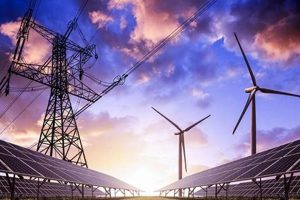
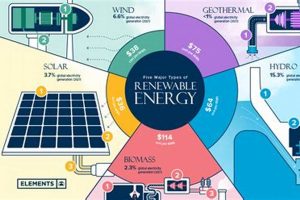
Renewable energy sources like solar and wind power offer substantial environmental advantages, reducing reliance on fossil fuels and mitigating climate change. However, their energy generation fluctuates depending on weather conditions, creating a challenge known as intermittent power generation. This variability necessitates strategies to ensure grid stability and a reliable energy supply. Exploring the economic and societal benefits of these resources requires a careful assessment of this inherent variability alongside their considerable potential.
The increasing global demand for clean energy has propelled significant advancements in renewable energy technologies and grid management systems. Historically, reliance on conventional power plants offered predictable energy output. The shift towards renewable sources requires innovative solutions for energy storage, smart grids, and diversified energy portfolios to address fluctuations in supply and ensure consistent power delivery. Understanding these challenges and developing effective solutions is crucial for maximizing the potential of renewables and creating a sustainable energy future.
This exploration will further delve into the technical aspects of managing intermittent renewable energy, the economic implications of integrating these resources into existing infrastructure, and the policy landscape that shapes the transition towards a cleaner energy mix.
Tips for Integrating Variable Renewable Energy Sources
Successfully integrating renewable energy sources requires careful consideration of their intermittent nature. The following tips offer guidance for maximizing the benefits of these resources while maintaining grid stability and reliability.
Tip 1: Diversify Renewable Energy Sources: Relying on a mix of solar, wind, hydro, and other renewables reduces the impact of intermittency. Geographic diversity within a single energy source can also smooth out fluctuations.
Tip 2: Invest in Energy Storage Solutions: Technologies like pumped hydro, batteries, and thermal storage can store excess energy generated during peak production and release it when generation is low.
Tip 3: Implement Smart Grid Technologies: Advanced grid management systems can predict fluctuations in renewable energy generation and adjust energy distribution accordingly, optimizing grid performance.
Tip 4: Strengthen Interconnections: Connecting different regions through a robust transmission network allows for sharing of renewable energy resources, balancing supply and demand across a larger geographic area.
Tip 5: Forecast Renewable Energy Generation: Accurate forecasting of wind and solar power output enables grid operators to anticipate fluctuations and implement appropriate measures to maintain grid stability.
Tip 6: Demand-Side Management: Implementing strategies to shift energy consumption patterns, such as time-of-use pricing, can help align demand with renewable energy availability.
Tip 7: Support Research and Development: Continued investment in research and development of new technologies for renewable energy generation, storage, and grid management is essential for long-term sustainability.
By implementing these strategies, stakeholders can effectively address the challenges of intermittency and unlock the full potential of renewable energy sources, paving the way for a cleaner and more sustainable energy future.
These strategies provide a framework for effectively integrating renewable energy while maintaining grid stability and reliability. The following section will explore the broader economic and societal implications of this energy transition.
1. Supply Fluctuations

Supply fluctuations represent a core challenge in harnessing the full potential of renewable energy. The intermittent nature of sources like solar and wind power, dependent on weather patterns, leads to inherent variability in energy generation. This variability creates a complex interplay between energy supply and demand, impacting grid stability and requiring innovative solutions for reliable power delivery. For example, a cloud passing over a solar farm can cause a sudden drop in energy output, while a period of calm winds can similarly reduce energy generated from wind turbines. Understanding these fluctuations is crucial for developing effective strategies to manage the integration of renewable energy into existing power grids.
Managing supply fluctuations requires a multi-pronged approach. Energy storage solutions, such as batteries and pumped hydro, play a critical role in smoothing out these variations. Smart grid technologies, including advanced forecasting and demand-side management, can further optimize energy distribution and minimize the impact of intermittent generation. Diversifying renewable energy sources, combining solar, wind, and other renewables, can also help mitigate the effects of supply fluctuations by leveraging the varying generation patterns of different technologies. Grid interconnections, enabling the sharing of energy resources across wider geographic areas, provide another mechanism for balancing supply and demand in the face of localized fluctuations.
Addressing supply fluctuations is paramount for maximizing the value of renewable energy. Reliable power delivery is essential for supporting economic activity and meeting societal needs. By mitigating the impact of intermittency through a combination of technological solutions and policy frameworks, the transition to a cleaner energy future can be achieved while ensuring grid stability and energy security. This requires ongoing research and development, as well as strategic investments in infrastructure and grid modernization, to unlock the full potential of renewable energy and create a sustainable energy system.
2. Grid Stability

Grid stability is paramount for reliable energy delivery and represents a significant challenge in the context of integrating intermittent renewable energy sources. Maintaining a consistent balance between energy supply and demand is crucial for preventing blackouts and ensuring the seamless operation of electrical systems. The fluctuating nature of renewable sources like solar and wind necessitates sophisticated strategies and technologies to ensure grid stability is not compromised.
- Frequency Regulation
Frequency regulation refers to the continuous adjustment of power generation to match real-time fluctuations in energy demand and maintain a stable grid frequency. Traditional power plants offer a relatively predictable and controllable energy output, facilitating frequency regulation. However, the intermittent nature of renewable energy sources introduces variability, making precise frequency regulation more complex. Advanced grid management systems and energy storage solutions are essential for compensating for these fluctuations and maintaining grid stability.
- Voltage Control
Maintaining consistent voltage levels across the electricity grid is crucial for the safe and efficient operation of electrical equipment. Intermittent renewable energy sources can introduce voltage fluctuations, especially at the local level where they are connected to the grid. This necessitates sophisticated voltage control mechanisms, including reactive power compensation and advanced power electronics, to mitigate these fluctuations and ensure grid stability. For example, smart inverters can be deployed to regulate voltage and improve the grid integration of distributed renewable energy resources.
- Inertia and System Strength
Grid inertia, provided primarily by rotating generators in traditional power plants, plays a crucial role in maintaining grid stability following disturbances. Renewable energy sources, particularly solar photovoltaics, do not inherently contribute to grid inertia. This reduction in inertia can make the grid more susceptible to frequency deviations and instability. Solutions such as synthetic inertia, provided by grid-forming inverters and energy storage systems, can help compensate for the loss of traditional inertia and enhance grid resilience.
- Grid Management and Forecasting
Effective grid management and accurate forecasting of renewable energy generation are essential for mitigating the impact of intermittency on grid stability. Advanced forecasting models can predict fluctuations in solar and wind power output, enabling grid operators to proactively adjust power generation from other sources and deploy energy storage resources as needed. Real-time monitoring and control systems further enhance grid stability by enabling rapid responses to unforeseen events and variations in renewable energy generation.
These facets of grid stability highlight the complex interplay between the intermittent nature of renewable energy and the reliable operation of the power system. Addressing these challenges requires a combination of technological advancements, sophisticated grid management strategies, and supportive policy frameworks. By investing in energy storage, smart grid technologies, and grid modernization efforts, the value of renewable energy can be fully realized while ensuring a stable and secure energy supply for the future.
3. Storage Solutions

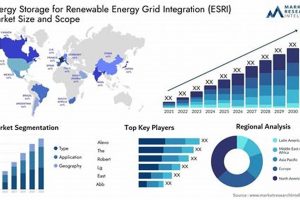
Storage solutions play a crucial role in addressing the inherent intermittency of renewable energy sources and maximizing their value. Renewable energy generation, particularly from solar and wind power, fluctuates depending on weather conditions. This variability poses a challenge to grid stability and reliability. Storage technologies provide a mechanism to capture excess energy generated during periods of high renewable output and release it during periods of low generation or peak demand. This buffering effect smooths out the intermittency of renewables, enhancing their integration into the energy system and increasing their overall value.
Various storage technologies exist, each with its own characteristics and applications. Pumped hydro storage, a mature technology, utilizes reservoirs at different elevations to store potential energy. Excess renewable energy pumps water uphill, and electricity is generated by releasing the water downhill through turbines. Battery storage, rapidly evolving and becoming increasingly cost-competitive, offers flexibility and scalability for grid-scale and distributed applications. Other technologies, such as compressed air energy storage, thermal storage, and flywheel storage, offer alternative approaches to storing and releasing energy, each suited to specific contexts and requirements. For instance, in regions with abundant solar resources but limited grid capacity, battery storage can enable greater utilization of solar energy by storing excess generation during the day and supplying it to the grid during peak evening hours. Similarly, pumped hydro storage can provide large-scale energy storage to balance the intermittency of wind power in regions with suitable geographical features. Choosing appropriate storage technologies depends on factors such as storage capacity, discharge duration, response time, cost, and environmental impact.
Effective integration of storage solutions is essential for realizing the full potential of renewable energy. Storage addresses the intermittency challenge, enhancing grid reliability, facilitating higher penetrations of renewable energy, and reducing reliance on fossil fuel-based power plants. Furthermore, storage can provide ancillary grid services, such as frequency regulation and voltage support, further enhancing grid stability. Continued advancements in storage technologies, coupled with declining costs and supportive policies, are driving increased deployment of storage solutions worldwide, accelerating the transition towards a cleaner and more sustainable energy future. The ongoing development and integration of advanced storage technologies are crucial for maximizing the value of renewable energy and achieving a secure and decarbonized energy system.
4. Economic Impacts

The economic impacts of integrating intermittent renewable energy sources are multifaceted and far-reaching, presenting both challenges and opportunities. Successfully navigating this energy transition requires careful consideration of the costs associated with new infrastructure, grid modernization, and storage solutions, alongside the economic benefits of job creation, reduced reliance on fossil fuels, and the emergence of new industries. Analyzing these economic impacts is crucial for developing effective policies and strategies that maximize the value of renewable energy while ensuring a stable and prosperous energy future.
- Job Creation
The renewable energy sector is a significant driver of job growth, creating employment opportunities across various stages of the value chain, from manufacturing and installation to operation and maintenance. For example, the growth of the solar industry has led to a substantial increase in jobs related to panel manufacturing, installation, and grid integration. Similarly, the wind energy sector provides employment in turbine manufacturing, project development, and maintenance. These jobs are often located in rural communities, contributing to regional economic development and diversification.
- Investment in Infrastructure
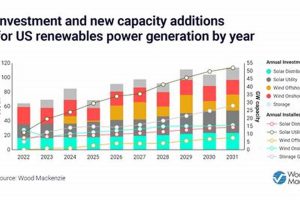
Integrating intermittent renewable energy requires significant investments in new infrastructure, including transmission lines, grid modernization efforts, and energy storage facilities. Upgrading transmission networks is necessary to transport renewable energy from remote generation sites to population centers. Modernizing the grid with smart grid technologies enables more efficient management of intermittent resources and enhances grid stability. Investing in energy storage solutions, such as batteries and pumped hydro, addresses the intermittency challenge and ensures reliable power delivery. While these investments require significant capital expenditure, they create economic activity and stimulate growth in related industries.
- Reduced Reliance on Fossil Fuels
Transitioning to renewable energy reduces dependence on fossil fuels, mitigating price volatility and enhancing energy security. Fluctuations in global fossil fuel markets can have significant economic impacts, affecting energy prices and potentially disrupting economic activity. Renewable energy sources, once installed, have relatively stable operating costs, providing greater price predictability and reducing vulnerability to global energy market fluctuations. This price stability can benefit consumers and businesses, fostering economic stability and growth.
- New Industries and Innovation
The transition to renewable energy fosters innovation and the development of new industries related to renewable energy technologies, energy storage solutions, and smart grid systems. For example, the growth of the battery storage industry is driven by the need to address the intermittency of renewable energy, creating new opportunities for research, development, and manufacturing. Similarly, the development of smart grid technologies is essential for managing the integration of intermittent resources, driving innovation in areas such as grid optimization and demand-side management. These new industries contribute to economic diversification and create opportunities for technological advancement.
The economic impacts of intermittent renewable energy integration are complex and dynamic, involving both costs and benefits. While significant investments are required for infrastructure development and grid modernization, the long-term economic benefits include job creation, reduced reliance on volatile fossil fuels, and the emergence of new industries and innovation. By carefully considering these economic factors and implementing supportive policies, the transition to a renewable energy future can be achieved while fostering economic growth, stability, and sustainability. The shift toward renewable energy represents not only an environmental imperative but also a significant opportunity for economic transformation.
5. Environmental Benefits

A primary driver for renewable energy adoption stems from significant environmental benefits, offering a pathway toward mitigating climate change and reducing reliance on environmentally damaging fossil fuels. While intermittency poses integration challenges, the inherent environmental advantages of renewable sources remain substantial. Reduced greenhouse gas emissions represent a crucial benefit, lessening the impact on air quality and contributing to global efforts in combating climate change. For example, replacing coal-fired power plants with solar or wind farms significantly decreases carbon dioxide emissions, a key contributor to global warming. Furthermore, renewable energy sources minimize dependence on finite fossil fuel reserves, promoting energy independence and reducing the environmental risks associated with fossil fuel extraction and transportation, such as oil spills or habitat destruction. The life-cycle environmental impact of renewable energy technologies, including manufacturing and disposal, is generally lower than that of conventional fossil fuel-based power generation.
Quantifying these environmental benefits is complex, requiring comprehensive life-cycle assessments that consider all stages of energy production, from resource extraction to decommissioning. While renewable energy technologies require raw materials and manufacturing processes with associated environmental impacts, these are often significantly less than the ongoing emissions and environmental damage caused by burning fossil fuels. For instance, while wind turbine manufacturing requires energy and materials, the operational phase produces no greenhouse gas emissions, offering a substantial net environmental benefit over fossil fuel alternatives. Moreover, advancements in renewable energy technologies and manufacturing processes continuously strive to minimize environmental impacts further. Evaluating the environmental benefits also requires considering land use and potential impacts on ecosystems. Careful planning and siting of renewable energy projects are essential for minimizing environmental disruption and maximizing positive outcomes.
The environmental benefits of renewable energy, despite the challenges posed by intermittency, represent a cornerstone of the transition towards a sustainable energy future. Reduced greenhouse gas emissions, decreased reliance on finite fossil fuels, and minimized environmental impacts throughout the energy life cycle contribute significantly to mitigating climate change and protecting ecosystems. Addressing intermittency through technological advancements and grid management strategies enhances the value of renewable energy, enabling a cleaner and more sustainable energy system. Continued research, development, and deployment of renewable energy technologies are crucial for maximizing these environmental benefits and achieving a resilient and environmentally responsible energy future.
6. Energy Independence

Energy independence, often a national strategic objective, represents a complex interplay with the increasing adoption of intermittent renewable energy sources. While renewable energy offers the potential to reduce reliance on foreign energy sources, the intermittent nature of these resources necessitates careful planning and strategic implementation to achieve true energy independence. Over-reliance on a single intermittent renewable source could create new vulnerabilities. Diversification of renewable energy sources, coupled with robust energy storage solutions and grid modernization, strengthens energy security by mitigating intermittency-related challenges. For example, a nation heavily reliant on imported natural gas could enhance energy independence by developing a diversified portfolio of wind, solar, and hydro power, coupled with battery storage to ensure a reliable domestic energy supply. Smart grid technologies and demand-side management further enhance energy independence by optimizing energy consumption and reducing reliance on external energy sources.
The pursuit of energy independence through renewable energy requires a strategic approach that considers resource availability, technological advancements, and geopolitical factors. Nations with abundant solar resources may prioritize solar energy development, while those with strong wind resources may focus on wind power. Developing domestic manufacturing capabilities for renewable energy technologies and storage solutions further enhances energy independence by reducing reliance on imported components and expertise. International collaboration and knowledge sharing can accelerate the development and deployment of renewable energy technologies, contributing to global energy security. Investing in research and development of next-generation renewable energy technologies and storage solutions is crucial for achieving long-term energy independence and mitigating the risks associated with intermittency. For instance, advancements in grid-scale battery storage technologies can enhance the reliability and resilience of renewable energy-based power systems, reducing the need for backup power from conventional sources.
Achieving energy independence through intermittent renewable energy requires a comprehensive approach that addresses both the opportunities and challenges presented by these resources. Diversification, storage solutions, grid modernization, and strategic planning are crucial components of this transition. By strategically integrating intermittent renewable sources into the energy mix, nations can enhance energy security, reduce reliance on foreign energy sources, and foster a more sustainable and resilient energy future. The pursuit of energy independence through renewable energy represents a complex but essential step towards a more secure and sustainable global energy landscape.
Frequently Asked Questions
This section addresses common inquiries regarding the integration and value of intermittent renewable energy sources, providing concise and informative responses.
Question 1: How does the intermittent nature of renewable energy affect grid reliability?
Intermittency introduces variability in power generation, requiring robust grid management strategies, energy storage solutions, and diversified renewable portfolios to maintain grid stability and ensure a reliable energy supply.
Question 2: What are the primary storage solutions for managing intermittent renewable energy?
Key storage technologies include pumped hydro, batteries, compressed air energy storage, and thermal storage, each offering specific advantages and suited to particular applications depending on scale and duration requirements.
Question 3: How do fluctuating energy prices associated with intermittent renewables impact consumers?
While intermittency can influence spot market prices, long-term power purchase agreements and effective integration strategies can mitigate price volatility, offering consumers stable and predictable energy costs. Furthermore, the increasing affordability of renewable energy technologies and storage solutions contributes to long-term price reductions.
Question 4: What role does government policy play in supporting the integration of intermittent renewables?
Supportive policies, such as renewable portfolio standards, tax incentives, and feed-in tariffs, encourage investment in renewable energy projects, grid modernization efforts, and energy storage solutions, fostering a regulatory environment conducive to integrating intermittent resources effectively.
Question 5: How does the environmental impact of manufacturing renewable energy technologies compare to the impact of fossil fuel-based power generation?
While renewable energy technologies require resource extraction and manufacturing processes, their life-cycle environmental impact, including greenhouse gas emissions and land use, is generally significantly lower than that of fossil fuel-based power generation.
Question 6: Can intermittent renewable energy sources truly contribute to national energy independence?
By diversifying renewable energy portfolios, investing in energy storage solutions, and modernizing grid infrastructure, nations can reduce reliance on foreign energy sources, enhance energy security, and achieve greater energy independence through intermittent renewables.
Successfully addressing the challenges of intermittency is essential for unlocking the full potential of renewable energy and achieving a sustainable and secure energy future.
Further exploration will delve into specific case studies and real-world examples of successfully integrating intermittent renewable energy sources.
Conclusion
This exploration has examined the complex relationship between the intermittent nature of renewable energy and its inherent value. The challenges posed by fluctuating energy generation from sources like solar and wind power necessitate innovative solutions for grid management, energy storage, and diversified energy portfolios. Balancing supply and demand, ensuring grid stability, and mitigating the economic impacts of intermittency are crucial for maximizing the benefits of renewable energy. The analysis has highlighted the substantial environmental advantages of reduced greenhouse gas emissions and decreased reliance on finite fossil fuels, contributing significantly to global efforts in combating climate change. Moreover, the potential for enhanced energy independence through strategically integrating renewable resources has been underscored. Technological advancements, policy frameworks, and ongoing research and development play critical roles in addressing the challenges and unlocking the full potential of intermittent renewable energy sources.
The transition to a sustainable energy future requires a comprehensive understanding of the complexities surrounding intermittent renewable energy. Continued investment in research, development, and deployment of innovative technologies, coupled with supportive policies and strategic planning, is essential for effectively integrating these resources into the energy mix. Embracing the challenges and opportunities presented by intermittency is crucial for realizing the transformative potential of renewable energy and forging a path towards a cleaner, more secure, and sustainable energy landscape for generations to come. The future of energy hinges on effectively harnessing the power of these resources while strategically managing their inherent variability.