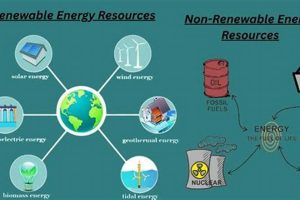
Solar energy originates from the sun, a celestial body that continuously emits vast quantities of electromagnetic radiation. This radiant energy can be harnessed through various technologies, including photovoltaic cells and concentrated solar power systems, to generate electricity or heat. Unlike finite resources extracted from the Earth, this energy source is replenished constantly by natural processes.
The continuous availability of solar radiation makes it a significant component of sustainable energy strategies. Its utilization reduces dependence on fossil fuels, mitigating greenhouse gas emissions and contributing to a cleaner environment. Historically, solar energy applications were limited by technological constraints and high costs; however, advancements in materials science and manufacturing have led to increased efficiency and affordability, fostering widespread adoption.
The subsequent discussion will delve into the renewable nature of solar power, comparing it with finite energy reserves and exploring its role in a future powered by sustainable resources. It will also address the practical limitations and ongoing research aimed at optimizing its capture and storage.
Understanding Solar Energy’s Renewable Status
The following points clarify why solar energy is categorized as renewable, contrasting it with finite resources and outlining key considerations for its efficient use.
Tip 1: Distinguish Between Resource Types: Understand the fundamental difference between renewable and non-renewable resources. Renewable resources, such as solar energy, are naturally replenished over a human timescale. Non-renewable resources, like fossil fuels, are finite and exhaustible.
Tip 2: Consider Solar Radiation’s Source: Solar energy stems from the sun, a source that is expected to continue radiating energy for billions of years. This virtually inexhaustible supply is a defining characteristic of its renewable nature.
Tip 3: Evaluate Environmental Impact: The extraction and combustion of non-renewable resources contribute significantly to air pollution and climate change. Solar energy, conversely, produces minimal emissions during operation, making it an environmentally preferable alternative.
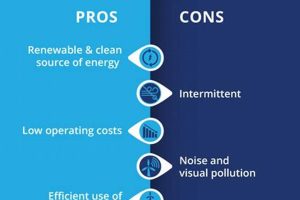
Tip 4: Assess Long-Term Availability: While the sun’s energy output is remarkably stable, factors such as cloud cover and seasonal variations can influence the amount of solar radiation received at a specific location. Effective energy storage solutions are essential to mitigate these fluctuations.
Tip 5: Analyze Technological Advancements: Ongoing research and development are continuously improving the efficiency and cost-effectiveness of solar energy technologies. These advancements are crucial for realizing the full potential of this renewable resource.
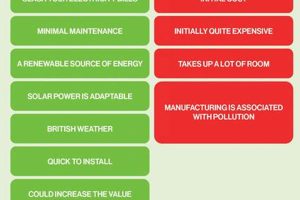
Tip 6: Factor in Resource Depletion Concerns: The materials used in solar panel manufacturing, while not the energy source itself, do require resource extraction. Focus should be placed on sustainable manufacturing practices and material recycling to minimize environmental impact across the entire life cycle.
By recognizing the perpetual nature of solar radiation and addressing the associated technological and environmental considerations, it becomes clear that solar energy represents a sustainable and responsible energy solution.
The subsequent sections will further explore practical applications and the future trajectory of solar power as a cornerstone of a sustainable energy economy.
1. Inexhaustible solar radiation

The concept of “inexhaustible solar radiation” directly negates the premise that solar energy is a non-renewable resource. The sun, as the source of solar energy, is projected to continue emitting vast amounts of energy for billions of years. This continuous energy flow stands in stark contrast to non-renewable resources, such as fossil fuels, which are finite and subject to depletion. The sheer scale of solar radiation reaching Earth far exceeds global energy demands, making it, for all practical purposes, an inexhaustible energy source. The continuous availability of this resource is a fundamental pillar supporting the categorization of solar energy as renewable.
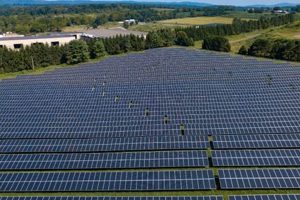
Practical applications, such as large-scale solar farms and residential photovoltaic systems, demonstrate the viability of harnessing this continuous energy flow. These technologies convert solar radiation into electricity, providing a sustainable alternative to traditional energy sources. Furthermore, advancements in energy storage technologies, such as batteries and pumped hydro, are addressing the intermittency of solar radiation, enabling a more consistent and reliable energy supply. Without this essentially unlimited source of energy, solar power would not be a feasible or impactful renewable option.
In conclusion, the inexhaustible nature of solar radiation is the defining characteristic that differentiates solar energy from non-renewable resources. While challenges remain in fully harnessing and storing this energy, its virtually unlimited supply positions it as a cornerstone of a sustainable energy future. Understanding this fundamental distinction is crucial for informed decision-making regarding energy policy, technological development, and environmental stewardship.
2. Constant energy replenishment

The concept of “constant energy replenishment” serves as a direct counterpoint to the notion of solar energy being a non-renewable resource. Renewable resources are characterized by their ability to be replenished naturally within a human timescale, and solar energy definitively fits this criterion. The sun continuously emits radiant energy, replacing the energy harnessed by solar technologies virtually instantaneously. This ongoing replenishment contrasts sharply with the finite nature of non-renewable resources like fossil fuels, which are consumed at rates far exceeding their geological formation, leading to eventual depletion. Without this perpetual replenishment, solar energy would be subject to the same resource constraints as traditional energy sources.
The practical implications of constant energy replenishment are significant. It ensures long-term availability of solar energy, enabling sustained energy production without depleting the resource. This inherent sustainability supports the development of long-term energy infrastructure and promotes energy independence. Furthermore, the consistent influx of solar energy allows for continuous technological advancements in solar energy capture and conversion, driving down costs and improving efficiency. Examples include advancements in photovoltaic cell technology and the development of concentrated solar power systems, all predicated on the assurance of continuous solar energy availability.
In summary, the constant replenishment of solar energy is a defining characteristic that distinguishes it from non-renewable resources. This continuous energy flow underpins the sustainability and long-term viability of solar power as a clean and abundant energy source. Recognizing this fundamental principle is crucial for shaping energy policies and investment strategies aimed at transitioning to a sustainable energy future. Addressing the intermittency of solar energy through effective storage solutions complements the principle of constant replenishment, further solidifying solar energy’s role as a key element of a renewable energy portfolio.
3. Minimal operational emissions

The concept of “minimal operational emissions” provides a critical distinction between solar energy and non-renewable resources, directly addressing the false proposition that solar energy constitutes a non-renewable resource. Non-renewable resources, such as fossil fuels, generate substantial emissions during extraction, processing, and combustion. These emissions contribute significantly to air pollution, climate change, and other environmental problems. Solar energy, in contrast, exhibits minimal emissions during its operational phase. Once solar panels are manufactured and installed, the process of converting sunlight into electricity produces virtually no air pollutants or greenhouse gases. This operational cleanliness is a defining characteristic of solar energy’s sustainability.
The practical significance of minimal operational emissions is far-reaching. By reducing reliance on fossil fuels, solar energy mitigates the negative health and environmental impacts associated with air pollution and climate change. For instance, large-scale solar power plants can displace electricity generation from coal-fired power plants, leading to a measurable reduction in smog and respiratory illnesses in surrounding areas. Furthermore, the absence of operational emissions reduces the risk of environmental disasters associated with fossil fuel extraction and transportation, such as oil spills or pipeline leaks. The life cycle of solar energy technologies, including manufacturing and disposal, does involve some emissions; however, these emissions are typically significantly lower than those associated with non-renewable energy sources, particularly when considering the long-term operational benefits. Continual improvements in solar panel manufacturing and recycling processes further reduce the overall environmental footprint of solar energy.
In summary, the characteristic of minimal operational emissions firmly establishes solar energy as a sustainable and environmentally responsible alternative to non-renewable resources. This benefit directly addresses the claim that solar energy is a non-renewable resource by highlighting its inherent cleanliness during operation. The reduction in air pollution, mitigation of climate change, and avoidance of environmental disasters represent compelling reasons to promote the adoption of solar energy as a cornerstone of a sustainable energy future. Understanding and valuing this key attribute is vital for informed decision-making regarding energy policy and investment strategies.
4. Technological Component Materials

The materials required for manufacturing solar energy technologies, such as photovoltaic panels and concentrated solar power systems, present a nuanced perspective when considering if solar energy constitutes a non-renewable resource. While solar energy itself is constantly replenished by the sun, the production of the infrastructure necessary to harness that energy relies on finite resources extracted from the Earth. This dependency necessitates careful consideration of material sourcing, manufacturing processes, and end-of-life management to ensure the long-term sustainability of solar energy systems.
- Rare Earth Elements and Critical Minerals
Certain solar technologies, particularly thin-film photovoltaic cells, utilize rare earth elements and other critical minerals. The extraction of these materials can have significant environmental impacts, including habitat destruction and water pollution. Furthermore, the geopolitical concentration of these resources in specific regions raises concerns about supply chain security and potential resource scarcity. The responsible sourcing and recycling of these materials are crucial for mitigating these risks and enhancing the sustainability of solar energy.
- Silicon and Semiconductor Production
Crystalline silicon is the dominant material used in photovoltaic panels. The production of high-purity silicon is an energy-intensive process that involves the use of chemicals and the generation of waste products. While silicon is an abundant element, the energy required for its purification can offset some of the environmental benefits of solar energy. Developing more efficient and environmentally friendly silicon production methods is essential for further reducing the overall environmental footprint of solar energy technologies.
- Metals and Manufacturing Processes
Solar panels also incorporate various metals, such as aluminum, copper, and silver, in their construction. The mining and processing of these metals can have adverse environmental consequences, including deforestation, soil erosion, and water contamination. Sustainable manufacturing practices, such as reducing material waste, minimizing energy consumption, and implementing closed-loop recycling systems, are necessary to minimize the environmental impacts associated with the production of solar energy components.
- End-of-Life Management and Recycling
The lifespan of solar panels is typically 25-30 years. As large numbers of panels reach the end of their operational life, the responsible management of this waste stream becomes increasingly important. Solar panel recycling technologies are still under development, and the lack of established recycling infrastructure poses a challenge. Developing effective recycling processes that recover valuable materials from end-of-life solar panels is crucial for reducing resource depletion and minimizing environmental pollution.
In conclusion, while solar energy’s source is renewable, the materials required for its technological implementation introduce aspects of resource dependency. Therefore, evaluating if “is solar energy a non renewable resource” requires a holistic approach that considers not only the availability of solar radiation but also the sustainability of the supply chain for the materials used in solar energy technologies. Continued research and development in material science, sustainable manufacturing, and recycling technologies are essential for ensuring the long-term environmental and economic viability of solar energy.
5. Sustainable Manufacturing Needed

The imperative of “sustainable manufacturing needed” arises when evaluating whether the assertion “is solar energy a non renewable resources” holds merit. While solar radiation itself is perpetually replenished, the fabrication of solar technologies relies on finite resources. The environmental impact of extracting, processing, and manufacturing these materials necessitates a focus on sustainable practices to mitigate resource depletion and pollution, thereby reinforcing solar energy’s overall renewable character.
- Resource Depletion Mitigation
Sustainable manufacturing aims to minimize the extraction of virgin materials by promoting the use of recycled content and designing for recyclability. For instance, employing recycled silicon in solar cell production reduces the need for energy-intensive refining processes and lessens the environmental burden associated with mining. This proactive approach directly addresses concerns related to the finite nature of resources utilized in solar technology.
- Energy Efficiency Enhancement
The manufacturing of solar panels requires significant energy input. Sustainable manufacturing practices prioritize energy efficiency through the adoption of cleaner energy sources, optimization of production processes, and implementation of energy management systems. Lowering the energy footprint of manufacturing contributes to a net reduction in greenhouse gas emissions and strengthens the argument that solar energy, from a lifecycle perspective, is a sustainable alternative to fossil fuels.
- Waste Reduction and Circular Economy
Sustainable manufacturing emphasizes waste minimization through the implementation of closed-loop systems that recover and reuse materials. For example, developing efficient recycling processes for end-of-life solar panels allows for the recovery of valuable materials such as silicon, silver, and aluminum, reducing the demand for newly mined resources and mitigating the environmental impacts associated with waste disposal. This circular economy approach extends the lifespan of materials and minimizes their environmental footprint.
- Toxicity Reduction and Materials Innovation
Certain materials used in solar panel manufacturing, such as cadmium telluride in some thin-film solar cells, raise concerns about toxicity. Sustainable manufacturing promotes the development and adoption of less toxic alternatives and implements stringent controls to minimize the risk of environmental contamination. Furthermore, research into novel materials, such as perovskites, offers the potential to develop more efficient and environmentally benign solar technologies.
In conclusion, the need for sustainable manufacturing is inextricably linked to the validity of considering solar energy as distinct from non-renewable resources. By mitigating resource depletion, enhancing energy efficiency, reducing waste, and minimizing toxicity, sustainable manufacturing practices reinforce the environmental and economic viability of solar energy. Continued innovation in sustainable manufacturing processes is crucial for ensuring the long-term sustainability of solar energy systems and solidifying its position as a renewable energy source.
6. Long-term availability assurance

The assurance of long-term availability is paramount when addressing the assertion that solar energy might be categorized as a non-renewable resource. Unlike finite energy reserves, solar energy’s renewable status hinges on the sustained provision of solar radiation and the durability of technologies designed to harness it. Consequently, factors impacting the long-term reliability and consistency of solar energy systems must be carefully considered.
- Solar Resource Stability
The sun’s projected lifespan of several billion years guarantees a continuous energy source for the foreseeable future. However, variations in solar irradiance due to weather patterns, seasonal changes, and geographical location impact energy capture. Effective energy storage solutions, accurate forecasting models, and geographically diverse deployment strategies mitigate these fluctuations, ensuring a more stable and predictable energy supply over extended periods. This stability directly contradicts the nature of exhaustible, non-renewable resources.
- Technological Durability and Lifespan
The lifespan of solar panels and related infrastructure is a crucial factor in determining the long-term viability of solar energy. Degradation of materials over time, component failures, and the need for periodic replacements affect the overall energy output and economic feasibility of solar energy systems. Ongoing research and development efforts are focused on enhancing the durability of solar technologies, extending their operational lifespan, and minimizing the need for frequent maintenance. A longer lifespan strengthens solar energy’s position as a sustainable alternative to non-renewable sources.
- Grid Integration and Reliability
The integration of solar energy into existing power grids requires robust infrastructure and advanced control systems to manage the intermittent nature of solar generation. Grid stability, voltage regulation, and frequency control become increasingly important as the proportion of solar energy in the grid increases. Effective grid integration strategies, such as smart grids and demand-side management, are essential for ensuring the reliable delivery of solar energy to consumers over extended periods. Reliable grid integration demonstrates solar’s viability as a dependable energy source, not a limited resource.
- Policy and Investment Stability
Government policies and investment incentives play a critical role in supporting the long-term deployment of solar energy. Consistent and predictable policy frameworks encourage investment in solar energy projects and foster innovation in solar technologies. Conversely, policy uncertainty and fluctuating investment levels can hinder the development and deployment of solar energy, undermining its long-term availability. Stable policies and sustained investment are essential for realizing the full potential of solar energy as a sustainable and reliable energy source, unlike the volatile economics sometimes associated with non-renewable resource extraction.
In summary, the assurance of long-term availability for solar energy systems requires a multifaceted approach that addresses solar resource stability, technological durability, grid integration challenges, and policy uncertainties. By focusing on these key areas, it becomes evident that solar energy represents a sustainable and renewable energy source, distinctly different from exhaustible non-renewable resources. The sustained and predictable nature of solar energy, coupled with ongoing technological advancements and supportive policy frameworks, solidifies its position as a cornerstone of a sustainable energy future.
7. Environmental impact mitigation

Environmental impact mitigation is a central consideration when evaluating the renewable nature of solar energy. While the sun’s energy is a perpetually replenished resource, the technologies used to capture and convert solar radiation have associated environmental consequences. Mitigating these impacts is crucial for establishing solar energy as a truly sustainable alternative to non-renewable resources, addressing concerns related to resource depletion, pollution, and habitat destruction.
- Reduced Greenhouse Gas Emissions
A primary environmental benefit of solar energy is the reduction of greenhouse gas emissions compared to fossil fuels. Solar energy systems produce minimal emissions during operation, displacing electricity generation from coal, natural gas, and oil power plants. This displacement leads to a decrease in the atmospheric concentration of carbon dioxide and other greenhouse gases, mitigating climate change and its associated effects. Quantifiable examples include decreased carbon footprints in regions that have transitioned to solar power.
- Minimized Air and Water Pollution
The operational phase of solar energy generation does not produce air pollutants such as sulfur dioxide, nitrogen oxides, and particulate matter, unlike fossil fuel combustion. Reduced air pollution leads to improved air quality and decreased respiratory illnesses. Similarly, solar energy systems do not require large quantities of water for cooling, conserving water resources and minimizing water pollution associated with power plant operations. Real-world scenarios include areas with significant solar deployments experiencing improvements in air quality indices.
- Land Use Considerations and Habitat Preservation
Large-scale solar power plants can require significant land areas, potentially impacting natural habitats and ecosystems. Environmental impact assessments and careful site selection are essential for minimizing these impacts. Strategies such as co-locating solar installations on brownfields, rooftops, or disturbed lands can reduce the need for new land development. Moreover, integrating habitat preservation measures into solar project design can promote biodiversity and ecological integrity. Instances include preserving native vegetation around solar installations to support wildlife populations.
- Sustainable Manufacturing and Recycling
The manufacturing of solar panels involves the use of materials and energy, creating a need for sustainable manufacturing practices. Reducing energy consumption during production, minimizing material waste, and implementing closed-loop recycling systems are crucial for reducing the environmental footprint of solar energy technologies. Developing efficient recycling processes for end-of-life solar panels is essential for recovering valuable materials and preventing the release of hazardous substances into the environment. Examples include improvements in solar panel recycling technologies that recover valuable materials for reuse.
In conclusion, effective environmental impact mitigation is integral to validating solar energy’s status as a renewable resource. By minimizing greenhouse gas emissions, reducing air and water pollution, addressing land use concerns, and promoting sustainable manufacturing and recycling, the environmental benefits of solar energy can be maximized. Continuous innovation in solar technologies and manufacturing processes, coupled with rigorous environmental assessments and responsible land management practices, are essential for ensuring that solar energy truly represents a sustainable alternative to non-renewable resources and aligns with the goal of a cleaner, healthier environment.
Frequently Asked Questions
This section addresses common inquiries regarding the renewable nature of solar energy, clarifying its distinction from non-renewable resources and highlighting key sustainability considerations.
Question 1: Is solar energy inherently exhaustible, similar to fossil fuels?
No. Solar energy originates from the sun, a source expected to radiate energy for billions of years. This contrasts with finite fossil fuel reserves, which are subject to depletion.
Question 2: Do the materials used in solar panels render solar energy a non-renewable resource?
The production of solar panels requires materials sourced from the Earth. Sustainable manufacturing practices, including recycling and responsible sourcing, are essential to mitigate resource depletion concerns. The energy source itself, solar radiation, remains renewable.
Question 3: How does solar energy’s intermittency affect its categorization as a renewable resource?
The intermittent nature of solar radiation, influenced by factors such as weather and time of day, necessitates energy storage solutions. These solutions, combined with grid management strategies, ensure a reliable energy supply and do not negate solar energy’s renewable classification.
Question 4: What is the environmental impact of solar panel manufacturing and disposal?
Solar panel manufacturing involves energy consumption and the use of potentially hazardous materials. Responsible manufacturing processes and the development of effective recycling technologies are crucial for minimizing environmental impacts throughout the solar panel lifecycle.
Question 5: Does the land usage required for solar farms challenge the sustainability of solar energy?
Large-scale solar installations can require significant land areas. Careful site selection, co-location strategies, and habitat preservation efforts are necessary to minimize environmental impacts associated with land use.
Question 6: How do government policies influence the long-term viability of solar energy as a renewable resource?
Consistent and predictable government policies, including incentives and regulations, are crucial for supporting the widespread adoption of solar energy. Stable policy frameworks encourage investment, foster innovation, and ensure the long-term sustainability of solar energy deployment.
Solar energy’s renewable nature is fundamentally linked to the sun’s continuous energy output. Addressing the challenges associated with material sourcing, intermittency, and environmental impact through sustainable practices is essential for maximizing its long-term viability.
The subsequent section will explore the economic considerations associated with solar energy deployment, including cost competitiveness and job creation potential.
Decisively Addressing “Is Solar Energy a Non Renewable Resources”
This examination has thoroughly explored the assertion “is solar energy a non renewable resources,” establishing a clear distinction between solar power and finite energy reserves. The continuous replenishment of solar radiation from the sun fundamentally contradicts the characteristics of non-renewable resources like fossil fuels. While the manufacturing and disposal of solar technologies involve resource considerations, these factors do not negate the inherently renewable nature of the energy source itself. Sustainable practices, responsible sourcing, and technological advancements are essential for minimizing the environmental footprint of solar energy systems and maximizing their long-term viability.
The ongoing transition to a sustainable energy future necessitates a commitment to responsible resource management and continuous innovation. Embracing solar energy as a cornerstone of a diversified energy portfolio requires a comprehensive understanding of its renewable attributes and the proactive mitigation of its associated environmental challenges. A sustained focus on research, development, and policy support will unlock the full potential of solar energy, ensuring a cleaner, more sustainable planet for future generations.