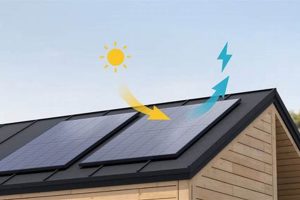
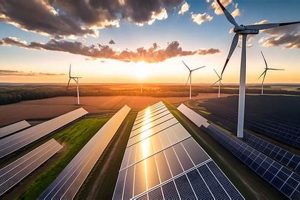
Harnessing power from renewable resources beyond fossil fuels represents a significant shift in energy production. This approach encompasses various methods, including capturing sunlight, wind, water movement, and geothermal heat, to generate electricity and power infrastructure. A common example is photovoltaic systems converting sunlight directly into usable electrical current.
Transitioning to these power sources offers considerable advantages, mitigating greenhouse gas emissions, diminishing reliance on finite resources, and fostering energy independence. Historically, early adoption faced challenges due to cost and efficiency, but ongoing technological advancements have significantly improved feasibility and economic viability, making renewable options increasingly competitive. This shift is paramount for a sustainable future.
The subsequent sections of this article will delve into specific types of renewable power generation technologies, analyze their current market status, and discuss the challenges and opportunities associated with their widespread adoption.
The following tips offer guidance for individuals and organizations considering investments in renewable power sources.
Tip 1: Conduct a thorough energy audit. Understand your current energy consumption patterns to accurately assess the potential impact and cost-effectiveness of implementing renewable technologies.
Tip 2: Research available incentives and rebates. Government programs and utility companies frequently offer financial incentives to encourage the adoption of renewable power systems, significantly reducing initial investment costs.
Tip 3: Assess site suitability. Evaluate factors such as sunlight exposure, wind patterns, or geothermal access to determine the optimal location and type of renewable energy system for a specific property.
Tip 4: Consider energy storage solutions. Implement battery storage systems to maximize the benefits of intermittent power sources. This allows for the capture and utilization of excess power generated during peak production times for use during periods of lower output.
Tip 5: Prioritize energy efficiency measures. Reduce overall energy demand by implementing energy-efficient appliances, insulation, and building design strategies. This minimizes the scale and cost of any subsequently installed renewable power system.
Tip 6: Secure multiple quotes from qualified installers. Obtain detailed proposals from several reputable installers to ensure competitive pricing and comprehensive system design. Check installer certifications and references thoroughly.
Tip 7: Explore community power options. For individuals or organizations with limited resources, consider participating in community-based renewable power projects. Shared installations can provide access to renewable energy at a lower individual cost.
Following these guidelines will assist in making informed decisions about the integration of renewable energy technologies, ensuring long-term cost savings and a positive environmental impact.
The article will now proceed to a conclusion summarizing the key aspects of adopting a renewable power strategy.
1. Sustainability

Sustainability, in the context of solar and alternative energy, represents the capability of these energy systems to meet present energy demands without compromising the ability of future generations to meet their own needs. It underscores a holistic approach that balances environmental protection, economic viability, and social equity.
- Resource Conservation
Solar and alternative energy sources rely on renewable resources, such as sunlight, wind, and geothermal heat. Unlike fossil fuels, these resources are inherently replenished, reducing dependence on finite reserves and mitigating the long-term environmental impacts associated with extraction and depletion. For instance, solar photovoltaic panels utilize sunlight, an inexhaustible resource, to generate electricity, thereby conserving fossil fuel reserves.
- Environmental Impact Reduction
Compared to conventional energy sources, solar and alternative energy systems produce significantly lower levels of greenhouse gas emissions and air pollutants. This reduction contributes to mitigating climate change, improving air quality, and safeguarding ecosystems. Wind energy, for example, generates electricity with minimal carbon footprint, avoiding the detrimental effects of coal-fired power plants on the environment.
- Life Cycle Assessment
Sustainability considerations extend beyond the operational phase of energy systems to encompass the entire life cycle, from manufacturing to decommissioning. Responsible management of materials, waste, and energy inputs throughout this cycle is essential for minimizing environmental burdens and promoting circular economy principles. Manufacturers of solar panels increasingly focus on recycling programs to recover valuable materials at the end of a panel’s lifespan, thus reducing landfill waste and resource consumption.
- Long-Term Economic Viability
While initial investments in solar and alternative energy infrastructure can be substantial, the long-term operational costs are often lower due to reduced fuel consumption and maintenance requirements. Furthermore, stable energy prices and reduced vulnerability to volatile fossil fuel markets contribute to greater economic stability. Communities that invest in local solar farms can benefit from long-term energy independence and predictable electricity costs.
These facets collectively illustrate the profound connection between sustainability and solar and alternative energy. By prioritizing resource conservation, minimizing environmental impacts, conducting thorough life cycle assessments, and ensuring long-term economic viability, these energy systems offer a pathway towards a more sustainable and resilient energy future.
2. Efficiency
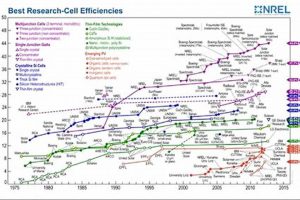
Efficiency is a critical determinant of the overall effectiveness and economic viability of solar and alternative energy systems. It directly correlates with the amount of usable energy derived from a given resource input. Higher efficiency translates to greater energy output for the same level of resource utilization, reducing both the cost per unit of energy produced and the physical footprint of the required infrastructure. In photovoltaic (PV) solar panels, for instance, efficiency dictates the percentage of sunlight converted into electricity. A PV panel with a 20% efficiency rating will generate twice as much electricity as one with 10% efficiency under identical conditions. This difference significantly impacts the economic feasibility of solar energy projects, influencing the return on investment and the scale of land required for deployment. Thus, investment in improved materials science and engineering is crucial to advancing the capacity of solar systems.
The pursuit of efficiency improvements extends beyond solar to other forms of alternative energy. In wind energy, aerodynamic optimization of turbine blades and improved generator designs enhance the capture of kinetic energy from wind. Geothermal energy systems benefit from advancements in drilling technology and heat exchange materials, maximizing the extraction of thermal energy from the earth. The efficiency of these systems dictates their ability to compete with conventional energy sources and contribute meaningfully to a diversified energy portfolio. Energy storage technologies, such as batteries and pumped hydro, play a vital role in maintaining the utility of alternative energy sources. Without efficient storage, the intermittent nature of solar and wind power would limit their practicality as primary sources of energy.
Advancements in energy efficiency are paramount to widespread adoption. Increased focus on reducing parasitic losses within power conversion systems and grid integration technologies is also essential to minimize energy waste during transmission and distribution. While the initial efficiency of energy-generating devices receives considerable attention, cumulative system efficiency, which accounts for losses incurred throughout the entire energy pathway, is equally important. Addressing these comprehensive efficiency parameters will further reduce reliance on fossil fuels and promote the environmental and economic advantages of renewable energy technologies for an environmentally sustainable energy future.
3. Accessibility

Accessibility, within the context of solar and alternative energy, refers to the equitable availability and affordability of these energy resources to diverse populations, irrespective of socioeconomic status, geographic location, or technical expertise. The degree to which these energy solutions are accessible significantly influences their potential to drive widespread energy transition and reduce global energy poverty. Limited accessibility restricts the benefits of clean energy to privileged segments of society, thereby exacerbating existing inequalities. For example, while rooftop solar panels may be an economically viable option for homeowners in affluent suburban areas, they are often unattainable for low-income families or those residing in multi-unit dwellings. This disparity undermines the broader societal goals of energy equity and sustainable development.
Several factors impede the accessibility of solar and alternative energy. High upfront capital costs constitute a primary barrier, particularly for residential and small-scale commercial applications. Complex regulatory frameworks, permitting processes, and grid interconnection requirements can also discourage adoption, especially for individuals and businesses with limited resources or technical knowledge. Furthermore, the lack of accessible financing options, such as low-interest loans or community solar programs, disproportionately affects low-income communities and underserved regions. Conversely, supportive government policies, streamlined permitting processes, and innovative financing models can significantly enhance accessibility. The implementation of feed-in tariffs, tax incentives, and net metering policies encourages private investment in renewable energy and lowers the financial burden on consumers. Community-owned solar projects and virtual net metering arrangements enable renters and residents of apartment buildings to access solar energy benefits without directly owning solar panels.
In conclusion, accessibility is a critical but often overlooked dimension of solar and alternative energy. Addressing the economic, regulatory, and informational barriers that limit access is essential for realizing the full potential of these energy sources to promote social equity and environmental sustainability. Increased investment in targeted programs, innovative financing mechanisms, and community engagement initiatives will be crucial for ensuring that the benefits of clean energy are shared equitably across all segments of society.
4. Innovation
Innovation serves as the fundamental driver for advancements across the solar and alternative energy sectors. The relentless pursuit of improved technologies, materials, and processes is essential to enhance efficiency, reduce costs, and expand the applicability of these energy sources. Without continuous innovation, alternative energy remains limited in its capacity to compete with traditional fossil fuels.
- Materials Science Breakthroughs
Advanced materials play a pivotal role in enhancing solar cell efficiency, durability, and cost-effectiveness. Perovskite solar cells, for example, represent a significant breakthrough due to their potential for high efficiency and low manufacturing costs compared to traditional silicon-based cells. Similarly, advancements in battery materials, such as solid-state electrolytes, promise to improve energy density, safety, and lifespan for energy storage systems. These innovations directly translate into more efficient and reliable alternative energy systems.
- Smart Grid Technologies
The integration of renewable energy sources into existing power grids requires sophisticated control systems and smart grid technologies. Innovations in grid management, such as advanced sensors, data analytics, and artificial intelligence, enable better forecasting of renewable energy generation, optimize energy distribution, and enhance grid stability. These technologies facilitate the seamless integration of intermittent renewable energy sources, ensuring a reliable and resilient power supply. The deployment of smart grids is essential for maximizing the utilization of renewable energy and minimizing curtailment.
- Energy Storage Solutions
The intermittent nature of solar and wind power necessitates efficient and cost-effective energy storage solutions. Innovations in battery technology, pumped hydro storage, and thermal energy storage are crucial for addressing this challenge. Lithium-ion batteries have become the dominant technology for grid-scale energy storage, but research into alternative battery chemistries, such as sodium-ion and flow batteries, aims to further improve energy density, lifespan, and cost. Innovative energy storage technologies are critical for enabling the widespread adoption of solar and wind energy as baseload power sources.
- Advanced Manufacturing Techniques
Innovations in manufacturing techniques can significantly reduce the production costs of solar panels, wind turbines, and other renewable energy components. Automation, additive manufacturing (3D printing), and lean manufacturing principles enable manufacturers to scale up production, improve quality control, and lower labor costs. These advancements are essential for making renewable energy technologies more competitive with conventional energy sources. Furthermore, innovative manufacturing processes can reduce the environmental impact of renewable energy production by minimizing waste and energy consumption.
These examples demonstrate that innovation is not merely an abstract concept but rather a tangible driver of progress in the solar and alternative energy sectors. Continued investment in research and development, coupled with supportive government policies, is essential for accelerating the pace of innovation and realizing the full potential of these energy sources to address global energy challenges.
5. Infrastructure

Infrastructure is a foundational element for the successful deployment and integration of solar and alternative energy sources. The cause-and-effect relationship is direct: inadequate infrastructure limits the capacity to harness, transmit, and utilize renewable power efficiently, while robust infrastructure enables widespread adoption and optimizes performance. Solar farms, wind parks, geothermal plants, and hydroelectric facilities require specialized transmission lines, substations, and control systems to connect to the existing electrical grid. Without these components, the generated power cannot reach consumers, regardless of its source or availability.
Examples of the importance of infrastructural development abound. Germany’s Energiewende initiative encountered challenges due to bottlenecks in grid capacity, hindering the ability to transport wind energy from the north to industrial centers in the south. Similarly, large-scale solar projects in desert regions require significant investments in high-voltage direct current (HVDC) transmission lines to deliver electricity to distant urban centers. Furthermore, the integration of distributed generation sources, such as rooftop solar panels, necessitates upgrades to distribution grids and the implementation of smart grid technologies to manage bi-directional power flows. Practical significance lies in recognizing that investing in appropriate infrastructure unlocks the full potential of solar and alternative energy, leading to reduced carbon emissions, increased energy security, and economic growth.
In summary, infrastructure is not merely an adjunct to solar and alternative energy; it is an integral and indispensable component. Addressing infrastructural deficits is crucial for facilitating the transition to a cleaner, more sustainable energy future. This requires strategic planning, policy support, and financial investment to build the necessary physical and digital infrastructure to support the integration of renewable energy sources at all scales.
6. Investment

Investment is a critical catalyst for the advancement and widespread deployment of solar and alternative energy technologies. The availability of capital directly influences the pace of innovation, the scalability of manufacturing processes, and the affordability of renewable energy solutions. Without substantial financial resources, research and development efforts stagnate, production capacity remains limited, and renewable energy sources struggle to compete with established fossil fuel industries. For example, the dramatic reduction in solar panel costs over the past decade is directly attributable to significant investments in manufacturing automation, materials science, and supply chain optimization. These investments, often driven by government incentives and private equity, have transformed solar power from a niche technology to a commercially viable energy source in many regions.
Furthermore, investment in energy infrastructure is essential for integrating renewable energy sources into existing power grids. Upgrading transmission lines, deploying energy storage systems, and implementing smart grid technologies require significant financial commitments. Public-private partnerships, green bonds, and other innovative financing mechanisms play a vital role in mobilizing capital for these infrastructure projects. Consider the European Union’s commitment to investing billions of euros in cross-border energy infrastructure projects to facilitate the integration of renewable energy from various member states. These investments not only enhance grid reliability and resilience but also create new economic opportunities and support the transition to a low-carbon economy.
In conclusion, investment is not merely a financial transaction but a fundamental driver of progress in the solar and alternative energy sector. Strategic allocation of capital to research and development, manufacturing, and infrastructure is essential for accelerating the adoption of renewable energy technologies and achieving global climate goals. Overcoming financial barriers and attracting private investment through supportive policies and regulatory frameworks will be crucial for realizing the full potential of solar and alternative energy as a sustainable and economically viable energy future.
Frequently Asked Questions
This section addresses common inquiries regarding energy sources beyond traditional fossil fuels. It provides concise and authoritative answers to enhance understanding and dispel misconceptions.
Question 1: What constitutes “alternative energy” beyond solar power?
Alternative energy encompasses renewable sources such as wind, hydro, geothermal, and biomass, excluding fossil fuels and nuclear fission. These methods harness naturally replenishing resources to generate electricity and heat.
Question 2: Is solar energy truly sustainable, considering manufacturing processes?
While solar panel manufacturing involves energy consumption, the lifetime energy generation of a solar panel far exceeds its embodied energy. Furthermore, continuous advancements in manufacturing processes are reducing the environmental impact of production.
Question 3: How efficient are solar panels currently?
Commercially available solar panels typically exhibit efficiencies ranging from 15% to 22%. Ongoing research and development are focused on improving these efficiencies through advanced materials and cell designs.
Question 4: What are the primary limitations of wind energy?
Wind energy’s primary limitations include intermittency, geographic constraints (dependent on wind resources), and potential impacts on avian wildlife. Energy storage solutions and careful site selection can mitigate these issues.
Question 5: What is the role of energy storage in facilitating greater use of alternative energy?
Energy storage, such as batteries or pumped hydro, addresses the intermittent nature of solar and wind power. It allows for the capture and storage of excess energy generated during peak production times for use during periods of lower output.
Question 6: How do government policies influence the adoption of solar and alternative energy?
Government policies, including tax incentives, subsidies, and renewable energy mandates, significantly impact the adoption of solar and alternative energy. These policies can reduce financial barriers, stimulate investment, and create a stable market for renewable energy technologies.
The key takeaway is that renewable technologies represent a viable solution to the increasing energy needs and are becoming an important strategy in reducing the carbon emissions.
The following sections will conclude this article, summarizing its key aspects and future outlook.
Conclusion
This article has provided a comprehensive overview of solar and alternative energy, emphasizing their importance in the global energy landscape. It has examined crucial dimensions, including sustainability, efficiency, accessibility, innovation, infrastructure, and investment, illustrating how these factors collectively influence the viability and scalability of renewable energy solutions. The analysis highlights the need for continued research, technological advancements, and strategic policy interventions to overcome existing challenges and unlock the full potential of these resources.
The ongoing transition towards reliance on sources beyond fossil fuels is not merely an option, but a necessity for ensuring a sustainable future. Addressing climate change, enhancing energy security, and promoting economic development require a concerted effort to expand the deployment of solar and alternative energy technologies. Future progress hinges on continued investment, policy support, and a collective commitment to fostering a cleaner, more resilient energy system for generations to come. A future with the sun, wind and the earth as the source of energy, instead of fossil fuels, is not only plausible but critical to our survivability.