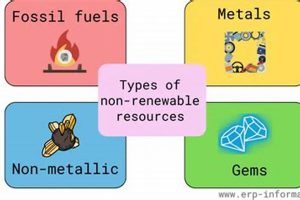
The question of whether crude oil, a naturally occurring, yellowish-black liquid found beneath the Earth’s surface, can be replenished within a human timescale is a subject of considerable debate. This complex mixture of hydrocarbons is extracted and refined to produce fuels like gasoline and kerosene, as well as materials such as plastics. The formation process requires specific geological conditions and immense periods of time.
The significance of understanding the nature of oil as a resource lies in its role as a primary energy source globally. Its impact extends to economic stability, geopolitical dynamics, and environmental concerns. Historically, access to and control over oil reserves have shaped international relations and fueled industrial growth. However, the finite nature of these reserves raises concerns about long-term energy security and environmental sustainability.
The subsequent sections will delve into the processes involved in its formation, the rate of its consumption, and the resulting implications for future energy strategies and environmental conservation efforts. This will provide a comprehensive overview necessary to understand the classification of this vital resource.
Understanding the Nature of Crude Oil as a Resource
This section offers insights into evaluating the classification of petroleum, addressing the central question regarding its renewability.
Tip 1: Investigate the Formation Process: Examine the geological conditions and time scales required for the creation of crude oil. Understanding that this process occurs over millions of years is crucial for assessing its renewability. For instance, consider the transformation of organic matter under intense pressure and heat deep within the Earth’s crust.
Tip 2: Analyze Consumption Rates: Compare the rate at which petroleum is extracted and used to the rate at which it is formed. The disparity between consumption and formation rates provides critical data to help determine its classification.
Tip 3: Evaluate Reserve Estimates: Study the estimates of proven and potential reserves of petroleum worldwide. Understanding the limitations of these reserves underscores the need for sustainable energy alternatives.
Tip 4: Consider Environmental Impacts: Assess the environmental consequences of extracting, transporting, and burning crude oil. The greenhouse gas emissions and potential for spills and pollution influence perspectives on the long-term viability of continued use.
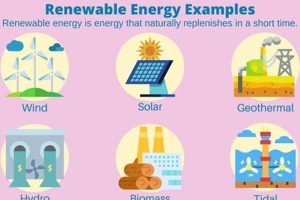
Tip 5: Research Alternative Energy Sources: Explore the potential of renewable energy sources such as solar, wind, and geothermal power. The development and adoption of these alternatives provide options for mitigating the dependency on oil.
Tip 6: Study Technological Advancements: Examine technologies that can enhance oil recovery, improve energy efficiency, and reduce emissions. These innovations impact the timeframe during which it can be relied upon as a key energy source.
Tip 7: Acknowledge Geopolitical Factors: Recognize the political and economic factors that influence the production, distribution, and price of crude oil. These considerations are important for understanding how global dependence on it affects international relations and energy security.
By systematically considering these aspects, a balanced and informed perspective on the classification of crude oil can be developed.
The subsequent section will delve into the implications of classifying oil and strategies for a transition to a more sustainable energy future.
1. Formation Timescales

The categorization of petroleum hinges significantly on the duration required for its genesis. This process involves the transformation of organic matter, primarily the remains of ancient marine organisms, under intense pressure and heat deep within the Earth’s crust. The conversion of this organic material into hydrocarbons, the primary constituents of petroleum, necessitates millions of years. Consequently, the rate at which petroleum naturally forms is exceptionally slow.
The practical implication of these prolonged timescales is that the rate of petroleum formation is vastly outstripped by the rate of its consumption. Current global demand for energy necessitates the extraction and utilization of crude oil at a pace that far exceeds the natural replenishment process. This disparity is a primary reason why it is not considered a renewable resource. Even if extraction ceased, the geological processes required to generate new petroleum deposits would span generations, making it impractical to rely on natural replenishment within any meaningful human timescale.
In conclusion, the protracted timescales associated with petroleum formation directly influence its classification. This classification has significant ramifications for energy policy, environmental conservation, and the development of alternative energy sources. Recognizing this connection underscores the importance of managing existing petroleum reserves responsibly and investing in renewable alternatives to meet future energy demands.
2. Depletion Rates
The rate at which petroleum reserves are extracted and utilized is a critical factor in determining its classification as a renewable or non-renewable resource. Depletion rates provide a quantitative measure of how quickly this finite resource is being exhausted relative to its natural replenishment, which is effectively non-existent on a human timescale.
- Global Consumption Trends
Worldwide consumption patterns directly influence depletion rates. Rising energy demands, driven by population growth and industrial expansion, lead to increased extraction. For example, the rapid industrialization of countries like China and India has significantly accelerated petroleum consumption, impacting global reserves. Understanding these trends is essential for projecting future availability and considering alternative energy strategies.
- Extraction Technologies and Efficiency
Advancements in extraction technologies, such as fracking and deep-sea drilling, can temporarily increase the amount of recoverable petroleum. However, these methods often come with significant environmental costs and do not fundamentally alter the finite nature of the resource. Furthermore, even with enhanced recovery techniques, the overall depletion rate remains a key consideration in resource management and long-term sustainability planning.
- Reserve Estimates and Discoveries
Proven reserve estimates play a role in calculating the projected lifespan of petroleum resources. New discoveries can temporarily offset depletion, but these are becoming less frequent and often involve higher extraction costs and environmental risks. The relationship between reserve additions and depletion rates is crucial for assessing the long-term viability of petroleum as a primary energy source.
- Economic and Geopolitical Factors
Economic and geopolitical factors profoundly impact depletion rates. Market prices, political instability, and international agreements can all influence production levels and consumption patterns. For example, OPEC’s production quotas and geopolitical conflicts in oil-producing regions can lead to fluctuations in supply and demand, affecting the rate at which reserves are depleted. These factors underscore the complex interplay between resource availability, economic forces, and political considerations.
The interrelation between depletion rates and resource availability firmly establishes petroleum as a non-renewable resource. The rapid pace of extraction, driven by global consumption patterns and influenced by technological advancements and geopolitical factors, significantly outstrips the natural formation process. This disparity highlights the urgent need for sustainable energy solutions and responsible resource management to mitigate the long-term consequences of petroleum depletion.
3. Finite Reserves

The concept of finite reserves is intrinsically linked to the classification of petroleum and its status as a non-renewable resource. The term “finite reserves” denotes that the total quantity of petroleum available on Earth is limited and cannot be replenished within a human timescale. This limitation is a direct consequence of the geological processes required for petroleum formation, which occur over millions of years. The cause-and-effect relationship is clear: finite reserves necessitate the eventual depletion of petroleum resources, rendering it unsustainable for long-term energy demands.
The recognition of finite reserves is fundamental to understanding the classification. Without this acknowledgement, the argument for alternative energy sources lacks urgency. The oil fields of Ghawar in Saudi Arabia, once the world’s largest, provide a concrete example. While still productive, its output has declined over time, demonstrating the reality of finite resources. Similarly, the North Sea oil fields, after decades of intensive extraction, exhibit dwindling reserves. The practical significance lies in the need for proactive resource management and diversification of energy sources to mitigate the economic and social consequences of petroleum depletion.
In summary, the presence of finite petroleum reserves is a defining characteristic that determines its non-renewable nature. This understanding necessitates a shift toward sustainable energy practices. Failure to recognize and address the limitations imposed by finite reserves risks long-term energy insecurity and environmental degradation. The challenge lies in transitioning to a future where energy needs are met by renewable resources, mitigating dependence on a resource that is inherently limited.
4. Environmental Impact

The environmental consequences associated with the extraction, transportation, and combustion of petroleum products are inextricably linked to its classification as a non-renewable resource. The widespread and often detrimental effects on ecosystems, atmosphere, and human health serve as a significant consideration in evaluating the long-term viability and sustainability of petroleum as an energy source.
- Greenhouse Gas Emissions
The combustion of petroleum releases substantial quantities of greenhouse gases, including carbon dioxide, methane, and nitrous oxide, into the atmosphere. These emissions contribute to global warming and climate change, leading to rising sea levels, altered weather patterns, and increased frequency of extreme weather events. The accumulation of these gases over time poses a severe threat to environmental stability, underscoring the unsustainable nature of relying on petroleum as a primary energy source.
- Air and Water Pollution
Petroleum extraction and refining processes release pollutants into the air and water, impacting human health and ecosystems. Air pollutants, such as particulate matter and volatile organic compounds, contribute to respiratory illnesses and smog formation. Water contamination from oil spills and industrial discharge can devastate aquatic life and contaminate drinking water sources. The environmental degradation caused by these pollutants highlights the environmental cost associated with petroleum use.
- Habitat Destruction
Petroleum exploration and extraction often involve habitat destruction and fragmentation. Activities such as pipeline construction, drilling operations, and road building can disrupt ecosystems, displace wildlife, and alter natural landscapes. Sensitive environments, such as wetlands and rainforests, are particularly vulnerable to these impacts. The loss of biodiversity and ecosystem services further emphasizes the environmental consequences of petroleum extraction.
- Oil Spills and Accidents
The transportation and storage of petroleum pose a risk of oil spills and accidents, which can have catastrophic environmental effects. Major oil spills, such as the Exxon Valdez and Deepwater Horizon disasters, have demonstrated the devastating impact on marine life, coastal habitats, and local economies. The long-term environmental and economic costs associated with cleaning up and recovering from oil spills highlight the inherent risks of relying on petroleum as a major energy source.
These environmental factors, when considered collectively, provide a compelling argument for classifying petroleum as a non-renewable resource. The long-term ecological and health consequences associated with its use necessitate a transition toward cleaner, more sustainable energy alternatives. Reducing reliance on petroleum is essential for mitigating climate change, protecting ecosystems, and ensuring a healthy planet for future generations. The environmental impact, therefore, is not merely an externality but an intrinsic aspect of the debate surrounding the long-term viability of petroleum as an energy source.
5. Fossil Origin

Petroleum’s classification as a non-renewable resource stems directly from its fossil origin. This origin dictates the timeframe required for its formation, connecting the source material to its renewability. Petroleum is derived from the remains of ancient marine organisms subjected to intense pressure and heat over millions of years. This prolonged geological process distinguishes it from renewable resources, which are replenished within human timescales. The organic matter undergoes transformation, resulting in complex hydrocarbon compounds. This transformation underscores the critical role the fossil origin plays in classifying petroleum and in understanding the planet’s energy resources.
The finite nature of fossil fuels directly impacts energy strategies, compelling the adoption of alternative resources. Fossil origin highlights a stark contrast between fuel source and the time it takes to replenish that fuel source. For instance, the extraction rate of petroleum in the Middle East vastly exceeds the rate at which new deposits are formed, illustrating the practical significance of fossil origin. This understanding allows policymakers to assess the sustainability of current energy practices, invest in the development of renewable energy technologies, and promote energy efficiency initiatives.
The connection between fossil origin and classification necessitates a transition towards alternative resources. The geological timeframe involved in petroleum formation solidifies its non-renewable status. Fossil fuels cannot be replenished during a human lifetime, leading to depletion and environmental issues. To achieve long-term energy security and mitigate the environmental impacts of fossil fuel use, diversification of energy sources and investment in renewable technologies is essential. Acknowledging the fossil origin is crucial for guiding decision-making and shaping a more sustainable energy future.
6. Sustainability concerns

The query “is petroleum a renewable resource” is inextricably linked to the overarching concern of sustainability. Petroleum, as a finite resource formed over millions of years, faces inherent limitations regarding its long-term availability. The extensive exploitation of petroleum reserves raises significant environmental, economic, and social sustainability concerns. The extraction processes contribute to habitat destruction, water contamination, and greenhouse gas emissions, impacting ecosystems and exacerbating climate change. Economically, reliance on a depleting resource introduces volatility in energy markets and necessitates costly exploration and extraction efforts. Socially, dependence on petroleum can create geopolitical tensions and unequal access to energy resources.
Considering sustainability illuminates the imperative to transition towards alternative energy sources. The environmental degradation resulting from petroleum use necessitates the adoption of cleaner and more sustainable energy practices. The development and implementation of renewable energy technologies, such as solar, wind, and geothermal power, offer viable pathways to reduce reliance on petroleum and mitigate its adverse environmental impacts. Furthermore, improvements in energy efficiency and conservation efforts can significantly decrease the demand for petroleum, extending the lifespan of existing reserves and reducing the strain on ecosystems. Examples include Norway’s sovereign wealth fund, which divests from fossil fuels, and investments in electric vehicle infrastructure worldwide.
In summary, addressing sustainability concerns directly informs the classification of petroleum as a non-renewable resource. The finite nature of petroleum reserves, coupled with the environmental and social consequences of its use, necessitates a paradigm shift towards sustainable energy practices. The challenges associated with this transition include technological advancements, policy implementation, and behavioral changes. However, prioritizing sustainability in energy planning is essential for safeguarding the environment, ensuring long-term energy security, and promoting social equity.
Frequently Asked Questions
This section addresses common inquiries regarding the nature of petroleum as a resource and its classification concerning renewability.
Question 1: What is the fundamental reason petroleum is classified as a non-renewable resource?
The primary factor contributing to this classification is the immense timescale required for its formation. Petroleum originates from the remains of ancient organic matter subjected to heat and pressure over millions of years, a process far exceeding human timescales.
Question 2: Can technological advancements make petroleum a renewable resource?
While technological innovations can enhance extraction efficiency or reduce environmental impact, they cannot alter the fundamental non-renewable nature of petroleum. The rate of consumption continues to vastly outpace natural formation processes.
Question 3: How do petroleum reserve estimates impact the classification?
Reserve estimates, while subject to revision, highlight the finite quantity of petroleum available. Even with new discoveries, the ultimate supply is limited, reinforcing the designation as a non-renewable resource.
Question 4: What role does the environmental impact of petroleum play in its classification?
The significant environmental consequences of petroleum extraction, transportation, and combustion strengthen the argument for its non-renewable classification. The greenhouse gas emissions and potential for pollution necessitate a shift towards sustainable alternatives.
Question 5: Does the origin of petroleum as a fossil fuel influence its renewability?
The fossil origin of petroleum is central to its non-renewable status. The reliance on ancient organic matter, formed over geological timescales, means the rate of replenishment is negligible relative to consumption.
Question 6: How do sustainability concerns relate to the discussion about petroleum renewability?
Sustainability concerns directly challenge the long-term viability of relying on petroleum as a primary energy source. The finite reserves and environmental impact necessitate a transition towards sustainable alternatives to ensure future energy security and environmental health.
These FAQs underscore the core arguments for classifying petroleum as a non-renewable resource. The limitations imposed by its formation timescale, finite reserves, and environmental impact necessitate the exploration and adoption of sustainable energy solutions.
The subsequent section will discuss strategies for transitioning to a more sustainable energy future, addressing the challenges and opportunities associated with reducing reliance on petroleum.
Conclusion
The preceding analysis has thoroughly examined “is petroleum a renewable resource,” conclusively establishing its classification as non-renewable. The extended geological timescales required for its formation stand in stark contrast to the rapid rates of extraction and consumption. Finite reserves, coupled with significant environmental consequences associated with its use, further solidify this determination. The fossil origin underscores the inherent limitations in replenishing petroleum within any practical human timeframe.
Recognizing petroleum’s non-renewable nature necessitates a focused and sustained effort towards developing and implementing sustainable energy solutions. Continued reliance on this finite resource poses significant risks to both environmental stability and long-term energy security. A commitment to innovation, policy changes, and responsible resource management is crucial for navigating the transition to a future powered by renewable and sustainable energy sources. The path forward demands a collective and unwavering dedication to securing a sustainable energy future for generations to come.

![Guide to What Energy Resources Are Renewable [+Future] | Renewable Energy Solutions for a Sustainable Future | Clean & Green Power](https://pplrenewableenergy.com/wp-content/uploads/2026/03/th-516-300x200.jpg "Guide to What Energy Resources Are Renewable [+Future] Renewable Energy Solutions for a Sustainable Future | Clean & Green Power")