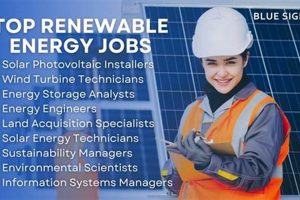
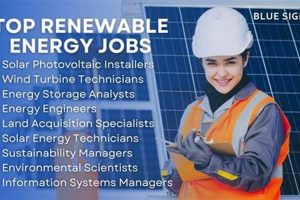
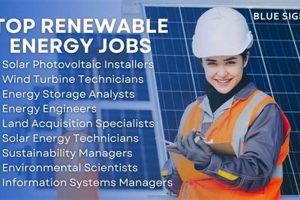
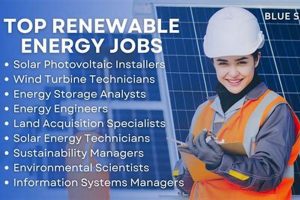
Careers focused on sustainable power generation using naturally replenishing sources like solar, wind, hydro, geothermal, and biomass offer diverse opportunities across various sectors. These positions range from research and development to manufacturing, installation, maintenance, and grid management. For example, a solar panel installer contributes directly to clean energy infrastructure, while a biofuels engineer develops sustainable transportation solutions.
Sustainable power generation offers significant economic advantages, including job creation, reduced reliance on volatile fossil fuel markets, and stimulation of technological innovation. Historically, energy transitions have spurred economic growth and societal progress. The current shift towards sustainable power holds similar potential, promoting energy independence, mitigating climate change impacts, and fostering a more resilient energy infrastructure.
This article will further explore specific career paths within the sustainable power sector, discuss required skill sets and educational backgrounds, and analyze the future prospects of this rapidly expanding field.
Tips for Pursuing Careers in Sustainable Power
Navigating the dynamic landscape of sustainable power careers requires strategic planning and informed decision-making. The following tips offer guidance for individuals interested in contributing to this expanding field.
Tip 1: Identify Specific Areas of Interest: Sustainable power encompasses diverse specializations, from solar panel installation to wind turbine maintenance. Focusing on a particular area allows for targeted skill development and career advancement.
Tip 2: Research Educational Pathways: Different career paths require varying levels of education and training. Vocational schools, community colleges, and universities offer programs tailored to specific sustainable power occupations.
Tip 3: Gain Practical Experience: Internships, apprenticeships, and volunteer opportunities provide valuable hands-on experience and enhance employability.
Tip 4: Network with Professionals: Attending industry conferences, joining professional organizations, and connecting with professionals through online platforms can open doors to career opportunities.
Tip 5: Stay Updated on Industry Trends: The sustainable power sector is constantly evolving. Staying informed about technological advancements, policy changes, and market trends ensures career relevance.
Tip 6: Develop Essential Skills: Technical skills, problem-solving abilities, and communication skills are crucial for success in sustainable power careers.
Tip 7: Consider Certifications: Industry-recognized certifications demonstrate expertise and can enhance career prospects.
By following these tips, individuals can effectively prepare for a rewarding career in the growing field of sustainable power, contributing to a cleaner and more sustainable future.
The next section will provide further resources and support for individuals seeking careers in sustainable power generation.
1. Sustainable Career Paths
Sustainable career paths represent a critical component of the transition to renewable resources and energy systems. These careers offer opportunities for long-term professional growth while contributing to environmentally responsible practices. Understanding the various facets of these career paths is essential for individuals seeking to enter and thrive in this expanding field.
- Research and Development
Research and development roles focus on innovating and improving renewable energy technologies. Examples include scientists developing more efficient solar panels or engineers designing advanced wind turbine systems. These roles are crucial for driving advancements in the renewable energy sector and creating more effective and sustainable solutions.
- Manufacturing and Installation
Manufacturing and installation jobs involve producing and deploying renewable energy technologies. Examples include technicians assembling solar panels in a factory or workers installing wind turbines on a wind farm. These roles are essential for scaling up renewable energy infrastructure and making clean energy accessible to a wider population.
- Operations and Maintenance
Operations and maintenance jobs ensure the continued performance and longevity of renewable energy systems. Examples include technicians monitoring the performance of a solar power plant or engineers performing routine maintenance on a wind turbine. These roles are vital for maximizing the output and lifespan of renewable energy infrastructure.
- Policy and Advocacy
Policy and advocacy roles focus on creating supportive regulatory frameworks and promoting public awareness of renewable energy. Examples include analysts developing renewable energy policies or advocates lobbying for increased investment in clean energy technologies. These roles are essential for creating a favorable environment for the growth and adoption of renewable energy.
These interconnected career paths offer a diverse range of opportunities for individuals seeking to contribute to a sustainable energy future. The continued growth of the renewable resources and energy sector presents significant potential for long-term career development and positive environmental impact. Further exploration of these career paths, including required skills and educational backgrounds, will provide a deeper understanding of the opportunities within this dynamic field.
2. Clean Energy Development

Clean energy development, focusing on harnessing power from renewable sources, intrinsically fuels the growth of renewable resources and energy jobs. The increasing demand for sustainable energy solutions necessitates a skilled workforce across various sectors. This includes specialized roles in research, design, manufacturing, installation, maintenance, and management of clean energy technologies. For instance, the expansion of solar power necessitates jobs related to photovoltaic cell production, panel installation, grid integration, and system maintenance. Similarly, wind energy development drives demand for wind turbine technicians, engineers, and project managers.
The relationship between clean energy development and job creation extends beyond direct technical roles. Supporting industries, such as finance, legal, and consulting, also experience increased demand as investments in clean energy projects rise. Furthermore, the transition to clean energy often stimulates local economies, creating indirect employment opportunities in related sectors like transportation, manufacturing, and construction. For example, a new wind farm project may require local contractors for road construction and site preparation, creating jobs beyond the wind energy sector itself.
Understanding the close link between clean energy development and employment opportunities is crucial for policymakers, investors, and individuals seeking careers in this expanding field. Strategic investments in clean energy technologies not only contribute to environmental sustainability but also drive economic growth and create a diverse range of job opportunities. Addressing challenges such as workforce training and development will be essential to ensure a smooth transition to a clean energy economy and maximize the socio-economic benefits of this vital sector.
3. Green Job Growth

Green job growth is intrinsically linked to the expansion of renewable resources and energy jobs. The increasing global commitment to decarbonization and sustainable development fuels demand for professionals skilled in various aspects of renewable energy. This includes technical roles such as solar panel installers, wind turbine technicians, and biofuel engineers, as well as supporting roles in finance, policy, research, and education. The cause-and-effect relationship is clear: as investment in renewable energy technologies increases, so does the demand for a skilled workforce to develop, implement, and maintain these technologies. For example, the growth of offshore wind projects creates demand for specialized marine engineers, turbine technicians, and logistics professionals. Similarly, the increasing adoption of electric vehicles expands opportunities for battery engineers, charging infrastructure installers, and grid management specialists.
Green job growth represents a crucial component of the broader transition to a sustainable energy economy. These jobs offer not only economic benefits but also contribute to environmental protection and social equity. The development of renewable energy infrastructure often occurs in rural or underserved communities, providing local employment opportunities and stimulating economic development. Furthermore, green jobs tend to be more resilient to economic downturns compared to traditional fossil fuel-based industries, offering greater long-term career stability. For instance, the installation and maintenance of rooftop solar panels creates local jobs that cannot be outsourced, providing stable employment opportunities within communities.
Understanding the significance of green job growth within the context of renewable resources and energy jobs is crucial for informed policymaking, investment decisions, and career planning. Targeted investments in education and training programs are essential to equip the workforce with the necessary skills to meet the growing demand for green jobs. Addressing potential challenges, such as regional disparities in job creation and ensuring a just transition for workers in declining fossil fuel industries, is vital for maximizing the socio-economic benefits of the green economy. This understanding allows for the development of effective strategies to promote sustainable development, create high-quality employment opportunities, and ensure a more equitable and resilient future.
4. Technological Innovation
Technological innovation plays a crucial role in the advancement and expansion of renewable resources and energy jobs. Advancements in areas such as solar photovoltaic technology, wind turbine design, energy storage solutions, and smart grid technologies directly influence the nature and availability of employment opportunities. More efficient solar panels, for example, reduce manufacturing costs and increase energy output, driving market growth and creating demand for skilled installers, maintenance technicians, and engineers. Similarly, innovations in battery technology improve energy storage capacity and lifespan, leading to increased demand for battery engineers, researchers, and technicians. This cause-and-effect relationship between technological advancements and job creation is a defining characteristic of the renewable energy sector.
The continuous drive for innovation creates new specializations and job categories within the renewable energy sector. For instance, the development of artificial intelligence and machine learning algorithms for optimizing energy grid management creates demand for data scientists, software engineers, and cybersecurity experts. Furthermore, the increasing integration of renewable energy sources into existing infrastructure necessitates specialized roles in grid modernization, system integration, and energy management. The emergence of these new roles underscores the importance of ongoing education, training, and workforce development to meet the evolving demands of the renewable energy industry. The development of advanced materials for wind turbine blades, for example, requires specialized expertise in materials science, engineering, and manufacturing, creating new career pathways within the industry.
Understanding the dynamic relationship between technological innovation and renewable resources and energy jobs is essential for effective policymaking, strategic investment decisions, and career planning. Supporting research and development initiatives, fostering collaboration between academia and industry, and investing in workforce training programs are crucial for maximizing the potential of technological advancements to drive sustainable economic growth and create high-quality employment opportunities. Addressing potential challenges, such as the need for reskilling and upskilling programs for workers transitioning from traditional energy sectors, is vital for ensuring a just and equitable transition to a clean energy economy. This proactive approach to workforce development ensures that technological innovation translates into tangible benefits for both the environment and the economy.
5. Environmental Protection

Environmental protection forms an intrinsic link with renewable resources and energy jobs. The increasing global focus on mitigating climate change and reducing reliance on fossil fuels drives demand for expertise and labor within the renewable energy sector. This connection manifests in various ways. For example, stricter emissions regulations incentivize businesses to adopt cleaner energy solutions, creating demand for professionals skilled in renewable energy technologies. Government policies supporting renewable energy development, such as tax incentives and subsidies, further stimulate job growth in areas like solar and wind power installation, maintenance, and manufacturing. The cause-and-effect relationship is evident: as environmental concerns become more prominent, the need for professionals dedicated to sustainable energy solutions intensifies.
Environmental protection is not merely a byproduct of renewable resources and energy jobs; it serves as a core driver of the sector’s growth. The inherent goal of renewable energy is to reduce environmental impact by decreasing greenhouse gas emissions, minimizing air and water pollution, and reducing dependence on finite resources. This focus on environmental sustainability attracts individuals motivated by a desire to contribute to a healthier planet, further enriching the workforce with passionate and dedicated professionals. For instance, the development of biofuel technologies not only reduces reliance on fossil fuels but also creates opportunities for agricultural communities to diversify their income streams and contribute to a more sustainable agricultural landscape.
Understanding the symbiotic relationship between environmental protection and renewable resources and energy jobs is crucial for effective policy development, strategic investment decisions, and individual career planning. Recognizing environmental protection as a core driver of this sector allows for the creation of targeted policies and initiatives that simultaneously address environmental challenges and stimulate economic growth. Supporting educational programs focused on renewable energy technologies and fostering public awareness of the environmental benefits of clean energy solutions further enhances the growth potential of this vital sector. Addressing potential challenges, such as ensuring equitable access to green jobs and mitigating the environmental impacts of renewable energy infrastructure development, is crucial for maximizing the long-term benefits of this interconnectedness. This holistic approach ensures a sustainable future for both the environment and the economy.
Frequently Asked Questions
This section addresses common inquiries regarding careers focused on sustainable energy production using naturally replenishing resources.
Question 1: What are the typical educational requirements for these careers?
Educational pathways vary depending on the specific career. Entry-level positions, such as solar panel installers, may require vocational training or an associate’s degree, while more specialized roles, such as wind turbine engineers, typically require a bachelor’s or master’s degree in engineering. Some research-oriented positions necessitate a doctorate.
Question 2: Are these careers financially viable?
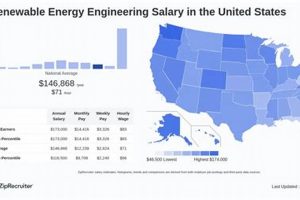
Salaries in the renewable energy sector are generally competitive and often comparable to, or even exceeding, those in traditional energy industries. Compensation varies based on factors such as experience, education, job location, and specific role.
Question 3: What is the long-term job outlook in this field?
The long-term outlook is exceptionally positive. The renewable energy sector is experiencing rapid growth globally, driven by increasing demand for clean energy solutions and supportive government policies. This growth translates into a consistently expanding job market with numerous opportunities for career advancement.
Question 4: Where are these jobs typically located?
Opportunities exist across diverse geographic locations. While some roles, such as wind turbine technicians, may be concentrated in areas with abundant wind resources, other roles, such as solar panel installers and energy efficiency consultants, are in demand across various regions.
Question 5: Are these jobs physically demanding?
Some roles, such as solar panel installation and wind turbine maintenance, may involve working outdoors in varying weather conditions and performing physically demanding tasks. Other roles, such as research and development or policy analysis, are primarily office-based.
Question 6: How can one gain experience in this field?
Gaining practical experience is highly beneficial. Internships, apprenticeships, volunteer work with environmental organizations, and research projects offer valuable hands-on experience and enhance career prospects. Networking with professionals in the field also provides valuable insights and potential career opportunities.
Careers in renewable resources and energy offer not only competitive salaries and promising job prospects but also the opportunity to contribute to a more sustainable future. Further research into specific areas of interest within this dynamic field is highly encouraged.
The following section will delve into specific career examples within the renewable resources and energy sector.
Conclusion
Renewable resources and energy jobs represent a critical component of the global transition to a sustainable energy future. This exploration has highlighted the diverse career pathways within the sector, ranging from technical roles in installation and maintenance to specialized positions in research, development, and policy. The dynamic nature of the field, driven by continuous technological innovation and increasing demand for clean energy solutions, presents significant opportunities for professional growth and development. The interconnectedness of environmental protection, economic growth, and job creation within this sector underscores its importance in addressing global challenges such as climate change and energy security.
The future of renewable resources and energy jobs hinges on continued investment in research and development, supportive government policies, and a skilled workforce equipped to meet the evolving demands of the industry. Strategic collaboration between academia, industry, and policymakers is essential to unlock the full potential of this vital sector and ensure a sustainable and prosperous future powered by clean energy.