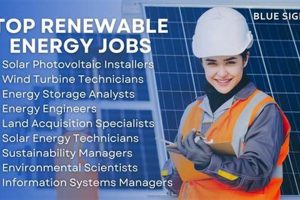
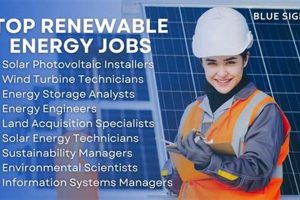
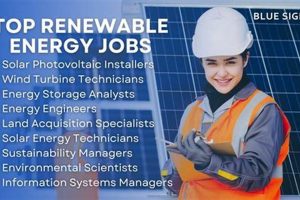
Employment opportunities in Hawaii’s burgeoning clean energy sector encompass a wide range of specializations, from designing and installing solar panels and wind turbines to managing energy efficiency programs and developing innovative storage solutions. For instance, positions might include solar panel installers, wind turbine technicians, energy auditors, project managers, and policy analysts focusing on sustainable practices. These roles contribute to Hawaii’s transition toward energy independence and a reduced carbon footprint.
Hawaii’s pursuit of a 100% renewable energy portfolio by 2045 has created a significant demand for skilled professionals in this field. This shift not only addresses climate change and reduces reliance on imported fossil fuels but also stimulates economic growth and diversifies the state’s job market. Historically, Hawaii has been heavily dependent on imported oil for its energy needs, making the transition to locally sourced renewable energy a vital step towards greater energy security and economic stability.
Further exploration of this topic will delve into specific career paths within the Hawaiian renewable energy sector, educational and training requirements, potential salary ranges, and the overall impact of this growing industry on the state’s economy and environment.
Tips for Pursuing Employment in Hawaii’s Renewable Energy Sector
Navigating the dynamic landscape of Hawaii’s clean energy job market requires strategic planning and a clear understanding of the industry’s specific needs. The following tips offer guidance for individuals seeking opportunities in this growing field.
Tip 1: Research Industry Trends: Stay informed about the latest advancements in renewable energy technologies, policies, and market demands specific to Hawaii. Understanding current trends will allow candidates to tailor their skills and knowledge to meet employer needs.
Tip 2: Develop Relevant Skills: Acquire practical skills and certifications relevant to desired roles. This might include training in solar photovoltaic installation, wind turbine maintenance, energy auditing, or project management.
Tip 3: Network Strategically: Attend industry events, connect with professionals on online platforms, and join relevant organizations to build a strong network within Hawaii’s renewable energy community. Networking can lead to valuable insights and potential job opportunities.
Tip 4: Tailor Resumes and Cover Letters: Highlight relevant skills and experience that align with the specific requirements of each position. Emphasize any experience or training related to renewable energy technologies, sustainability practices, or the Hawaiian context.
Tip 5: Gain Practical Experience: Seek internships, volunteer opportunities, or entry-level positions to gain hands-on experience in the field. Practical experience demonstrates commitment and provides valuable skills development.
Tip 6: Understand Local Regulations and Policies: Familiarize oneself with Hawaii’s specific regulations and policies related to renewable energy. This knowledge demonstrates a commitment to the state’s unique energy landscape.
Tip 7: Research Potential Employers: Thoroughly research companies and organizations operating within Hawaii’s renewable energy sector. Understanding their missions, values, and specific projects can help candidates target their applications effectively.
By following these guidelines, individuals can enhance their prospects and contribute to Hawaii’s transition towards a sustainable energy future.
These tips offer a starting point for individuals seeking employment in Hawaii’s clean energy industry. Further research and proactive engagement will be essential for success in this competitive and evolving field.
1. Solar Installation

Solar installation plays a critical role in Hawaii’s renewable energy job market, directly contributing to the state’s goal of 100% renewable energy by 2045. The abundant sunshine throughout the islands makes solar power a highly viable and readily accessible resource. Consequently, demand for skilled solar installers is consistently high, driving employment growth within this specialized sector. This demand encompasses residential, commercial, and utility-scale solar projects, creating diverse opportunities for installers across the state. For example, the increasing adoption of rooftop solar panels on Oahu homes requires a growing workforce of qualified installers to meet the demand.
The significance of solar installation extends beyond job creation. It directly reduces reliance on imported fossil fuels, lessening Hawaii’s vulnerability to volatile energy prices and contributing to a more sustainable energy future. Furthermore, solar installation provides pathways for workforce development and economic diversification. Training programs and apprenticeship opportunities equip local residents with the necessary skills to enter this burgeoning field, contributing to both individual economic advancement and the overall health of the local economy. This growth generates ripple effects, supporting related industries such as manufacturing, distribution, and maintenance, further amplifying the economic benefits.
The future of solar installation in Hawaii appears promising, driven by ongoing technological advancements, favorable government policies, and increasing public awareness of the benefits of renewable energy. While challenges such as grid integration and energy storage remain, continued investment in research and development, coupled with strategic workforce training initiatives, positions solar installation as a cornerstone of Hawaii’s renewable energy transition and a key driver of sustainable economic growth.
2. Wind Turbine Technician
Wind turbine technicians represent a crucial component of Hawaii’s renewable energy workforce, directly contributing to the state’s clean energy transition. Their specialized skills in the installation, maintenance, and repair of wind turbines are essential for harnessing the consistent trade winds that sweep across the islands. This role’s importance stems from the increasing reliance on wind power as a key element in Hawaii’s renewable energy portfolio, driven by both environmental and economic factors. For example, wind farms on Oahu and Maui contribute significantly to the state’s electricity generation, creating a continuous need for skilled technicians to ensure optimal performance and minimize downtime. The cause-and-effect relationship is clear: as wind energy capacity expands, so too does the demand for qualified technicians to maintain these complex systems.
The practical significance of understanding this connection lies in its implications for workforce development and economic growth. Training programs specifically designed for wind turbine technicians become essential for equipping local residents with the skills necessary to participate in this growing sector. These programs not only address the increasing demand for skilled labor but also offer opportunities for career advancement and economic stability within communities impacted by the transition to renewable energy. Furthermore, the presence of a skilled workforce attracts further investment in wind energy projects, creating a positive feedback loop that stimulates economic activity and contributes to Hawaii’s broader sustainability goals. Consider the example of a community college on Maui offering a wind turbine technician certification program, directly supplying skilled workers to nearby wind farms and supporting the local economy.
In summary, the connection between wind turbine technicians and Hawaii’s renewable energy jobs is integral to the state’s clean energy future. Investing in workforce development for this specialized field directly addresses the increasing demand for skilled labor, strengthens local economies, and contributes to the overall success of Hawaii’s transition to a sustainable energy system. However, challenges remain, including the need for ongoing training to keep pace with technological advancements and the importance of ensuring equitable access to these opportunities for all residents. Addressing these challenges will be essential for maximizing the long-term benefits of wind energy and ensuring a just and equitable energy transition for Hawaii.
3. Energy Efficiency Auditing

Energy efficiency auditing represents a crucial component within Hawaii’s renewable energy landscape. While not directly involved in the generation of renewable energy, it plays a vital role in reducing energy consumption, thereby maximizing the impact of renewable energy sources and contributing to the state’s sustainability goals. By identifying areas for improvement and implementing effective strategies, energy efficiency auditors help businesses and residents optimize their energy use, minimizing reliance on both fossil fuels and renewable resources alike. This optimization is essential for achieving Hawaii’s ambitious clean energy targets and fostering a more sustainable future.
- Building Assessments:
Auditors conduct comprehensive assessments of buildings, analyzing factors such as insulation, lighting systems, and HVAC equipment to identify areas of energy waste. For example, an auditor might discover that outdated lighting fixtures in a commercial building are consuming excessive electricity. Recommending energy-efficient LED replacements could significantly reduce the building’s overall energy demand, lessening its reliance on the grid and maximizing the effectiveness of renewable energy sources. This process creates opportunities for related professions, such as HVAC technicians and lighting specialists, further contributing to the renewable energy job market.
- Data Analysis and Reporting:
Auditors collect and analyze energy consumption data to identify patterns and trends. They then generate detailed reports outlining specific recommendations for improvement, quantifying potential energy savings and cost reductions. For example, an auditor might analyze a household’s energy bills and identify excessive energy use during peak hours. Recommending behavioral changes or the installation of smart home energy management systems could lead to significant savings, directly impacting the household’s reliance on both fossil fuels and renewable energy sources. This analytical approach fosters a data-driven approach to energy management.
- Consultation and Implementation Support:
Beyond identifying areas for improvement, auditors provide consultation and support for implementing energy-saving measures. They might connect clients with contractors specializing in energy-efficient technologies or assist with securing rebates and incentives for energy upgrades. For instance, after identifying the need for improved insulation in a home, an auditor could connect the homeowner with a qualified insulation contractor and guide them through the process of applying for available rebates. This facilitation streamlines the implementation of energy efficiency measures and contributes to a more robust and integrated clean energy ecosystem.
- Policy and Program Development:
Energy efficiency auditors often contribute to the development of energy efficiency policies and programs at the state and local levels. Their expertise and on-the-ground experience provide valuable insights for shaping effective regulations and incentives that promote energy conservation and support the growth of the renewable energy sector. For example, an auditor’s input might be instrumental in designing a state-wide program offering rebates for energy-efficient appliances, thereby stimulating demand for these products and reducing overall energy consumption. This contribution to policy development shapes the broader context within which renewable energy operates.
The insights gained from these facets highlight the interconnectedness of energy efficiency auditing with the broader renewable energy sector in Hawaii. While not directly involved in renewable energy generation, energy efficiency plays a critical role in maximizing the impact of these resources and contributing to a more sustainable and resilient energy system for the state. By reducing overall energy demand, energy efficiency measures enhance the effectiveness of renewable energy sources, paving the way for a cleaner and more secure energy future. Furthermore, the diverse skillsets required within energy efficiency auditing contribute to a diversified and robust renewable energy job market in Hawaii.
4. Project Management
Project management forms a critical link in the chain of Hawaii’s renewable energy sector. Successful implementation of renewable energy projects, from conception to completion, hinges on effective project management. This encompasses a range of responsibilities, including planning, budgeting, risk assessment, resource allocation, and stakeholder coordination. The cause-and-effect relationship is evident: well-executed project management leads to efficient project delivery, cost-effectiveness, and maximized impact on renewable energy goals. For example, consider the development of a large-scale solar farm on Maui. A skilled project manager ensures the project stays on schedule and within budget, coordinating teams of engineers, installers, and environmental consultants to ensure seamless execution from site preparation to grid connection. Without effective oversight, projects risk cost overruns, delays, and ultimately, diminished returns on investment, hindering the progress of Hawaii’s renewable energy transition.
The practical significance of understanding this connection lies in its implications for workforce development and economic growth. As the demand for renewable energy projects increases, so too does the need for qualified project managers specializing in this complex field. Investing in training and development programs tailored to the specific requirements of renewable energy project management is crucial for building a robust and skilled workforce capable of delivering successful projects. This, in turn, attracts further investment in the sector, generating economic opportunities and contributing to Hawaii’s overall sustainability objectives. Consider the case of a local construction company expanding its services to include renewable energy installations. By hiring a certified project manager with experience in solar projects, the company can effectively manage the complexities of these installations, ensuring profitability and contributing to the growth of the renewable energy sector in Hawaii.
In conclusion, project management constitutes an indispensable element of Hawaii’s renewable energy job market. Its influence on project success, workforce development, and economic growth underscores the importance of investing in and prioritizing this specialized field. Addressing challenges such as the need for specialized training and attracting experienced professionals to the state will be key to ensuring the continued growth and success of Hawaii’s renewable energy sector. This, in turn, will be crucial for achieving the state’s ambitious clean energy goals and transitioning towards a more sustainable and resilient energy future.
5. Policy Analysis

Policy analysis plays a critical role in shaping the landscape of Hawaii’s renewable energy sector, directly influencing the growth and development of renewable energy jobs. Effective policies create incentives, streamline regulations, and foster a supportive environment for renewable energy investments, thereby driving demand for skilled professionals across the industry. The cause-and-effect relationship is clear: well-crafted policies stimulate market growth, leading to increased job creation in areas such as project development, installation, maintenance, and research. For example, Hawaii’s Renewable Portfolio Standards (RPS), mandating a transition to 100% renewable energy by 2045, directly incentivizes investment in renewable energy projects, creating a ripple effect of job opportunities throughout the sector. Conversely, poorly designed or inconsistent policies can hinder investment and stifle job growth, demonstrating the crucial link between policy analysis and employment outcomes.
The practical significance of understanding this connection lies in its implications for workforce development and economic planning. Recognizing the impact of policy decisions on job creation allows policymakers to strategically design programs that support workforce training and development aligned with the specific needs of the renewable energy industry. This proactive approach ensures a skilled labor pool capable of meeting the demands of a growing sector, maximizing the economic benefits of the renewable energy transition. For example, anticipating the increased demand for solar installers resulting from tax incentives for rooftop solar, workforce development programs can proactively train individuals in solar installation techniques, ensuring a readily available workforce and facilitating the successful implementation of the policy. Furthermore, understanding the connection between policy and employment allows for more accurate economic forecasting and planning, enabling the state to anticipate and address potential workforce gaps or surpluses.
In conclusion, policy analysis is an integral component of Hawaii’s renewable energy ecosystem. Its direct influence on job creation underscores the importance of sound policy development and implementation. Addressing challenges such as ensuring policy consistency, adapting to evolving technologies, and promoting equitable access to job opportunities will be critical for maximizing the long-term benefits of renewable energy and fostering a sustainable and thriving clean energy economy in Hawaii. Failure to effectively integrate policy analysis into workforce development and economic planning could hinder the state’s progress toward its renewable energy goals and limit the potential for sustainable economic growth.
Frequently Asked Questions
This section addresses common inquiries regarding employment within Hawaii’s renewable energy sector.
Question 1: What types of renewable energy jobs are available in Hawaii?
Opportunities span various specializations, including solar panel installation, wind turbine maintenance, energy auditing, project management, policy analysis, and research and development within renewable energy technologies. The diverse nature of the industry creates a range of options for individuals with varying skill sets and backgrounds.
Question 2: What qualifications are typically required for these positions?
Requirements vary depending on the specific role. Technical positions, such as installers and technicians, often require specialized certifications and on-the-job training. Other roles, like project management or policy analysis, may necessitate higher education degrees and relevant experience. Researching specific job postings provides detailed information on necessary qualifications.
Question 3: What is the average salary range for renewable energy jobs in Hawaii?
Compensation varies based on experience, education, and specific job responsibilities. Entry-level positions typically offer competitive starting salaries, while specialized roles and senior positions command higher compensation. Researching industry salary surveys and job postings provides a more accurate understanding of prevailing salary ranges.
Question 4: How can one pursue training and education for renewable energy jobs in Hawaii?
Several pathways exist for acquiring necessary skills and knowledge. Community colleges, vocational schools, and universities offer programs and certifications related to renewable energy technologies. Additionally, online courses and industry-specific training programs provide specialized instruction for specific career paths within the sector.
Question 5: What are the future prospects for renewable energy employment in Hawaii?
The state’s commitment to 100% renewable energy by 2045 suggests continued growth within the sector. As the industry expands, increased demand for skilled professionals across various specializations is anticipated. Staying informed about industry trends and pursuing relevant training positions individuals for success in this dynamic field.
Question 6: Are there specific resources available for individuals seeking renewable energy jobs in Hawaii?
Several organizations and government agencies provide resources for job seekers. The Hawaii State Energy Office, industry associations, and online job boards offer valuable information on available positions, training opportunities, and industry trends. Networking within the local renewable energy community also proves beneficial in identifying potential employment opportunities.
Understanding these key aspects provides a foundation for navigating the renewable energy job market in Hawaii. Further research and proactive engagement are encouraged for individuals seeking employment in this evolving field.
For those interested in pursuing specific career paths, the following sections provide detailed insights into key roles within Hawaii’s renewable energy sector.
Renewable Energy Jobs Hawaii
Exploration of employment opportunities within Hawaii’s renewable energy sector reveals a diverse and dynamic landscape. From technical roles like solar panel installation and wind turbine maintenance to analytical positions in energy auditing and policy analysis, the industry offers a wide range of career paths. The importance of project management in effectively implementing renewable energy projects underscores the interconnectedness of these various specializations. The growth of this sector is directly tied to Hawaii’s ambitious renewable energy targets, creating a crucial link between economic development and environmental sustainability. Understanding the specific requirements, training pathways, and growth potential within each area provides valuable insights for individuals seeking to contribute to Hawaii’s clean energy future.
Hawaii’s transition to a 100% renewable energy future necessitates a skilled and robust workforce. Investing in training and development programs, fostering collaboration between industry stakeholders, and implementing effective policies will be crucial for realizing the full potential of this growing sector. Continued exploration of career opportunities within renewable energy in Hawaii offers a path toward not only individual career advancement but also collective progress toward a more sustainable and resilient future for the state.