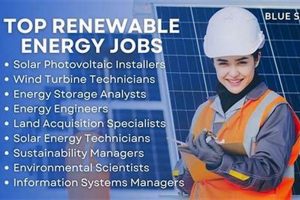
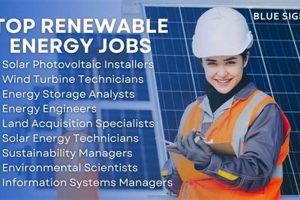
Employment opportunities within Connecticut’s burgeoning clean energy sector encompass a diverse range of specializations, from design and installation of solar panels and wind turbines to research and development of innovative energy storage solutions. For example, technicians are needed to maintain and repair wind turbines, while engineers design and implement smart grid technologies.
Growth in this sector provides economic advantages to the state, including increased employment opportunities and reduced reliance on fossil fuels. This transition to sustainable practices also contributes to a healthier environment, mitigating the effects of climate change. Historically, Connecticut has demonstrated a commitment to environmental stewardship, and the current expansion of its clean energy workforce aligns with this legacy.
This article will further explore specific career paths, required skill sets, and educational programs relevant to Connecticut’s vibrant sustainable energy industry. Additionally, it will examine the state’s policies and initiatives that support clean energy development and analyze future projections for employment growth in this field.
Tips for Pursuing Employment in Connecticut’s Clean Energy Sector
Navigating the green employment landscape requires strategic planning and a clear understanding of the industry’s nuances. The following tips provide guidance for individuals interested in pursuing careers within Connecticut’s renewable energy field.
Tip 1: Research Specific Clean Energy Sub-Sectors: The industry encompasses diverse areas, including solar, wind, energy efficiency, and energy storage. Focusing on a specific area of interest allows for targeted skill development and networking.
Tip 2: Develop Relevant Skills: Technical skills, such as electrical engineering or software development, are highly valued. Complementing these with strong communication and problem-solving abilities enhances employability.
Tip 3: Network with Industry Professionals: Attending industry events, joining professional organizations, and connecting with individuals already working in the field can provide valuable insights and potential job leads.
Tip 4: Explore Educational and Training Opportunities: Connecticut offers various educational programs and training courses tailored to the renewable energy sector. These programs provide the necessary knowledge and credentials to excel in this field.
Tip 5: Stay Informed about Industry Trends and Policies: The clean energy sector is constantly evolving. Keeping abreast of the latest technological advancements, policy changes, and market trends provides a competitive edge.
Tip 6: Utilize Online Resources: Job boards, industry publications, and government websites offer valuable information on available positions, industry trends, and state incentives for clean energy employment.
By following these recommendations, individuals can effectively position themselves for success within Connecticut’s dynamic clean energy job market. These strategies will assist job seekers in gaining a competitive edge and securing rewarding positions.
This information provides a foundation for a successful career in Connecticut’s clean energy sector. The following conclusion will summarize the key benefits of pursuing employment in this growing field.
1. Solar Installation

Solar installation represents a significant portion of Connecticut’s renewable energy job market. The increasing demand for solar energy systems creates numerous opportunities across the state, driving workforce development and economic growth within the clean energy sector.
- Residential Installations
Residential solar installations involve designing and implementing photovoltaic (PV) systems on homes. This includes site assessments, system design, permitting, installation of panels, and connection to the electrical grid. The growing adoption of rooftop solar in Connecticut fuels continuous demand for skilled installers in this area.
- Commercial Installations
Commercial solar projects, encompassing businesses and public buildings, require specialized expertise due to larger system sizes and more complex integration with existing infrastructure. These projects often necessitate collaboration between engineers, electricians, and project managers, providing diverse employment opportunities within the solar industry.
- Utility-Scale Installations
Large-scale solar farms contribute significantly to Connecticut’s renewable energy portfolio. These projects create numerous jobs during the construction phase and require ongoing maintenance and operations personnel, contributing to long-term employment opportunities within the state.
- Operations and Maintenance
Ensuring the continued performance of installed solar systems requires specialized technicians for routine maintenance, troubleshooting, and repairs. This growing area of specialization emphasizes the importance of long-term job creation within the solar sector, extending beyond the initial installation phase.
The diverse range of solar installation projects across residential, commercial, and utility-scale applications demonstrates the robust growth and significant contribution of this sub-sector to Connecticut’s renewable energy job market. These opportunities, spanning from initial design and installation to ongoing operation and maintenance, solidify solar power as a key driver of clean energy employment within the state.
2. Wind Turbine Technician
Wind turbine technicians play a critical role in Connecticut’s renewable energy job landscape. Their specialized skills are essential for maintaining and optimizing the performance of wind energy projects across the state, contributing directly to clean energy generation and grid stability. This demand for skilled technicians stems from the increasing number of onshore and offshore wind farms being developed and deployed in Connecticut as the state strives to meet its renewable energy targets.
The role of a wind turbine technician encompasses a variety of responsibilities, including routine inspections, preventative maintenance, troubleshooting mechanical and electrical issues, and performing repairs on wind turbines. These tasks require a strong understanding of complex machinery, hydraulics, electrical systems, and safety protocols. For instance, technicians perform regular inspections of gearboxes, generators, and blades to ensure optimal performance and identify potential issues before they escalate. They also conduct diagnostic testing and troubleshoot malfunctions, using specialized tools and software to analyze data and pinpoint the root cause of problems. Furthermore, technicians play a crucial role in ensuring the safety and reliability of wind energy projects by adhering to strict safety regulations and implementing best practices for operation and maintenance.
The growing importance of wind energy in Connecticut’s energy mix directly translates to increased demand for qualified wind turbine technicians. This demand fuels workforce development initiatives, specialized training programs, and career pathways within the state’s renewable energy sector. Addressing this demand requires ongoing investment in training and education to equip individuals with the technical skills and knowledge necessary to succeed in this specialized field. The future of wind energy in Connecticut relies heavily on the availability of a skilled workforce capable of maintaining and optimizing these critical clean energy assets. Ultimately, the expertise of wind turbine technicians is vital for ensuring the long-term sustainability and success of wind energy projects, contributing significantly to Connecticut’s clean energy goals and economic growth.
3. Energy Efficiency Auditing

Energy efficiency auditing plays a crucial role in Connecticut’s renewable energy landscape. By identifying opportunities to reduce energy consumption, these audits contribute significantly to the state’s clean energy goals. This sector creates numerous specialized jobs, driving economic growth while simultaneously reducing environmental impact.
- Building Envelope Analysis
Assessing a building’s thermal performance involves evaluating insulation levels, window efficiency, and air leakage. For example, an auditor might use infrared cameras to detect heat loss through walls. These analyses inform recommendations for improvements, creating opportunities for insulation installers, window replacement specialists, and other related professions within Connecticut’s renewable energy sector.
- HVAC System Evaluation
Heating, ventilation, and air conditioning (HVAC) systems often account for a significant portion of a building’s energy consumption. Auditors evaluate HVAC equipment efficiency and ductwork integrity. Identifying outdated or inefficient systems creates demand for HVAC technicians specializing in high-efficiency equipment installation and maintenance, directly impacting job growth in Connecticut’s clean energy industry.
- Lighting Assessments
Auditors analyze existing lighting systems, considering factors like fixture type, bulb efficiency, and lighting controls. Recommending upgrades to LED lighting and implementing smart lighting controls generates demand for electricians and lighting specialists proficient in energy-efficient technologies, further contributing to the expansion of renewable energy jobs in Connecticut.
- Data Analysis and Reporting
Auditors collect and analyze energy consumption data to identify trends and areas for improvement. Generating comprehensive reports with specific recommendations requires analytical skills and expertise in energy modeling software. This specialization creates opportunities for energy analysts and consultants, contributing to the diverse range of professions within Connecticut’s renewable energy sector.
These facets of energy efficiency auditing highlight its interconnectedness with Connecticut’s renewable energy job market. By identifying energy-saving opportunities, these audits drive demand for skilled professionals in various areas, contributing to both economic growth and environmental sustainability within the state. The increasing emphasis on energy efficiency strengthens the link between these specialized audits and the broader clean energy goals of Connecticut, underscoring the importance of this sector in achieving a sustainable energy future.
4. Policy Analyst
Policy analysts play a critical role in the development and implementation of policies that support Connecticut’s renewable energy sector. Their work directly influences the growth and stability of clean energy jobs by shaping the regulatory landscape and creating incentives for investment. Effective policies can stimulate market demand for renewable energy technologies, leading to increased employment opportunities in areas like solar installation, wind turbine maintenance, and energy efficiency auditing. For example, a policy analyst might contribute to the design of a renewable portfolio standard (RPS) that mandates a certain percentage of electricity generation from renewable sources. This, in turn, drives demand for renewable energy projects, creating jobs throughout the supply chain.
Analyzing existing policies and identifying areas for improvement is crucial for maximizing the effectiveness of government interventions in the renewable energy market. Policy analysts assess the impact of different policy mechanisms, such as tax credits, rebates, and feed-in tariffs, to determine their effectiveness in promoting clean energy adoption and job creation. They also conduct research on best practices from other states and countries to inform policy recommendations. For instance, a policy analyst might study the success of a particular incentive program in another state and adapt it to the specific context of Connecticut’s energy market. By staying informed about industry trends and technological advancements, policy analysts can ensure that policies remain relevant and effective in supporting the continued growth of the renewable energy sector.
The effectiveness of policies designed to promote renewable energy and create jobs depends heavily on thorough analysis, stakeholder engagement, and ongoing evaluation. Policy analysts must consider the potential economic, environmental, and social impacts of proposed policies. Engaging with diverse stakeholders, including industry representatives, environmental advocates, and community members, is essential for developing policies that address the needs of all constituents. Furthermore, continuous monitoring and evaluation of policy outcomes are crucial for identifying areas for improvement and ensuring that policies remain aligned with Connecticut’s clean energy goals. The ongoing work of policy analysts is therefore vital for ensuring a sustainable and thriving renewable energy sector in Connecticut.
5. Research & Development

Research and development (R&D) forms the cornerstone of advancements within Connecticut’s renewable energy sector, directly impacting job creation and economic growth. Investments in R&D drive innovation in critical areas such as energy storage, smart grid technologies, and advanced materials for solar panels and wind turbines. This innovation leads to the development of more efficient and cost-effective renewable energy solutions, stimulating market demand and creating new employment opportunities. For example, breakthroughs in battery technology can lead to increased demand for skilled workers in battery manufacturing and energy storage system installation, directly contributing to Connecticut’s renewable energy job market.
The development of new technologies and processes through R&D not only creates new jobs but also enhances the skillsets required within the existing workforce. As technologies evolve, workers need to adapt and acquire new skills to remain competitive. This necessitates ongoing training and education programs focused on the latest advancements in renewable energy. For instance, the increasing complexity of smart grid systems requires skilled technicians and engineers capable of managing and maintaining these sophisticated networks. This demand for advanced skills fuels workforce development initiatives and educational partnerships between industry and academia, further strengthening Connecticut’s renewable energy workforce.
Continued investment in R&D is essential for maintaining Connecticut’s competitiveness within the rapidly evolving renewable energy landscape. A strong R&D ecosystem attracts private sector investment, fosters innovation hubs, and creates a pipeline of skilled workers to support the growth of the industry. Furthermore, R&D plays a crucial role in addressing critical challenges such as grid integration, energy storage, and the development of sustainable manufacturing processes. Overcoming these challenges is vital for ensuring the long-term viability and success of Connecticut’s renewable energy sector, contributing to both economic prosperity and environmental sustainability.
6. Project Management
Project management constitutes a critical function within Connecticut’s renewable energy sector, encompassing the planning, execution, and completion of diverse projects, ranging from residential solar installations to large-scale wind farms. Effective project management ensures projects are completed on time and within budget, directly impacting the profitability and sustainability of renewable energy ventures. This specialized expertise is essential for coordinating various stakeholders, including engineers, contractors, permitting agencies, and equipment suppliers, ensuring seamless project execution. For instance, a project manager overseeing the installation of a community solar project must navigate complex permitting processes, manage site preparation activities, oversee equipment procurement and installation, and ensure compliance with all relevant regulations. The success of such projects, and consequently the growth of the renewable energy sector in Connecticut, hinges on the competence of project managers to effectively navigate these complexities.
The demand for skilled project managers within Connecticut’s renewable energy industry stems from the increasing number and scale of projects being undertaken. As the state continues to transition towards cleaner energy sources, the complexity and scope of renewable energy projects also increase. This growth fuels the need for professionals capable of managing intricate project timelines, budgets, and stakeholder relationships. For example, the development of offshore wind farms requires meticulous planning and coordination, involving environmental impact assessments, logistical considerations for transporting and installing massive turbines, and ongoing maintenance strategies. The successful execution of these complex projects relies heavily on the expertise of project managers to navigate technical, logistical, and regulatory challenges. This demand reinforces the importance of project management as a key component of “renewable energy jobs ct,” contributing significantly to the growth and success of the sector.
Successful project management within the renewable energy sector necessitates a blend of technical expertise, financial acumen, and interpersonal skills. Project managers must possess a strong understanding of renewable energy technologies, permitting processes, and industry best practices. They must also be adept at managing budgets, negotiating contracts, and mitigating risks. Equally important are strong communication and leadership skills, essential for effectively coordinating diverse teams and ensuring project stakeholders are aligned. The growing complexity of renewable energy projects in Connecticut demands a sophisticated approach to project management, underscoring the critical role this function plays in achieving the state’s clean energy goals and fostering sustainable economic growth within the sector.
Frequently Asked Questions
This section addresses common inquiries regarding employment within Connecticut’s renewable energy sector.
Question 1: What types of jobs are available in Connecticut’s renewable energy sector?
Opportunities span various areas, including solar installation, wind turbine maintenance, energy efficiency auditing, policy analysis, research and development, and project management. Each area requires a specific skill set, offering diverse career paths.
Question 2: What qualifications are needed for these jobs?
Qualifications vary depending on the specific role. Technical skills are essential for many positions, while some roles require strong analytical, communication, and policy expertise. Relevant certifications and educational backgrounds are often preferred.
Question 3: How can one find available positions in this sector?
Online job boards, industry-specific websites, and state government resources provide listings of available positions. Networking with industry professionals and attending career fairs can also lead to employment opportunities.
Question 4: What is the growth potential for renewable energy jobs in Connecticut?
The sector is experiencing significant growth, driven by state policies and increasing demand for clean energy. This growth is projected to continue, offering promising career prospects for those entering the field.
Question 5: Are there training programs available for individuals interested in these careers?
Various training programs and educational institutions within Connecticut offer specialized courses and certifications relevant to the renewable energy industry. These programs provide the necessary skills and knowledge to succeed in this field.
Question 6: What are the average salaries for renewable energy jobs in Connecticut?
Salaries vary widely depending on the specific occupation, experience level, and employer. However, many positions within the renewable energy sector offer competitive salaries and benefits.
Understanding these key aspects of Connecticut’s renewable energy job market can assist individuals in making informed career decisions. This information provides a starting point for further exploration of specific career paths and opportunities within this dynamic field.
The following section will offer a conclusion to the article and summarize the key benefits of pursuing a career in Connecticut’s renewable energy sector.
Renewable Energy Jobs CT
Connecticut’s renewable energy sector offers diverse employment opportunities, spanning technical roles like solar installation and wind turbine maintenance to analytical positions such as policy analysis and research & development. The growth of this sector provides not only economic benefits through job creation but also contributes significantly to environmental sustainability by reducing reliance on fossil fuels. This article explored key areas within this field, highlighting required skill sets, educational pathways, and growth potential. The information presented provides a comprehensive overview of “renewable energy jobs CT,” emphasizing its importance within the state’s broader economic and environmental landscape.
The continued expansion of Connecticut’s renewable energy industry presents a unique opportunity for both economic advancement and environmental stewardship. Pursuing careers within this sector contributes to a more sustainable future for the state, while simultaneously providing individuals with rewarding and impactful employment opportunities. The transition to a cleaner energy economy requires a skilled workforce, and “renewable energy jobs CT” represents a critical pathway towards achieving this goal. Investing in this sector is an investment in Connecticut’s future, fostering both economic prosperity and a healthier environment.