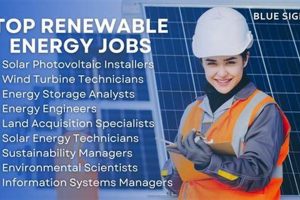
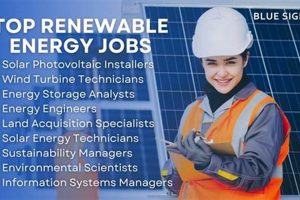
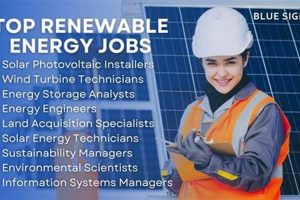
Leadership positions within the renewable energy sector encompassing oversight of projects, teams, and strategies related to sustainable power generation are in increasing demand. Such roles typically involve managing budgets, ensuring regulatory compliance, and driving innovation within solar, wind, hydro, geothermal, and biomass energy. For instance, a professional in this field might lead the development of a large-scale offshore wind farm project, overseeing everything from feasibility studies and permitting to construction and operation.
These leadership roles are crucial for the global transition to cleaner energy sources, combating climate change, and ensuring energy security. The expanding renewable energy sector offers significant economic opportunities, creating jobs and stimulating investment in new technologies. Historically, the energy landscape has been dominated by fossil fuels; however, growing environmental awareness and technological advancements are rapidly shifting the focus toward sustainable alternatives, leading to a surge in demand for experienced professionals capable of guiding this transition.
This article will delve into various aspects of careers in renewable energy leadership, covering topics such as required skills, educational backgrounds, career paths, salary expectations, and future industry trends.
Tips for Pursuing Leadership Roles in Renewable Energy
Navigating a career path toward leadership in the renewable energy sector requires strategic planning and focused effort. The following tips offer guidance for individuals seeking to advance within this dynamic and rapidly evolving field.
Tip 1: Develop Specialized Expertise: Deep knowledge in a specific area of renewable energy, such as solar photovoltaic technology, wind turbine engineering, or energy storage solutions, can significantly enhance career prospects.
Tip 2: Cultivate Strong Project Management Skills: Renewable energy projects are often complex, involving multiple stakeholders and intricate logistics. Honing project management skills is essential for successful leadership.
Tip 3: Build a Robust Professional Network: Actively participating in industry events, conferences, and online forums provides opportunities to connect with potential employers and mentors.
Tip 4: Stay Abreast of Industry Trends: The renewable energy sector is constantly evolving. Continuous learning through professional development courses, industry publications, and research is crucial for staying competitive.
Tip 5: Gain Practical Experience: Internships, entry-level positions, and volunteer work offer valuable hands-on experience and demonstrate commitment to the field.
Tip 6: Enhance Communication and Leadership Skills: Effectively conveying complex technical information and motivating teams are essential qualities for leadership roles. Seeking opportunities to develop these skills is highly beneficial.
Tip 7: Understand Regulatory and Policy Landscapes: Familiarity with relevant regulations, incentives, and policy frameworks governing renewable energy development is crucial for strategic decision-making.
By focusing on these key areas, individuals can position themselves for success and contribute meaningfully to the growth and development of the renewable energy sector.
These tips provide a starting point for individuals embarking on a career journey in renewable energy leadership. The following section will explore specific career paths and opportunities within this dynamic field.
1. Leadership

Leadership is an integral component of renewable energy director positions, serving as a driving force behind the successful transition to sustainable energy systems. Effective leadership within this sector necessitates a blend of technical acumen, strategic vision, and interpersonal skills to navigate the complexities of renewable energy project development and implementation. A leader in this field must effectively guide multidisciplinary teams, fostering collaboration and innovation to overcome technical challenges and achieve project milestones. For instance, a director overseeing the development of a new wind farm must coordinate engineers, environmental specialists, and regulatory experts to ensure the project adheres to technical specifications, environmental regulations, and budgetary constraints. Furthermore, leadership in renewable energy requires anticipating and adapting to the rapidly evolving technological landscape, fostering a culture of continuous learning and improvement within their organizations.
The impact of strong leadership extends beyond individual projects, influencing the overall growth and development of the renewable energy sector. Leaders who champion sustainable practices and advocate for policy changes contribute to the broader adoption of clean energy technologies. For example, a director committed to community engagement might spearhead initiatives to educate local residents about the benefits of renewable energy, fostering public support for new projects and accelerating the transition to a cleaner energy future. Moreover, effective leadership fosters a sense of purpose and inspires teams to overcome obstacles, driving progress toward ambitious sustainability goals. Navigating the complex regulatory landscape and securing funding for renewable energy projects often requires skilled leaders capable of building consensus among diverse stakeholders.
In summary, leadership in the renewable energy sector is not merely about managing projects; it is about shaping the future of energy. Leaders in this field must possess the vision to anticipate challenges, the expertise to develop innovative solutions, and the ability to inspire others to contribute to a sustainable future. Cultivating these leadership qualities is essential for driving the continued growth and success of the renewable energy industry and realizing its transformative potential.
2. Project Management
Project management forms a cornerstone of renewable energy director positions. These roles demand oversight of complex projects, often involving multiple stakeholders, intricate logistics, and substantial financial investments. Effective project management ensures projects progress on schedule, within budget, and meet predefined performance metrics. For instance, constructing a large-scale solar farm necessitates careful coordination of various phases, from site selection and permitting to procurement of equipment and grid integration. A director’s project management skills are crucial in orchestrating these interconnected elements, mitigating potential delays and cost overruns. Furthermore, adapting to unforeseen challenges, such as supply chain disruptions or regulatory changes, requires agile project management practices to maintain project viability and minimize negative impacts.
The scale and complexity of renewable energy projects amplify the importance of robust project management. Consider offshore wind farm development, which involves intricate engineering feats, environmental impact assessments, and coordination with maritime authorities. A director’s ability to manage these complexities directly influences the project’s success, impacting factors such as energy generation capacity, cost-effectiveness, and adherence to environmental regulations. Moreover, managing stakeholder expectations, including investors, community members, and government agencies, necessitates clear communication and transparent reporting throughout the project lifecycle. Effective project management frameworks, such as Agile or Waterfall methodologies, provide structured approaches to navigate these intricate dynamics, ensuring projects remain aligned with overarching strategic objectives.
In conclusion, proficient project management is not merely a desirable skill but a fundamental requirement for renewable energy directors. It serves as the linchpin for successful project delivery, ultimately contributing to the growth and sustainability of the renewable energy sector. The ability to navigate complexity, mitigate risks, and effectively allocate resources directly impacts the viability and long-term success of renewable energy initiatives. Developing and refining these skills is paramount for individuals seeking leadership roles within this rapidly evolving field.
3. Technical Expertise

Technical expertise is paramount for individuals pursuing or occupying renewable energy director positions. A deep understanding of the underlying technologies, engineering principles, and scientific concepts governing renewable energy systems is crucial for effective leadership and decision-making. This expertise enables directors to evaluate emerging technologies, assess project feasibility, manage technical risks, and guide their teams toward successful project implementation.
- Renewable Energy Technologies
Profound knowledge of various renewable energy technologies, including solar photovoltaic, wind turbine systems, hydropower, geothermal, and biomass energy, is essential. This includes understanding the principles of energy conversion, system design, performance characteristics, and operational requirements. For example, a director evaluating a potential solar project must possess the technical knowledge to assess the suitability of different solar panel technologies, considering factors such as efficiency, cost, and environmental impact.
- Energy Storage Solutions
Familiarity with energy storage technologies, including batteries, pumped hydro, and thermal storage, is increasingly critical for managing the intermittency of renewable energy sources. A director must understand the technical aspects of different storage solutions, their integration with renewable energy systems, and their impact on grid stability. For instance, integrating battery storage into a solar farm requires technical expertise to optimize system performance and ensure reliable power delivery.
- Grid Integration and Management
A strong understanding of power grid infrastructure, grid integration challenges, and smart grid technologies is vital for ensuring seamless integration of renewable energy sources. Directors must possess technical expertise to evaluate grid compatibility, manage power flow, and ensure grid stability. For example, connecting a large wind farm to the grid requires technical knowledge of transmission lines, substations, and grid management systems.
- Data Analysis and Modeling
Proficiency in data analysis, energy modeling software, and performance monitoring tools is essential for optimizing renewable energy system design and operation. Directors use technical data to assess project viability, predict energy output, and identify areas for improvement. For instance, analyzing wind data and using modeling software allows directors to optimize turbine placement and maximize energy generation.
These interconnected facets of technical expertise are crucial for effective leadership in the renewable energy sector. Directors possessing this deep understanding are better equipped to navigate the technical complexities of renewable energy projects, make informed decisions, and drive innovation within their organizations. This ultimately contributes to the successful development and deployment of sustainable energy solutions, advancing the global transition to a cleaner energy future.
4. Strategic Planning
Strategic planning is an indispensable element of renewable energy director jobs, providing the roadmap for navigating the complexities of the energy transition. These roles require a forward-thinking approach to align renewable energy initiatives with organizational goals, market dynamics, and evolving policy landscapes. Effective strategic planning enables directors to anticipate challenges, seize opportunities, and guide their organizations toward a sustainable energy future.
- Market Analysis and Forecasting
Understanding market trends, analyzing competitor strategies, and forecasting future energy demand are crucial for informed decision-making. A director might analyze the growth potential of solar energy in a specific region, considering factors such as government incentives, electricity prices, and consumer adoption rates. This analysis informs decisions regarding investment in solar projects, technology selection, and market positioning.
- Policy and Regulatory Analysis
Navigating the complex regulatory landscape governing renewable energy development requires a deep understanding of policy frameworks, permitting processes, and incentive programs. A director involved in wind farm development must navigate environmental regulations, secure permits, and leverage government incentives to ensure project feasibility and compliance. Strategic planning accounts for potential policy changes and their impact on project timelines and profitability.
- Technology Roadmap Development
Evaluating emerging technologies, assessing their potential, and developing a technology roadmap are essential for maintaining a competitive edge. A director might analyze the potential of hydrogen fuel cells, considering their technical maturity, cost trajectory, and potential applications within the energy sector. This informs decisions regarding research and development investments, technology adoption strategies, and long-term innovation plans.
- Stakeholder Engagement and Partnership Building
Building strong relationships with key stakeholders, including government agencies, community groups, investors, and technology providers, is crucial for successful project development and implementation. A director might engage with local communities to address concerns regarding the visual impact of wind turbines, fostering public support for the project. Strategic stakeholder engagement builds trust, facilitates collaboration, and ensures alignment with community interests.
These facets of strategic planning are integral to the success of renewable energy directors. By effectively analyzing market dynamics, navigating regulatory landscapes, charting technology roadmaps, and engaging stakeholders, directors position their organizations for long-term growth and contribute significantly to the global transition toward sustainable energy systems. The ability to think strategically, anticipate future trends, and adapt to evolving circumstances is paramount for leadership within this dynamic and transformative sector.
5. Sustainability Focus

Sustainability serves as a core principle guiding the work of renewable energy directors. These leadership roles necessitate a deep commitment to environmental stewardship, social responsibility, and long-term economic viability. A sustainability focus shapes decision-making processes, influences project development strategies, and drives innovation within the renewable energy sector. Integrating sustainability principles into every facet of operations is crucial for maximizing the positive impact of renewable energy projects and ensuring a truly sustainable energy future.
- Environmental Impact Mitigation
Minimizing the environmental footprint of renewable energy projects is paramount. Directors prioritize strategies to reduce land use, protect biodiversity, and minimize water consumption. For example, a solar farm project might incorporate native vegetation within the site to enhance biodiversity and minimize soil erosion. Life cycle assessments of renewable energy technologies inform decisions regarding material selection, manufacturing processes, and end-of-life management to minimize overall environmental impact.
- Social Equity and Community Engagement
Renewable energy projects should benefit local communities and promote social equity. Directors prioritize community engagement, ensuring projects align with local needs and create economic opportunities for residents. For instance, a wind farm project might establish a community benefit fund to support local schools or infrastructure development. Engaging with indigenous communities and respecting land rights are crucial aspects of socially responsible renewable energy development.
- Circular Economy Principles
Integrating circular economy principles into renewable energy operations minimizes waste and maximizes resource utilization. Directors explore strategies for recycling and repurposing materials, extending the lifespan of renewable energy equipment, and minimizing the environmental impact of manufacturing processes. For example, a solar panel recycling program recovers valuable materials and reduces landfill waste. Embracing circularity fosters resource efficiency and contributes to a more sustainable industrial ecosystem.
- Long-Term Value Creation
Sustainability extends beyond environmental considerations to encompass long-term economic viability. Directors prioritize investments in durable, reliable technologies, ensuring renewable energy projects generate stable returns and contribute to long-term economic growth. For example, investing in high-quality wind turbines with long operational lifespans maximizes the economic benefits of a wind farm project. A sustainability focus fosters resilient infrastructure, creates jobs, and strengthens local economies.
These interconnected facets of sustainability demonstrate the holistic approach required of renewable energy directors. By prioritizing environmental stewardship, social responsibility, and long-term economic value creation, these leaders drive the development of truly sustainable energy systems. This integrated approach maximizes the positive impacts of renewable energy, contributing to a cleaner, more equitable, and prosperous future.
Frequently Asked Questions about Renewable Energy Director Roles
This section addresses common inquiries regarding careers in renewable energy leadership, providing concise and informative responses to facilitate informed career decisions.
Question 1: What educational qualifications are typically required for these positions?
A master’s degree in engineering, environmental science, business administration, or a related field is often preferred. Relevant certifications, such as Certified Energy Manager (CEM), can further enhance career prospects.
Question 2: What range of salaries can individuals expect in these roles?
Compensation varies based on experience, location, and company size, but typically ranges from $100,000 to $250,000 per year, with potential for bonuses and stock options.
Question 3: What are the typical career progression paths within this field?
Individuals often begin in technical roles, progressing to project management, and eventually leadership positions. Career advancement can lead to executive roles such as Chief Sustainability Officer or Vice President of Renewable Energy.
Question 4: What are the key skills necessary for success in these positions?
Essential skills include technical expertise, project management, financial acumen, communication, leadership, and strategic planning. A strong understanding of regulatory frameworks and policy landscapes is also beneficial.
Question 5: What are the future prospects for employment in this sector?
The renewable energy sector is experiencing rapid growth, driven by increasing demand for clean energy solutions. This growth translates into significant employment opportunities across various sub-sectors, including solar, wind, and energy storage.
Question 6: What are some common misconceptions about these careers?
One misconception is that these roles are solely technical. While technical expertise is important, leadership, communication, and business acumen are equally crucial for success in these multifaceted positions.
Understanding these aspects of renewable energy director roles provides a foundation for informed career planning. This information assists individuals in assessing career fit, identifying necessary skills, and pursuing relevant educational and professional development opportunities.
The following section will explore current job openings and resources for individuals seeking employment in this dynamic field.
Conclusion
This exploration of renewable energy director positions has highlighted their multifaceted nature, encompassing technical expertise, strategic vision, and a commitment to sustainability. These roles demand a unique blend of skills, from navigating complex project management challenges to fostering innovation and driving organizational growth within the rapidly evolving renewable energy landscape. The increasing global demand for clean energy solutions underscores the critical importance of these leadership positions in shaping a sustainable energy future.
The transition to a cleaner energy future hinges on the leadership and vision of professionals dedicated to advancing sustainable solutions. Individuals seeking careers in renewable energy leadership must embrace continuous learning, cultivate essential skills, and actively contribute to the growth of this transformative sector. The future of energy depends on the commitment and ingenuity of those who lead the charge toward a more sustainable world.