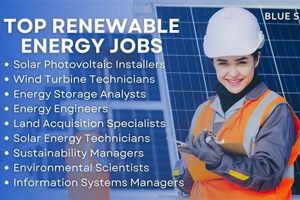
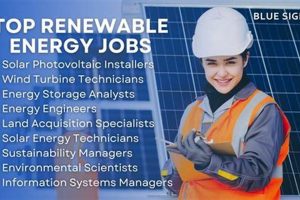
The renewable energy sector encompasses a wide range of career opportunities related to the research, development, manufacturing, installation, and maintenance of technologies harnessing sustainable energy sources. Examples include solar panel installers, wind turbine technicians, and biofuel processing engineers. These roles often require specialized skills and training, reflecting the technically demanding nature of this evolving field.
The growing importance of mitigating climate change and achieving energy independence has fueled significant expansion within this employment sector. This growth presents opportunities for both economic development and skilled workforce training. Historically, fossil fuels dominated the energy landscape, but the increasing cost-competitiveness and environmental advantages of renewables have driven a significant shift towards sustainable alternatives, creating a burgeoning job market.
Further exploration will delve into specific career paths within the renewable energy sector, required qualifications, potential salary expectations, and future prospects for employment growth. Additionally, resources for job seekers and educational opportunities will be highlighted.
Tips for Pursuing a Career in Renewable Energy
Navigating the renewable energy job market requires strategic planning and a clear understanding of the sector’s nuances. The following tips offer guidance for individuals interested in pursuing a career in this dynamic field.
Tip 1: Identify Specific Areas of Interest: The renewable energy sector encompasses diverse specializations, from solar and wind power to geothermal and bioenergy. Focusing on a specific area allows for targeted skill development and career planning.
Tip 2: Develop Relevant Skills: Technical skills are highly valued. Consider pursuing certifications or advanced degrees in engineering, computer science, or related fields. Strong analytical and problem-solving abilities are also crucial.
Tip 3: Network Strategically: Attend industry conferences, join professional organizations, and connect with individuals working in renewable energy. Networking can provide valuable insights and potential job leads.
Tip 4: Research Companies and Organizations: Identify companies and organizations actively involved in renewable energy projects. Understanding their missions, values, and specific needs can increase the effectiveness of job applications.
Tip 5: Gain Practical Experience: Internships, volunteer work, or entry-level positions offer valuable hands-on experience and can enhance career prospects. Even small-scale projects or independent research can demonstrate initiative and passion.
Tip 6: Stay Updated on Industry Trends: The renewable energy sector is constantly evolving. Staying informed about technological advancements, policy changes, and market trends is essential for career advancement.
Tip 7: Highlight Transferable Skills: Even if prior experience is not directly related to renewable energy, transferable skills such as project management, data analysis, and communication are highly valued.
By implementing these strategies, individuals can effectively position themselves for success in the competitive yet rewarding field of renewable energy. These proactive steps can lead to fulfilling careers that contribute to a sustainable future.
This foundation of career-focused advice leads into a discussion of the broader impacts of the renewable energy sector on the global economy and environment.
1. Growing Demand

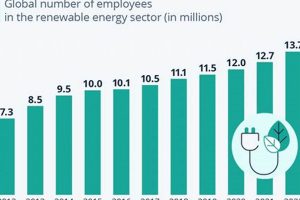
The increasing global demand for renewable energy sources serves as a primary driver for job creation within the sector. This demand stems from several converging factors, including growing concerns about climate change, governmental policies promoting sustainable energy adoption, and decreasing costs associated with renewable energy technologies. As nations and corporations commit to reducing carbon emissions and achieving energy independence, the need for professionals capable of developing, implementing, and maintaining renewable energy systems intensifies. For instance, the rising popularity of electric vehicles directly fuels demand for lithium-ion battery production and related infrastructure, creating new employment opportunities throughout the supply chain.
This growing demand translates into tangible career opportunities across a spectrum of roles. Engineers specializing in wind turbine design, solar panel installation technicians, and specialists in grid integration are increasingly sought after. Furthermore, the demand extends beyond technical roles, encompassing areas such as project management, finance, sales, and policy analysis within the renewable energy sector. The expansion of renewable energy projects necessitates skilled professionals to manage these complex undertakings, secure funding, and navigate regulatory landscapes. For example, the development of large-scale solar farms requires project managers to oversee construction, coordinate logistics, and ensure compliance with environmental regulations.
Understanding the direct link between growing demand and job creation within the renewable energy sector provides valuable insights for individuals considering careers in this field. While challenges such as workforce training and infrastructure development remain, the overall trend points toward sustained growth and a positive long-term outlook for employment. This dynamic interplay between demand, innovation, and policy underscores the significant role of the renewable energy sector in shaping future economic and environmental landscapes.
2. Diverse Skillsets
The renewable energy sector’s multidisciplinary nature necessitates a broad range of skillsets. Successful project execution relies on expertise spanning technical, managerial, financial, and policy domains. Understanding this diverse skills landscape is crucial for individuals seeking career opportunities and for organizations aiming to build effective teams.
- Engineering and Technical Skills
Engineering expertise forms the backbone of renewable energy development. Specializations such as electrical, mechanical, and chemical engineering are essential for designing, constructing, and maintaining renewable energy systems. For example, electrical engineers design and optimize grid integration strategies for solar and wind farms, while mechanical engineers contribute to turbine design and efficiency improvements. These technical skills are fundamental to project success and technological advancement within the sector.
- Project Management and Coordination
Renewable energy projects often involve complex logistical coordination, requiring skilled project managers to oversee various stages, from planning and permitting to construction and commissioning. Effective project management ensures timely completion, cost control, and adherence to regulatory requirements. For instance, coordinating the installation of a rooftop solar system involves managing equipment deliveries, scheduling installations, and ensuring compliance with building codes and safety standards.
- Financial and Investment Expertise
Financing plays a critical role in renewable energy projects. Financial analysts and investment professionals assess project viability, secure funding, and manage financial risks. Understanding complex financial models and investment strategies is essential for attracting capital and ensuring project sustainability. For example, evaluating the return on investment for a wind farm requires analyzing energy production forecasts, operating costs, and market prices for electricity.
- Policy and Regulatory Analysis
Government policies and regulations significantly influence the renewable energy landscape. Policy analysts and legal experts navigate complex regulatory frameworks, advocate for supportive policies, and ensure compliance with existing regulations. Their expertise is crucial for shaping the industry’s future and creating a favorable environment for investment and growth. Analyzing the impact of carbon pricing policies on renewable energy adoption, for instance, requires understanding policy mechanisms, market dynamics, and environmental regulations.
The convergence of these diverse skillsets is essential for driving innovation and achieving widespread adoption of renewable energy technologies. Understanding the interplay between these areas offers valuable insights into the complex dynamics of the renewable energy sector and the breadth of career opportunities it presents. This interdisciplinary approach fosters a robust and adaptable workforce capable of addressing the evolving challenges and opportunities within the field.
3. Technological Advancement

Technological advancement serves as a crucial catalyst for growth and transformation within the renewable energy job market. Continuous innovation drives down costs, improves efficiency, and expands the applications of renewable energy technologies, creating new opportunities and specializations within the workforce. Understanding the interplay between technological progress and employment dynamics is essential for navigating the evolving renewable energy landscape.
- Automation and Robotics
Automation and robotics are increasingly integrated into renewable energy operations, impacting manufacturing processes, installation techniques, and maintenance procedures. Automated assembly lines for solar panels, for example, increase production efficiency and reduce labor costs. While automation may displace some traditional roles, it simultaneously creates new opportunities in areas such as robotics maintenance, software development, and data analysis. This shift necessitates workforce adaptation and the development of new skills to meet the evolving demands of the industry.
- Energy Storage Solutions
Advancements in energy storage technologies, such as improved battery chemistries and pumped hydro storage, address the intermittent nature of renewable energy sources like solar and wind. These advancements create opportunities for specialists in battery management systems, grid integration, and energy storage optimization. For instance, the development of more efficient and cost-effective batteries expands the potential for grid-scale energy storage, creating demand for engineers and technicians specializing in these technologies.
- Smart Grid Technologies
Smart grid technologies enhance grid stability and optimize energy distribution, facilitating greater integration of renewable energy sources. These advancements create demand for professionals skilled in data analytics, cybersecurity, and network management within the energy sector. For example, implementing smart meters and grid sensors requires data analysts to interpret usage patterns and optimize energy flow, enhancing grid efficiency and reliability.
- Materials Science Innovation
Advancements in materials science contribute to improved performance and durability of renewable energy technologies. Developing more efficient solar cell materials, for instance, increases energy conversion rates and reduces manufacturing costs. This creates opportunities for materials scientists, chemists, and engineers specializing in the development and application of novel materials within the renewable energy sector.
These technological advancements not only drive the growth of the renewable energy sector but also shape the skills and expertise required within the workforce. Adapting to these technological changes through continuous learning and skills development is essential for individuals seeking successful and sustainable careers in this dynamic field. The ongoing interplay between technology and employment underscores the importance of investing in education and training to prepare the workforce for the evolving demands of the renewable energy industry.
4. Sustainability Focus

The inherent sustainability focus of the renewable energy sector forms a core driver for its growth and distinguishes it from traditional fossil fuel-based industries. This emphasis on environmental responsibility and long-term resource management directly influences career opportunities, attracting individuals motivated by contributing to a more sustainable future. Understanding this connection between sustainability and employment is crucial for navigating the renewable energy job market.
- Environmental Preservation
Renewable energy technologies mitigate the environmental impacts associated with fossil fuel consumption, such as air and water pollution, greenhouse gas emissions, and habitat destruction. Jobs focused on deploying solar or wind power directly contribute to reducing carbon footprints and protecting ecosystems. For example, a wind turbine technician contributes to cleaner air by facilitating wind energy generation, replacing fossil fuel-based electricity production. This direct link between employment and environmental preservation motivates many individuals seeking careers in the renewable energy sector.
- Resource Conservation
Renewable energy sources, such as solar, wind, and hydro, are naturally replenished, unlike finite fossil fuel reserves. Jobs focused on harnessing these resources contribute to long-term resource management and reduce reliance on depleting resources. For example, a solar panel installer helps utilize a readily available and renewable energy source, reducing dependence on finite fossil fuels and promoting energy independence. This focus on resource conservation aligns with broader sustainability goals and attracts individuals concerned about resource depletion and its long-term consequences.
- Social Equity and Community Development
The renewable energy sector often prioritizes community engagement and social equity considerations. Renewable energy projects can create local jobs, stimulate economic development in underserved communities, and improve energy access in remote areas. For instance, developing community-owned solar projects empowers local residents, generates economic benefits, and promotes energy independence within the community. This focus on social impact attracts individuals seeking careers that contribute to positive social change alongside environmental sustainability.
- Circular Economy Principles
The renewable energy sector increasingly incorporates circular economy principles, focusing on reducing waste, reusing materials, and extending the lifespan of products and components. Jobs focused on recycling solar panels or repurposing wind turbine blades, for example, contribute to minimizing environmental impact and maximizing resource utilization. This emphasis on circularity aligns with broader sustainability goals and creates new career opportunities within the sector. Developing innovative recycling processes for solar panel components, for instance, requires specialized skills and contributes to a more sustainable lifecycle management of renewable energy technologies.
These interconnected facets of sustainability influence career paths within the renewable energy sector and attract individuals driven by a desire to contribute to a more environmentally and socially responsible future. This emphasis on sustainability differentiates the renewable energy job market from traditional energy industries and fosters a sense of purpose and positive impact among its workforce. As the global transition to sustainable energy continues, the connection between sustainability focus and employment opportunities within the renewable energy sector will only strengthen, creating a virtuous cycle of environmental stewardship and economic growth.
5. Global Impact

The global impact of the renewable energy sector extends beyond national borders, influencing international cooperation, economic development, and environmental sustainability. This interconnectedness creates a complex web of opportunities and challenges, shaping the landscape of renewable energy jobs worldwide. Understanding this global context is crucial for navigating the international dimensions of the renewable energy job market.
Renewable energy technologies play a crucial role in addressing global climate change mitigation efforts. International collaborations, such as the Paris Agreement, foster cooperation on renewable energy deployment targets and technology transfer. This collaborative environment creates opportunities for professionals specializing in international policy, carbon markets, and cross-border project development. For example, expertise in navigating international carbon offsetting mechanisms is increasingly valuable as nations strive to meet emission reduction commitments. Furthermore, the global nature of climate change necessitates collaboration on research and development, creating opportunities for scientists and engineers specializing in climate modeling, renewable energy integration, and sustainable energy solutions.
Renewable energy projects can stimulate economic development in developing countries by creating local jobs, improving energy access, and reducing reliance on imported fossil fuels. The construction of a solar farm in a rural community, for instance, creates jobs for local installers, electricians, and maintenance personnel. This localized economic growth can have a ripple effect, stimulating related industries and improving overall quality of life. Furthermore, access to reliable electricity empowers communities, enabling businesses to thrive, supporting educational opportunities, and improving healthcare services. The decentralized nature of many renewable energy technologies makes them particularly suitable for remote areas lacking access to traditional grid infrastructure, further enhancing their global impact.
The global transition to renewable energy presents both opportunities and challenges. International competition for skilled labor, supply chain disruptions, and geopolitical factors can influence the availability and distribution of renewable energy jobs worldwide. Navigating these complexities requires a nuanced understanding of international markets, trade policies, and geopolitical dynamics. For example, fluctuations in the price of raw materials used in solar panel manufacturing can impact the profitability of renewable energy projects and influence employment levels. Furthermore, international trade agreements and tariffs can affect the competitiveness of renewable energy technologies in different markets, shaping the global landscape of the industry.
Frequently Asked Questions about Renewable Energy Careers
This section addresses common inquiries regarding career opportunities within the renewable energy sector. The responses provide concise yet informative answers to assist individuals exploring this dynamic field.
Question 1: What are the typical educational requirements for renewable energy jobs?
Educational requirements vary depending on the specific role. Entry-level positions may require technical certifications or associate degrees, while more specialized roles often necessitate bachelor’s or advanced degrees in engineering, science, or related fields. Specific certifications in areas like solar panel installation or wind turbine maintenance can also enhance career prospects.
Question 2: How competitive is the renewable energy job market?
The renewable energy sector is a growing field with increasing demand for skilled professionals. While competition exists, particularly for specialized roles, possessing relevant skills, experience, and education significantly enhances one’s competitiveness. Networking and staying updated on industry trends also provide a competitive edge.
Question 3: What are the typical salary expectations in renewable energy?
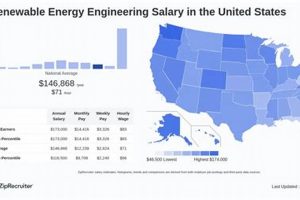
Salaries within the renewable energy sector vary based on factors such as job title, experience level, location, and company size. Generally, technical and specialized roles command higher salaries. Researching specific job titles and locations provides more accurate salary expectations.
Question 4: What are the long-term career prospects in this field?
The long-term career prospects in renewable energy are generally considered positive. The global transition to sustainable energy sources is expected to drive continued growth and create numerous job opportunities across various specializations within the sector. Continuous learning and adaptation to technological advancements are crucial for long-term career success.
Question 5: Are there opportunities for career advancement within renewable energy?
The renewable energy sector offers diverse opportunities for career advancement. Starting in entry-level positions and progressing to managerial or specialized roles is a common career trajectory. Continuous professional development, advanced certifications, and higher education can facilitate career advancement.
Question 6: How can one gain practical experience in renewable energy?
Gaining practical experience can significantly enhance job prospects. Internships, volunteer work with renewable energy organizations, and participation in research projects provide valuable hands-on experience. Even small-scale personal projects, such as installing residential solar panels, can demonstrate initiative and practical skills.
These responses offer a starting point for individuals exploring career paths within the renewable energy sector. Further research and engagement with industry professionals are encouraged to gain a more comprehensive understanding of specific career opportunities and requirements.
The following section delves into specific case studies of successful renewable energy projects and the career paths involved in their implementation.
Conclusion
Exploration of career opportunities within the renewable energy sector reveals a dynamic and evolving landscape. The increasing global demand for sustainable energy solutions drives robust job growth across diverse specializations, from engineering and technology to finance and policy. Technological advancements continuously reshape the sector, creating new roles and demanding adaptability within the workforce. The inherent sustainability focus of renewable energy attracts individuals driven by a desire to contribute to environmental preservation and a more sustainable future. The global impact of the sector extends beyond national borders, influencing international cooperation and economic development worldwide.
The transition to a sustainable energy future presents significant opportunities for individuals seeking meaningful and impactful careers. The renewable energy sector offers not only promising employment prospects but also the chance to contribute to a global effort addressing climate change and promoting environmental stewardship. Continued investment in education, training, and research will be crucial for developing a skilled workforce capable of meeting the evolving demands of this vital sector and shaping a sustainable energy future for generations to come.