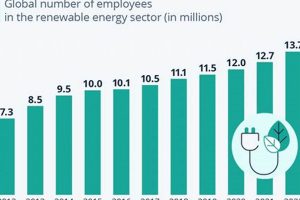
Legal professionals specializing in this field handle the complex regulatory, transactional, and litigation aspects of wind, solar, hydro, geothermal, and biomass energy projects. For example, they might negotiate power purchase agreements for a new solar farm or advise on the permitting process for an offshore wind project.
This specialized legal expertise plays a crucial role in facilitating the growth and development of sustainable energy infrastructure. By navigating the legal landscape of energy generation, transmission, and distribution from sustainable sources, these practitioners contribute significantly to combating climate change and promoting energy independence. The rising demand for clean energy has spurred a corresponding increase in the need for specialized legal counsel, reflecting the growing importance of this field in the 21st century.
The following sections will explore specific career paths, required skills and qualifications, and future trends within this dynamic area of legal practice.
Tips for Pursuing a Career in Renewable Energy Law
Navigating the legal complexities of the renewable energy sector requires careful planning and strategic decision-making. The following tips offer guidance for individuals interested in pursuing this challenging yet rewarding career path.
Tip 1: Develop a Strong Foundation in Environmental and Energy Law: A solid understanding of environmental regulations, energy policy, and related legal frameworks is essential. Focus on coursework and practical experience in these areas during legal studies.
Tip 2: Gain Practical Experience: Internships with government agencies, non-profit organizations, or private firms specializing in renewable energy provide invaluable practical experience and networking opportunities.
Tip 3: Network Strategically: Attend industry conferences, join relevant professional organizations, and connect with experienced practitioners to build a strong professional network.
Tip 4: Specialize in a Niche Area: Focus on a particular area within renewable energy law, such as project finance, regulatory compliance, or land use, to develop specialized expertise.
Tip 5: Stay Abreast of Industry Developments: The renewable energy sector is constantly evolving. Stay informed about policy changes, technological advancements, and market trends to remain competitive.
Tip 6: Cultivate Strong Analytical and Communication Skills: The ability to analyze complex legal issues and communicate effectively with clients, colleagues, and regulators is critical for success.
Tip 7: Consider Advanced Degrees or Certifications: An LL.M. in energy law or relevant certifications can enhance career prospects and demonstrate a commitment to the field.
By focusing on these key areas, aspiring legal professionals can position themselves for success in this dynamic and increasingly important field. These tips offer a roadmap to navigate the complexities of the industry and build a rewarding career.
The following section will offer concluding thoughts on career prospects and the long-term outlook for legal professionals in renewable energy.
1. Legal Expertise
Profound legal expertise forms the bedrock of successful renewable energy project implementation. This expertise encompasses a comprehensive understanding of the complex legal and regulatory frameworks governing renewable energy development, including permitting, land use, environmental compliance, and energy regulations. Cause and effect relationships are central to this field. For example, failure to adhere to specific environmental regulations can lead to project delays or even cancellations, highlighting the direct impact of legal expertise on project success. A real-world example is the legal navigation of migratory bird treaty act considerations in wind farm siting; inadequate legal expertise in this area could jeopardize project viability.
Legal expertise acts as a critical component within renewable energy law, enabling practitioners to effectively advise clients on a range of crucial matters. These include negotiating complex power purchase agreements (PPAs), structuring project finance transactions, securing necessary permits and approvals, and navigating land use and environmental regulations. A practical application of this understanding is evident in the due diligence process for acquiring a solar energy project. Thorough legal analysis of title issues, easements, and interconnection agreements is paramount to mitigate risk and ensure project feasibility. Similarly, expertise in tax equity structuring can significantly influence the financial viability of a renewable energy investment.
In conclusion, robust legal expertise is not merely advantageous but essential for successful outcomes in the renewable energy sector. The complexities of this field demand specialized knowledge and practical experience, encompassing both the transactional and regulatory aspects of project development. Understanding this connection allows for informed decision-making, risk mitigation, and the effective advancement of sustainable energy initiatives, crucial for addressing the global challenges of climate change and energy security. Furthermore, this expertise extends beyond individual projects, influencing policy development and shaping the future of the energy landscape.
2. Regulatory Compliance

Regulatory compliance forms a cornerstone of renewable energy law, impacting all stages of project development and operation. Renewable energy projects are subject to a complex web of federal, state, and local regulations, encompassing areas such as environmental protection, land use, permitting, interconnection, and energy markets. A cause-and-effect relationship exists between regulatory compliance and project success. Failure to comply can result in project delays, fines, legal challenges, and reputational damage, potentially jeopardizing project viability. Conversely, meticulous adherence to regulations streamlines project development, minimizes risks, and fosters stakeholder confidence.
Within the context of renewable energy lawyer jobs, regulatory compliance translates into a multitude of responsibilities. Lawyers specializing in this field advise clients on navigating the intricacies of environmental impact assessments, obtaining necessary permits and approvals, ensuring compliance with renewable portfolio standards, and adhering to interconnection agreements with grid operators. A practical example lies in the Federal Energy Regulatory Commission’s (FERC) jurisdiction over interstate transmission of electricity. Renewable energy lawyers must possess a deep understanding of FERC regulations to effectively guide clients through the interconnection process for large-scale wind or solar projects. Another example involves compliance with state-level renewable portfolio standards, which mandate a certain percentage of electricity generation from renewable sources. Lawyers assist clients in meeting these requirements through strategic project development and regulatory strategy.
In summary, regulatory compliance is not merely a checklist item but a dynamic and critical aspect of renewable energy law. Its mastery is essential for successful project development and operation, impacting everything from project timelines and costs to long-term viability. The complexities and evolving nature of energy regulations necessitate specialized legal expertise to navigate this landscape effectively. Understanding the intricacies of regulatory compliance enables informed decision-making, risk mitigation, and the ultimate advancement of sustainable energy goals. Furthermore, it contributes to building a robust and reliable renewable energy sector, essential for addressing climate change and ensuring long-term energy security.
3. Contract Negotiation

Contract negotiation is a critical component of renewable energy lawyer jobs, directly influencing project success and financial viability. Renewable energy projects involve a complex web of contractual agreements, including power purchase agreements (PPAs), engineering, procurement, and construction (EPC) contracts, equipment supply agreements, land leases, and financing agreements. The ability to effectively negotiate these contracts is paramount. A well-negotiated PPA, for example, secures a stable revenue stream for the project, while a poorly negotiated EPC contract can lead to cost overruns and delays. This cause-and-effect relationship underscores the importance of skilled contract negotiation in mitigating risks and maximizing project value.
Within the context of renewable energy law, contract negotiation responsibilities encompass a broad range of tasks. Lawyers specializing in this area draft, review, and negotiate contracts, ensuring they protect their clients’ interests while aligning with industry best practices and regulatory requirements. For instance, in negotiating a PPA for a solar project, a lawyer must carefully consider factors such as the tariff rate, term length, performance guarantees, and dispute resolution mechanisms. Similarly, in an EPC contract for a wind farm, the lawyer must address issues such as performance warranties, liquidated damages, and change order procedures. Practical applications of this expertise include securing favorable terms for interconnection agreements with grid operators, negotiating land leases for project sites, and structuring financing agreements with investors. A real-world example is the negotiation of a community benefit agreement for a wind project, where the lawyer balances the developer’s interests with the concerns of local communities.
In conclusion, contract negotiation expertise is not merely a desirable skill but a fundamental requirement for success in renewable energy law. The complexities of these projects demand meticulous attention to contractual detail, a thorough understanding of industry dynamics, and the ability to navigate complex negotiations. Mastering this skill enables the creation of robust contracts that mitigate risks, allocate responsibilities effectively, and ultimately facilitate the successful development and operation of renewable energy projects. This contributes directly to the growth of the renewable energy sector, supporting the transition to a sustainable energy future and addressing the global challenges of climate change and energy security.
4. Project Development

Project development forms a core aspect of renewable energy lawyer jobs, encompassing the entire lifecycle of a project from initial concept to commercial operation. Lawyers specializing in this area play a crucial role in navigating the complex legal and regulatory landscape, ensuring projects are developed efficiently, cost-effectively, and in compliance with all applicable requirements. This involvement spans various stages, including site selection, permitting, financing, construction, and commissioning.
- Due Diligence and Feasibility Studies
Initial stages of project development require thorough due diligence and feasibility studies. Lawyers assess legal risks associated with land acquisition, environmental permitting, interconnection agreements, and power purchase agreements. Real-world examples include reviewing title reports for potential land acquisition issues or analyzing environmental impact studies to identify potential legal challenges. Thorough due diligence minimizes risks and informs investment decisions, directly impacting project viability.
- Permitting and Approvals
Securing necessary permits and approvals is a critical and often complex aspect of project development. Renewable energy lawyers navigate the regulatory landscape, obtaining permits related to air and water quality, wildlife protection, land use, and building codes. An example includes obtaining a Clean Water Act permit for a hydropower project or securing a right-of-way grant for a transmission line. Efficiently managing the permitting process is crucial for maintaining project timelines and avoiding costly delays.
- Financing and Investment
Renewable energy projects require significant capital investment. Lawyers specializing in project finance structure complex financing arrangements, negotiate loan agreements, and advise on tax equity investments. Examples include structuring a tax equity partnership for a wind farm or negotiating a debt financing package for a solar project. Securing favorable financing terms is essential for project viability and maximizing investor returns.
- Construction and Commissioning
During the construction and commissioning phases, lawyers provide ongoing legal support, addressing issues related to contracts, regulatory compliance, and dispute resolution. This might involve negotiating change orders with contractors or resolving disputes with landowners. Effective legal management during these stages ensures projects are completed on time and within budget, minimizing potential legal and financial risks.
These interconnected facets of project development highlight the breadth and depth of legal expertise required in renewable energy law. Successful project development hinges on navigating complex legal and regulatory frameworks, mitigating risks, and securing favorable contractual agreements. Lawyers specializing in this area play a pivotal role in driving the growth of the renewable energy sector, contributing to a sustainable energy future and addressing the global challenges of climate change and energy security.
5. Policy Advocacy

Policy advocacy constitutes a significant dimension of renewable energy lawyer jobs, influencing the legal and regulatory frameworks governing the sector. These professionals engage with policymakers at local, state, and federal levels to shape energy policies that promote renewable energy development and deployment. Their advocacy work directly impacts market conditions, investment decisions, and the overall growth of the renewable energy industry.
- Legislative Advocacy
Renewable energy lawyers engage in legislative advocacy by drafting legislation, providing expert testimony to legislative committees, and lobbying elected officials. They advocate for policies that incentivize renewable energy development, such as tax credits, renewable portfolio standards, and streamlined permitting processes. A real-world example includes advocating for an extension of the federal investment tax credit for solar energy projects. Effective legislative advocacy shapes the legal landscape, creating favorable conditions for renewable energy investment and deployment.
- Regulatory Advocacy
Regulatory advocacy focuses on influencing the rulemaking process of administrative agencies responsible for implementing energy policy. Lawyers participate in public comment periods, submit petitions for rulemaking, and represent clients in regulatory proceedings. An example includes advocating for stricter emission standards for fossil fuel power plants before the Environmental Protection Agency. Successful regulatory advocacy ensures that regulations effectively promote renewable energy while safeguarding environmental interests.
- Public Advocacy and Education
Renewable energy lawyers engage in public advocacy and education to raise awareness about the benefits of renewable energy and build public support for supportive policies. They participate in public forums, publish articles and reports, and engage with community groups. An example includes educating the public about the economic benefits of wind energy development in rural communities. Public advocacy shapes public opinion, creating a favorable environment for policy change.
- Litigation and Legal Challenges
Policy advocacy can also involve litigation to challenge unfavorable regulations or defend existing policies that support renewable energy. Lawyers represent clients in lawsuits challenging regulatory decisions or defending against legal challenges to renewable energy projects. An example includes challenging a state regulation that restricts the development of rooftop solar installations. Litigation can be a powerful tool for shaping policy and protecting the interests of the renewable energy industry.
These interconnected facets of policy advocacy demonstrate the significant role renewable energy lawyers play in shaping the future of the energy sector. Their advocacy efforts influence policy decisions, create market opportunities, and drive the transition towards a sustainable energy future. By effectively engaging with policymakers, regulators, and the public, they contribute to a more favorable environment for renewable energy development and deployment, addressing the global challenges of climate change and energy security.
6. Litigation
Litigation plays a vital, albeit often reactive, role within renewable energy law. Disputes can arise at various stages of a project’s lifecycle, necessitating legal representation to protect client interests. These disputes can stem from contractual disagreements, regulatory challenges, land use conflicts, or environmental concerns. The cause-and-effect relationship between litigation outcomes and project success is clear: unfavorable legal outcomes can lead to project delays, increased costs, and even project cancellation. Conversely, successful litigation can protect project viability and ensure long-term operational success. For example, a developer might engage in litigation to challenge a local ordinance that unduly restricts solar panel installations, or a landowner might sue a wind farm operator over alleged noise pollution. The outcomes of such litigation directly impact project development and operation.
Renewable energy lawyers involved in litigation handle a range of tasks, including pre-litigation counseling, discovery, motion practice, trial preparation, and appeals. Practical applications of this expertise include representing clients in disputes related to power purchase agreements, easement agreements, environmental impact assessments, and regulatory compliance. A real-world example is the representation of a wind energy company in a lawsuit challenging the validity of a state’s renewable portfolio standard. The lawyer’s expertise in regulatory law and litigation strategy is crucial to defend the client’s interests and uphold the state’s commitment to renewable energy. Another example involves representing a community group challenging the approval of a solar project based on environmental concerns. Here, the lawyer’s understanding of environmental law and litigation procedures is essential for effectively advocating for the community’s interests.
In summary, litigation, while sometimes unavoidable, represents a critical aspect of renewable energy law. Its effective management is essential for protecting client interests, resolving disputes, and ensuring project success. The complexities of renewable energy projects, coupled with the evolving regulatory landscape, necessitate specialized legal expertise to navigate these challenges effectively. Understanding the nuances of litigation in this context allows for proactive risk management, informed decision-making, and the ultimate advancement of sustainable energy goals. Moreover, successful litigation outcomes can set precedents that shape future legal interpretations and influence the development of renewable energy policy, contributing to a more stable and predictable regulatory environment for the industry as a whole.
Frequently Asked Questions
This section addresses common inquiries regarding careers in renewable energy law, providing clarity for those interested in pursuing this field.
Question 1: What educational background is required for a career in renewable energy law?
A Juris Doctor (JD) degree from an accredited law school is essential. Specialization in environmental law, energy law, or a related field through coursework, certifications, or an LL.M. is highly advantageous.
Question 2: What are the typical career paths in renewable energy law?
Career paths include roles in law firms specializing in energy, government agencies responsible for environmental protection and energy regulation, in-house counsel for renewable energy companies, and non-profit organizations focused on environmental advocacy.
Question 3: What skills are essential for success in this field?
Essential skills include analytical and research abilities, strong written and oral communication, negotiation and drafting skills, a deep understanding of environmental and energy law, and knowledge of project finance and regulatory processes.
Question 4: What is the job outlook for renewable energy lawyers?
The job outlook is generally positive, driven by the increasing global demand for renewable energy sources and the complex legal and regulatory frameworks governing the sector.
Question 5: What are the typical starting salaries for renewable energy lawyers?
Starting salaries vary depending on factors such as location, firm size, and experience level. Entry-level positions typically offer competitive salaries commensurate with legal professionals in other specialized fields.
Question 6: How can I gain practical experience in renewable energy law while in law school?
Seeking internships with government agencies, non-profit organizations, or private firms specializing in energy law provides invaluable practical experience and networking opportunities. Participating in relevant student organizations and moot court competitions can also enhance practical skills and knowledge.
Understanding these key aspects of renewable energy law careers provides a foundation for informed career decisions. Further research and exploration within specific areas of interest are encouraged.
The next section will delve into future trends shaping the landscape of renewable energy law and offer insights into emerging career opportunities.
Conclusion
This exploration of legal careers within the renewable energy sector has highlighted the critical role such professionals play in facilitating the global transition to sustainable energy sources. From navigating complex regulatory frameworks and negotiating intricate contracts to advocating for policy changes and litigating critical disputes, these specialized practitioners are essential to the continued growth and success of the renewable energy industry. The increasing demand for clean energy, coupled with the evolving legal and regulatory landscape, underscores the significance of these roles in shaping a sustainable energy future.
The future of energy depends on continued innovation, investment, and a robust legal framework to support the sustainable development and deployment of renewable energy technologies. The demand for qualified legal professionals within this dynamic field is expected to remain strong, offering promising career opportunities for those committed to advancing a cleaner, more sustainable energy future. Continued professional development, specialization within niche areas, and a commitment to staying abreast of evolving industry trends will be crucial for success in this increasingly complex and vital area of legal practice.