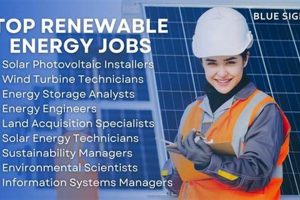
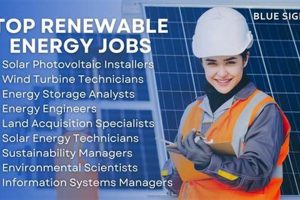
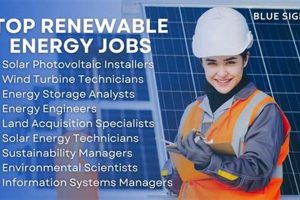
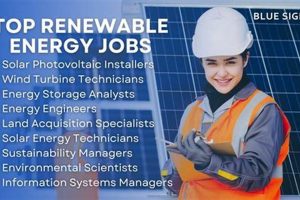
Temporary positions within the sustainable power sector offer opportunities to contribute to fields like solar, wind, hydropower, and geothermal energy. These roles can range from technical specialists installing and maintaining equipment to project managers overseeing development and implementation. For instance, a wind turbine technician might be hired for a fixed term to assist with the construction of a new wind farm.
Short-term engagements in the clean power industry provide a flexible career path for skilled professionals while also allowing companies to scale their workforce based on project needs. This dynamic employment model contributes significantly to the growth of the sustainable energy sector, enabling rapid expansion and innovation. Historically, relying on permanent staffing for project-based work has proven less agile and more costly. Temporary professional roles have become increasingly important as the demand for clean energy solutions accelerates.
This article explores the current landscape of temporary employment within the sustainable power sector, covering key areas such as available roles, required skillsets, hiring trends, and career development strategies.
Successfully pursuing temporary positions within the renewable energy sector requires a strategic approach. The following tips offer guidance for professionals seeking short-term engagements in this dynamic field.
Tip 1: Network Actively: Industry events, online forums, and professional organizations provide valuable opportunities to connect with potential employers and stay informed about upcoming projects.
Tip 2: Develop Specialized Skills: Expertise in areas like solar panel installation, wind turbine maintenance, or grid integration is highly sought after. Certifications and specialized training can enhance marketability.
Tip 3: Showcase Adaptability: Temporary roles often require flexibility and the ability to quickly integrate into new teams and project environments. Highlighting adaptability in resumes and interviews is crucial.
Tip 4: Understand Contract Terms: Carefully review contract details, including length of engagement, compensation, and benefits, before accepting an offer. Clarity on these aspects is essential for a positive work experience.
Tip 5: Maintain a Strong Online Presence: A professional online profile showcasing skills and experience can attract recruiters seeking candidates for short-term projects.
Tip 6: Seek Feedback and Learn Continuously: Requesting feedback from previous employers and actively pursuing professional development opportunities can enhance skills and improve prospects for future engagements.
Tip 7: Consider Location Flexibility: Many temporary roles require travel or relocation to project sites. Being open to different locations can significantly expand job opportunities.
By following these strategies, professionals can effectively navigate the landscape of temporary employment in the renewable energy sector, secure rewarding engagements, and contribute to the growth of sustainable power solutions.
These tips provide a solid foundation for success in pursuing short-term roles in sustainable power. The following conclusion offers further insights into the evolving nature of this dynamic field.
1. Project-based Employment

Project-based employment forms the cornerstone of renewable energy contract jobs. The inherent nature of renewable energy projects, often involving discrete phases like site assessment, construction, commissioning, and maintenance, necessitates a flexible workforce model. This reliance on fixed-term contracts allows companies to scale their teams according to project needs, optimizing resource allocation and cost efficiency. For example, the construction phase of a solar farm might require a large team of installers for a defined period, while the subsequent operational phase demands a smaller team with different skill sets. This dynamic aligns perfectly with project-based employment, offering specialized expertise for specific durations.
The prevalence of project-based employment within the renewable energy sector offers distinct advantages. It enables rapid responses to fluctuating market demands, facilitates innovation through specialized expertise, and supports geographically diverse projects requiring localized workforces. Consider offshore wind farm development: Specialized teams are assembled for specific phases, from subsea cable installation to turbine erection and commissioning, often involving international collaborations and temporary deployments to remote locations. This project-driven approach optimizes efficiency and expertise throughout the project lifecycle.
Understanding the intrinsic link between project-based employment and renewable energy jobs provides valuable insights for both employers and job seekers. Companies benefit from a flexible and scalable workforce model, while professionals gain access to diverse opportunities and specialized experience. However, navigating this dynamic landscape also presents challenges, including workforce planning, skills gaps, and ensuring consistent project knowledge transfer. Addressing these challenges through strategic workforce development and knowledge management initiatives will be critical for the continued growth and success of the renewable energy sector.
2. Specialized Skill Sets

The renewable energy sector demands a diverse range of specialized skills, directly influencing the nature of contract employment. Specific technical expertise is often required for distinct phases of renewable energy projects, driving the need for professionals with targeted competencies. For example, expertise in high-voltage electrical systems is crucial for grid integration of solar farms, while hydraulic systems knowledge is essential for maintaining hydropower plants. These specialized requirements shape the landscape of contract work, creating demand for professionals with niche skills for specific project durations.
This demand for specialized skills fuels a dynamic job market characterized by project-based contracts. Companies seek experts in areas like photovoltaic installation, wind turbine maintenance, energy storage solutions, and environmental impact assessment. This specialization creates a symbiotic relationship: as the renewable energy industry grows and diversifies, so too does the demand for specialized expertise, leading to an increase in targeted contract opportunities. Consider the emerging field of offshore wind power: Specialized skills in subsea cable laying, turbine installation in challenging marine environments, and complex logistics are in high demand, leading to specialized contract roles with competitive compensation.
Understanding the crucial link between specialized skills and contract employment in the renewable energy sector is essential for both employers and job seekers. Employers must proactively identify and secure individuals with the necessary expertise to ensure successful project execution. Job seekers, in turn, benefit from cultivating specialized skills to enhance their marketability and access a wider range of opportunities within this rapidly evolving industry. The ongoing development and refinement of specialized skill sets are paramount for meeting the demands of this dynamic sector and driving the transition towards sustainable energy solutions.
3. Varying Contract Durations

Contract durations within the renewable energy sector exhibit significant variability, directly reflecting the multifaceted nature of project lifecycles. These durations can range from short-term assignments lasting a few weeks for tasks like site assessments or equipment inspections, to multi-year contracts for complex projects such as offshore wind farm construction and operation. This variability allows companies to align staffing with specific project needs, optimizing resource allocation and cost-effectiveness. For instance, a contract for environmental impact studies might span several months, while a contract for ongoing maintenance of a solar farm could extend for several years, reflecting the continuous operational requirements.
The fluctuating nature of project requirements and funding cycles within the renewable energy sector further contributes to the variability of contract durations. Research and development projects often involve shorter contracts tied to specific funding grants, while large-scale infrastructure projects, such as hydropower dam construction, typically necessitate longer-term contracts to encompass the extended project timeline. This dynamic necessitates adaptability from contract workers, requiring a clear understanding of contract terms and the ability to transition between projects smoothly. Furthermore, varying contract durations influence career progression within the industry, offering professionals diverse experiences across a range of project types and technologies.
Understanding the implications of varying contract durations is crucial for both employers and job seekers in the renewable energy sector. Employers must effectively manage workforce planning, balancing short-term project needs with long-term staffing strategies. Job seekers, in turn, benefit from recognizing the dynamic nature of contract lengths, allowing them to strategically plan career development and build a portfolio of diverse experiences. This adaptability and strategic awareness are key to navigating the complexities of contract employment and contributing to the continued growth and evolution of the renewable energy sector.
4. Global Opportunities

The global nature of the renewable energy transition presents significant opportunities for professionals seeking contract-based employment. As countries worldwide invest in sustainable energy infrastructure and technologies, demand for specialized expertise transcends geographical boundaries, creating a dynamic international job market.
- International Project Deployment
Renewable energy projects frequently involve international collaboration and deployment. Wind turbine technicians, for instance, might be contracted to work on offshore wind farms in the North Sea or solar power plants in the Middle East. This global reach offers professionals the chance to gain experience in diverse environments and contribute to international sustainability efforts.
- Transferable Skill Sets
Many skills within the renewable energy sector are transferable across geographical locations. Expertise in areas like project management, grid integration, or energy storage solutions can be applied to projects worldwide. This transferability allows professionals to pursue contract opportunities in different countries, expanding their career horizons and contributing to a globalized clean energy workforce.
- Emerging Markets
Developing countries often present significant opportunities for renewable energy development and deployment. These emerging markets frequently seek expertise through contract-based roles to support the growth of their sustainable energy sectors. Professionals specializing in areas like rural electrification or microgrid development can find rewarding contract opportunities in these regions, contributing to both economic development and environmental sustainability.
- Remote Work Opportunities
Certain roles within the renewable energy sector, such as data analysis, software development, or project planning, can be performed remotely. This opens up global opportunities for professionals to contribute to international projects without needing to relocate. The increasing prevalence of remote work enhances the global reach of the renewable energy job market.
The global nature of renewable energy contract work provides a dynamic and interconnected professional landscape. By understanding the international demand for specialized skills, embracing opportunities for deployment in diverse locations, and recognizing the potential of emerging markets, professionals can effectively navigate this globalized job market and contribute to the worldwide transition towards sustainable energy solutions.
5. Industry Growth Potential

The renewable energy sector’s substantial growth potential directly fuels the demand for contract-based employment. As global investment in sustainable energy technologies continues to rise, driven by climate change concerns and decreasing costs, the industry requires a flexible and adaptable workforce. Contract-based roles provide this flexibility, allowing companies to scale their teams rapidly to meet project demands without the long-term commitments associated with permanent positions. This dynamic is evident in the solar industry, where rapid project deployment necessitates specialized installation and maintenance crews often hired on a contract basis.
This growth trajectory creates diverse opportunities for professionals with relevant skills. The expanding market demands expertise across various areas, including project management, engineering, construction, operations, and maintenance. This demand translates into a wide range of contract-based roles, offering professionals the chance to specialize in niche areas and contribute to cutting-edge projects. For example, the increasing complexity of offshore wind farms creates contract opportunities for specialized engineers, marine logistics experts, and installation crews. The industry’s growth potential, therefore, translates directly into a dynamic and evolving job market with numerous entry points for skilled professionals.
Understanding the link between industry growth and contract employment is crucial for both employers and job seekers. Employers benefit from a flexible workforce model that allows for rapid scaling and adaptation to market demands. Job seekers, in turn, gain access to a diverse range of opportunities to specialize, gain experience, and contribute to a rapidly expanding and globally impactful industry. Recognizing this interconnectedness allows individuals to strategically position themselves within the renewable energy sector, leveraging its growth potential for career advancement and contributing to the global transition towards sustainable energy solutions. However, this rapid growth also presents challenges, including potential skills gaps and the need for robust training and development programs to ensure a qualified workforce can meet the evolving demands of the industry.
Frequently Asked Questions
The following questions and answers address common inquiries regarding temporary employment within the sustainable power sector.
Question 1: What are typical contract lengths for temporary roles in renewable energy?
Contract lengths vary significantly depending on project scope and requirements, ranging from short-term assignments of a few weeks to multi-year contracts.
Question 2: What are the most in-demand skills for renewable energy contract positions?
Technical expertise in areas such as solar panel installation, wind turbine maintenance, grid integration, and energy storage solutions are highly sought after. Project management and data analysis skills are also increasingly valuable.
Question 3: How can one find renewable energy contract opportunities?
Online job boards specializing in renewable energy, industry networking events, and professional organizations’ websites are valuable resources for finding contract positions.
Question 4: Are renewable energy contract jobs typically project-based?
Yes, the majority of temporary roles in renewable energy are project-based, aligning with the specific phases of project development, construction, and operation.
Question 5: What are the benefits of pursuing contract work in the renewable energy sector?
Benefits include gaining diverse experience across different project types, developing specialized skills, contributing to a growing industry, and potentially higher earning potential compared to traditional employment.
Question 6: Are there global opportunities for renewable energy contract work?
Yes, the global nature of the renewable energy transition creates international opportunities for skilled professionals. Many projects involve international collaboration, requiring expertise in various geographical locations.
These responses offer insights into the dynamic nature of temporary employment within the sustainable power sector. Careful consideration of these factors can aid individuals in navigating this evolving landscape.
Further exploration of specific career paths within renewable energy follows.
Conclusion
Temporary positions within the renewable energy sector offer a dynamic and evolving career path. This exploration has highlighted the multifaceted nature of these roles, encompassing specialized skill sets, varying contract durations, global opportunities, and significant industry growth potential. The increasing demand for specialized expertise, driven by the global transition towards sustainable energy solutions, underscores the importance of these flexible employment models.
As the renewable energy sector continues its rapid expansion, the demand for specialized professionals engaged through temporary contracts will likely intensify. Strategic workforce planning and development initiatives are crucial to ensure the industry can access the talent necessary to meet its ambitious goals. The future of sustainable power relies on a skilled and adaptable workforce, and temporary employment opportunities play a critical role in fostering this essential human capital.