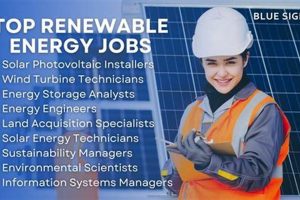
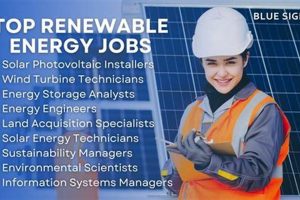
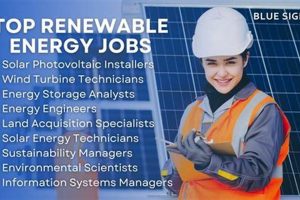
Employment opportunities in Michigan’s burgeoning clean energy sector encompass a wide range of professions, from the design and manufacturing of wind turbine components to the installation and maintenance of solar panels and the development of bioenergy solutions. For example, a technician might specialize in the upkeep of a wind farm, ensuring its continued operation and contribution to the state’s power grid.
This growing field offers significant economic and environmental advantages. Clean energy industries contribute to a more diversified and resilient economy, creating well-paying positions and reducing reliance on fossil fuels. Historically, Michigan has a strong manufacturing base, and the transition to clean energy technologies leverages this existing infrastructure and expertise, fostering further economic growth and mitigating the impacts of climate change.
Further exploration of this topic will cover specific career paths, educational requirements, the current state of Michigan’s clean energy industry, and future projections for growth and development within the sector.
Tips for Pursuing a Career in Michigan’s Clean Energy Sector
Navigating the evolving landscape of clean energy employment requires strategic planning and a proactive approach. The following tips offer guidance for individuals interested in pursuing opportunities within this dynamic field.
Tip 1: Identify Specific Areas of Interest: The clean energy sector encompasses diverse specializations, from solar and wind power to energy efficiency and sustainable transportation. Focusing on a particular area allows for targeted skill development and career exploration.
Tip 2: Research Educational and Training Pathways: Different roles require varying levels of education and training. Community colleges, universities, and vocational schools offer programs tailored to specific clean energy professions. Thorough research ensures alignment between career goals and educational pursuits.
Tip 3: Network with Industry Professionals: Attending industry events, joining professional organizations, and connecting with individuals already working in the field provides valuable insights, mentorship opportunities, and potential job leads.
Tip 4: Develop Relevant Skills: Technical skills, such as proficiency in computer-aided design software or experience with electrical systems, are often essential. Additionally, soft skills like communication, problem-solving, and teamwork are highly valued in any professional setting.
Tip 5: Stay Informed About Industry Trends: The clean energy sector is constantly evolving. Staying updated on the latest technological advancements, policy changes, and market trends ensures competitiveness and adaptability.
Tip 6: Explore Internship and Apprenticeship Opportunities: Practical experience gained through internships or apprenticeships can provide a significant advantage when seeking full-time employment, offering valuable hands-on training and networking opportunities.
Tip 7: Utilize Online Resources: Numerous online platforms offer job boards, career advice, and industry news specifically related to clean energy. Leveraging these resources can significantly aid the job search process.
By following these guidelines, individuals can effectively position themselves for success within Michigan’s growing clean energy job market, contributing to both personal career growth and the state’s sustainable future.
The subsequent section will provide further resources and information for individuals seeking to embark on a fulfilling career in Michigan’s clean energy industry.
1. Solar Installation

Solar installation represents a significant and rapidly expanding segment of Michigan’s renewable energy job market. The increasing demand for clean energy solutions, coupled with declining costs of solar photovoltaic (PV) technology, has fueled growth in this sector, creating numerous employment opportunities across the state.
- Residential Solar Installation
Residential solar installers work directly with homeowners to design and install rooftop or ground-mounted PV systems. This involves site assessments, system design, permitting, equipment installation, and connection to the electrical grid. The rising popularity of residential solar power contributes significantly to job creation within this area.
- Commercial and Industrial Solar Installation
Commercial and industrial solar projects involve larger-scale installations on businesses, factories, and government buildings. These projects require specialized expertise in managing complex electrical systems and integrating solar power into existing infrastructure. The growth of commercial and industrial solar contributes to the demand for skilled professionals in project management, engineering, and installation.
- Solar Farm Development and Construction
Utility-scale solar farms represent another growing segment of the solar industry. These projects involve the development and construction of large solar power plants that generate electricity for the grid. Solar farm development requires expertise in land acquisition, environmental permitting, and large-scale construction management, creating numerous jobs in various specialized fields.
- Solar Panel Manufacturing and Distribution
While not directly involved in installation, the manufacturing and distribution of solar panels play a crucial role in supporting the growth of the solar industry. Michigan’s manufacturing sector stands to benefit from increased demand for solar panels, creating jobs in production, logistics, and sales.
These facets of solar installation collectively contribute to the expansion of Michigan’s renewable energy job market. The continued growth of the solar industry promises to create further employment opportunities across various skill levels and specializations, bolstering the state’s economy and contributing to a cleaner energy future.
2. Wind Turbine Technician
Wind turbine technicians play a crucial role in Michigan’s renewable energy job landscape. As the state expands its wind energy capacity, the demand for skilled technicians to install, maintain, and repair these complex machines increases proportionally. This interdependence creates a direct link between the growth of the wind energy sector and the availability of qualified technicians. For example, the construction of a new wind farm in Michigan necessitates the hiring and training of technicians to ensure its ongoing operation and maximize energy production. Furthermore, the increasing prevalence of wind turbines across the state requires a workforce capable of performing routine maintenance, troubleshooting issues, and conducting repairs, ensuring the long-term viability of these renewable energy assets.
The practical significance of understanding this connection is multifaceted. For individuals seeking employment in the renewable energy sector, specializing as a wind turbine technician offers promising career prospects. The technical skills acquired through specialized training programs translate directly into in-demand jobs. From an economic standpoint, the growth of wind energy and the corresponding need for technicians stimulates job creation and contributes to local economies. Moreover, the environmental benefits of wind energy are realized through the ongoing operation and maintenance performed by these skilled professionals. Their work ensures that wind turbines continue to generate clean electricity, reducing reliance on fossil fuels and mitigating the impacts of climate change.
In summary, the connection between wind turbine technicians and Michigan’s renewable energy jobs is essential for the continued expansion of the state’s clean energy sector. Addressing the challenges of workforce development through targeted training programs and attracting talent to this growing field will be crucial for maximizing the economic and environmental benefits of wind energy in Michigan. This specialized occupation represents a vital component of a sustainable energy future, offering both individual career opportunities and contributing to the state’s overall transition to cleaner power generation.
3. Bioenergy Research

Bioenergy research plays a critical role in the expansion of Michigan’s renewable energy job market. Developing sustainable biofuels and bioproducts offers significant potential for economic growth, environmental sustainability, and energy independence. Exploration of this field is essential for understanding its contribution to the broader landscape of renewable energy employment opportunities within the state.
- Feedstock Development
Research into optimizing feedstock production is crucial for a sustainable bioenergy industry. This includes exploring non-food crops like switchgrass and algae, as well as developing efficient cultivation and harvesting practices. Successful feedstock development ensures a consistent and sustainable supply of biomass for biofuel and bioproduct production, creating jobs in agriculture, research, and logistics.
- Biofuel Production Technologies
Developing and refining efficient and cost-effective biofuel production technologies is a key area of bioenergy research. This includes exploring various conversion processes, such as anaerobic digestion and thermochemical conversion, to optimize biofuel yields and minimize environmental impacts. Advancements in biofuel production technologies create job opportunities for engineers, scientists, and technicians in research facilities and biorefineries.
- Bioproduct Development
Bioenergy research extends beyond fuels to encompass the development of bio-based products. This includes bioplastics, bio-based chemicals, and biomaterials, which can replace petroleum-based products, reducing reliance on fossil fuels and creating new markets for renewable resources. Research and development in this area create jobs in manufacturing, materials science, and product development.
- Environmental Impact Assessment
Assessing the environmental impacts of bioenergy production is crucial for ensuring its sustainability. Life-cycle analysis studies evaluate the overall environmental footprint of biofuels and bioproducts, from feedstock production to end-use. This research informs sustainable practices and policy decisions, creating jobs for environmental scientists and analysts.
These facets of bioenergy research collectively contribute to the growth of renewable energy jobs in Michigan. Continued investment in research and development will further expand the bioenergy sector, creating new opportunities for skilled professionals and driving economic growth while promoting environmental sustainability. Michigan’s unique agricultural resources and research infrastructure position the state to become a leader in the bioenergy industry, fostering innovation and creating a more sustainable energy future.
4. Energy Efficiency Auditing

Energy efficiency auditing forms a crucial link within Michigan’s renewable energy job market. While not directly involved in renewable energy generation, it plays a vital supporting role. By identifying areas of energy waste in homes, businesses, and industrial facilities, energy audits create opportunities for implementing energy-saving measures. This, in turn, reduces overall energy demand, lessening the need for new generation capacity, including from renewable sources. Consequently, energy efficiency complements renewable energy development, contributing to a more balanced and sustainable energy system. For instance, an energy audit of a manufacturing plant might reveal opportunities for improving insulation, upgrading lighting systems, or optimizing industrial processes, leading to reduced energy consumption and decreased reliance on grid-supplied electricity, some of which might be generated from fossil fuels. This reduction in energy use creates a ripple effect, lessening the immediate need for additional renewable energy capacity and freeing up resources for other clean energy investments.
Further analysis reveals a deeper connection between energy efficiency auditing and renewable energy job creation. The implementation of energy-saving recommendations stemming from audits often necessitates skilled professionals, generating employment opportunities. For example, upgrading building insulation requires trained installers, while optimizing industrial processes may involve specialized engineers and technicians. These positions, while not directly involved in renewable energy generation, contribute to the overall growth of the clean energy sector. Moreover, the cost savings realized through improved energy efficiency can free up financial resources for investments in renewable energy projects, further stimulating job growth in areas like solar and wind power installation. This symbiotic relationship between energy efficiency and renewable energy development creates a positive feedback loop, driving job creation across multiple segments of the clean energy economy.
In summary, energy efficiency auditing serves as a vital component of Michigan’s renewable energy job market. Its indirect contribution to reducing energy demand and fostering a more sustainable energy system creates a ripple effect, stimulating job growth across various sectors, from building retrofitting to renewable energy project development. Recognizing the importance of energy efficiency as a complementary strategy alongside renewable energy generation is essential for maximizing the economic and environmental benefits of a comprehensive clean energy transition. Addressing the existing skills gap and investing in training programs for energy auditors and related professions will be crucial for realizing the full potential of energy efficiency in supporting Michigan’s sustainable energy future.
5. Policy Advocacy

Policy advocacy plays a crucial role in shaping the landscape of renewable energy jobs in Michigan. Effective advocacy efforts can influence legislation and regulations that either incentivize or hinder the growth of the renewable energy sector. For example, state-level renewable portfolio standards (RPS), which mandate a certain percentage of electricity generation from renewable sources, can directly drive demand for renewable energy projects, leading to increased job creation in areas like solar and wind installation, manufacturing, and maintenance. Conversely, policies that favor traditional fossil fuels can stifle the growth of the renewable energy industry and limit job opportunities in the sector. The cause-and-effect relationship between policy decisions and job creation is undeniable; supportive policies create a favorable market environment for renewable energy businesses to thrive, leading to increased investment and job growth.
Further analysis reveals the importance of policy advocacy as a distinct component of “renewable energy jobs Michigan.” While jobs directly related to renewable energy technologies, such as solar installers or wind turbine technicians, are essential, the role of policy advocates is equally critical. These professionals work to create the necessary regulatory framework that enables the growth of the entire sector. They engage with lawmakers, educate the public, and build coalitions to support policies that promote renewable energy development. For instance, advocating for tax incentives for renewable energy projects can make these investments more financially attractive, stimulating private sector activity and driving job creation. Similarly, advocating for streamlined permitting processes can reduce bureaucratic hurdles and accelerate the deployment of renewable energy projects, leading to faster job growth. The practical significance of understanding this connection is that it highlights the need for skilled policy professionals within the renewable energy sector.
In summary, policy advocacy forms an integral part of “renewable energy jobs Michigan.” It serves as a catalyst for job creation by shaping the policy environment that governs the growth of the renewable energy sector. Addressing the need for skilled policy advocates and supporting effective advocacy efforts are essential for maximizing the economic and environmental benefits of renewable energy in Michigan. The continued success of the state’s transition to a clean energy economy hinges on the ability of policy advocates to create a supportive regulatory framework that encourages investment, innovation, and job creation within the renewable energy sector.
6. Sustainable Transportation

Sustainable transportation plays a significant role in Michigan’s renewable energy job market, creating a crucial link between clean energy and economic development. The shift toward electric vehicles (EVs), for example, directly impacts demand for charging infrastructure, battery manufacturing, and related industries. This interdependence fosters job growth across various sectors, contributing to the overall expansion of the renewable energy economy within the state. Furthermore, the integration of renewable energy sources into the transportation sector creates opportunities for specialized technicians, engineers, and researchers, fostering a dynamic and evolving job market. For instance, the increasing adoption of EVs necessitates the development of a robust charging network, creating jobs for electricians, installers, and maintenance personnel. Similarly, the growth of battery manufacturing facilities generates employment opportunities for production workers, engineers, and supply chain managers. This ripple effect extends beyond direct manufacturing and installation, impacting related industries such as software development for charging station management systems and data analytics for optimizing grid integration. Consequently, the transition to sustainable transportation fuels a diverse range of employment opportunities within the renewable energy sector, demonstrating a strong connection between clean energy and economic growth in Michigan.
Further analysis reveals the significance of sustainable transportation as a component of “renewable energy jobs Michigan.” Beyond the direct creation of jobs related to EV manufacturing and charging infrastructure, sustainable transportation initiatives also generate indirect employment opportunities. For example, investments in public transportation infrastructure, such as bus rapid transit systems and electric bus fleets, create jobs in construction, maintenance, and operations. Promoting cycling and pedestrian infrastructure through dedicated bike lanes and pedestrian walkways also generates employment in urban planning, design, and construction. Moreover, the development of smart mobility solutions, such as integrated transportation platforms and traffic management systems, creates opportunities for software developers, data analysts, and system engineers. These interconnected elements highlight the breadth of sustainable transportation’s impact on job creation within the renewable energy sector in Michigan, demonstrating its multifaceted contribution to the state’s clean energy transition and economic development.
In summary, sustainable transportation serves as a key driver of job growth within Michigan’s renewable energy sector. Its influence extends beyond direct employment opportunities in EV and charging infrastructure manufacturing to encompass a wide range of related industries, including public transportation, cycling infrastructure, and smart mobility solutions. Recognizing and supporting the development of sustainable transportation systems is essential for maximizing the economic and environmental benefits of renewable energy in Michigan. Addressing challenges such as workforce development, infrastructure investment, and policy support will be crucial for realizing the full potential of sustainable transportation in creating a robust and thriving renewable energy job market within the state.
7. Grid Modernization

Grid modernization is intrinsically linked to the expansion of renewable energy jobs in Michigan. Integrating renewable energy sources, such as solar and wind power, into the existing electricity grid requires significant upgrades and modernization efforts. This creates a direct demand for skilled professionals in areas like electrical engineering, grid operations, and cybersecurity. For example, the intermittent nature of solar and wind power necessitates advanced grid management systems and energy storage solutions to ensure grid stability and reliability. This, in turn, creates job opportunities for engineers, technicians, and software developers specializing in grid integration and smart grid technologies. Furthermore, the increasing complexity of the modern grid requires enhanced cybersecurity measures to protect against potential threats, leading to increased demand for cybersecurity experts within the energy sector. The practical significance of this connection is that grid modernization efforts directly contribute to job creation within the renewable energy industry, supporting the state’s transition to a cleaner and more sustainable energy system.
Further analysis reveals the importance of grid modernization as a core component of “renewable energy jobs Michigan.” Modernizing the grid not only facilitates the integration of renewable energy sources but also enhances grid efficiency and resilience. Implementing smart grid technologies, such as advanced metering infrastructure (AMI) and distribution automation systems, allows for more efficient management of electricity flow, reducing energy waste and improving grid reliability. This, in turn, creates opportunities for data analysts, system operators, and technicians specializing in smart grid technologies. Moreover, grid modernization efforts often involve upgrading transmission and distribution infrastructure, creating jobs for construction workers, lineworkers, and electricians. The practical application of these advancements is evident in the improved reliability and performance of the electricity grid, which is essential for supporting the growth of renewable energy and attracting further investment in the sector. These interconnected elements highlight the significance of grid modernization as a driver of job creation and economic development within Michigan’s renewable energy industry.
In summary, grid modernization is essential for the continued growth of renewable energy jobs in Michigan. It serves as a critical enabler for integrating renewable energy sources, enhancing grid efficiency and resilience, and creating a more sustainable energy future. Addressing challenges such as funding constraints, workforce development, and regulatory hurdles will be crucial for realizing the full potential of grid modernization in supporting Michigan’s clean energy transition. Investing in grid modernization initiatives not only creates immediate job opportunities but also lays the foundation for long-term sustainable growth within the renewable energy sector, contributing to both economic prosperity and environmental sustainability within the state.
Frequently Asked Questions about Renewable Energy Jobs in Michigan
This section addresses common inquiries regarding employment opportunities within Michigan’s renewable energy sector. Clear and concise answers provide valuable insights for individuals exploring career paths within this growing field.
Question 1: What types of jobs are available in Michigan’s renewable energy sector?
Michigan’s renewable energy sector offers diverse employment opportunities, encompassing technical, professional, and support roles. Examples include wind turbine technicians, solar panel installers, energy efficiency auditors, bioenergy researchers, policy analysts, and project managers. The specific skill sets and educational requirements vary depending on the chosen career path.
Question 2: What educational background is required for renewable energy jobs?
Educational requirements range from vocational training certificates for some technical positions to advanced degrees for research and engineering roles. Many community colleges and universities offer programs specifically tailored to renewable energy technologies and applications. Relevant experience, such as internships or apprenticeships, can also enhance employment prospects.
Question 3: Are renewable energy jobs in Michigan well-paying?
Compensation within Michigan’s renewable energy sector is generally competitive and varies depending on the specific job, experience level, and required skills. Many positions offer attractive salaries and benefits packages, reflecting the increasing demand for skilled professionals in this growing field. Further research into specific job titles and industry averages can provide more detailed compensation information.
Question 4: What is the future outlook for renewable energy jobs in Michigan?
The outlook for renewable energy jobs in Michigan is positive, with significant growth projected in the coming years. State and federal policies supporting clean energy development, coupled with declining costs of renewable energy technologies, contribute to continued expansion of the sector, creating numerous employment opportunities across various specializations.
Question 5: How can one find renewable energy jobs in Michigan?
Several resources facilitate the job search process within Michigan’s renewable energy sector. Online job boards specializing in clean energy, industry association websites, and state government resources offer job listings and career guidance. Networking with industry professionals and attending career fairs can also provide valuable connections and job leads.
Question 6: Are there government incentives available for pursuing renewable energy careers in Michigan?
Various government programs and incentives aim to support workforce development within the renewable energy sector. These may include scholarships, training grants, and tax credits for businesses investing in clean energy technologies. Specific programs and eligibility criteria can be found through relevant state and federal agencies.
Understanding the dynamic landscape of renewable energy employment in Michigan requires proactive research and engagement with available resources. The information provided here serves as a starting point for individuals exploring career opportunities within this promising field.
Further resources and contact information for relevant organizations are available in the following section.
Renewable Energy Jobs Michigan
Exploration of Michigan’s renewable energy job market reveals a diverse and dynamic landscape of opportunity. From solar and wind power to bioenergy and energy efficiency, the sector offers numerous career paths for skilled professionals. Growth in these areas contributes significantly to Michigan’s economic development and its transition to a more sustainable energy future. The analysis underscores the interconnectedness of various clean energy sub-sectors, highlighting the importance of grid modernization, policy advocacy, and sustainable transportation in supporting the overall expansion of renewable energy employment. Understanding these interconnected elements provides valuable context for individuals seeking careers within this evolving field and for stakeholders invested in Michigan’s clean energy transition.
Michigan’s commitment to renewable energy signifies a crucial step toward a more sustainable future. Continued investment in research, development, and workforce training will be essential for maximizing the economic and environmental benefits of this burgeoning sector. The transition to a clean energy economy presents significant opportunities for job creation, economic growth, and environmental stewardship. Supporting the expansion of renewable energy jobs in Michigan is not merely an economic imperative but a critical investment in a healthier, more sustainable future for generations to come.