

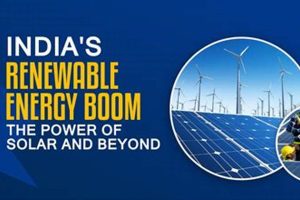

India’s pursuit of sustainable power sources encompasses a diverse range of technologies, including solar, wind, hydro, biomass, and geothermal energy. Specific examples include large-scale solar parks like the Bhadla Solar Park, extensive... Read more »
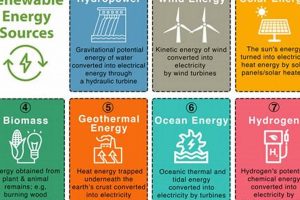
Information regarding energy resources that naturally replenish themselves is of increasing significance. These resources, unlike finite fossil fuels, are continuously available on a human timescale. Examples include solar power derived from sunlight,... Read more »

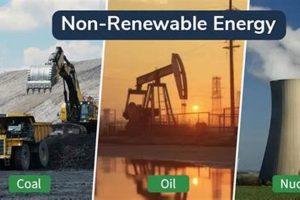
Non-renewable energy sources derive from finite resources that cannot be replenished at a rate comparable to their consumption. These resources, primarily fossil fuels (coal, oil, and natural gas) and nuclear fuels (uranium),... Read more »
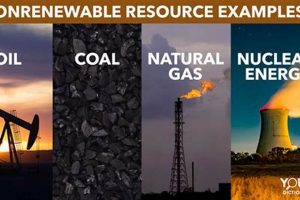
Understanding the distinction between energy sources that replenish naturally and those that exist in finite quantities is fundamental to addressing global energy demands and environmental sustainability. Renewable resources, such as solar, wind,... Read more »
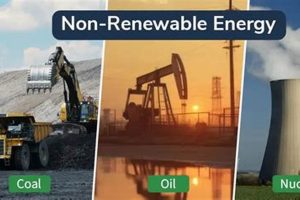
Resources classified as finite and unable to replenish at a rate commensurate with consumption fall under the category of non-renewable energy sources. Fossil fuels, such as coal, oil, and natural gas, exemplify... Read more »
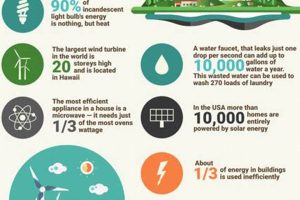
Interesting and engaging information regarding sustainable energy sources like solar, wind, hydro, geothermal, and biomass power can educate and inspire broader adoption. For instance, a single wind turbine can generate enough electricity... Read more »
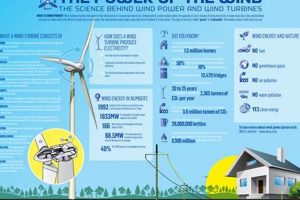
Harnessing the kinetic energy of moving air masses to generate electricity represents a significant approach to sustainable energy production. Specific details regarding the efficiency, cost-effectiveness, and environmental impact of this technology are... Read more »
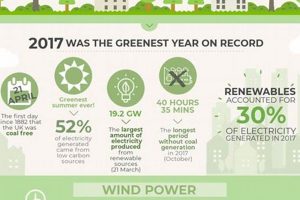
Renewable energy derives from natural resources that are replenished over a relatively short period. Examples include solar, wind, hydro, geothermal, and biomass energy. These resources offer a sustainable alternative to finite fossil... Read more »
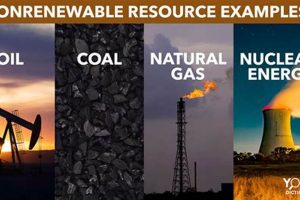
Non-renewable energy sources, primarily fossil fuels (coal, oil, and natural gas) and nuclear fuels (uranium), are finite resources formed over millions of years. Fossil fuels originate from ancient organic matter subjected to... Read more »
Harnessing the sun’s radiant power provides a sustainable alternative to conventional energy sources. These details illuminate the potential and current applications of photovoltaic technology, alongside associated economic and environmental considerations. This information... Read more »