

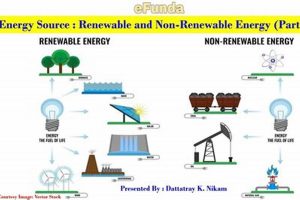

The depletion of finite energy sources like coal, oil, and natural gas is a complex issue with no single, definitive answer. The timeframe for their exhaustion depends on several factors, including the... Read more »
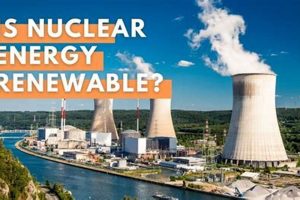
The classification of nuclear power as a sustainable energy source is complex. It relies on the fission of uranium, a finite resource extracted from the Earth. This process generates significant amounts of... Read more »


Global consumption of non-renewable energy resources, primarily fossil fuels (coal, oil, and natural gas), remains substantial. This consumption is measured in various units, including terawatt-hours (TWh), British thermal units (BTUs), and sometimes... Read more »
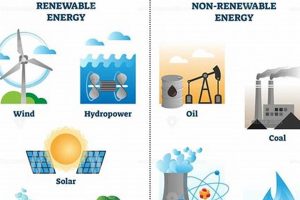
Non-renewable energy sources, primarily fossil fuels (coal, oil, and natural gas) and nuclear fission, present several significant drawbacks. These resources are finite and depleting, leading to concerns about future energy security. Their... Read more »
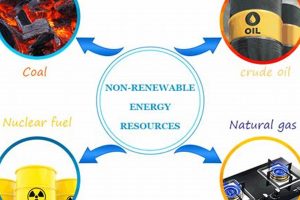
Crude oil, a naturally occurring liquid fossil fuel, is formed from the remains of ancient marine organisms buried deep beneath the Earth’s surface. Extracted through drilling and refining, it yields various products... Read more »
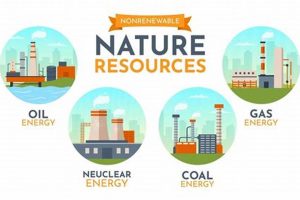
Natural gas, a fossil fuel formed from the remains of ancient organisms, is a finite resource extracted from underground reservoirs. Primarily composed of methane, it also contains other hydrocarbons like ethane, propane,... Read more »
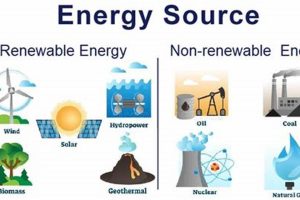
Energy sources can be categorized into two primary types based on their replenishment rate: those that are naturally replenished over a relatively short period, and those with finite reserves that diminish with... Read more »
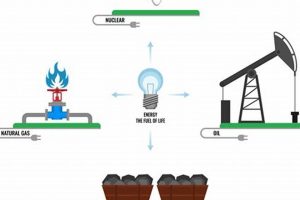
Finite energy sources, like fossil fuels (coal, oil, and natural gas) and nuclear fuels (uranium), are characterized by their limited availability on Earth. Fossil fuels, formed from ancient organic matter over millions... Read more »
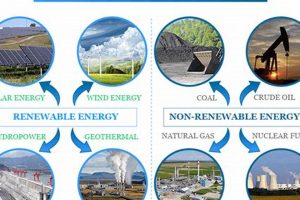
Non-renewable energy sources, primarily fossil fuels (coal, oil, and natural gas) and nuclear fuels (uranium), are finite resources extracted from the Earth. These fuels powered the industrial revolution and continue to play... Read more »
Uranium, the fuel source for nuclear fission reactors, is a finite resource extracted from the Earth’s crust. This process involves mining and processing uranium ore, which, like fossil fuels, depletes the available... Read more »