

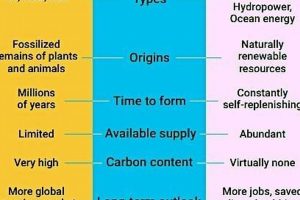

Comparing energy sources requires examining how effectively they convert available resources into usable power. Fossil fuels, derived from ancient organic matter, undergo combustion to generate heat, which is then typically used to... Read more »
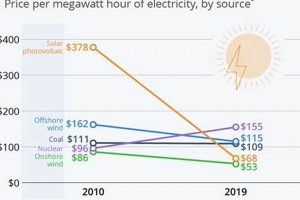
The relative cost of generating electricity from sources like solar, wind, and hydropower versus sources like coal, oil, and natural gas is a critical factor in energy policy and market dynamics. For... Read more »

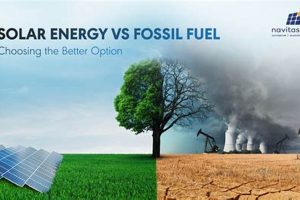
Non-renewable energy sources, like coal, oil, and natural gas, are formed from the remains of ancient plants and animals over millions of years. This process is so slow that these resources are... Read more »
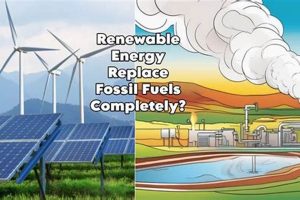
The assertion that transitioning entirely away from established hydrocarbon-based energy systems to those powered solely by sources like solar, wind, hydro, and geothermal power presents significant challenges is a complex issue with... Read more »
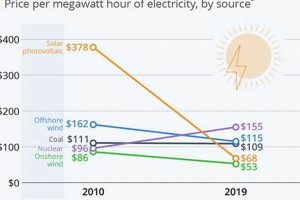
Comparing the financial expenditures associated with generating electricity from renewable sources like solar, wind, hydro, and geothermal with those from non-renewable sources like coal, oil, and natural gas provides crucial insights for... Read more »
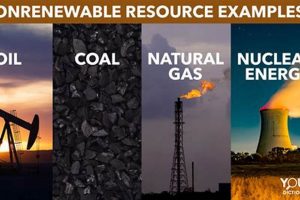
Energy sources are categorized as either renewable or nonrenewable. Renewable resources, such as solar, wind, and hydro, replenish naturally over relatively short periods. Nonrenewable resources, on the other hand, exist in finite... Read more »
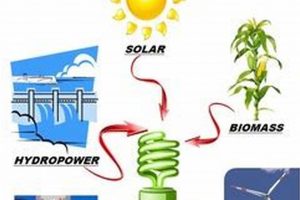
Renewable and sustainable energy sources, such as solar, wind, hydro, geothermal, and biomass power, offer viable replacements for conventional, non-renewable energy derived from geological deposits. These options represent a fundamental shift away... Read more »
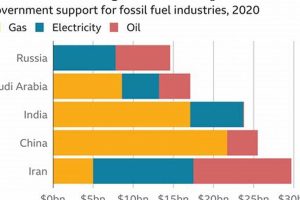
Government financial support for energy production in the United States takes two primary forms: assistance for established industries based on fossil fuels (coal, oil, and natural gas) and incentives for emerging renewable... Read more »
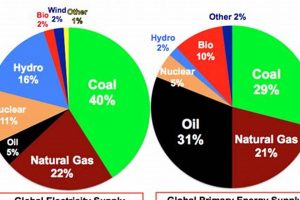
Fossil fuels, when combusted to generate power, release significant quantities of greenhouse gases, primarily carbon dioxide, into the atmosphere. These gases contribute to climate change by trapping heat and altering global weather... Read more »
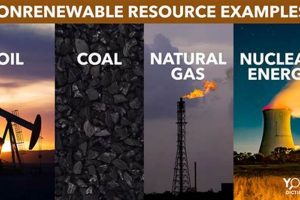
Non-renewable energy sources originate from finite geological processes that take millions of years to form. Coal, oil, and natural gas exemplify such resources. These fuels are extracted from the Earth and transformed... Read more »