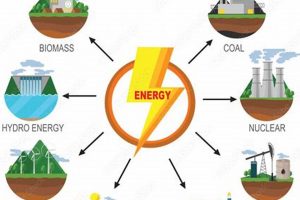
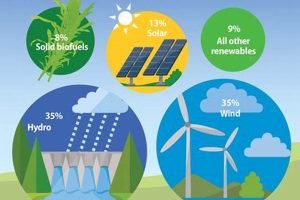
Energy derived from naturally replenishing resources defines a sector crucial for sustainable development. These resources, unlike fossil fuels, are continuously replenished, minimizing depletion and reducing environmental impact. Sunlight, wind, flowing water, geothermal heat, and biomass represent key examples within this category.
Harnessing these resources offers numerous advantages. Reduced greenhouse gas emissions, decreased reliance on finite fuel reserves, and enhanced energy security are prominent benefits. Furthermore, the development and deployment of technologies to capture and utilize these resources fosters economic growth and job creation in various sectors. Historically, the utilization of such resources dates back centuries, with water wheels and windmills serving as early examples of harnessing natural forces for energy production.
The following sections will examine specific types of these energy resources, detailing their operational principles, applications, and associated challenges. The discussion will cover solar, wind, hydropower, geothermal, and biomass, providing a comprehensive overview of each resource’s potential and current status in the global energy landscape.
Optimizing the Utilization of Diverse Sustainable Energy Resources
Maximizing the contribution of sustainable energy sources requires strategic planning and effective implementation. The following tips offer insights into optimizing their development and application.
Tip 1: Diversify the Energy Portfolio: Integrate a variety of sustainable energy sources to mitigate the intermittency challenges associated with single-source dependence. This diversification enhances overall system reliability.
Tip 2: Invest in Energy Storage Solutions: Deploy advanced energy storage technologies, such as batteries or pumped hydro, to store surplus energy generated during peak production periods. This allows for a consistent energy supply, even when resource availability fluctuates.
Tip 3: Implement Smart Grid Technologies: Modernize existing grid infrastructure with smart grid capabilities to improve energy distribution efficiency, optimize demand response, and facilitate the integration of distributed energy resources.
Tip 4: Promote Energy Efficiency Measures: Reduce overall energy demand through the implementation of energy-efficient technologies and practices in buildings, transportation, and industrial processes. This minimizes the need for additional energy generation.
Tip 5: Develop Supportive Policy Frameworks: Establish clear and consistent policy frameworks that incentivize sustainable energy development through tax credits, subsidies, and regulatory mechanisms. Such policies create a stable investment environment.
Tip 6: Prioritize Research and Development: Invest in research and development activities focused on improving the efficiency, affordability, and scalability of sustainable energy technologies. Continuous innovation is essential for long-term growth.
Tip 7: Foster Public Awareness and Education: Increase public understanding of the benefits of sustainable energy and promote its adoption through targeted education campaigns and community engagement initiatives.
By strategically implementing these measures, stakeholders can effectively harness the potential of sustainable energy, contributing to a cleaner, more secure, and economically prosperous future. The subsequent sections will delve deeper into specific technologies and implementation strategies.
1. Solar irradiance

Solar irradiance constitutes a primary energy input for numerous natural processes and human endeavors. Within the context of replenishable energy sources, solar irradiance represents the cornerstone of solar power generation. Photovoltaic cells directly convert solar irradiance into electricity. The intensity of solar irradiance at a given location directly influences the amount of electricity that can be generated. Geographical location, time of day, weather patterns, and atmospheric conditions all affect the magnitude of solar irradiance received. The effectiveness of solar power installations is predicated on accurately assessing and predicting solar irradiance levels.
Solar irradiance also indirectly impacts other forms of replenishable energy. Wind patterns, for instance, are driven by differential heating of the Earth’s surface by solar irradiance. Similarly, evaporation, a key component of the water cycle and thus hydroelectric power generation, is largely dependent on solar energy. Therefore, while not a direct source for all replenishable energy, solar irradiance is a significant factor in shaping several natural energy systems. Consider desert regions, where high solar irradiance enables large-scale solar farms, or coastal regions, where temperature gradients created by solar heating drive wind patterns suitable for wind energy generation.
Understanding solar irradiance and its variations is crucial for optimizing the performance and reliability of replenishable energy systems. Technological advancements in solar forecasting and tracking systems allow for improved energy management and grid integration. Challenges remain in addressing the intermittent nature of solar irradiance, necessitating energy storage solutions or reliance on complementary energy sources. The ongoing development of materials with enhanced solar energy conversion efficiencies underscores the continued importance of solar irradiance in the pursuit of a sustainable energy future.
2. Wind kinetic energy

Wind kinetic energy, a direct derivative of atmospheric movements, constitutes a significant component within the domain of replenishable energy sources. Its conversion into usable electricity through wind turbines represents a mature and widely deployed technology. The availability of wind energy varies geographically, influenced by factors such as terrain, altitude, and prevailing weather patterns. Assessing wind resource potential is critical for effective wind farm development.
- Turbine Technology and Efficiency
Wind turbines convert the kinetic energy of wind into mechanical energy, which is then transformed into electricity by a generator. The efficiency of this conversion depends on turbine design, blade aerodynamics, and generator characteristics. Modern wind turbines are engineered to maximize energy capture across a range of wind speeds. For example, variable-speed turbines optimize rotor speed to match fluctuating wind conditions, enhancing energy output. Continuous advancements in materials and design are improving the efficiency and reliability of wind turbine technology.
- Wind Resource Assessment and Siting
Effective wind energy utilization necessitates thorough resource assessment. This involves analyzing historical wind data, conducting on-site measurements, and utilizing computational models to predict wind patterns. Siting considerations include proximity to transmission infrastructure, environmental impact assessments, and land use restrictions. Areas with consistent and strong winds, such as coastal regions and mountain passes, are often prime locations for wind farm development. Proper siting minimizes environmental impact and maximizes energy production.
- Grid Integration Challenges and Solutions
Integrating wind energy into existing electrical grids presents unique challenges due to the intermittent nature of wind. Fluctuations in wind speed can cause variations in electricity generation, requiring grid operators to balance supply and demand. Solutions include energy storage technologies, improved forecasting capabilities, and smart grid infrastructure that can accommodate variable energy sources. For instance, advanced control systems can predict wind farm output and adjust grid operations accordingly, maintaining grid stability. Addressing these challenges is essential for expanding wind energy’s contribution to the energy mix.
- Environmental Considerations and Mitigation
Wind energy development, while generally environmentally benign, is not without potential impacts. Concerns include avian and bat mortality, noise pollution, and visual impacts on landscapes. Mitigation strategies include careful siting to avoid sensitive habitats, turbine designs that reduce wildlife collisions, and community engagement to address concerns. Ongoing research focuses on minimizing the environmental footprint of wind energy projects. A comprehensive assessment of environmental impacts is a prerequisite for responsible wind energy development.
These facets of wind kinetic energy illustrate its potential and limitations as a replenishable energy resource. Optimizing turbine technology, conducting thorough resource assessments, addressing grid integration challenges, and mitigating environmental impacts are all crucial for realizing the full potential of wind energy in a sustainable energy system. The continuous improvement in these areas ensures wind power remains a cornerstone of the transition to a cleaner energy future.
3. Hydro potential energy
Hydro potential energy represents a significant and established form within the spectrum of replenishable energy sources. Derived from the gravitational potential energy of stored water, this energy is converted into electricity through hydroelectric power plants. Its widespread deployment and relatively high energy conversion efficiency contribute substantially to global electricity generation. Factors influencing its applicability and effectiveness vary based on geographical features, water resource availability, and environmental considerations.
- Dam Infrastructure and Energy Conversion
Hydropower generation typically relies on dam infrastructure to create reservoirs of water at elevated heights. The stored water is then released, flowing through turbines that convert the potential energy into mechanical energy. This mechanical energy drives generators, producing electricity. The scale and design of dam structures significantly impact energy output and environmental footprint. Hoover Dam in the United States, for instance, exemplifies a large-scale hydroelectric facility with substantial energy production capacity. The efficiency of energy conversion is dependent on turbine design, water flow rates, and hydraulic head (the difference in water level between the reservoir and the turbine). Optimal design and operation are essential for maximizing energy output.
- Geographical and Climatic Considerations
The feasibility of hydropower generation is highly dependent on geographical and climatic conditions. Mountainous regions with abundant rainfall and natural reservoirs are particularly well-suited for hydropower development. Regions with distinct wet and dry seasons require careful water management to ensure consistent energy production. The Himalayan region, for example, possesses substantial hydropower potential due to its high altitude and abundant snowmelt. Climate change poses a threat to hydropower generation by altering precipitation patterns and increasing the frequency of droughts. Therefore, long-term planning must consider the impacts of climate variability on water resource availability.
- Environmental Impacts and Mitigation Strategies
Hydropower development can have significant environmental impacts, including altered river ecosystems, displacement of human populations, and greenhouse gas emissions from reservoirs. Dams can disrupt fish migration patterns, inundate valuable land, and change water quality. Mitigation strategies include implementing fish ladders to facilitate fish passage, designing environmentally sensitive dam structures, and optimizing reservoir management to minimize greenhouse gas emissions. The Three Gorges Dam in China, while providing substantial energy benefits, has also faced criticism for its environmental and social consequences. Careful planning and implementation of mitigation measures are critical for minimizing the negative impacts of hydropower projects.
- Small-Scale Hydropower and Distributed Generation
In addition to large-scale dam projects, small-scale hydropower systems offer opportunities for distributed energy generation. These systems utilize smaller dams or run-of-river designs to generate electricity without creating large reservoirs. Small-scale hydropower can provide electricity to rural communities and reduce reliance on centralized power grids. Examples include micro-hydro installations in mountainous regions that power individual homes or villages. Run-of-river systems minimize environmental impacts by utilizing the natural flow of the river without significant impoundment. Small-scale hydropower offers a decentralized and sustainable approach to electricity generation in appropriate locations.
The multifaceted nature of hydro potential energy underscores its role within the spectrum of replenishable energy sources. The interplay between infrastructure, geography, environmental considerations, and technological advancements shapes the applicability and sustainability of hydropower generation. Continuing advancements in dam design, water management practices, and mitigation strategies are essential for optimizing the benefits and minimizing the impacts of hydro potential energy in a resource-constrained world.
4. Geothermal heat
Geothermal heat, a manifestation of the Earth’s internal thermal energy, constitutes a distinct and significant category within the broader landscape of replenishable energy sources. It represents a continuous and largely consistent supply of energy, independent of weather patterns or diurnal cycles. This heat, originating from the planet’s formation and ongoing radioactive decay, is harnessed for electricity generation and direct heating applications. Iceland, for instance, derives a substantial portion of its electricity and heating from geothermal resources, illustrating the potential for national-scale reliance on this energy source. The geological conditions necessary for economically viable geothermal energy extraction are not ubiquitous, limiting its widespread deployment to specific regions. However, where accessible, geothermal energy offers a reliable and sustainable alternative to fossil fuels. The connection to the broader category of replenishable resources lies in its continuous replenishment from the Earth’s core, ensuring long-term availability. The effective utilization of this heat reduces dependence on finite energy resources and diminishes carbon emissions associated with conventional energy production.
Geothermal energy applications extend beyond electricity generation. Direct heating applications, such as district heating systems and agricultural uses like greenhouse heating and aquaculture, demonstrate the versatility of this resource. These applications often achieve higher energy efficiency compared to electricity generation, minimizing waste heat. The development of enhanced geothermal systems (EGS) aims to expand the geographical applicability of geothermal energy by creating artificial reservoirs in hot, dry rocks. EGS involves injecting water into fractured rock formations to extract heat, potentially unlocking vast geothermal resources previously inaccessible. The Soultz-sous-Forts project in France exemplifies ongoing efforts to refine EGS technology. This type of expansion helps to diversify the type of area that can use geothermal energy which will contribute to making renewable energy as a whole more applicable worldwide.
In summary, geothermal heat represents a valuable and consistent replenishable energy source, offering electricity generation and direct heating options. Its geological limitations necessitate targeted exploration and technological advancements like EGS to expand its reach. Overcoming challenges associated with resource assessment, drilling costs, and environmental impacts is crucial for maximizing the contribution of geothermal energy to a sustainable energy future. Its role is significant within the larger context of replenishable energy, contributing to energy security and the reduction of greenhouse gas emissions.
5. Biomass conversion

Biomass conversion represents a vital pathway within the diverse landscape of replenishable energy sources. It involves transforming organic matter, derived from recently living organisms, into usable forms of energy. This process establishes a direct link to solar energy, as plants utilize photosynthesis to convert sunlight into biomass. Consequently, biomass serves as a stored form of solar energy. The importance of biomass conversion lies in its potential to displace fossil fuels in various sectors, including electricity generation, heating, and transportation. For example, the use of wood pellets in power plants serves as a direct substitute for coal, reducing greenhouse gas emissions.
Biomass conversion encompasses a range of technologies, each with specific applications and efficiencies. Combustion, the direct burning of biomass, is a straightforward method for generating heat and electricity. Anaerobic digestion, the decomposition of organic matter in the absence of oxygen, produces biogas, a methane-rich fuel that can be used for heating, electricity generation, or as a transportation fuel. Pyrolysis, the thermal decomposition of biomass in the absence of oxygen, yields bio-oil, a liquid fuel that can be refined into transportation fuels or used for electricity generation. Transesterification converts vegetable oils or animal fats into biodiesel, a renewable alternative to petroleum diesel. The choice of conversion technology depends on the type of biomass feedstock, desired energy product, and economic considerations. Brazil, for instance, has successfully implemented large-scale ethanol production from sugarcane, demonstrating the potential of biomass conversion in the transportation sector. The effectiveness of biomass as one of the renewable resources is directly related to the chosen conversion process and type of biomass, hence it is essential to consider the type of Biomass.
Despite its potential, biomass conversion faces challenges. Sustainable sourcing of biomass feedstocks is crucial to avoid deforestation, soil degradation, and competition with food production. Furthermore, the energy balance of biomass conversion processes must be carefully considered to ensure that the energy output exceeds the energy input required for feedstock production, transportation, and conversion. Advancements in sustainable biomass production and efficient conversion technologies are essential for maximizing the contribution of biomass conversion to a sustainable energy future. The broader consideration of land-use impacts and the environmental consequences of different feedstocks are central to the viability of biomass as a genuinely replenishable energy source within the global energy mix.
Frequently Asked Questions About Replenishable Energy Sources
The following addresses prevalent inquiries regarding the nature, applications, and implications of replenishable energy sources. These questions are designed to provide clarity and factual insights into this critical domain.
Question 1: What constitutes a replenishable energy source, and how does it differ from conventional energy sources?
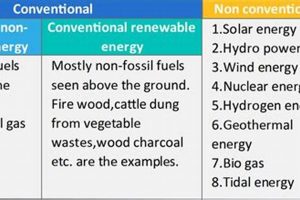
Replenishable energy sources are derived from natural processes that are constantly replenished, such as solar radiation, wind, water flow, geothermal heat, and biomass. Conventional energy sources, conversely, are finite resources that are depleted upon extraction, including fossil fuels like coal, oil, and natural gas.
Question 2: What are the primary environmental benefits associated with the utilization of replenishable energy sources?
The primary environmental benefits include reduced greenhouse gas emissions, decreased air and water pollution, and minimized impact on ecosystems compared to conventional energy production. These benefits stem from the inherent sustainability and lower carbon footprint of replenishable energy technologies.
Question 3: What are the main types of replenishable energy sources, and how are they harnessed for practical applications?
The principal types include solar, wind, hydro, geothermal, and biomass. Solar energy is converted into electricity via photovoltaic cells or concentrated solar power systems. Wind energy drives turbines to generate electricity. Hydropower utilizes the potential energy of water to spin turbines. Geothermal energy taps into Earth’s internal heat for electricity generation and direct heating. Biomass is converted into usable energy through combustion, anaerobic digestion, or other thermochemical processes.
Question 4: What are the key technological challenges hindering the widespread adoption of replenishable energy sources?
Technological challenges include intermittency of some sources (solar, wind), energy storage limitations, grid integration complexities, and the high initial capital costs associated with certain technologies. Overcoming these challenges requires ongoing research, development, and deployment of advanced energy technologies.
Question 5: What is the current contribution of replenishable energy sources to the global energy supply?
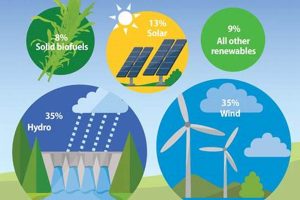
The contribution of replenishable energy sources to the global energy supply is increasing steadily, but still constitutes a minority share compared to fossil fuels. The exact percentage varies by region and country, reflecting differences in resource availability, policy support, and technological advancements.
Question 6: What policy mechanisms are effective in promoting the development and deployment of replenishable energy sources?
Effective policy mechanisms include feed-in tariffs, renewable energy standards, tax incentives, carbon pricing, and direct subsidies. These policies aim to incentivize investment in replenishable energy technologies, level the playing field with conventional energy sources, and accelerate the transition to a sustainable energy system.
In summary, understanding these fundamental questions facilitates a clearer comprehension of the role and potential of replenishable energy sources in addressing global energy and environmental challenges. Continued efforts to improve technologies, reduce costs, and implement supportive policies are essential for maximizing their contribution.
The following section will consider the future of this technology.
Conclusion
The exploration of different sources of renewable energy has underscored the diverse potential of naturally replenishing resources in meeting global energy demands. Solar irradiance, wind kinetic energy, hydro potential energy, geothermal heat, and biomass conversion each offer unique pathways to reduce reliance on finite fossil fuels. The successful implementation of these energy sources hinges on technological advancement, strategic infrastructure development, and supportive policy frameworks. The effectiveness of each resource depends on geographical suitability and environmental management.
The transition to a sustainable energy future necessitates a comprehensive approach that prioritizes both energy efficiency and the integration of these replenishable energy sources. Continued investment in research, development, and deployment is essential to optimize their performance and reduce their environmental impact. Only through sustained commitment and informed action can the full potential of these resources be realized, contributing to a cleaner, more secure, and economically stable energy landscape.