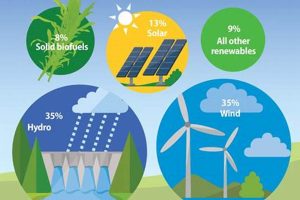
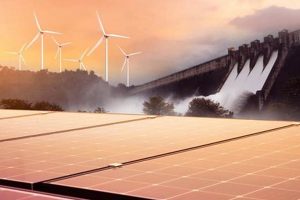
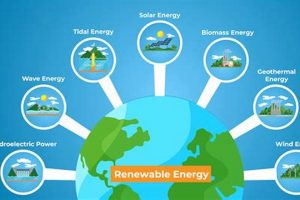
Harnessing power from naturally replenishing resources offers a sustainable alternative to finite fossil fuels. These methods rely on resources that are continuously available, such as sunlight, wind, and water flow, to generate electricity, heat, or fuel. Examples include solar photovoltaic systems converting sunlight into electricity and wind turbines transforming kinetic energy into usable power.
The adoption of these sustainable methods is crucial for mitigating climate change and reducing reliance on polluting energy sources. Their utilization contributes to energy security, stimulates economic growth by creating green jobs, and reduces the health impacts associated with air and water pollution. Throughout history, societies have utilized renewable resources like hydropower for irrigation and milling, but modern technology allows for more efficient and widespread energy generation.
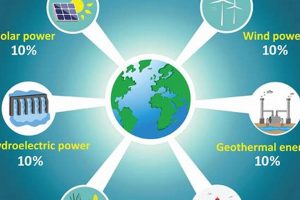
This article will explore specific types of these sustainable methods, detailing their operational principles, advantages, disadvantages, and current state of development and implementation worldwide. The exploration will encompass solar, wind, hydro, geothermal, and biomass energy, including emerging technologies and their potential role in a future energy landscape.
Optimizing Integration of Sustainable Energy Generation Methods
The following provides actionable guidance for individuals, businesses, and policymakers seeking to expand the adoption and effectiveness of sustainable energy generation methods.
Tip 1: Prioritize Energy Efficiency Measures: Before investing in new energy generation systems, reduce overall consumption through improved insulation, efficient appliances, and smart building management systems. Reducing demand lowers the required capacity of the new system.
Tip 2: Conduct Thorough Site Assessments: Accurately evaluate the available resources at the intended location. This includes solar irradiance mapping, wind speed data collection, and geothermal resource assessments to determine the viability and potential energy output for specific technologies.
Tip 3: Diversify Energy Portfolio: Integrate multiple sources to mitigate intermittency and ensure a reliable energy supply. A combination of solar, wind, and energy storage systems can create a more stable and resilient energy profile.
Tip 4: Implement Smart Grid Technologies: Utilizing smart grids, demand response programs, and advanced metering infrastructure is crucial for balancing energy supply and demand. This includes technologies for real-time monitoring, optimization, and control of the energy grid.
Tip 5: Advocate for Supportive Policies: Encourage governmental bodies to implement feed-in tariffs, tax incentives, and renewable energy standards. Supportive policies are vital for creating a favorable investment climate and accelerating the deployment of these methods.
Tip 6: Invest in Energy Storage Solutions: Battery storage, pumped hydro storage, and thermal energy storage are essential for addressing the intermittency of some sustainable methods. Stored energy can be deployed during peak demand or when the primary generation source is unavailable.
Tip 7: Promote Public Awareness and Education: Educate the public about the benefits, costs, and limitations associated with these methods. Increased awareness fosters greater acceptance and support for its wider adoption.
Effectively integrating these methods into energy systems requires a comprehensive approach that addresses both technical and policy-related challenges. Implementing the above will contribute to a more sustainable and resilient energy future.
The next section will delve into case studies showcasing successful implementations of various sustainable power-generation strategies across different geographical regions and sectors.
1. Solar Energy Conversion

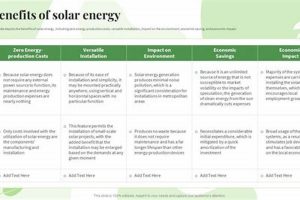
Solar energy conversion stands as a pivotal component within the diverse landscape of sustainable energy generation methods. Its relevance stems from the abundance of sunlight across the globe and its potential to provide clean, emission-free energy solutions.
- Photovoltaic (PV) Systems
Photovoltaic systems directly convert sunlight into electricity using semiconductor materials. Solar panels, composed of interconnected PV cells, are installed on rooftops or in large-scale solar farms. Their role in the energy sector is to supplement or replace traditional fossil fuel-based power plants, reducing carbon emissions and diversifying energy sources. An example is the Ivanpah Solar Electric Generating System in California, which utilizes concentrated solar power (CSP) technology to generate electricity for over 140,000 homes. The implications include a reduced reliance on non-renewable resources and decreased environmental impact.
- Concentrated Solar Power (CSP)
Concentrated solar power systems utilize mirrors or lenses to focus sunlight onto a receiver, which heats a working fluid (e.g., water or molten salt) to drive a turbine and generate electricity. CSP technologies, such as solar power towers and parabolic trough systems, are suitable for large-scale energy production. Examples include the Noor Ouarzazate Solar Power Plant in Morocco, which uses CSP technology to provide electricity to over one million people. The implication is a potential to provide baseload power, offering a more consistent electricity supply compared to other intermittent sustainable options.
- Solar Water Heating Systems
Solar water heating systems use solar collectors to absorb sunlight and heat water for domestic or industrial use. These systems are commonly used in residential and commercial buildings for heating water for showers, laundry, and other applications. An example is the widespread use of solar water heaters in countries like Cyprus and Israel. The implications include reduced energy consumption and lower utility bills, especially in regions with high solar irradiance.
- Passive Solar Design
Passive solar design involves architectural design strategies that maximize the use of sunlight for heating, cooling, and lighting buildings. Techniques include proper building orientation, window placement, and thermal mass utilization to regulate indoor temperatures. Examples include designing buildings with south-facing windows in the northern hemisphere to capture winter sunlight or using overhangs to shade windows during the summer. The implications include reduced energy demand for heating, cooling, and lighting, leading to lower energy costs and environmental impact.
These facets of solar energy conversion highlight its versatile nature, offering a range of options for harnessing solar energy for various applications. As technology advances and costs decrease, solar energy conversion is poised to play an increasingly important role in the overall mix of sustainable energy generation, supporting a transition toward a cleaner and more sustainable energy future.
2. Wind power generation
Wind power generation, a critical component of sustainable energy portfolios, harnesses the kinetic energy of wind to produce electricity. This process involves wind turbines, which convert the wind’s force into mechanical energy, subsequently transformed into electrical power through a generator. As a subset of sustainable energy options, wind power offers a substantial contribution to reducing dependence on fossil fuels, diminishing greenhouse gas emissions, and diversifying energy supplies. The operational principle of wind power generation aligns directly with the core objective of sustainable energy: utilizing naturally replenishing resources to meet energy demands.
The practical significance of wind power is demonstrated through its increasing global adoption. Large-scale wind farms, both onshore and offshore, are becoming more prevalent, delivering significant amounts of electricity to grids worldwide. For example, the Hornsea Wind Farm in the United Kingdom, one of the world’s largest offshore wind farms, generates enough electricity to power over one million homes. Similarly, land-based wind farms in the American Midwest contribute substantially to the region’s energy mix. These examples highlight the capability of wind power to provide a significant and reliable source of renewable energy.
While wind power presents a viable alternative to traditional energy sources, its integration faces challenges, including intermittency, grid infrastructure limitations, and environmental concerns. However, advancements in energy storage technologies, grid modernization efforts, and careful environmental impact assessments are mitigating these challenges. Ongoing research and development in turbine design, materials science, and control systems continue to enhance the efficiency and reliability of wind power generation, solidifying its place as a vital element in the transition towards a sustainable energy future.
3. Hydropower technologies

Hydropower technologies, a cornerstone within sustainable energy, directly convert the potential energy of water into electricity. The importance of this conversion lies in its ability to provide a large-scale, generally reliable source of power from a naturally replenishing resource, thus forming an essential component of sustainable energy. The cause-and-effect relationship is straightforward: damming or channeling water creates a head, which, when released, spins turbines connected to generators, producing electricity. Examples of this include the Three Gorges Dam in China, one of the largest hydropower facilities globally, and smaller run-of-river systems that divert water without significant reservoir creation. These systems, differing in scale and environmental impact, collectively underscore the practical significance of hydropower as a major contributor to the sustainable energy mix. Understanding its operational principles and application range is crucial for developing comprehensive energy strategies.
Further practical applications of hydropower extend beyond electricity generation to include water resource management, irrigation, and flood control. Pumped storage hydropower, for instance, enhances grid stability by pumping water uphill to a reservoir during periods of low demand and releasing it to generate electricity during peak demand. This integration of hydropower into broader water infrastructure projects highlights its versatility and potential for multifaceted benefits. However, the environmental impact of hydropower technologies, particularly large dams, cannot be ignored. Issues such as habitat destruction, altered river flows, and methane emissions from reservoirs present significant challenges that necessitate careful planning, mitigation strategies, and technological innovation to minimize adverse effects. Newer technologies like fish-friendly turbines and improved dam design are increasingly important to ensure environmental sustainability.
In summary, hydropower technologies are a vital element within sustainable energy due to their capacity for large-scale electricity generation, grid stabilization, and water resource management. The inherent challenges, particularly those related to environmental impact, demand careful consideration and innovative solutions. By balancing the benefits of hydropower with responsible environmental stewardship, this form of sustainable energy can continue to play a crucial role in meeting global energy needs while minimizing the carbon footprint of electricity generation. The continued advancement and responsible implementation of hydropower technologies remain essential for a sustainable energy future.
4. Geothermal resource utilization

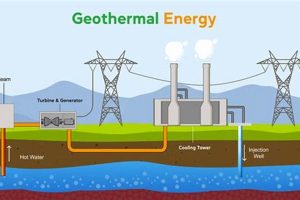
Geothermal resource utilization represents a critical facet within the spectrum of sustainable energy generation. The direct connection lies in the exploitation of Earth’s internal heat, a perpetually renewing resource, to provide energy. This contrasts starkly with fossil fuels, a finite resource. Harnessing geothermal energy involves tapping into the thermal energy stored beneath the Earth’s surface, offering a consistent and reliable power source. Geothermal power plants, for instance, convert steam or hot water from underground reservoirs into electricity. Iceland, endowed with abundant geothermal resources, derives a significant portion of its electricity and heating from such facilities. This illustrates the practical significance of understanding geothermal energy’s potential and its direct contribution to reducing reliance on non-sustainable energy sources. The cause-and-effect relationship is evident: tapping into geothermal resources yields a sustainable alternative to carbon-intensive energy production.
Practical applications extend beyond electricity generation to include direct-use applications such as district heating, greenhouse heating, and industrial processes. Geothermal heat pumps, which leverage the relatively constant temperature of the shallow ground, offer efficient heating and cooling solutions for residential and commercial buildings. The utilization of geothermal resources in this manner demonstrates the versatility of this energy source. The Geysers, a geothermal field in California, exemplifies the large-scale electricity generation capacity of geothermal resources. This installation underscores the operational scalability and effectiveness of geothermal power plants. However, challenges exist, including the geographic limitations of high-temperature geothermal resources, the potential for induced seismicity, and the capital-intensive nature of drilling and infrastructure development.
In summary, geothermal resource utilization plays a pivotal role in the broader context of sustainable energy generation by providing a consistent, low-carbon energy source. While geographical and technological challenges remain, ongoing research and development efforts are expanding the accessibility and sustainability of geothermal energy. The effective integration of geothermal power into energy portfolios necessitates careful resource management, environmental monitoring, and technological innovation. Geothermal energy is a key component of the transition toward a more sustainable and resilient energy future, offering a compelling alternative to fossil fuel dependence.
5. Biomass energy options

Biomass energy options constitute a significant subset within the broader category of sustainable energy, representing a departure from fossil fuels through the utilization of organic matter. The relationship between the two is causal: the sustainable energy sector seeks alternatives to diminish reliance on finite and environmentally damaging resources, and biomass offers a carbon-neutral or carbon-negative pathway when managed responsibly. Its importance lies in the potential to convert agricultural residues, forestry byproducts, and dedicated energy crops into usable energy forms such as electricity, heat, and biofuels. For example, wood pellets derived from sustainably managed forests are burned in power plants, displacing coal and other fossil fuels. Similarly, biogas produced from anaerobic digestion of organic waste can be used to generate electricity or upgraded to renewable natural gas for heating and transportation. This direct substitution exemplifies the practical significance of biomass as a contributor to the diversified sustainable energy mix.
Practical applications extend beyond electricity generation to include transportation and heating sectors. Biodiesel produced from vegetable oils and animal fats can power vehicles with reduced emissions compared to conventional diesel. Furthermore, combined heat and power (CHP) systems utilizing biomass can provide both electricity and thermal energy for industrial facilities or district heating networks, improving overall energy efficiency. In Sweden, district heating systems fueled by biomass provide heat to a significant portion of the population, demonstrating a successful large-scale implementation of biomass energy. However, it’s crucial to acknowledge that the sustainability of biomass energy is contingent on responsible sourcing and management practices. Deforestation, unsustainable agricultural practices, and inefficient combustion technologies can negate the environmental benefits of biomass, underscoring the need for rigorous certification and monitoring systems.
In summary, biomass energy options play a pivotal role within the sustainable energy landscape by offering a versatile pathway to reduce fossil fuel dependence and greenhouse gas emissions. Responsible sourcing, efficient conversion technologies, and comprehensive sustainability assessments are essential to ensure that biomass energy contributes positively to environmental and energy security goals. The continued advancement of biomass technologies, coupled with robust sustainability standards, is necessary to unlock the full potential of biomass as a key component of a sustainable energy future.
Frequently Asked Questions about Sustainable Energy Generation Methods
The following addresses commonly asked questions pertaining to sources of sustainable energy and their implementations.
Question 1: What defines a sustainable energy source, and how does it differ from a renewable one?
A sustainable energy source is one that can be utilized indefinitely without depleting the resource or causing significant environmental harm. While all sustainable sources are renewable, the distinction lies in the broader considerations of ecological impact and long-term viability beyond simple resource replenishment. For example, unsustainable biomass harvesting could render a renewable resource unsustainable.
Question 2: What are the primary limitations associated with intermittent sustainable sources like solar and wind power?
The main limitations include variability and unpredictability in energy output due to weather conditions. This necessitates the development and implementation of energy storage solutions, grid modernization efforts, and accurate forecasting methodologies to ensure a reliable power supply.
Question 3: How does geothermal energy utilization contribute to environmental sustainability?
Geothermal energy contributes by providing a consistent, low-carbon energy source with minimal land use compared to fossil fuel extraction. However, potential environmental impacts, such as induced seismicity and the release of greenhouse gasses trapped underground, require careful management and monitoring.
Question 4: What are the economic implications of transitioning to sustainable energy systems on a large scale?
Large-scale transitions require significant upfront investments in infrastructure, technology development, and workforce training. However, the long-term economic benefits include reduced fuel costs, job creation in green industries, and improved public health outcomes due to reduced air pollution.
Question 5: Can hydropower be considered truly sustainable given its environmental impacts?
Hydropower’s sustainability is context-dependent. While it is a renewable resource, large-scale dams can have significant environmental impacts, including habitat destruction and altered river flows. Small-scale, run-of-river hydropower systems may offer a more sustainable alternative, but careful planning and environmental impact assessments are crucial.
Question 6: What role does energy storage play in enabling the widespread adoption of sustainable energy?
Energy storage is essential for addressing the intermittency challenges associated with sources such as solar and wind power. Storage technologies, including batteries, pumped hydro, and thermal energy storage, allow for the decoupling of energy supply and demand, enabling a more reliable and resilient energy grid.
The adoption of sustainable power-generation methodologies necessitates a comprehensive understanding of their environmental, economic, and technical implications. Continuous research, policy support, and technological innovation are vital to overcome existing challenges and unlock the full potential of these solutions.
The next section explores emerging technologies that are poised to further advance the sustainable energy landscape.
Conclusion
The preceding exploration of different forms of renewable energy sources reveals a multifaceted landscape of potential solutions to global energy challenges. Each method, whether solar, wind, hydro, geothermal, or biomass, presents unique advantages and limitations concerning resource availability, technological maturity, and environmental impact. Successful implementation necessitates a nuanced understanding of these factors and the strategic integration of diverse approaches within a broader energy portfolio.
The transition towards sustainable energy generation requires sustained commitment to research, policy development, and infrastructure investment. Overcoming the inherent challenges of intermittency, geographic limitations, and environmental concerns is paramount to realizing a future powered by clean, reliable, and affordable energy. The continued pursuit of innovation and responsible resource management will ultimately determine the long-term viability and global impact of these alternative energy paradigms.