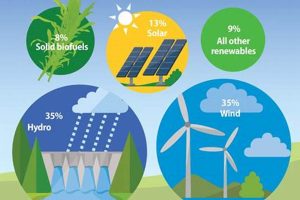
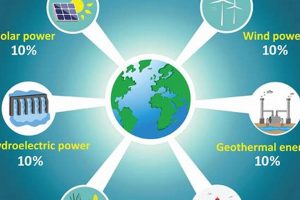
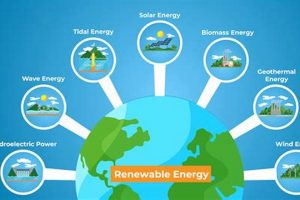
Harnessing power from naturally replenishing resources is essential for a sustainable energy future. Examples include solar radiation, wind currents, geothermal heat, and flowing water. These differ significantly from finite fossil fuels in their ability to be naturally replenished on a human timescale.
Adopting such methods presents numerous advantages, encompassing reduced greenhouse gas emissions, decreased reliance on imported fuels, and the creation of domestic energy production opportunities. Historically, many societies relied on wind and water for mechanical power, paving the way for current technological advancements.
The following sections will examine distinct approaches to capturing these inexhaustible resources, analyze their respective efficiencies and challenges, and consider their potential contributions to a diversified energy portfolio.
Optimizing the Integration of Renewable Energy
Strategic implementation is critical to maximizing the benefits derived from inexhaustible energy resources. Careful planning and resource allocation are necessary for long-term success.
Tip 1: Prioritize Resource Assessment. A comprehensive evaluation of available solar irradiance, wind patterns, geothermal gradients, and hydrological data is essential. This provides a baseline for selecting appropriate technologies and estimating potential energy yields. For example, a region with consistently high solar irradiance should consider investment in photovoltaic systems.
Tip 2: Implement Grid Modernization Initiatives. Existing electrical grids often lack the capacity to efficiently integrate intermittent sources. Upgrading grid infrastructure to include smart grid technologies, enhanced energy storage, and improved transmission capabilities is crucial. This will allow for greater stability and reliability in power delivery.
Tip 3: Diversify Energy Portfolio. Relying solely on one type of renewable resource can create vulnerabilities. A diversified portfolio incorporating multiple energy sources, such as solar, wind, hydro, and geothermal, can mitigate risks associated with weather variability and resource limitations.
Tip 4: Incentivize Research and Development. Continued investment in research and development is vital for advancing technology and reducing costs. This includes exploring new materials, improving efficiency, and developing innovative storage solutions. Government and private sector collaborations can accelerate progress.
Tip 5: Establish Supportive Regulatory Frameworks. Clear and consistent regulatory frameworks are necessary to attract investment and encourage the adoption of renewable energy technologies. This includes streamlining permitting processes, offering tax incentives, and establishing renewable energy standards.
Tip 6: Promote Public Awareness and Education. Educating the public about the benefits of sustainable energy is crucial for fostering support and driving adoption. This can be achieved through outreach programs, educational campaigns, and community engagement initiatives.
Tip 7: Explore Energy Storage Solutions. Addressing the intermittency of certain resource is a critical. Batteries, pumped hydro storage, and other energy storage technologies can enhance the reliability and dispatchability of renewable energy systems, ensuring a consistent power supply.
Implementing these strategies will promote a more secure and sustainable energy future, reducing reliance on finite resources and mitigating environmental impacts.
The subsequent sections will delve deeper into the practical considerations of implementing these suggestions, examining the specific challenges and opportunities associated with each step.
1. Resource Availability

Resource availability is a foundational determinant of the potential contribution from sources such as solar, wind, geothermal, and hydro. Without sufficient resource, the economic and technical viability of extraction becomes questionable. This is a cause-and-effect relationship: abundant resources facilitate practical energy generation, while scarce resources render projects unfeasible. Understanding the nature and extent of resource is vital because it sets the upper limit on potential power output and dictates the appropriate scale and location of energy generation facilities. A solar farm’s output, for example, depends heavily on daily sunlight hours and the annual solar irradiance. Similarly, a wind farms output relies on consistent, adequate wind speeds. Failure to accurately assess resource availability results in underperforming or abandoned projects.
Furthermore, the geographic distribution of these resources impacts energy infrastructure planning and investment decisions. Regions with significant geothermal activity may warrant investment in geothermal power plants, while areas with consistent rainfall and suitable topography might prioritize hydroelectric projects. Resource evaluation involves detailed surveys, long-term data collection, and advanced modeling to accurately predict energy generation capacity. For example, before constructing a hydropower dam, extensive hydrological studies must be conducted to determine river flow rates, seasonal variations, and potential environmental impacts. If resource is overestimated, project’s financial return may be significantly altered, leading to economic losses. The practical implication here is to invest in comprehensive surveys before initiating large scale projects.
In conclusion, accurately assessing resource is paramount for efficient and sustainable energy generation. Understanding the limitations and potential of solar radiation, wind, geothermal gradients, and water resources is essential for selecting appropriate locations, choosing suitable technologies, and developing effective energy policies. Challenges, such as accounting for seasonal variations and climate change impacts on resource, require ongoing monitoring and adaptive management strategies. Without precise understanding, renewable energy projects risk failing to achieve their intended environmental and economic goals. By acknowledging resource limitations, energy policies can foster realistic and viable deployments that contribute to a diversified and sustainable energy portfolio.
2. Technological Efficiency

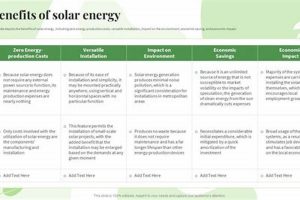
Technological efficiency serves as a critical determinant in the viability and scalability of power generation from naturally replenishing resources. The efficacy with which a particular technology converts raw energy into usable electricity directly impacts its economic competitiveness and environmental footprint. Improved conversion rates, reduced energy losses, and enhanced operational lifespan are all consequences of technological advancements. As an example, the development of more efficient solar panels, with higher photovoltaic conversion rates, results in greater electricity generation per unit area. This directly decreases land usage and overall cost per kilowatt-hour, fostering more widespread adoption.
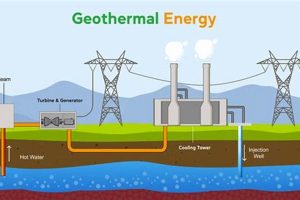
In the context of wind, advancements in turbine design, blade materials, and control systems have led to significant increases in energy capture and reduced downtime. Larger rotor diameters enable the harvesting of wind energy at lower wind speeds, expanding the geographic range of viable wind farm locations. Similarly, in geothermal energy, enhanced drilling techniques and the development of advanced heat exchangers increase the amount of energy extracted from geothermal reservoirs. Hydroelectric power benefits from improved turbine designs that optimize energy extraction from flowing water, regardless of water head or volume. The interplay between technological efficiency and the inherent properties of resources dictates the overall performance of each system.
Ultimately, continuous improvement in technological efficiency is essential for making resource-based power generation cost-competitive with conventional energy sources. Investments in research and development, coupled with rigorous testing and deployment of new technologies, drive this progress. By maximizing the energy output from each resource, the reliance on finite resources can be reduced. The benefits are both environmental and economic, leading to a more sustainable and resilient energy future. Overcoming technological barriers, however, requires sustained effort and a commitment to innovation.
3. Economic Viability

The economic viability of power generation derived from solar irradiance, wind patterns, geothermal gradients, and flowing water is pivotal in determining their widespread adoption and integration into the energy market. The initial capital expenditure associated with constructing power plants for these resources, compared to established fossil fuel infrastructure, is a significant factor influencing investment decisions. A cause-and-effect relationship exists wherein lower costs, resulting from technological advancements and economies of scale, directly lead to increased deployment. Therefore, economic viability is not merely a desirable attribute but a fundamental component ensuring the long-term success of resource-derived energy.
Government policies, such as tax incentives, subsidies, and feed-in tariffs, play a critical role in enhancing economic viability. For instance, Germany’s Energiewende initiative, involving substantial investment in solar and wind energy, demonstrates the effect of policy support in driving down costs and expanding market penetration. Furthermore, the location of power plants significantly impacts economic feasibility. Siting wind farms in areas with high average wind speeds reduces the need for extensive turbine arrays, thereby lowering capital costs and increasing energy output. Another aspect is the long-term operating costs. Resource-based power plants often have lower operating expenses compared to fossil fuel plants due to the absence of fuel costs. However, maintenance and equipment replacement costs must be carefully managed to ensure ongoing profitability.
In conclusion, economic viability is an indispensable consideration for successfully integrating the four resources into the global energy supply. Reducing upfront capital costs, optimizing plant location, ensuring efficient operation, and leveraging supportive government policies are key strategies. While technological advancements continue to drive down costs, careful planning and strategic implementation are essential for unlocking the full economic potential of these inexhaustible resources and facilitating a transition to a sustainable energy future. Without sound economic underpinnings, widespread adoption will remain limited, hindering the broader goals of emissions reduction and energy security.
4. Environmental Impact

The environmental impact associated with solar irradiance, wind patterns, geothermal gradients, and flowing water demands careful consideration. While often perceived as benign, power generation derived from these sources can present specific ecological challenges that require proactive mitigation.
- Land Use and Habitat Disruption
The construction of large-scale solar farms or wind turbine arrays necessitates significant land areas, potentially displacing native vegetation, disrupting wildlife habitats, and altering ecosystems. The placement of turbines can lead to avian mortality, particularly for migratory species. Mitigating strategies include careful site selection, habitat restoration, and the implementation of bird-friendly turbine designs.
- Hydrological Alterations
Hydroelectric dams can drastically alter river flow regimes, impacting downstream ecosystems and aquatic life. Reservoirs submerge terrestrial habitats and impede fish migration. Geothermal energy extraction can affect groundwater quality and trigger seismic activity in some regions. Sustainable hydropower practices prioritize minimizing flow alterations, providing fish passages, and implementing strict environmental monitoring protocols.
- Visual and Noise Pollution
Wind turbines, while providing clean energy, can generate noise pollution and create visual disturbances in scenic landscapes. Solar farms, with their reflective surfaces, may alter the aesthetic character of rural areas. Mitigating strategies include careful turbine placement to minimize noise impacts, the use of less reflective solar panel materials, and public engagement in project planning.
- Material Consumption and Waste Generation
The manufacturing of solar panels, wind turbines, and other renewable energy infrastructure requires the extraction of raw materials and generates industrial waste. End-of-life management of these components presents challenges, including the need for effective recycling and disposal processes. Promoting circular economy principles, such as component reuse and material recovery, is essential for minimizing environmental footprints.
Effective assessment and mitigation of these impacts are crucial for ensuring the long-term sustainability of solar, wind, geothermal, and hydro-based energy systems. Continued research into minimizing environmental effects, coupled with robust regulatory frameworks and public participation, is necessary for responsibly harnessing these resources for future power generation.
5. Grid Integration

Effective grid integration is a critical factor determining the viability and scalability of energy systems relying on solar radiation, wind currents, geothermal heat, and flowing water. The existing electrical grid infrastructure was largely designed for centralized power generation from fossil fuel sources. Consequently, accommodating the variable and geographically dispersed nature of resource-based energy poses unique challenges.
- Intermittency Management
Solar and wind power are inherently intermittent, fluctuating with weather conditions. This variability requires sophisticated grid management strategies to ensure a stable and reliable electricity supply. Methods for addressing intermittency include advanced forecasting techniques, energy storage solutions (such as batteries and pumped hydro), and demand response programs.
- Geographic Distribution and Transmission Infrastructure
Resources such as solar and wind are often located in remote areas far from population centers. This necessitates the construction of new transmission lines and upgrades to existing infrastructure to transport electricity efficiently. High-voltage direct current (HVDC) transmission is frequently employed to minimize energy losses over long distances.
- Grid Stability and Voltage Regulation
The injection of intermittent renewable energy into the grid can cause voltage fluctuations and stability issues. Advanced grid control technologies, such as smart inverters and flexible AC transmission systems (FACTS), are crucial for maintaining grid stability and ensuring power quality.
- Smart Grid Technologies and Data Management
Integrating intermittent sources requires a smart grid infrastructure capable of real-time monitoring, communication, and control. Smart meters, sensors, and advanced data analytics are essential for optimizing grid performance, predicting energy output, and responding to changing conditions. Data-driven decision-making allows for more efficient resource allocation and improved grid reliability.
The successful grid integration of energy sources involves a multifaceted approach encompassing technological advancements, policy support, and infrastructure investments. Overcoming these challenges is essential for unlocking the full potential and transitioning to a sustainable energy future. Effective resource utilization is not solely dependent on power generation but also on the ability to efficiently deliver that power to consumers.
6. Policy Support

Governmental and regulatory directives significantly influence the deployment and market penetration of solar, wind, geothermal, and hydroelectric energy systems. These sources require a supportive policy framework to overcome economic barriers and compete effectively with established, often subsidized, fossil fuel industries. Effective policies can accelerate adoption, foster innovation, and ensure sustainable development.
- Financial Incentives
Tax credits, subsidies, and feed-in tariffs reduce the upfront costs of renewable energy projects and guarantee a stable revenue stream for producers. For example, the Investment Tax Credit (ITC) in the United States has been instrumental in driving solar energy deployment by lowering the financial burden for investors. Feed-in tariffs, as implemented in Germany, provide a guaranteed price for electricity generated from sources such as wind and solar, incentivizing investment and promoting growth.
- Regulatory Standards and Mandates
Renewable Portfolio Standards (RPS) mandate that a certain percentage of electricity must come from sources such as solar, wind, geothermal, and hydro. These mandates create a guaranteed market for renewable energy, driving demand and stimulating investment. Building codes requiring solar panel installation on new construction further bolster the demand and promote the integration of renewable energy technologies.
- Research and Development Funding
Government investment in research and development is crucial for advancing renewable energy technologies and reducing costs. Public funding supports basic research, technology demonstration projects, and the development of innovative solutions. The U.S. Department of Energy’s (DOE) funding for solar energy research has led to significant improvements in photovoltaic cell efficiency and cost reductions.
- Permitting and Streamlining
Streamlined permitting processes reduce the time and cost associated with developing and deploying renewable energy projects. Clear and predictable regulatory frameworks facilitate investment and accelerate project completion. Standardized permitting processes, such as those implemented in certain European countries, can significantly reduce the administrative burden for project developers.
The interplay between financial incentives, regulatory standards, research investment, and streamlined permitting is crucial for accelerating the transition to a sustainable energy future. Supportive policy frameworks are essential for creating a level playing field, promoting innovation, and driving widespread deployment of solar, wind, geothermal, and hydro power. Without such policies, the economic and logistical barriers to adoption may prove insurmountable.
Frequently Asked Questions Regarding Sustainable Energy
The following elucidates common queries concerning harnessing naturally replenishing resources for power generation.
Question 1: Is reliance on this method truly feasible for meeting global energy demands?
Technological advancements and strategic resource deployment suggest a transition toward renewable energy dominance is increasingly plausible. However, infrastructural modifications and policy alignment are prerequisites.
Question 2: What are the primary environmental consequences of implementing widespread adoption of solar, wind, geothermal and hydro power?
While generally less impactful than fossil fuels, environmental consequences include land usage for installations, avian mortality from wind turbines, and hydrological alterations due to hydroelectric dams. Mitigation strategies are crucial.
Question 3: How do fluctuations in sunlight and wind affect the reliability of the power grid?
Intermittency poses a significant challenge. Energy storage solutions, enhanced grid management techniques, and geographical diversification are essential to maintain a stable electricity supply.
Question 4: Are the upfront costs associated with constructing facilities prohibitive?
Initial capital expenditures can be substantial. However, long-term operating costs are typically lower than fossil fuel-based systems, and financial incentives can mitigate the initial investment burden.
Question 5: What advancements are anticipated in the near future to further enhance the efficiency and affordability of systems using this method?
Research and development efforts are focused on improving photovoltaic cell efficiency, developing more advanced turbine designs, enhancing geothermal drilling techniques, and optimizing energy storage solutions.
Question 6: How do government policies and regulations influence the deployment and success of utilizing solar, wind, geothermal and hydro power?
Policy support, including tax credits, renewable portfolio standards, and streamlined permitting processes, plays a vital role in driving adoption, fostering innovation, and ensuring sustainable development.
Understanding the intricacies of harnessing naturally replenishing resources is paramount for informed decision-making and effective implementation.
Subsequent discourse will delve into case studies illustrating successful deployments, addressing both challenges and opportunities.
Conclusion
This exploration has detailed the critical elements influencing the viability of four renewable energy sources: resource availability, technological efficiency, economic viability, environmental impact, grid integration, and policy support. Each facet necessitates careful evaluation and strategic planning to ensure successful implementation and long-term sustainability. It is imperative to acknowledge both the opportunities and the challenges associated with widespread adoption.
The continued refinement of technologies, coupled with supportive policy frameworks and a commitment to minimizing environmental consequences, is essential for realizing the full potential of solar, wind, geothermal, and hydro power. The pursuit of a diversified and sustainable energy future demands a collaborative effort from governments, industries, and individuals to drive innovation, reduce costs, and responsibly harness these valuable resources.