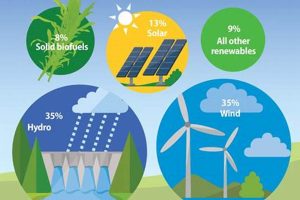
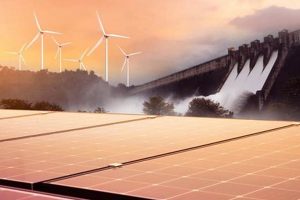
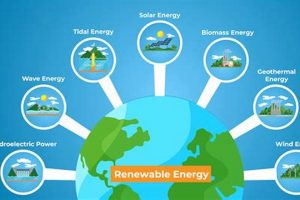
Harnessing power from naturally replenishing resources represents a significant shift in energy production. This method relies on sources like sunlight, wind, water, and geothermal heat, offering a sustainable alternative to traditional fossil fuels. Solar photovoltaic panels converting sunlight directly into usable power and wind turbines transforming kinetic energy into electrical energy are common examples of this approach.
Utilizing these methods offers numerous benefits. It reduces reliance on finite fossil fuel reserves, mitigating concerns about resource depletion. Furthermore, it decreases greenhouse gas emissions, contributing to efforts to combat climate change and improve air quality. Historically, the development and implementation of these power generation systems have been driven by growing environmental awareness and technological advancements, leading to increased efficiency and affordability.
The subsequent sections will delve into the specific technologies, economic considerations, and policy frameworks that shape the landscape of this evolving sector. Focus will be given to current advancements and future projections of various means to generate power from sustainable resources, including a discussion of grid integration challenges and potential solutions.
Considerations for Maximizing the Potential of Sustainable Electrical Generation
The following points provide guidance on optimizing the implementation and integration of technologies that convert naturally replenishing resources into electrical energy.
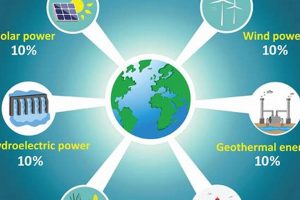
Tip 1: Diversify Resource Portfolio: Relying on a single resource type exposes the system to fluctuations based on geographical location and seasonal changes. A mix of solar, wind, hydro, and geothermal sources enhances reliability and stability of supply.
Tip 2: Invest in Energy Storage Solutions: Intermittency is inherent to many resource-dependent systems. Battery storage, pumped hydro, and other storage technologies are crucial for ensuring a consistent power supply, especially during periods of low resource availability.
Tip 3: Prioritize Grid Modernization: Existing electrical grids may not be equipped to handle the distributed nature of renewable sources. Upgrading infrastructure to incorporate smart grid technologies is essential for efficient management and distribution.
Tip 4: Support Research and Development: Continuous innovation is required to improve the efficiency and reduce the cost of renewable energy technologies. Government and private sector investment in R&D is vital for long-term growth.
Tip 5: Establish Supportive Policy Frameworks: Clear and consistent policies, including tax incentives, feed-in tariffs, and renewable energy standards, encourage investment and accelerate deployment. A stable regulatory environment is necessary for long-term success.
Tip 6: Promote Public Awareness and Education: Educating the public about the benefits and opportunities associated with sustainable power generation fosters greater acceptance and support. Increased awareness can drive demand and accelerate adoption.
These strategies, implemented holistically, maximize the effectiveness and broader integration of electrical generation powered by naturally replenishing sources. A comprehensive approach is required to achieve a sustainable and secure energy future.
The following sections will provide an outlook on the future, considering potential advancements and obstacles to wider deployment.
1. Sustainability

Sustainability forms the bedrock upon which the utilization of electricity derived from naturally replenishing resources rests. It encompasses the capacity to meet present energy needs without compromising the ability of future generations to meet their own. In the context of energy, sustainability emphasizes minimizing environmental impact and ensuring resource availability over the long term.
- Resource Depletion
Sustainability necessitates the selection of energy sources that do not deplete finite resources. Unlike fossil fuels, which are exhaustible, solar radiation, wind currents, geothermal heat, and hydropower are continuously replenished. The strategic implementation of these resources diminishes reliance on diminishing reserves.
- Environmental Impact
The environmental footprint of electricity generation is a critical aspect of sustainability. Renewable technologies, such as photovoltaic arrays and wind turbines, generally produce significantly lower greenhouse gas emissions compared to conventional power plants. Reduced emissions mitigate climate change and improve air quality.
- Life Cycle Analysis
A comprehensive life cycle analysis is essential to fully assess the sustainability of a particular energy source. This analysis considers the environmental impact of all stages, from resource extraction and manufacturing to operation and decommissioning. Even renewable technologies have an environmental footprint, albeit a smaller one than fossil fuels.
- Waste Management
Sustainable electricity generation requires responsible waste management practices. Solar panels, wind turbine blades, and battery storage systems eventually reach the end of their operational life. Proper recycling and disposal methods are necessary to minimize environmental harm and recover valuable materials.
The principles of sustainability guide the selection, development, and deployment of electrical generation systems powered by naturally replenishing sources. By prioritizing resource conservation, minimizing environmental impact, and implementing responsible waste management practices, a transition to a more sustainable energy future can be realized. This transition not only addresses immediate energy demands but also safeguards the environment for subsequent generations.
2. Efficiency
The conversion efficiency of renewable energy technologies dictates the quantity of electricity generated from a given resource input. Higher efficiency translates directly to greater power output for the same investment in infrastructure and resource utilization. This is particularly critical given the often diffuse nature of naturally replenishing resources, where maximizing energy capture is paramount for economic viability. For example, improved solar panel efficiency allows for greater electricity generation within a fixed surface area, thereby lowering the levelized cost of energy. Similarly, more efficient wind turbine designs capture a greater percentage of kinetic energy from wind, increasing overall power production.
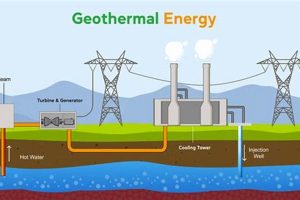
Efficiency improvements also directly influence the environmental footprint of renewable electricity generation. For instance, the development of advanced geothermal power plants with enhanced heat recovery systems reduces the amount of land required for power generation and minimizes potential environmental disturbances. In hydroelectric power, upgrades to turbine technology enhance power output without necessitating the construction of new dams, thereby mitigating ecological impact on river systems. Moreover, materials science plays a crucial role in efficiency gains, as advancements in solar cell materials and wind turbine blade design lead to more durable and productive systems with lower manufacturing impacts.
In summary, efficiency is an indispensable component of viable and sustainable electricity derived from renewable sources. Continual improvements in efficiency, driven by research, development, and technological innovation, are essential for decreasing costs, maximizing energy output, and minimizing environmental impact. These advancements are paramount for widespread adoption and integration of resource-derived power generation into existing energy grids, enabling a transition toward a cleaner and more sustainable energy future.
3. Intermittency
Intermittency represents a core challenge in the widespread integration of electricity derived from certain sustainable resources. Its inherently variable nature necessitates sophisticated strategies to ensure grid stability and reliability when relying on such power sources.
- Resource Availability Fluctuations
Solar irradiance varies diurnally and seasonally, directly impacting photovoltaic power generation. Similarly, wind speeds fluctuate unpredictably, leading to variations in wind turbine output. These temporal variations pose a significant obstacle to providing a consistent and predictable electricity supply.
- Predictive Modeling Limitations
While forecasting tools have advanced, accurately predicting resource availability remains challenging. Weather patterns are inherently complex, and forecasting errors can lead to imbalances between supply and demand on the electrical grid. This uncertainty requires additional resources and strategies to maintain system stability.
- Grid Stability Implications
Sudden fluctuations in renewable power generation can destabilize the electrical grid, potentially leading to frequency deviations and voltage sags. These issues require rapid responses from grid operators, including adjustments to other power sources and utilization of grid stabilization technologies.
- Mitigation Strategies
Various strategies mitigate the effects of intermittency, including energy storage solutions (e.g., batteries, pumped hydro), demand response programs, and geographical diversification of resource locations. Integrating multiple renewable sources across a wider geographical area reduces the overall variability in power supply.
Addressing the challenges posed by intermittency is crucial for realizing the full potential of resource-derived electricity generation. The development and deployment of advanced forecasting tools, energy storage technologies, and grid management strategies are essential for ensuring a reliable and sustainable power supply.
4. Cost

The cost of electricity derived from naturally replenishing resources is a multifaceted factor influencing its adoption and viability. Initial capital expenditures for renewable energy infrastructure, such as solar farms and wind turbine installations, can be substantial. However, these technologies often exhibit significantly lower operating costs compared to conventional power plants that rely on continuously purchased fuel. The economic equation is further complicated by government subsidies, tax incentives, and carbon pricing mechanisms, which can substantially alter the effective cost of electricity generated from various sources. The levelized cost of energy (LCOE), a metric that calculates the total cost of an electricity-generating asset over its lifetime divided by the total electricity output, provides a standardized comparison across different technologies. Recent trends show a decline in the LCOE for numerous renewable technologies, making them increasingly competitive with traditional fossil fuel-based power generation.
Real-world examples illustrate the dynamic nature of cost considerations. In regions with abundant sunshine and strong wind resources, such as the southwestern United States and parts of Europe, solar and wind power have become economically attractive, even without subsidies. Large-scale procurement auctions, where renewable energy developers bid against each other to secure power purchase agreements, have driven down prices and demonstrated the cost-effectiveness of these technologies. Furthermore, advancements in materials science and manufacturing processes are continuously reducing the cost of renewable energy components, such as solar panels and battery storage systems. The integration of smart grid technologies and demand response programs can also contribute to cost optimization by improving grid efficiency and reducing peak demand, which often necessitates the use of more expensive power sources.
Ultimately, the cost of electricity from renewable energy sources is a dynamic parameter shaped by technological innovation, policy interventions, and market forces. While upfront investments may remain a barrier in some contexts, the long-term economic and environmental benefits associated with these energy sources are becoming increasingly apparent. Continued research and development, coupled with supportive policy frameworks, are essential for further reducing costs and promoting the widespread adoption of sustainable electricity generation technologies. The transition to a low-carbon energy future hinges, in part, on the ability to deliver affordable and reliable renewable energy to consumers.
5. Infrastructure

Infrastructure plays a pivotal role in the effective generation, transmission, and distribution of electricity derived from sustainable resources. Its suitability and capacity directly affect the feasibility and scalability of integrating these sources into existing power grids. Inadequate infrastructure can impede the efficient utilization of even the most abundant resource potential.
- Transmission Networks
High-voltage transmission lines are essential for transporting electricity from renewable energy generation sites, often located in remote areas with abundant resources, to population centers. Insufficient transmission capacity can result in curtailed renewable energy output, as power cannot be efficiently moved to where it is needed. For example, large-scale wind farms in the Great Plains of the United States require significant investments in transmission infrastructure to deliver electricity to urban areas in the Midwest and East Coast.
- Grid Modernization
Existing electrical grids, designed for centralized power generation, may not be optimized for the distributed nature of renewable energy sources. Grid modernization efforts, including the implementation of smart grid technologies, enhance the grid’s ability to manage variable and intermittent power flows. Smart grids enable real-time monitoring, control, and optimization of electricity distribution, improving overall grid stability and reliability.
- Energy Storage Systems
Energy storage technologies, such as battery storage, pumped hydro storage, and compressed air energy storage, are crucial for mitigating the intermittency challenges associated with certain renewable resources. These systems store excess electricity generated during periods of high resource availability and release it during periods of low resource availability. The development and deployment of cost-effective and scalable energy storage solutions is critical for ensuring a consistent and reliable power supply from renewable sources.
- Distribution Networks
Distribution networks connect transmission systems to individual homes and businesses. Upgrading distribution networks to accommodate distributed generation from rooftop solar panels and small-scale wind turbines is essential for enabling widespread adoption of these technologies. This includes the installation of advanced metering infrastructure (AMI) and smart inverters, which allow for bidirectional power flow and improved grid management at the local level.
In summation, robust and adaptable infrastructure is a prerequisite for fully harnessing the potential of electricity generated from sustainable resources. Strategic investments in transmission networks, grid modernization, energy storage systems, and distribution networks are essential for integrating these sources into the existing energy landscape and ensuring a reliable, sustainable, and cost-effective power supply. The lack of appropriate infrastructure can prevent us to achieve this goal effectively.
6. Policy

Governmental policy exerts a profound influence on the development, deployment, and overall viability of electricity generated from sustainable resources. Policy frameworks, encompassing regulations, incentives, and mandates, directly shape the economic landscape for renewable energy projects and determine the speed and scale of their integration into existing power grids. The absence of supportive policies often creates barriers to entry, discourages investment, and perpetuates reliance on conventional fossil fuels. Conversely, well-designed policies can catalyze growth, attract private capital, and accelerate the transition to a cleaner energy economy. Feed-in tariffs, for example, guarantee a fixed price for electricity generated from renewable sources, providing revenue certainty for project developers and stimulating investment. Renewable portfolio standards (RPS) mandate that a certain percentage of electricity supplied by utilities must come from renewable sources, creating a guaranteed market for renewable energy producers. Tax credits, rebates, and other financial incentives further reduce the upfront costs of renewable energy projects, making them more competitive with traditional power plants.
Real-world examples underscore the critical role of policy in driving renewable energy adoption. Germany’s Energiewende, a comprehensive energy transition policy, has spurred significant growth in solar and wind power capacity, despite the country’s relatively limited solar resources. The policy includes feed-in tariffs, renewable portfolio standards, and other measures designed to incentivize renewable energy development and reduce carbon emissions. Similarly, California’s ambitious renewable energy targets and supportive policies, such as net metering and streamlined permitting processes, have made the state a leader in solar power deployment. These policies have not only spurred economic growth in the renewable energy sector but have also created jobs and reduced air pollution. However, policy uncertainty, inconsistent regulations, and lack of long-term commitments can undermine investor confidence and slow down the pace of renewable energy deployment. For instance, changes in tax credits or renewable portfolio standards can create instability in the market, delaying or even canceling planned projects.
In conclusion, policy serves as a critical enabler for the expansion of electricity generated from sustainable resources. A stable and predictable policy environment is essential for attracting investment, fostering innovation, and driving down costs. Governments play a crucial role in creating a level playing field for renewable energy technologies, internalizing the external costs of fossil fuels, and promoting the development of a cleaner and more sustainable energy future. Effective policies must be comprehensive, long-term, and adaptable to changing market conditions to ensure the continued growth and integration of renewable energy into the global energy mix.
Frequently Asked Questions
The following questions and answers address common inquiries related to electricity generation from sustainable resources. This section aims to clarify misconceptions and provide factual information on this topic.
Question 1: Is electricity derived from naturally replenishing sources consistently available?
The availability of this electricity depends on the specific resource utilized. Solar and wind power are intermittent, influenced by weather conditions. Hydroelectric power is subject to water availability. Geothermal energy offers more consistent output. Energy storage solutions and grid management techniques can mitigate intermittency challenges.
Question 2: Does electricity from renewable sources always have a lower environmental impact than electricity from fossil fuels?
Generally, electricity from renewable sources has a significantly lower environmental impact compared to fossil fuels due to reduced greenhouse gas emissions and air pollution. However, the manufacturing processes of renewable energy technologies can have some environmental impacts. A life cycle assessment is essential to evaluate the overall impact.
Question 3: How does the cost of electricity compare between sources?
The cost varies depending on the specific technology, geographic location, and policy incentives. In many regions, solar and wind power have become cost-competitive with or even cheaper than fossil fuel-based power generation. Technological advancements and economies of scale are further driving down costs.
Question 4: What role does energy storage play in maximizing the utilization?
Energy storage is crucial for storing excess electricity generated from intermittent sources like solar and wind. This stored energy can then be dispatched when resource availability is low, ensuring a more consistent and reliable power supply. Storage technologies are vital for integrating a higher proportion of renewable sources into the grid.
Question 5: What infrastructure is needed to support widespread adoption?
Supporting a wider use requires upgrades to transmission networks, grid modernization with smart grid technologies, and expansion of energy storage capacity. Distribution networks also need to be adapted to accommodate distributed generation from sources like rooftop solar panels. Upgrades also consider the material to be use for enviromental factor.
Question 6: What policies are most effective in promoting electricity generation from naturally replenishing sources?
Effective policies include renewable portfolio standards, feed-in tariffs, tax incentives, and carbon pricing mechanisms. These policies create a stable and predictable market environment for renewable energy projects, encouraging investment and driving down costs.
In summary, the advantages and challenges of electricity production sourced from naturally replenishing power vary depending on the source, location, and the degree of infrastructure investment. Further technological developments may bring additional sources.
The following section will provide a forecast of the future of these power systems.
Conclusion
The preceding discussion has comprehensively explored the multifaceted aspects of electricity from renewable energy sources. The analysis has encompassed the principles of sustainability, efficiency considerations, the challenges posed by intermittency, economic factors influencing adoption, the crucial role of supporting infrastructure, and the impact of governmental policies. This examination reveals a complex interplay of technological, economic, and political forces shaping the trajectory of sustainable energy development.
The transition towards electricity generation from renewable energy sources represents a fundamental shift in the global energy landscape. Continued investment in research and development, coupled with strategic policy interventions, is essential to unlock the full potential of these technologies. Addressing the challenges of intermittency, reducing costs, and modernizing grid infrastructure will be paramount for achieving a sustainable and secure energy future. The collective commitment of governments, industries, and individuals is required to accelerate this transition and mitigate the adverse effects of climate change.