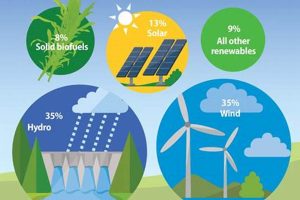
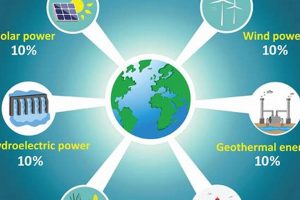
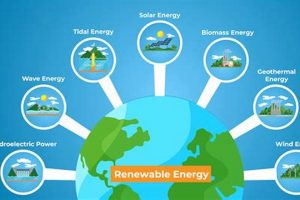
Harnessing power from naturally replenishing resources offers multiple benefits. These resources, including sunlight, wind, water, and geothermal heat, provide a sustainable alternative to finite fossil fuels. The ability to generate electricity and heat from these sources ensures a continuous energy supply, independent of depleting reserves. As an example, solar panels convert sunlight into electricity, while wind turbines transform kinetic energy into usable power.
The widespread adoption of these sustainable power methods mitigates environmental damage associated with traditional energy production. Reduced greenhouse gas emissions contribute to climate change mitigation and improved air quality. Furthermore, these approaches can enhance energy security by diversifying energy sources and reducing reliance on imported fuels. Historically, reliance on fossil fuels has led to geopolitical instability and environmental degradation. The shift towards renewable options offers a path toward a more stable and environmentally sound future.
The following sections will explore in greater detail the environmental, economic, and social benefits associated with harnessing natural power. A comprehensive analysis will demonstrate the value of these approaches for a sustainable energy future.
Maximizing the Benefits of Renewable Energy Integration
The following guidelines are designed to assist in optimizing the utilization and maximizing the positive impacts associated with transitioning to sustainable energy systems.
Tip 1: Prioritize Lifecycle Cost Analysis: When evaluating energy options, focus on the total cost over the lifespan of the technology, encompassing installation, maintenance, and fuel costs. This approach reveals the long-term economic advantages of renewable sources despite potentially higher initial investments. For instance, a solar panel array may have a higher upfront cost than a coal-fired power plant, but the absence of fuel expenses and lower maintenance requirements can lead to significant savings over its operational lifespan.
Tip 2: Promote Energy Storage Solutions: Address the intermittent nature of some resources by investing in energy storage technologies. Batteries, pumped hydro storage, and thermal energy storage systems enable the consistent delivery of power generated from variable sources like solar and wind. This is crucial for grid stability and reliability, ensuring energy availability during periods of low resource availability.
Tip 3: Encourage Decentralized Energy Generation: Facilitate the implementation of distributed generation systems, such as rooftop solar panels and small-scale wind turbines. This reduces transmission losses and enhances grid resilience by creating a more localized and diversified energy infrastructure. Microgrids, powered by renewable resources and energy storage, can provide reliable power to communities even during grid outages.
Tip 4: Implement Smart Grid Technologies: Modernize existing grids with smart grid technologies to improve energy efficiency and facilitate the integration of distributed energy resources. Smart meters, advanced sensors, and automated control systems enable real-time monitoring and management of energy flow, optimizing resource utilization and reducing waste.
Tip 5: Establish Supportive Policy Frameworks: Develop and implement clear and consistent policies that incentivize the adoption of renewable technologies. Feed-in tariffs, tax credits, and renewable portfolio standards create a stable investment environment and drive market demand. These policies must be carefully designed to ensure cost-effectiveness and minimize unintended consequences.
Tip 6: Invest in Research and Development: Continuously advance renewable energy technologies through ongoing research and development. Focus on improving efficiency, reducing costs, and developing innovative storage solutions. Government funding, industry partnerships, and academic research play a crucial role in accelerating technological advancements.
These strategic approaches are fundamental to realizing the full potential of renewable technologies and creating a sustainable energy future. A concerted effort across various sectors is required to ensure a successful and equitable transition.
The subsequent sections will address specific challenges and opportunities associated with broader sustainable energy system implementation.
1. Sustainability
Sustainability, in the context of energy, refers to the ability to meet current energy needs without compromising the ability of future generations to meet their own. This concept is central to the discussion of the value proposition associated with natural power, as these resources offer a fundamentally different approach compared to traditional energy sources.
- Resource Depletion Mitigation
Renewable resources, by their nature, are continually replenished, contrasting sharply with finite fossil fuels. Solar energy, wind power, and hydropower rely on inexhaustible natural processes. This inherent characteristic reduces the risk of resource depletion, ensuring a long-term energy supply independent of diminishing reserves. The ongoing use of coal, oil, and natural gas poses a significant threat to future energy availability, whereas reliance on constantly regenerating resources mitigates this risk.
- Environmental Impact Reduction
Conventional energy production often leads to significant environmental degradation, including air and water pollution, habitat destruction, and greenhouse gas emissions. Sustainable energy options generally have a much smaller environmental footprint. For example, solar power generation produces minimal air pollutants, and wind farms can coexist with agricultural land. This lower impact minimizes harm to ecosystems and reduces the negative health effects associated with pollution, contributing to a healthier planet for current and future populations.
- Climate Change Mitigation
The combustion of fossil fuels is a primary driver of climate change, contributing to rising global temperatures, sea-level rise, and extreme weather events. Natural power sources, such as solar, wind, and geothermal, produce little to no greenhouse gas emissions during operation. Transitioning to these energy sources is essential for mitigating the effects of climate change and preventing further environmental damage. By reducing reliance on carbon-intensive fuels, sustainable energy plays a critical role in achieving global climate goals.
- Waste Minimization
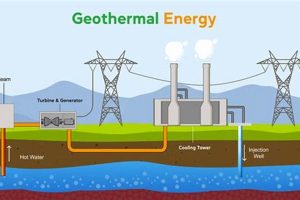
Fossil fuel extraction and processing generate substantial waste products, including mining tailings, ash, and radioactive materials. Many sustainable energy technologies produce minimal waste during operation. For example, geothermal power plants can reinject spent water back into the earth, minimizing waste generation. This reduced waste stream lessens the environmental burden associated with energy production and promotes a more circular economy.
The facets of sustainability resource depletion mitigation, reduced environmental impact, climate change mitigation, and waste minimization underscore the value of natural power sources as a viable and responsible energy solution. The inherent sustainability of these resources ensures a long-term energy supply with minimal environmental consequences, offering a stark contrast to the unsustainable practices associated with traditional energy production.
2. Reduced Emissions

The diminution of harmful effluents into the atmosphere constitutes a pivotal advantage offered by natural power. This reduction in emissions directly addresses environmental concerns, public health issues, and the overarching challenge of climate change, thereby solidifying the attractiveness of these power methods.
- Mitigation of Greenhouse Gas Emissions
The most significant environmental benefit stems from the considerable reduction of greenhouse gases. Traditional power generation, relying heavily on fossil fuels, releases substantial amounts of carbon dioxide, methane, and nitrous oxide, all potent contributors to global warming. Solar, wind, hydro, and geothermal technologies, in contrast, produce negligible greenhouse gas emissions during operation. For instance, replacing a coal-fired power plant with a solar farm drastically reduces carbon dioxide released into the atmosphere, directly mitigating the effects of climate change. The widespread adoption of these methods is essential for achieving global climate goals and preventing further environmental degradation.
- Diminishment of Air Pollutants
Combustion of fossil fuels also releases harmful air pollutants such as sulfur dioxide, nitrogen oxides, and particulate matter. These pollutants contribute to respiratory illnesses, cardiovascular problems, and other health issues. Wind and solar power generation, do not generate these pollutants. Thus directly improving air quality. A city transitioning from coal power to wind energy would experience a tangible decrease in respiratory ailments among its population, demonstrating the direct health benefits. By lessening the burden of air pollution, resources contribute to public health and reduce healthcare costs.
- Curtailment of Water Pollution
Fossil fuel extraction and processing often lead to water pollution. Coal mining can contaminate waterways with heavy metals and acid mine drainage, while oil spills can devastate aquatic ecosystems. Sustainable energy sources, such as solar and wind power, require minimal water usage and do not produce significant water pollutants. Hydropower can alter river ecosystems, but modern designs and careful management can mitigate these impacts. Reduced water pollution ensures the preservation of water resources and protects aquatic life.
- Reduction of Solid Waste
Fossil fuel power plants generate substantial solid waste, including ash from coal combustion and radioactive waste from nuclear power. Disposal of this waste poses environmental challenges. Sustainable power generation methods produce significantly less solid waste. While the manufacturing of solar panels and wind turbines does generate some waste, the operational phase is much cleaner. This reduced waste stream lessens the environmental burden and reduces the need for landfill space, promoting a more sustainable waste management system.
The collective reduction of greenhouse gases, air pollutants, water pollution, and solid waste underscores the environmental benefits inherent in shifting towards natural power. These diminished emissions translate to improved air and water quality, reduced health risks, and a significant contribution to mitigating climate change. The advantages extend beyond environmental protection, fostering a healthier and more sustainable future for society as a whole.
3. Resource Availability

The inherent abundance and widespread geographical distribution of renewable resources constitute a fundamental advantage. Unlike fossil fuels, which are concentrated in specific regions and subject to depletion, natural power sources are accessible in varying degrees across the globe, fostering energy independence and resilience.
- Geographic Diversity
Solar irradiance, wind patterns, geothermal activity, and hydrographic resources are distributed across continents, offering opportunities for localized energy production. Countries lacking fossil fuel reserves can leverage their renewable resource potential to meet energy demands. Iceland’s utilization of geothermal energy and Morocco’s large-scale solar projects exemplify the strategic advantage of exploiting regionally available resources. This geographic diversity mitigates reliance on politically sensitive or logistically challenging fuel imports.
- Continuous Replenishment
Solar, wind, and hydro resources are continually replenished by natural processes. Solar irradiance is a constant energy flux from the sun; wind patterns are driven by atmospheric dynamics; and hydroelectric potential is sustained by the water cycle. This perpetual availability ensures a sustainable energy supply that is not subject to the limitations of finite resources. The ongoing operational costs associated with fuel procurement are also eliminated, contributing to long-term economic stability.
- Technological Accessibility
Advances in technology have broadened the accessibility of renewable resources. Solar photovoltaic systems, wind turbines, and geothermal plants can be deployed in diverse environments, from urban rooftops to remote rural locations. The decreasing costs of these technologies have further increased their economic viability, making them accessible to a wider range of consumers and communities. This technological accessibility enables decentralized energy generation and enhances grid resilience.
- Resource Synergies
Combining different renewable resources can create synergistic effects. For instance, solar and wind power can complement each other, with solar energy peaking during the day and wind energy often being stronger at night or during off-peak solar hours. Utilizing multiple resources in a hybrid system enhances overall energy reliability and stability. Furthermore, integrating energy storage technologies, such as batteries or pumped hydro, can address the intermittent nature of certain natural resources, ensuring a consistent and dependable power supply.
The confluence of geographic diversity, continuous replenishment, technological accessibility, and resource synergies solidifies the advantage of resource availability in the context of sustainable energy. By harnessing these readily accessible and perpetually renewing resources, nations can enhance their energy independence, reduce environmental impact, and foster sustainable economic growth.
4. Energy Security

Energy security, characterized by the reliable and affordable availability of energy resources, is intrinsically linked to the strategic value of harnessing sustainable power. Reliance on diverse, domestically available energy sources mitigates vulnerabilities associated with volatile global markets and geopolitical instability, strengthening a nation’s overall energy infrastructure.
- Reduced Reliance on Imported Fuels
Dependence on foreign energy sources exposes nations to price fluctuations, supply disruptions, and geopolitical risks. Utilizing domestically abundant natural resources, such as solar, wind, and geothermal, reduces reliance on imported fuels, bolstering energy independence. Germany’s investment in solar and wind power, for instance, diminishes its dependence on Russian natural gas, enhancing its energy security posture. A diversified energy mix, incorporating locally available renewables, insulates a nation from external energy shocks and strengthens its economic stability.
- Diversification of Energy Sources
Concentrating energy production on a limited number of sources increases vulnerability to disruptions, whether due to natural disasters, infrastructure failures, or geopolitical events. Integrating sustainable energy resources diversifies the energy portfolio, enhancing resilience. A power grid incorporating solar, wind, hydro, and geothermal resources is inherently more robust than one heavily reliant on a single fossil fuel source. This diversification ensures a more stable and reliable energy supply, even in the face of unforeseen challenges.
- Enhanced Grid Resilience
Decentralized energy generation, facilitated by sustainable technologies like rooftop solar panels and community wind farms, enhances grid resilience. These distributed energy resources (DERs) create a more localized and interconnected energy infrastructure, reducing the impact of centralized power plant outages. Microgrids, powered by DERs and energy storage systems, can operate independently during grid failures, providing critical power to essential services. This enhanced grid resilience minimizes the risk of widespread blackouts and ensures a more reliable energy supply for communities and businesses.
- Mitigation of Price Volatility
Fossil fuel prices are subject to significant volatility, influenced by factors such as geopolitical events, supply disruptions, and global demand. Renewable energy technologies, with minimal fuel costs, offer greater price stability. Once installed, solar panels and wind turbines generate electricity with minimal ongoing expenses, shielding consumers from the unpredictable fluctuations of fossil fuel markets. This price stability provides greater predictability for businesses and consumers, fostering economic planning and investment.
In summary, the adoption of natural power technologies directly contributes to energy security by diminishing reliance on imported fuels, diversifying energy sources, enhancing grid resilience, and mitigating price volatility. The intrinsic availability and stability of these resources strengthen a nation’s energy infrastructure, fostering greater economic stability and reducing vulnerability to external disruptions. This transition is essential for ensuring a secure and sustainable energy future.
5. Grid Stability
Maintaining grid stability is a crucial requirement for any energy system, ensuring a continuous and reliable power supply. The integration of natural power resources presents both challenges and opportunities in maintaining this stability. The inherent variability of some renewable sources necessitates innovative approaches to grid management and infrastructure.
- Inertia and Frequency Regulation
Traditional power plants provide inertia, a resistance to changes in frequency, which helps stabilize the grid. Many renewable energy sources, particularly solar and wind, lack this inherent inertia. To compensate, grid operators must implement advanced control systems and technologies such as synchronous condensers and fast-response energy storage to regulate frequency fluctuations and maintain grid stability. For instance, a sudden drop in wind power output can be counteracted by a rapid injection of power from a battery storage system, preventing frequency deviations.
- Voltage Control and Reactive Power
Maintaining stable voltage levels is essential for grid operation. Renewable energy sources can contribute to voltage fluctuations, particularly in areas with high penetration of distributed generation. Advanced inverters and reactive power compensation devices are deployed to regulate voltage levels and ensure grid stability. Solar farms, for example, can use smart inverters to provide reactive power support to the grid, stabilizing voltage during periods of high solar output.
- Forecasting and Dispatchability
Accurate forecasting of renewable energy output is critical for grid operators to effectively manage supply and demand. Advanced weather forecasting models and machine learning algorithms are used to predict solar and wind power generation. Dispatchable sustainable energy sources, such as geothermal and biomass, can provide a reliable and predictable power supply to complement variable sources. Grid operators use these forecasts to schedule power generation and ensure that supply meets demand at all times. Effective forecasting minimizes the risk of grid imbalances and ensures a stable power supply.
- Transmission Infrastructure and Grid Modernization
Integrating renewable energy resources often requires upgrades to transmission infrastructure to transport power from resource-rich areas to demand centers. Investing in new transmission lines and grid modernization technologies, such as smart grids and advanced sensors, enhances grid capacity and flexibility. Smart grids enable real-time monitoring and control of power flow, optimizing grid performance and improving stability. These investments are essential for accommodating the increasing share of resources and ensuring a reliable and efficient energy system.
Addressing the challenges related to grid stability through technological advancements and strategic infrastructure investments is paramount to realizing the full benefits associated with sources. Enhancing grid resilience and reliability facilitates the seamless integration of variable resources, paving the way for a sustainable and secure energy future.
6. Economic Growth

The expansion of economic activity is intrinsically linked to the adoption of sustainable energy systems. Harnessing renewable resources fosters growth through diverse pathways, including direct investment, job creation, and reduced energy costs, consequently enhancing competitiveness across various sectors. The development and deployment of related technologies stimulate innovation, attracting capital and driving technological advancement, which in turn can elevate a nation’s standing in global markets. For example, countries like Denmark and Germany, early adopters of wind energy, have experienced significant economic benefits through the export of wind turbine technology and related services. These nations have cultivated specialized industries, creating high-skilled jobs and generating substantial revenue.
Furthermore, diminished reliance on fossil fuel imports can lead to improved trade balances and reduced vulnerability to global price fluctuations, freeing up capital for investment in other sectors. Industries powered by cheap, renewable energy gain a competitive edge, attracting both domestic and foreign investment. The establishment of renewable energy projects often spurs regional development, revitalizing rural economies through infrastructure improvements and income opportunities for local communities. Consider the impact of large-scale solar farms in rural areas of the southwestern United States. These projects not only generate clean energy but also provide employment, property tax revenue, and other economic benefits to previously underserved regions.
In conclusion, the integration of resources into a nation’s energy strategy serves as a catalyst for economic expansion. By fostering innovation, creating jobs, reducing energy costs, and attracting investment, these technologies contribute to sustainable economic growth and improved global competitiveness. However, realizing these benefits requires strategic policy frameworks, investment in infrastructure, and a commitment to long-term planning to overcome implementation challenges and maximize the economic potential.
7. Job Creation
The expansion of sustainable power initiatives is directly correlated with the creation of employment opportunities across various sectors. This facet constitutes a significant advantage of these methods, offering not only environmental benefits but also contributing to economic development through workforce expansion.
Employment opportunities arise throughout the lifecycle of these projects, encompassing manufacturing, installation, maintenance, and research and development. Solar panel factories, wind turbine manufacturing plants, and geothermal power facilities require a skilled workforce for production and assembly. The installation of these systems, whether on residential rooftops or in large-scale utility projects, generates construction and electrical engineering jobs. Ongoing maintenance and operation of these facilities necessitate technicians, engineers, and support staff. Furthermore, the continued advancement of these technologies drives demand for researchers, scientists, and engineers, fostering innovation and creating high-skill, high-wage employment. The European Union’s renewable energy sector, for instance, employs millions of individuals, underscoring the sector’s capacity to generate substantial employment. Germany’s wind energy industry provides a tangible example. This sector employs over 100,000 individuals, contributing significantly to the nation’s economy and demonstrating the employment potential of sustainable resources.
The impact of sustainable energy development on employment extends beyond direct job creation. Local communities benefit from increased economic activity, as new businesses and services emerge to support these projects. Investment in workforce training programs ensures that individuals possess the skills needed to fill these emerging roles, creating opportunities for career advancement and economic mobility. Governments that prioritize sustainable energy development can stimulate economic growth, reduce unemployment rates, and foster a more resilient and equitable economy. The convergence of environmental sustainability and economic prosperity makes the job creation aspect of such methods an indispensable component of their overall value proposition, thereby presenting a compelling argument for their widespread adoption.
Frequently Asked Questions Regarding Renewable Energy Advantages
This section addresses prevalent inquiries concerning the benefits associated with sustainable energy technologies.
Question 1: What are the primary environmental benefits attributed to a reliance on renewable energy sources?
Adopting sustainable methods curtails greenhouse gas emissions linked to climate change, diminishes air and water pollution, and lessens dependence on ecologically harmful extraction practices associated with fossil fuels.
Question 2: How does the utilization of resources impact the energy security of a nation?
Harnessing domestic renewable resources diversifies a nation’s energy portfolio, reducing reliance on volatile global fossil fuel markets and enhancing energy independence.
Question 3: Can renewable energy sources realistically meet the energy demands of large urban centers?
Yes, with appropriate grid modernization, energy storage solutions, and strategic deployment of varied renewable technologies, populous regions can effectively transition to a sustainable energy mix.
Question 4: What role does technological advancement play in enhancing the advantages of renewable energy technologies?
Ongoing research and development leads to improved efficiency, reduced costs, and enhanced grid integration capabilities, thereby optimizing the overall performance and economic viability.
Question 5: How do renewable energy projects impact local economies and job markets?
These projects stimulate economic activity through direct investment, create jobs in manufacturing, installation, and maintenance, and can revitalize rural economies.
Question 6: What policy frameworks are most effective in promoting the adoption of renewable energy sources?
Feed-in tariffs, tax credits, renewable portfolio standards, and carbon pricing mechanisms can incentivize investment and accelerate the transition to a sustainable energy future.
The understanding of these fundamental aspects of renewable energy systems is crucial for informed decision-making regarding future energy strategies.
The subsequent section will delve into the potential challenges and mitigation strategies associated with the widespread integration of sustainable power systems.
Advantages of Renewable Energy Sources
This exploration has illuminated the diverse benefits accruing from the adoption of resources. These advantages span environmental protection, economic advancement, and enhanced energy security. The diminished emissions, resource availability, and potential for job creation collectively underscore the strategic importance of transitioning toward sustainable energy systems. The long-term economic benefits, coupled with the imperative to mitigate climate change, present a compelling rationale for widespread implementation. The ability to achieve grid stability with these sources is increasingly being recognized and is technically feasible, requiring ongoing technological innovation and strategic planning.
The shift towards sustainable power generation is not merely an environmental imperative but a critical step toward a resilient and prosperous future. Continued investment in research, supportive policy frameworks, and comprehensive infrastructure development are essential to fully realize the potential. The benefits outlined represent a tangible pathway toward a more secure and sustainable global energy landscape. The advancement of this sector will continue to improve environmental and economic opportunities for society.