![Identify: Which Renewable Energy Sources? [Checklist] | Renewable Energy Solutions for a Sustainable Future | Clean & Green Power](data:image/svg+xml;base64,PHN2ZyB4bWxucz0iaHR0cDovL3d3dy53My5vcmcvMjAwMC9zdmciIHdpZHRoPSI0NzQiIGhlaWdodD0iMjY2IiB2aWV3Qm94PSIwIDAgNDc0IDI2NiI+PHJlY3Qgd2lkdGg9IjEwMCUiIGhlaWdodD0iMTAwJSIgc3R5bGU9ImZpbGw6I2NmZDRkYjtmaWxsLW9wYWNpdHk6IDAuMTsiLz48L3N2Zz4= "Energy") Energy Sources? [Checklist]" width="100%" style="margin-right: 8px;margin-bottom: 8px;" />
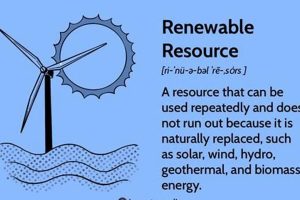
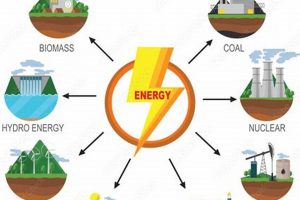
Energy Sources? [Checklist]" width="100%" style="margin-right: 8px;margin-bottom: 8px;" />The inquiry addresses the identification of energy resources that naturally replenish themselves over a human timescale. Examples of such resources include solar power, wind energy, geothermal energy, hydropower, and biomass.
Determining viable renewable energy sources is crucial for mitigating climate change, enhancing energy security, and promoting sustainable development. Historically, reliance on finite fossil fuels has led to environmental degradation and geopolitical instability. Transitioning to renewable alternatives offers long-term economic and ecological advantages.
Subsequent sections will delve into the specific characteristics, applications, and potential of various renewable energy technologies, emphasizing their role in a diversified and sustainable energy future. This includes an assessment of their environmental impact and economic feasibility.
Guidance on Renewable Energy Source Selection
The following guidelines offer insights into discerning suitable renewable energy options, essential for informed decision-making in energy transition strategies.
Tip 1: Assess Resource Availability: Evaluate the geographical availability and intensity of renewable resources. Solar irradiance, wind speed, geothermal gradients, and water flow rates vary significantly by location, influencing the potential of each energy source.
Tip 2: Consider Environmental Impact: Analyze the lifecycle environmental footprint, encompassing land use, habitat disruption, water consumption, and potential emissions associated with manufacturing, installation, and decommissioning.
Tip 3: Evaluate Technological Maturity: Research the technological readiness level (TRL) of different renewable energy technologies. Mature technologies like hydropower and wind energy have established performance records, while emerging technologies such as advanced geothermal systems require further development.
Tip 4: Analyze Economic Feasibility: Conduct a thorough cost-benefit analysis, accounting for upfront capital costs, operating expenses, maintenance requirements, and potential revenue streams. Government incentives, tax credits, and feed-in tariffs can significantly impact economic viability.
Tip 5: Examine Grid Integration Challenges: Investigate the technical challenges associated with integrating variable renewable energy sources into the existing electrical grid, including intermittency management, grid stability, and transmission infrastructure upgrades.
Tip 6: Prioritize Energy Storage Solutions: Recognize the importance of energy storage technologies, such as batteries, pumped hydro, and thermal storage, to mitigate the intermittency of renewable energy sources and ensure a reliable energy supply.
Tip 7: Understand Regulatory Frameworks: Familiarize yourself with local, regional, and national regulations governing renewable energy development, including permitting requirements, environmental standards, and grid interconnection policies.
Adherence to these guidelines will contribute to a more robust and sustainable energy portfolio, mitigating reliance on conventional fossil fuels.
The subsequent sections will address specific challenges and opportunities in the deployment of diverse renewable energy resources, emphasizing the need for comprehensive planning and stakeholder engagement.
1. Solar Energy Potential

Solar energy potential represents a pivotal component when assessing appropriate renewable energy resources. It quantifies the availability and intensity of solar radiation within a specific geographical area. The higher the solar irradiance, the greater the potential for generating electricity or heat using photovoltaic (PV) systems or solar thermal technologies, correspondingly amplifying its value as a renewable option. For instance, regions in the southwestern United States, characterized by high solar irradiance levels, exhibit considerable opportunities for large-scale solar power deployments, contributing substantially to the overall renewable energy mix.
Accurate evaluation of solar energy potential is critical for optimizing system design and predicting energy production. Factors such as latitude, cloud cover, and seasonal variations influence solar irradiance levels. Detailed solar resource assessments, often utilizing satellite data and ground-based measurements, enable informed decision-making regarding technology selection, site selection, and system sizing. The deployment of solar energy in Germany, despite its relatively moderate solar irradiance compared to other regions, demonstrates the impact of supportive policies and technological advancements in harnessing solar potential.
In summary, solar energy potential is a fundamental determinant in the identification and selection of renewable energy sources. A thorough understanding of this potential, coupled with technological advancements and supportive policies, is essential for maximizing solar energy’s contribution to a sustainable energy future. Insufficient analysis can lead to underestimation of energy generation capacity, overspending for technologies, and poor site selection.
2. Wind resource assessment

Wind resource assessment serves as a critical determinant in identifying viable renewable energy sources. This evaluation process systematically quantifies the wind energy potential across specific geographic locations. Precise assessment directly impacts the decision-making process related to the deployment of wind energy projects. Without accurate knowledge of wind speed, frequency, and turbulence, investment in wind turbine technology risks economic inefficiency and suboptimal energy generation.
Real-world examples illustrate the significance of comprehensive wind resource assessments. The development of extensive wind farms in the American Midwest and the North Sea region of Europe relied on thorough analysis of historical wind data, meteorological modeling, and on-site measurements using anemometers and wind vanes. These assessments provide critical data to estimate power generation of wind turbines, allowing developers to appropriately evaluate turbine design, optimize turbine placement, and model project costs. Underestimated wind resource assessments can lead to projects failing to meet predicted energy output, causing significant financial losses.
In conclusion, wind resource assessment is a vital component when considering renewable energy sources. Thorough analysis is essential for the feasibility, efficiency, and economic viability of wind energy projects. Accurately understanding wind energy potential is integral to inform decisions related to technological investment, system design, and overall renewable energy strategy, ensuring responsible and sustainable energy development.
3. Hydropower availability

Hydropower availability constitutes a significant factor in the evaluation of renewable energy source options. Its assessment hinges on the presence of sufficient and consistent water resources, typically manifested in rivers, reservoirs, or dams. Locations with substantial and reliable water flows demonstrate a greater capacity for electricity generation via hydroelectric power plants. Consequently, regions endowed with abundant water resources exhibit a higher likelihood of hydropower being a viable and sustainable energy source. For example, countries such as Norway and Canada, characterized by numerous rivers and ample precipitation, derive a considerable portion of their electricity from hydroelectric facilities. Conversely, arid regions or areas prone to prolonged droughts face substantial limitations in hydropower deployment.
The practical significance of understanding hydropower availability extends beyond mere resource identification. It necessitates a comprehensive evaluation of environmental impacts, including alterations to river ecosystems, potential displacement of local communities, and greenhouse gas emissions from reservoirs in certain conditions. The Three Gorges Dam in China, while generating a substantial amount of electricity, also serves as a case study highlighting the complex environmental and social considerations associated with large-scale hydropower projects. Balancing energy production with ecological sustainability requires careful planning, environmental impact assessments, and the implementation of mitigation measures.
In summary, hydropower availability plays a central role in determining which renewable energy sources are applicable in a given context. Its assessment must encompass not only the quantitative aspects of water resources but also the qualitative dimensions of environmental sustainability and social responsibility. Ignoring either aspect can lead to suboptimal energy decisions and unintended negative consequences, undermining the long-term viability of hydropower as a renewable energy resource.
4. Geothermal accessibility
Geothermal accessibility is a pivotal factor in determining appropriate renewable energy resources. It addresses the proximity and feasibility of tapping into subsurface thermal energy, directly influencing the practical viability of geothermal power generation.
- Geological Characteristics
The geological composition of a region significantly affects geothermal accessibility. Areas with volcanic activity, hydrothermal vents, or hot sedimentary aquifers possess naturally high geothermal gradients. These geological features reduce the depth and expense required to access usable thermal energy. For example, Iceland’s location on the Mid-Atlantic Ridge grants it abundant, easily accessible geothermal resources, making it a prime example of geothermal energy utilization. Conversely, regions lacking such geological advantages require deep drilling and enhanced geothermal systems (EGS), increasing project complexity and cost.
- Technological Advancements
Technological innovations play a crucial role in expanding geothermal accessibility. Enhanced Geothermal Systems (EGS) enable access to geothermal resources in areas without natural hydrothermal activity. EGS involves fracturing hot, dry rocks deep underground, circulating water through the fractures, and extracting heated water for power generation. While EGS broadens the geographic scope of geothermal energy, it necessitates advanced drilling techniques and careful management of induced seismicity risks. The Soultz-sous-Forts project in France exemplifies EGS technology, demonstrating both its potential and associated challenges.
- Economic Considerations
The economic aspects of geothermal accessibility influence its competitiveness as a renewable energy source. Initial capital costs, including drilling, infrastructure development, and power plant construction, can be substantial. The economic feasibility of geothermal projects depends on the depth of the geothermal resource, the temperature of the extracted fluid, and the local electricity market prices. Regions with shallow, high-temperature geothermal resources often present more economically viable projects, such as those found in the Geysers geothermal field in California. Government incentives, subsidies, and carbon pricing mechanisms can further enhance the economic viability of geothermal energy development.
- Environmental Impact
Environmental impacts associated with geothermal accessibility must be carefully considered. Geothermal energy production can result in land disturbance, water usage, and the release of greenhouse gases, such as hydrogen sulfide and carbon dioxide. Closed-loop geothermal systems, which re-inject extracted fluids back into the ground, minimize water consumption and reduce the risk of ground subsidence. Careful site selection, environmental monitoring, and adherence to stringent regulations are crucial for mitigating the environmental footprint of geothermal energy projects. The Ngatamariki Geothermal Power Station in New Zealand illustrates the implementation of advanced environmental management practices in geothermal energy development.
These interrelated facets of geothermal accessibility significantly influence its consideration among the pool of renewable energy source options. Regions must systematically evaluate geological conditions, technological capabilities, economic factors, and environmental considerations to assess the practicality and sustainability of leveraging geothermal energy as part of a diversified renewable energy portfolio. A comprehensive understanding of these elements leads to more informed decisions in sustainable energy planning and investment.
5. Biomass sustainability

Biomass sustainability occupies a crucial position when evaluating energy sources and determining the applicability of renewable classifications. If biomass is harvested at a rate exceeding its replenishment, it cannot be accurately labeled as renewable. Therefore, the sustainable management of biomass resources is fundamental to its categorization within the set of renewable energy options. Cause and effect are intrinsically linked: unsustainable biomass practices lead to resource depletion, effectively negating its renewable characteristic, while sustainable practices ensure its long-term availability.
The importance of biomass sustainability stems from its direct impact on environmental integrity. Unsustainable harvesting practices can lead to deforestation, soil degradation, and loss of biodiversity, thereby undermining the ecological benefits associated with renewable energy sources. For example, the conversion of rainforests to palm oil plantations for biofuel production illustrates a scenario where biomass energy, though technically renewable, exhibits unsustainable practices. Conversely, sustainably managed forestry, where trees are harvested responsibly and replanted, represents a viable and environmentally sound approach to biomass utilization. Furthermore, the use of agricultural residues, such as corn stover or wheat straw, can offer a sustainable source of biomass without directly impacting forest ecosystems.
In conclusion, biomass’s eligibility as a renewable energy source hinges directly on its sustainability. Implementation of responsible harvesting and management practices is paramount to ensure its long-term viability and minimize adverse environmental impacts. Understanding the interconnectedness of biomass sustainability and renewable energy classification is essential for informed energy policy decisions and responsible resource management, promoting an effective and truly renewable energy future. The challenge lies in establishing and enforcing sustainable biomass practices globally to ensure its genuine contribution to a sustainable energy mix.
6. Environmental considerations

Environmental considerations represent an indispensable element in determining if energy sources qualify as renewable. The core question addressed is not solely whether a resource is naturally replenished, but also whether its extraction, processing, and utilization align with ecologically responsible practices. These considerations evaluate the overall environmental impact, extending beyond simple resource renewability.
- Life Cycle Assessment (LCA)
A Life Cycle Assessment provides a comprehensive framework for evaluating the environmental impacts of a renewable energy source throughout its entire life cycle. This includes resource extraction, manufacturing, transportation, installation, operation, and decommissioning. For instance, while solar panels utilize a renewable energy source (sunlight), the manufacturing process involves energy-intensive processes and the use of potentially hazardous materials. A comprehensive LCA helps determine if the overall environmental benefits outweigh the costs, influencing the classification of solar energy as a truly sustainable option. Similar analyses are conducted for wind turbines, biomass, and other renewable sources.
- Impact on Biodiversity and Ecosystems
Renewable energy projects can significantly impact local biodiversity and ecosystems. Hydropower dams, for example, can alter river flows, disrupt fish migration patterns, and flood terrestrial habitats. Wind farms can pose a threat to bird and bat populations. Properly evaluating these impacts is essential to determining the environmental sustainability of a given renewable energy source. Mitigation measures, such as fish ladders in hydropower dams and strategic turbine placement in wind farms, aim to minimize these negative effects, influencing the classification of the energy source as environmentally acceptable.
- Land Use Implications
The land use requirements for renewable energy installations vary widely and can have significant environmental consequences. Large-scale solar farms and biomass plantations require substantial land areas, potentially leading to habitat loss and deforestation. Concentrated solar power (CSP) plants can require large tracts of land and substantial water resources. These land use implications need to be carefully evaluated against the potential benefits of renewable energy generation. Compact renewable energy technologies or those compatible with existing land uses are often favored due to their reduced environmental footprint.
- Waste Generation and Disposal
The manufacturing and disposal of renewable energy components can generate significant waste streams. Solar panels, wind turbine blades, and batteries from energy storage systems contain materials that require specialized disposal or recycling processes. If these materials are not managed properly, they can pose a threat to human health and the environment. The development of effective recycling technologies and waste management strategies is essential to ensuring the long-term sustainability of renewable energy systems, influencing their overall environmental classification.
These interconnected elements emphasize that evaluating the renewable nature of an energy source goes beyond simple resource replenishment. A holistic assessment of environmental impacts, incorporating life cycle considerations, effects on biodiversity, land use, and waste management, is essential for accurately determining whether an energy source aligns with ecologically sound practices. Such comprehensive evaluations guide informed decision-making in sustainable energy policy and promote a genuinely sustainable energy transition, ensuring renewable energy benefits outweigh potential environmental costs.
7. Economic viability

Economic viability functions as a crucial determinant when evaluating renewable energy sources. The economic feasibility of a renewable technology directly influences its likelihood of widespread adoption and its practical potential to displace conventional fossil fuel-based energy systems. Unless renewable energy sources are economically competitive or can be made so through policy mechanisms, their contribution to the energy mix will remain limited.
- Levelized Cost of Energy (LCOE)
Levelized Cost of Energy (LCOE) represents a standardized metric for comparing the cost-effectiveness of different energy generation technologies. It encompasses the total costs of building and operating a power plant over its lifetime, divided by the total electricity generated. Renewable energy technologies, such as solar photovoltaic (PV) and wind power, have experienced substantial LCOE reductions in recent years, making them increasingly competitive with fossil fuel-based power generation. However, factors such as geographic location, resource availability, and financing costs can significantly influence the LCOE of renewable energy projects. Projects that demonstrate a lower LCOE are generally prioritized when evaluating renewable energy options.
- Capital Costs and Operating Expenses
Renewable energy projects often exhibit high upfront capital costs associated with equipment procurement, construction, and grid interconnection. Solar PV, wind turbines, and geothermal power plants require substantial initial investments. However, their operating expenses are typically lower than those of fossil fuel-based power plants, as they do not require ongoing fuel purchases. The balance between capital costs and operating expenses significantly impacts the economic viability of renewable energy sources. Projects with lower capital costs, or those with access to favorable financing terms, are more likely to be considered economically viable.
- Government Incentives and Subsidies
Government incentives, such as tax credits, feed-in tariffs, and renewable energy mandates, play a crucial role in enhancing the economic viability of renewable energy sources. These incentives reduce the financial risk for investors and developers, making renewable energy projects more competitive. Feed-in tariffs, for example, guarantee a fixed price for electricity generated from renewable sources, providing a stable revenue stream for project owners. The presence and structure of government support mechanisms significantly influence the economic attractiveness of renewable energy technologies and their ability to compete with conventional energy sources. Regions with strong policy support for renewable energy often see accelerated deployment of these technologies.
- Grid Integration Costs
The integration of variable renewable energy sources, such as solar and wind, into the electrical grid presents unique challenges and costs. The intermittent nature of these resources requires investments in grid infrastructure, energy storage solutions, and demand-side management strategies to ensure grid stability and reliability. These grid integration costs can impact the overall economic viability of renewable energy sources. Regions with robust grid infrastructure and advanced energy storage technologies are better positioned to accommodate variable renewable energy and minimize associated costs. The economic viability of renewable energy must consider not only the generation costs but also the costs associated with integrating these resources into the existing electrical grid.
In summary, economic viability is a critical factor in evaluating renewable energy sources. It hinges on LCOE competitiveness, capital and operating cost structures, the presence of government incentives, and grid integration costs. A comprehensive economic analysis informs decision-making regarding the adoption and deployment of renewable energy technologies, ultimately influencing their contribution to a sustainable and economically sound energy future. Projects that demonstrate favorable economic characteristics are prioritized in the transition towards renewable energy systems.
Frequently Asked Questions Regarding Renewable Energy Source Identification
The following section addresses common inquiries pertaining to the assessment and selection of renewable energy sources, providing detailed and objective responses.
Question 1: What constitutes a renewable energy source, and how does it differ from a non-renewable source?
A renewable energy source is defined as one that is naturally replenished on a human timescale, such as solar, wind, hydro, geothermal, and biomass. Non-renewable sources, like fossil fuels (coal, oil, natural gas) and nuclear fuels, are finite resources that cannot be replenished within a comparable timeframe.
Question 2: Why is the evaluation of environmental impacts crucial when identifying renewable energy sources?
Environmental impacts must be considered because even renewable energy technologies can have negative consequences. Hydropower alters river ecosystems, biomass harvesting can lead to deforestation, and solar panel manufacturing involves hazardous materials. A thorough environmental assessment ensures that the chosen renewable source aligns with sustainability goals.
Question 3: How does geographical location affect the viability of different renewable energy sources?
Geographical location significantly influences resource availability. Solar irradiance varies by latitude and climate, wind patterns differ regionally, geothermal potential depends on geological activity, and hydropower requires suitable water resources. A proper assessment of local resources is critical for determining the feasibility of each renewable option.
Question 4: What role do technological advancements play in expanding the potential of renewable energy sources?
Technological advancements enhance the accessibility and efficiency of renewable energy resources. Enhanced Geothermal Systems (EGS) expand geothermal potential, advanced solar panel designs increase energy conversion efficiency, and improved wind turbine technology captures more energy. These innovations make renewable sources more competitive and viable.
Question 5: Why is economic viability a necessary consideration when evaluating renewable energy options?
Economic viability is essential because renewable energy technologies must be cost-competitive to be widely adopted. Factors such as capital costs, operating expenses, and government incentives influence the economic feasibility of renewable projects. An economically viable renewable source is more likely to displace fossil fuels and contribute to a sustainable energy mix.
Question 6: How does biomass sustainability affect its classification as a renewable energy source?
Biomass is only considered renewable if harvested sustainably. Unsustainable practices, such as deforestation, negate its renewability. Sustainable forestry and the use of agricultural residues ensure that biomass can be replenished at a rate equal to or greater than its consumption, maintaining its status as a renewable energy source.
These frequently asked questions highlight the multifaceted nature of renewable energy source identification, emphasizing the need for a comprehensive assessment of resource availability, environmental impacts, technological factors, economic viability, and sustainability considerations.
The following section will explore the future trends and emerging technologies within the renewable energy landscape, further informing decision-making processes.
Determining Renewable Energy Sources
The preceding analysis of “which are renewable energy sources check all that apply” has illuminated the multifaceted considerations essential for accurately classifying energy resources. Viability extends beyond mere resource replenishment, demanding scrutiny of environmental impacts, geographic suitability, technological maturity, economic feasibility, and sustainability practices. Neglecting any of these factors undermines the credibility and effectiveness of renewable energy initiatives.
Responsible energy policy and investment require a rigorous, holistic assessment of potential renewable sources. Embracing this comprehensive approach is imperative for achieving a genuinely sustainable energy future, mitigating climate change, and ensuring long-term energy security. The ongoing development and deployment of renewable energy technologies necessitate continuous evaluation and adaptation to evolving environmental and economic realities.