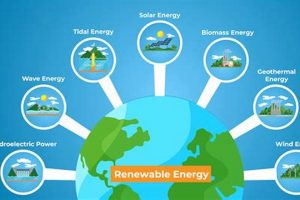
Determining the financially optimal method of generating power from sustainable resources requires careful consideration. It necessitates a comprehensive analysis of initial capital expenditures, ongoing operational costs, and the projected energy output over the technology’s lifespan. This assessment considers factors such as geographic location, resource availability, and technological maturity to identify the option offering the greatest return on investment.
The pursuit of economically viable green energy solutions is driven by the urgent need to mitigate climate change and enhance energy security. Historically, renewable technologies faced high initial costs, hindering widespread adoption. However, technological advancements, economies of scale, and supportive government policies have significantly reduced expenses, making them increasingly competitive with traditional fossil fuels. This shift towards economic parity is accelerating the transition to a cleaner energy future.
The following sections will explore various renewable energy technologies, analyze their respective cost structures, and compare their long-term economic viability. Furthermore, the impact of government incentives, technological innovation, and regional factors on the final price of energy generated will be examined, providing a balanced perspective on this evolving landscape.
Strategies for Economically Prudent Renewable Energy Investment
Maximizing the financial return on renewable energy projects demands careful planning and execution. The following guidelines offer insights into optimizing resource allocation and ensuring long-term profitability.
Tip 1: Conduct a Thorough Site Assessment. A detailed evaluation of available renewable resources (solar irradiance, wind speed, geothermal potential) is essential. Accurately gauging resource availability avoids overestimation of energy generation and subsequent financial shortfalls.
Tip 2: Prioritize Energy Efficiency Measures. Reducing overall energy demand minimizes the scale and cost of renewable energy installations. Implementing energy-efficient building designs, appliances, and industrial processes offers substantial cost savings.
Tip 3: Leverage Government Incentives and Tax Credits. Many jurisdictions offer financial support to promote renewable energy adoption. Thoroughly research and utilize available grants, tax credits, and rebates to reduce the upfront investment costs.
Tip 4: Explore Power Purchase Agreements (PPAs). Securing a long-term PPA with a utility or large energy consumer provides a stable revenue stream, enhancing project bankability and attracting investment.
Tip 5: Optimize System Design and Technology Selection. Carefully evaluate the performance and cost-effectiveness of different renewable energy technologies. Selecting the appropriate technology for a specific application maximizes energy output and minimizes lifecycle costs.
Tip 6: Minimize Operation and Maintenance (O&M) Costs. Implementing a robust O&M plan ensures system reliability and longevity. Regular maintenance, proactive monitoring, and skilled technicians reduce downtime and prevent costly repairs.
Tip 7: Consider Energy Storage Solutions. Integrating energy storage systems (batteries, pumped hydro) addresses intermittency issues and allows for greater control over energy dispatch, potentially increasing revenue opportunities.
These strategies, when implemented effectively, can significantly improve the financial viability of renewable energy projects, ensuring a strong return on investment and contributing to a sustainable energy future.
The subsequent section will summarize the key findings and offer a concluding perspective on the future of renewable energy economics.
1. Initial Capital Outlay

The initial capital outlay represents the upfront investment required to establish a renewable energy project. This investment encompasses expenses such as equipment procurement, construction, grid connection, and permitting. A high initial capital outlay can significantly impact the overall cost-effectiveness of a renewable energy source, potentially deterring investment despite its long-term operational benefits. For instance, while concentrated solar power (CSP) plants may offer long-term efficiency, their substantial upfront construction costs, including solar field construction and thermal storage integration, can make them less attractive compared to other alternatives with lower initial investments.
The relationship between initial capital outlay and the financially optimal renewable energy option is inversely proportional; that is, technologies with lower upfront costs generally present a more attractive investment profile, all other factors being equal. However, this simple relationship must be viewed within a broader context. Technologies with lower initial capital outlays might have higher operational costs or lower energy production, ultimately affecting their levelized cost of energy (LCOE). Solar photovoltaic (PV) systems, for example, have seen dramatic decreases in module prices, reducing the initial capital outlay. This reduction has led to widespread adoption, even though PV systems may have shorter lifespans or lower capacity factors compared to other renewable technologies.
In conclusion, the initial capital outlay is a critical determinant of the financially optimal renewable energy source, but it is not the sole factor. Evaluating the total lifecycle costs, including both upfront and ongoing expenses, alongside factors such as energy production, efficiency, and environmental impact, provides a comprehensive assessment. Understanding this interplay enables informed decision-making and efficient resource allocation within the renewable energy sector, driving progress towards sustainable and economically viable energy solutions.
2. Levelized Cost of Energy (LCOE)
The Levelized Cost of Energy (LCOE) serves as a critical metric for evaluating the financial viability of various energy generation technologies, including renewables. It provides a standardized assessment by calculating the present value of the total cost of building and operating a power plant over its lifetime, divided by the total electricity generated over that period. Therefore, it’s an essential tool in determining what is the most cost effective renewable energy source.
- LCOE as a Comparative Tool
LCOE enables direct comparison of different renewable energy technologies, such as solar photovoltaic (PV), wind, geothermal, and hydropower. By expressing the cost in terms of dollars per megawatt-hour ($/MWh), it allows decision-makers to assess which technology offers the most competitive price per unit of electricity produced. For instance, if a solar PV plant has an LCOE of $40/MWh while a wind farm has an LCOE of $50/MWh in the same location, solar PV appears to be the more financially attractive option. However, this comparison must also account for factors like intermittency and grid integration costs.
- Components of LCOE Calculation
The LCOE calculation incorporates several critical components, including initial capital investment, fuel costs (if any), operation and maintenance (O&M) expenses, financing costs, and the plant’s expected lifespan. For renewable energy sources with no fuel costs (e.g., solar and wind), the LCOE is largely driven by the initial capital investment and O&M expenses. Lower capital costs, efficient O&M practices, and a longer plant lifespan will generally result in a lower LCOE. For example, advancements in wind turbine technology have reduced both the capital costs and O&M expenses of wind farms, leading to a significant decrease in their LCOE over time.
- Impact of Capacity Factor on LCOE
The capacity factor, which represents the actual energy output of a power plant compared to its maximum potential output over a given period, significantly impacts the LCOE. Renewable energy sources with higher capacity factors will generate more electricity, thereby spreading the fixed costs over a larger volume of output and lowering the LCOE. For example, geothermal power plants, which can operate continuously due to the consistent availability of geothermal resources, typically have high capacity factors, contributing to their relatively low LCOE. In contrast, solar PV and wind power, which are intermittent, may have lower capacity factors, potentially increasing their LCOE.
- Limitations of LCOE
Despite its usefulness, LCOE has limitations. It does not fully account for the system-level costs associated with integrating renewable energy into the grid, such as transmission upgrades and the need for energy storage to address intermittency. Additionally, LCOE does not incorporate the environmental and social benefits of renewable energy, such as reduced greenhouse gas emissions and improved air quality. Therefore, while LCOE is a valuable tool for comparing the financial competitiveness of different energy sources, it should be used in conjunction with other metrics to make informed decisions about energy policy and investment.
In summary, the LCOE provides a standardized and comprehensive framework for evaluating the economic viability of different renewable energy options. It considers the total lifecycle costs and energy output, enabling a direct comparison of technologies. While LCOE is a critical factor in determining the financially optimal renewable energy source, it is essential to recognize its limitations and consider additional factors, such as system-level costs and environmental benefits, to ensure a holistic and sustainable energy strategy.
3. Operational Expenditures

Operational expenditures (OpEx) exert a significant influence on the financial viability of renewable energy projects and, consequently, on what qualifies as the most cost effective renewable energy source. These ongoing expenses encompass all costs associated with maintaining and operating a renewable energy facility throughout its lifespan, excluding initial capital investments. OpEx directly impacts the levelized cost of energy (LCOE), a crucial metric for comparing the economic competitiveness of different energy sources. Efficient management of OpEx can substantially reduce the LCOE, making a renewable energy technology more attractive to investors and consumers. Key components of OpEx include maintenance and repairs, labor costs, insurance, land lease payments, and grid connection fees. For example, wind farms incur OpEx related to turbine maintenance, blade repairs, and gearbox replacements. Solar PV plants require OpEx for panel cleaning, inverter replacements, and vegetation control. The frequency and cost of these activities directly affect the overall cost of energy production. Minimizing downtime and optimizing maintenance schedules are essential strategies for controlling OpEx and enhancing profitability. For example, predictive maintenance programs, utilizing data analytics to anticipate equipment failures, can significantly reduce unplanned outages and associated repair costs.
The correlation between OpEx and the financially optimal renewable energy technology is multifaceted. While some technologies may have lower initial capital costs, they might incur higher OpEx due to complex maintenance requirements or shorter equipment lifespans. Conversely, technologies with higher upfront investments may exhibit lower OpEx, resulting in lower LCOEs over the long term. Hydroelectric power plants, for instance, often have substantial initial construction costs but comparatively low OpEx due to their long lifespans and relatively simple operation. Similarly, geothermal plants, despite requiring significant upfront drilling investments, benefit from consistent energy production and low fuel costs, translating into lower OpEx and competitive LCOEs. Therefore, a comprehensive economic analysis that considers both capital expenditures and OpEx is essential for determining the most cost effective renewable energy source for a specific location and application. The selection of robust and reliable equipment, coupled with proactive maintenance strategies, plays a vital role in minimizing OpEx and maximizing the economic benefits of renewable energy projects.
In summary, operational expenditures represent a critical determinant of the financial viability of renewable energy projects. Effective management of OpEx is crucial for reducing the LCOE and enhancing the competitiveness of renewable energy technologies. By carefully evaluating the long-term operational costs associated with different renewable energy options, investors and policymakers can make informed decisions that promote the deployment of economically sustainable energy solutions. Successfully managing OpEx requires a holistic approach, encompassing robust equipment selection, proactive maintenance strategies, and skilled workforce management, ensuring the long-term economic success of renewable energy projects and contributing to a cleaner, more sustainable energy future.
4. Resource Availability

Resource availability is a primary determinant in assessing the economic viability of renewable energy projects and consequently influences what constitutes the financially optimal option. The abundance and consistency of a renewable resource at a specific location directly impact energy production, operational efficiency, and overall cost-effectiveness.
- Solar Irradiance Levels
Solar irradiance, the amount of solar radiation received per unit area, is a critical factor for solar photovoltaic (PV) and concentrated solar power (CSP) technologies. Regions with high solar irradiance levels, such as deserts or areas near the equator, can generate significantly more electricity with solar technologies compared to regions with lower irradiance. Consequently, solar energy projects in high-irradiance areas often have lower levelized costs of energy (LCOE) due to increased energy production. For example, solar farms in the southwestern United States typically achieve higher capacity factors and lower LCOEs compared to those in northern Europe due to the superior solar resource.
- Wind Speed and Consistency
Wind speed and consistency are essential for wind energy projects. Locations with consistently high wind speeds, such as coastal areas or mountain passes, are ideal for wind farm development. Higher wind speeds translate to greater energy production and lower LCOEs. However, wind speed variability can impact grid stability and necessitate energy storage solutions, adding to the overall project cost. For instance, offshore wind farms generally experience higher and more consistent wind speeds than onshore farms, resulting in higher capacity factors and potentially lower LCOEs, despite the higher initial capital costs associated with offshore construction.
- Geothermal Resource Potential
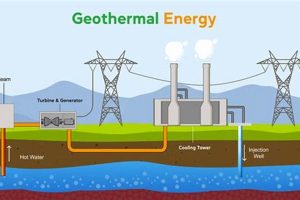
Geothermal energy harnesses heat from the Earth’s interior. Regions with high geothermal gradients or accessible geothermal reservoirs offer significant potential for geothermal power generation. Geothermal power plants can operate continuously, providing a reliable baseload energy source. However, the availability of suitable geothermal resources is geographically limited, and exploration and drilling costs can be substantial. Locations such as Iceland and parts of the western United States have abundant geothermal resources, making geothermal energy a cost-effective option in those areas.
- Hydrological Resources and Topography
Hydropower relies on the potential energy of water stored at different elevations. The availability of suitable rivers, reservoirs, and topography for dam construction determines the feasibility of hydropower projects. Hydropower can provide a reliable and dispatchable energy source, but it can also have significant environmental impacts on river ecosystems. Regions with abundant rainfall and suitable topography, such as mountainous areas, are well-suited for hydropower development. However, the construction of large dams can be costly and time-consuming, affecting the overall cost-effectiveness of hydropower projects.
The interplay between resource availability and the financial viability of renewable energy projects underscores the importance of conducting thorough resource assessments prior to project development. Accurately quantifying the resource potential at a specific location is crucial for selecting the most cost effective renewable energy source and optimizing project design to maximize energy production and minimize costs. Variations in resource availability across different regions and locations directly influence the economic competitiveness of various renewable energy technologies, shaping investment decisions and energy policy.
5. Technological Maturity

Technological maturity significantly influences the financial viability of renewable energy sources, thereby determining what solutions are most cost-effective. The maturity level of a technology affects its performance, reliability, capital costs, and operational expenses, all of which are critical components in assessing economic feasibility.
- Learning Curve Effects
The learning curve, reflecting the reduction in cost per unit as cumulative production volume increases, is a direct consequence of technological maturity. Mature technologies, such as solar photovoltaic (PV) and onshore wind, have benefitted from decades of development and deployment, leading to significant cost reductions through economies of scale, process improvements, and optimized designs. Conversely, less mature technologies, like advanced geothermal systems or wave energy converters, often face higher initial costs due to lower production volumes and limited operational experience. As these technologies mature, their costs are projected to decline, potentially making them more competitive over time.
- Standardization and Mass Production
Technological maturity facilitates standardization and mass production of components, leading to lower manufacturing costs and improved supply chain efficiency. Standardized designs and manufacturing processes enable manufacturers to produce components at scale, reducing per-unit costs and increasing the availability of spare parts. This standardization is evident in the solar PV industry, where standardized module sizes and connection protocols have enabled mass production and reduced installation costs. In contrast, less mature technologies often lack standardized components, resulting in higher manufacturing costs and limited supply chain options.
- Performance and Reliability
Mature renewable energy technologies typically exhibit higher performance and reliability due to years of research, development, and operational experience. Solar PV modules, for example, have demonstrated consistent performance and long lifespans, with manufacturers offering warranties of 25 years or more. Wind turbines have also achieved high levels of reliability through improved designs and advanced monitoring systems. In contrast, less mature technologies may face performance challenges and higher failure rates due to limited operational data and unproven designs. These performance and reliability issues can increase operational expenses and reduce energy production, affecting the overall cost-effectiveness of the technology.
- Financing and Risk Perception
Technological maturity influences the perception of risk associated with renewable energy investments, affecting the availability and cost of financing. Mature technologies with proven track records are generally considered less risky by investors, making it easier to secure financing at favorable terms. Solar PV and onshore wind projects, for example, are typically viewed as low-risk investments due to their established performance and financial returns. In contrast, less mature technologies may be perceived as riskier, leading to higher financing costs or difficulty securing funding. Government support mechanisms, such as loan guarantees and feed-in tariffs, can help mitigate these risks and encourage investment in less mature technologies with the potential for future cost reductions.
The degree of technological maturity directly affects the economic attractiveness of various renewable energy options. Mature technologies benefit from learning curve effects, standardization, improved performance, and lower financing costs, making them more competitive in the current energy market. While less mature technologies may offer the potential for future cost reductions and performance improvements, they currently face challenges related to higher costs, limited operational experience, and increased risk perception. These considerations highlight the importance of balancing investments in mature and emerging technologies to ensure a diversified and cost-effective renewable energy portfolio.
6. Geographic Location

Geographic location significantly influences the economic viability and selection of renewable energy sources. The inherent availability and intensity of renewable resources are highly location-dependent, shaping the performance, cost, and overall suitability of different technologies. Understanding these geographical variations is essential for determining the financially optimal renewable energy solution in any given region.
- Solar Irradiance and Latitude
Solar irradiance, the amount of solar radiation reaching a specific location, is directly related to latitude. Regions closer to the equator receive higher annual solar irradiance than those at higher latitudes. This directly impacts the energy yield and economic returns of solar photovoltaic (PV) and concentrated solar power (CSP) installations. Locations with consistently high solar irradiance, such as desert regions in the American Southwest or the Middle East, exhibit higher capacity factors and lower levelized costs of energy (LCOE) for solar technologies. Conversely, northern latitudes with lower irradiance may require larger solar arrays to achieve comparable energy production, increasing capital costs and potentially impacting the overall financial attractiveness of solar energy.
- Wind Patterns and Topography
Wind energy potential is heavily influenced by regional wind patterns and local topography. Coastal areas, mountain passes, and open plains often experience higher and more consistent wind speeds, making them ideal locations for wind farm development. These areas benefit from increased energy production and lower LCOEs. The interaction of wind with topographical features, such as mountains, can create localized areas of high wind speeds, known as wind corridors. However, complex terrain can also lead to turbulence and increased wear and tear on wind turbines, potentially increasing operational expenses. Site-specific wind resource assessments are crucial for optimizing wind turbine placement and maximizing energy production.
- Geothermal Resource Distribution
Geothermal energy relies on harnessing heat from the Earth’s interior. The availability of geothermal resources is highly variable and concentrated in specific geological regions, often associated with volcanic activity or tectonic plate boundaries. Regions with accessible high-temperature geothermal reservoirs, such as Iceland, the western United States, and parts of Southeast Asia, offer significant potential for geothermal power generation. Geothermal power plants can provide a reliable baseload energy source, operating continuously regardless of weather conditions. However, exploration and drilling costs can be substantial, limiting the economic feasibility of geothermal projects in areas with less-accessible or lower-temperature resources. Enhanced geothermal systems (EGS) aim to expand the geographic availability of geothermal energy by accessing heat resources in deeper, less permeable formations, but these technologies are still under development and have higher upfront costs.
- Hydrological Conditions and River Systems
Hydropower potential depends on hydrological conditions, including rainfall patterns, river flows, and the availability of suitable sites for dam construction. Regions with abundant rainfall and steep topography, such as mountainous areas in the Pacific Northwest or the Himalayas, offer significant opportunities for hydropower development. Hydropower plants can provide a dispatchable energy source, allowing for flexible electricity generation to meet demand. However, hydropower projects can have significant environmental impacts on river ecosystems, affecting fish migration and sediment transport. The economic viability of hydropower projects is also influenced by factors such as dam construction costs, reservoir size, and potential conflicts over water resources. Small-scale hydropower projects, with lower environmental impacts, may be more suitable for certain locations.
In summary, geographic location exerts a profound influence on the economic viability of renewable energy projects. The interplay between resource availability, technological performance, and site-specific conditions determines the financial attractiveness of different renewable energy options. A thorough understanding of regional resource characteristics is essential for selecting the most cost effective renewable energy source, optimizing project design, and maximizing energy production while minimizing environmental impacts. The geographic diversity of renewable resources underscores the need for a diversified energy portfolio, tailored to the specific conditions and opportunities of each region.
7. Government Incentives

Government incentives directly affect the financial landscape of renewable energy projects, shaping the determination of economically optimal sources. These incentives, designed to encourage the adoption of sustainable energy technologies, reduce upfront capital expenses, enhance revenue streams, and mitigate financial risks, influencing investment decisions and market competitiveness. The absence or presence of supportive government policies can significantly alter the comparative costs of various renewable energy options, shifting the economic balance in favor of technologies that might otherwise be less competitive.
Tax credits, for example, can substantially decrease the initial investment required for renewable energy installations, making them more attractive to both individual consumers and large-scale project developers. Production tax credits (PTCs) and investment tax credits (ITCs) provide direct financial benefits based on either the amount of electricity generated or the capital invested, enhancing the profitability of renewable energy projects. Feed-in tariffs (FITs) guarantee a fixed price for electricity generated from renewable sources, providing long-term revenue certainty and attracting private investment. Renewable portfolio standards (RPS) mandate that utilities generate a specified percentage of their electricity from renewable sources, creating a demand for renewable energy and supporting market growth. Subsidies, grants, and loan guarantees further reduce financial barriers and promote innovation in the renewable energy sector. For instance, the rapid expansion of solar power in many countries has been directly facilitated by government policies that have lowered costs and increased investment confidence.
In conclusion, government incentives serve as a catalyst for the deployment of renewable energy technologies by improving their financial viability and reducing their perceived risk. These incentives play a crucial role in leveling the playing field with conventional energy sources, which often benefit from long-standing subsidies and established infrastructure. Policy makers play a significant role in deciding what is the most cost effective renewable energy source. A well-designed incentive structure can accelerate the transition to a cleaner energy future, driving innovation, creating jobs, and mitigating climate change. However, the effectiveness of government incentives depends on their design, implementation, and long-term stability, requiring ongoing evaluation and adaptation to ensure optimal outcomes.
Frequently Asked Questions
The following section addresses common inquiries regarding the economic viability of various renewable energy sources. It provides concise and informative answers to aid understanding and decision-making in the context of sustainable energy investments.
Question 1: What factors are most critical in determining the economic viability of a renewable energy source?
Key determinants include initial capital costs, operational expenses, resource availability, technological maturity, geographic location, government incentives, and the levelized cost of energy (LCOE). A comprehensive analysis considers all these elements.
Question 2: How does geographic location impact the cost-effectiveness of renewable energy?
Geographic location directly influences the availability and intensity of renewable resources such as solar irradiance, wind speed, geothermal gradients, and hydrological conditions. Projects must be strategically located to maximize resource capture.
Question 3: What role do government incentives play in making renewable energy more cost-competitive?
Government incentives, such as tax credits, feed-in tariffs, and renewable portfolio standards, reduce upfront costs, enhance revenue streams, and mitigate financial risks, thereby improving the economic viability of renewable energy projects.
Question 4: How does technological maturity affect the cost of renewable energy technologies?
Technological maturity is inversely correlated with cost. Mature technologies benefit from economies of scale, standardized manufacturing, and improved performance, resulting in lower capital and operational expenses.
Question 5: Why is the Levelized Cost of Energy (LCOE) a useful metric for comparing renewable energy sources?
LCOE provides a standardized metric for comparing the total lifecycle costs of different energy generation technologies, factoring in capital expenses, operational expenses, and energy output over the project’s lifespan.
Question 6: How do operational expenditures influence the overall cost of renewable energy?
Operational expenditures, including maintenance, repairs, and labor costs, directly impact the LCOE and the long-term profitability of renewable energy projects. Efficient management of OpEx is essential for maximizing economic returns.
Understanding the interplay of these factors is critical for informed decision-making in the renewable energy sector. A holistic approach, accounting for both financial and environmental considerations, is essential for promoting sustainable and economically viable energy solutions.
The subsequent section provides a concluding perspective on the future of renewable energy economics.
Determining Financial Optimization in Renewable Energy
This exploration into what is the most cost effective renewable energy source has highlighted the multifaceted nature of the inquiry. Factors such as initial investment, operational costs, resource availability, technological maturity, geographic influences, and governmental support mechanisms each exert significant influence on the economic equation. The levelized cost of energy (LCOE) serves as a valuable comparative metric, yet its inherent limitations necessitate a comprehensive perspective that incorporates externalities and system-level considerations.
The pursuit of financially optimized renewable energy solutions demands rigorous analysis and strategic planning. Stakeholders must prioritize thorough site assessments, efficient resource allocation, and proactive engagement with evolving policy landscapes. Continued investment in research and development, coupled with streamlined regulatory frameworks, is crucial to unlocking the full economic potential of sustainable energy technologies and facilitating a cost-effective transition to a cleaner energy future.